What Jobs Digital Nomads Actually Do (And How They Make Money)
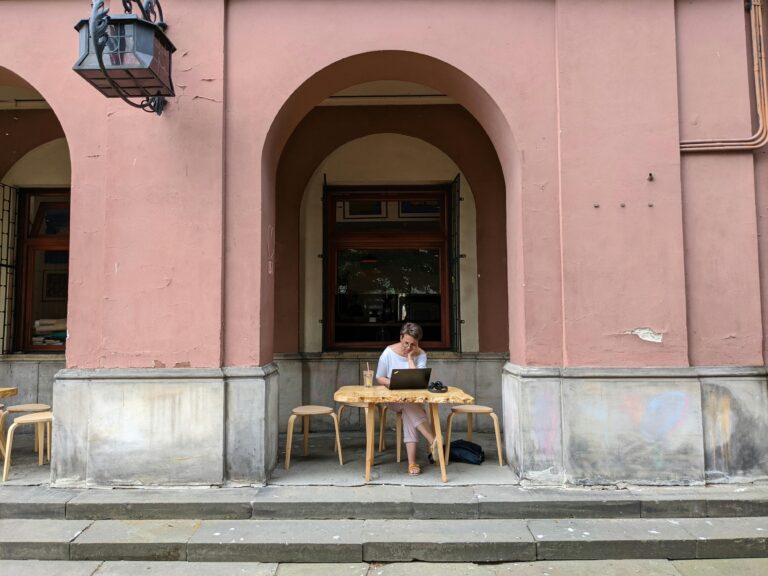
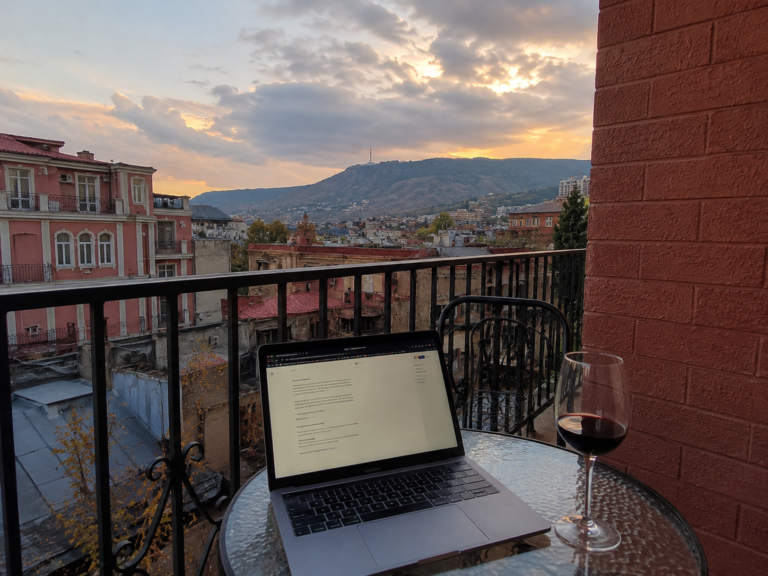
Most people asking what jobs do digital nomads do imagine the same thing: somebody sitting on a beach in Bali, posting Instagram photos, filming YouTube videos, and somehow earning money between sunsets.
The reality is much less glamorous — and much more interesting.
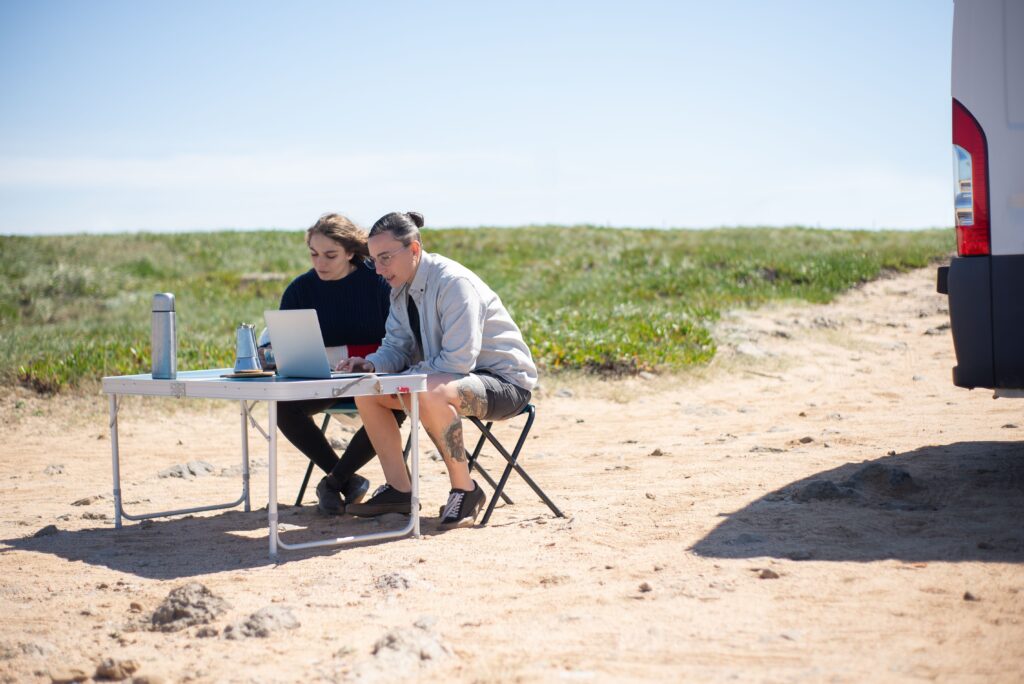
Most digital nomads are not influencers. They are ordinary people doing ordinary work from different locations around the world. They answer customer emails, build websites, manage advertising campaigns, teach languages, write content, analyse data, design graphics, and attend Zoom meetings just like everyone else. In many ways, they are simply part of the growing trend of remote work, which has transformed how millions of people earn a living and choose where they live.
The difference is that their jobs happen to be location-independent.
If you’ve ever wondered what do digital nomads actually do, how they make money, and whether it’s possible to build a remote career yourself, the answer is probably much simpler than social media makes it look.
The Biggest Myth About Digital Nomad Life

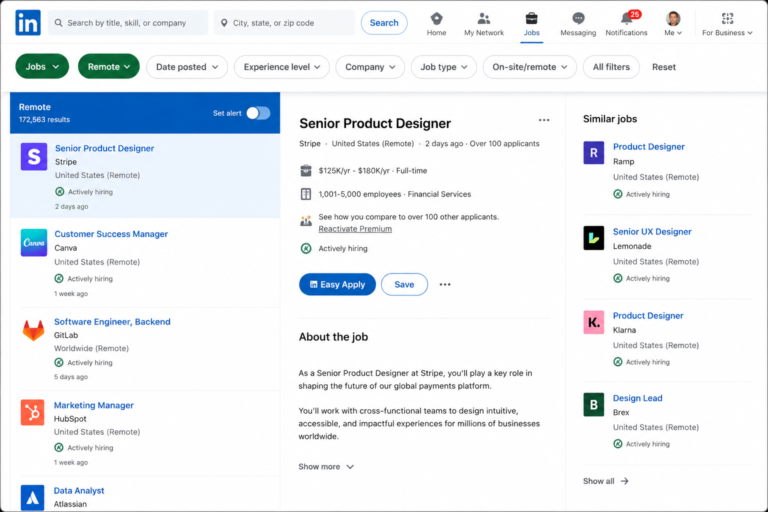
One of the biggest misconceptions about digital nomad life is that everybody is running a successful YouTube channel or earning passive income while drinking coconuts on tropical beaches. In reality, many remote workers start with ordinary jobs and gradually build their careers through entry-level remote opportunities, freelancing, customer support, content creation, or other location-independent roles.
In reality, most digital nomad jobs look surprisingly normal.
Many remote workers are:
- marketers
- software developers
- customer support agents
- designers
- writers
- consultants
- project managers
- sales professionals
The reason you rarely see them online is simple. Their jobs are not particularly exciting to film.
Nobody becomes famous on Instagram for spending six hours fixing website bugs or responding to client emails.
Yet this is exactly how thousands of remote workers support themselves every month.
The internet often turns digital nomad life into a lifestyle fantasy. The reality is closer to a regular career with a different postcode every few months.
My Own Digital Nomad Journey
When I decided to become a digital nomad, I spent a long time thinking about what kind of work I actually wanted to do.
I had just left an office job with a traditional nine-hour working day. Like many people, I was exhausted. I wanted more flexibility, more freedom, and honestly, some time to recover from years of office routines that no longer felt sustainable.
The problem was that I had very little remote work experience.
I wasn’t a developer. I wasn’t running a business. I didn’t have a large audience online. I didn’t possess one of those highly specialised skills that people often associate with remote work.
So I started small.
My first remote job was working as a chat operator for Cloudworkers. What attracted me wasn’t the work itself but the flexibility. I could work whenever I wanted and from wherever I wanted. For the first time, my schedule belonged entirely to me.
That freedom felt incredible.
The downside was the income.
I earned roughly $1,000 per month. It was enough to survive, pay bills, and maintain basic independence, but it wasn’t enough to travel comfortably or build significant savings.
For about a year, that was my reality.
Then I discovered affiliate marketing.
I wasn’t immediately successful. In fact, the beginning was frustrating. There was a lot to learn, many mistakes to make, and months where progress felt invisible.
But gradually things improved.
Eventually my income increased to around $3,000 per month. Suddenly travel became easier. I could stay longer in places I enjoyed, choose better accommodation, and stop worrying about every single expense.
Looking back, I think the most important lesson was that I didn’t start with the perfect career.
I started with a job that gave me freedom.
The skills, experience, and income came later.
That’s something many aspiring digital nomads overlook. They spend months searching for the perfect opportunity when often the better approach is simply finding a remote job that gets them started.
10 Most Common Digital Nomad Jobs
When people ask what do digital nomads do for work, these are some of the most common answers.
1. Software Developer
Developers remain one of the largest groups within the digital nomad community.
Income: $3,000–15,000+ per month
Beginner friendly: No
Programming requires technical skills, but it remains one of the highest-paying remote careers available.
2. Affiliate Marketer
Affiliate marketers promote products or services and earn commissions on sales or leads.
Income: $500–20,000+ per month
Beginner friendly: Moderate
Income can vary dramatically, making it one of the most unpredictable but potentially rewarding digital nomad careers.
3. Content Writer
Writers create blog posts, articles, website copy, newsletters, and marketing content.
Income: $800–5,000+ per month
Beginner friendly: Yes
Writing remains one of the most accessible remote jobs for digital nomads.
4. SEO Specialist
SEO specialists help websites increase their visibility in Google.
Income: $1,500–8,000+ per month
Beginner friendly: Moderate
Demand for SEO skills continues to grow as businesses compete online.
5. Virtual Assistant
Virtual assistants handle scheduling, emails, administration, and organisational tasks.
Income: $800–3,500 per month
Beginner friendly: Yes
Many people start here when looking for best digital nomad jobs for beginners.
6. Customer Support Agent
Support agents assist customers through email, chat, or phone.
Income: $800–3,000 per month
Beginner friendly: Yes
One of the most common jobs you can do from anywhere.
7. Online Teacher
Language teaching remains popular among remote workers.
Income: $1,000–4,000 per month
Beginner friendly: Yes
Teaching English online remains particularly accessible.
8. Graphic Designer
Designers create branding, social media content, advertisements, and websites.
Income: $1,500–6,000+ per month
Beginner friendly: Moderate
A strong portfolio often matters more than formal qualifications.
9. Social Media Manager
Many companies outsource social media management to remote workers.
Income: $1,000–5,000 per month
Beginner friendly: Yes
A growing category of work from anywhere jobs.
10. Consultant
Consultants provide expertise in fields such as business, marketing, HR, or finance.
Income: $3,000–15,000+ per month
Beginner friendly: No
Typically requires years of previous industry experience.
What Jobs Do Digital Nomads Do With No Experience?
One of the most common questions people ask is:
What jobs do digital nomads do with no experience?
The good news is that not every remote career requires advanced technical skills.
If you’re just getting started, our guide on How to Become a Digital Nomad With No Experience explains the practical steps many remote workers take before earning a full-time income online.
Many beginners start with:
- customer support
- chat operator roles
- virtual assistant work
- content moderation
- basic freelance writing
- data entry
- appointment setting
These jobs usually won’t make someone rich overnight.
However, they provide something more valuable at the beginning: experience.
Once you’ve worked remotely for six months or a year, finding better opportunities becomes significantly easier.
For many people, the first remote job is simply a bridge to the second one.
How to Become a Digital Nomad With No Skills
People often search how to become a digital nomad with no skills, but the question is slightly misleading.
Everyone has skills.
The real challenge is figuring out which skills companies will pay for remotely.
The simplest approach is learning while earning.
Start with beginner-friendly remote work.
Gain experience.
Learn new tools.
Develop communication skills.
Build a portfolio.
Over time, those small improvements compound.
Many successful digital nomads started with customer support, data entry, or administrative work before moving into marketing, SEO, development, consulting, or business ownership.
The path rarely looks impressive at the beginning.
That is completely normal.
For a more detailed roadmap, see our guide on How to Become a Digital Nomad With No Experience.
How Much Do Digital Nomads Make?
Another question people ask constantly is:
How much do digital nomads make?
Social media often creates unrealistic expectations.
You see people claiming to earn $20,000 per month while travelling full-time and begin assuming that everyone else is doing the same.
Most are not.
Beginner
0–2 years experience
Income: $800–2,000 per month
Many people start here.
Intermediate
2–5 years experience
Income: $2,000–5,000 per month
This is where a large percentage of long-term nomads operate.
Experienced
5+ years experience
Income: $5,000–15,000+ per month
Usually involves specialised expertise, consulting, sales, software development, or business ownership.
The reality is that digital nomad income varies enormously depending on skills, industry, and location.
Highest Paying Digital Nomad Jobs
If you’re researching the highest paying digital nomad jobs, these fields consistently appear near the top:
- Software Engineering
- Consulting
- Affiliate Marketing
- SEO Consulting
- Paid Media Management
- Enterprise Sales
- Product Management
- Data Engineering
These careers often generate five-figure monthly incomes, but they usually require years of experience and skill development.
High income is rarely the starting point.
It’s usually the result of a long learning process.
Can You Really Work From Anywhere?
The phrase “work from anywhere” sounds amazing.
The reality is slightly more complicated.
Yes, there are many location independent jobs and jobs that allow you to travel, but practical limitations still exist.
Time zones matter.
Internet quality matters.
Client expectations matter.
Visa regulations matter.
A Zoom call scheduled for 9 AM London time feels very different when you’re sitting in Thailand at 4 PM or Mexico at 2 AM.
This is why many remote workers eventually prioritise stability over constant movement.
If you’re planning long-term travel, understanding countries with digital nomad visas becomes increasingly important.
Likewise, choosing the cheapest place to nomad can dramatically affect how sustainable remote work feels financially.
Some people also discover that complete remote work isn’t ideal and instead explore options like how to convince company for hybrid work.
And perhaps most importantly, many remote professionals eventually experience challenges discussed in feeling isolated working from home, reminding us that freedom and happiness are not always the same thing.
Conclusion
Most digital nomads are not wealthy influencers living permanently on beaches.
They are ordinary people who found jobs they can do remotely.
Some are developers.
Some are writers.
Some work in customer support.
Some run businesses.
Some teach online.
Others are still figuring things out as they go.
The path usually starts with simple work, modest income, and gradual skill development.
The people who succeed long-term are rarely the ones who found the perfect opportunity immediately.
They’re usually the people who started somewhere, learned continuously, and slowly built a lifestyle around the freedom they wanted.
And honestly, that may be the real answer to how do digital nomads make money.
They don’t begin with perfect careers.
They begin with one remote job and build from there.
FAQ
What jobs do digital nomads actually do?
Digital nomads work in a wide range of industries. Some are software developers, marketers, writers, designers, consultants, virtual assistants, or customer support agents. Others run online businesses, teach languages, manage social media accounts, or work in affiliate marketing. Most digital nomad jobs look surprisingly similar to traditional office jobs, except they can be done remotely.
How do digital nomads make money?
People often wonder how do digital nomads make money while travelling. Most earn income through remote employment, freelancing, consulting, online businesses, content creation, affiliate marketing, or teaching. The key difference is that their income is not tied to a specific location.
What jobs do digital nomads do with no experience?
If you’re asking what jobs do digital nomads do with no experience, common entry-level options include virtual assistant work, customer support, chat moderation, data entry, appointment setting, and beginner freelance writing. These jobs can help you gain remote work experience while building more valuable skills.
How can I become a digital nomad with no skills?
Many people search for how to become a digital nomad with no skills, but most successful nomads start by learning while working. Beginner-friendly remote jobs can provide experience, income, and opportunities to develop new skills. Over time, many people transition into higher-paying careers such as marketing, SEO, design, or software development.
What are the best jobs for digital nomads?
The best jobs for digital nomads depend on your skills and goals. Popular options include software development, content writing, affiliate marketing, SEO, consulting, graphic design, social media management, and online teaching. The best remote career is usually one that combines flexibility, stability, and long-term growth potential.
How much do digital nomads make?
Many people ask how much do digital nomads make, but there is no single answer. Beginners often earn between $800 and $2,000 per month. Experienced remote workers may earn $3,000–$5,000 monthly, while highly skilled professionals and business owners can earn $10,000 or more per month.
What are the highest paying digital nomad jobs?
Some of the highest paying digital nomad jobs include software engineering, consulting, affiliate marketing, paid advertising management, enterprise sales, product management, and data engineering. These careers often require specialised expertise and several years of experience.
Are there jobs that allow you to travel full-time?
Yes. Many jobs that allow you to travel are now fully remote. Freelancers, remote employees, consultants, online teachers, and business owners often work while travelling between countries. However, successful long-term travel usually requires reliable income, careful planning, and a sustainable work routine.
What are the best digital nomad jobs for beginners?
The best digital nomad jobs for beginners include customer support, virtual assistance, chat moderation, content writing, social media management, and online tutoring. These roles generally have lower barriers to entry and can help build valuable remote work experience.
Can digital nomads really work from anywhere?
In theory, many work from anywhere jobs can be done from almost any location. In practice, internet quality, time zones, visa rules, and client expectations still matter. Most successful digital nomads choose destinations that balance affordability, good infrastructure, and a comfortable lifestyle—a philosophy increasingly shared by retirees embracing a nomadic lifestyle.
About This Article
This article combines personal experience, independent editorial research, and practical observations about digital nomad jobs, remote careers, and how people actually make money while travelling.
Research sources included:
- First-hand experience of starting remote work with limited previous online work experience.
- Personal observations from working as a digital nomad and building location-independent income.
- Community discussions, personal stories, and career experiences shared on Reddit, including conversations from digital nomad, remote work, freelancing, and expat communities.
- Background research regarding remote employment, location-independent careers, workplace flexibility, and global remote work trends from reputable industry publications and publicly available reports.
- Public information from official government and immigration websites regarding digital nomad visas, work permits, residency programmes, and relocation policies where applicable.
- Editorial research into common digital nomad jobs, beginner-friendly remote work, online income models, and long-term location-independent careers.
The goal is to explain how digital nomads actually make money, including beginner-friendly jobs, realistic income ranges, common career paths, and the gradual process of building skills that can support a flexible travel lifestyle.

Written by
Anna
Founder of The City Theory — writing about digital nomad lifestyle, modern city culture, remote work, travel experiences, psychology, and human behavior around the world.