Who Are Grey Nomads? Why More Retirees Are Choosing Life on the Road
If you’re wondering who are grey nomads, the answer is surprisingly simple. Grey nomads are usually retired or semi-retired people who travel for months—or even years—using caravans, campervans or motorhomes instead of living permanently in one place. The movement began in Australia, but the idea has become increasingly attractive worldwide as people retire healthier, live longer and decide that freedom is a better investment than another decade spent in the same house.
When I first heard the phrase “grey nomad,” I imagined adventurous grandparents taking occasional camping holidays. The reality turned out to be completely different. Many of them have sold their homes, packed everything they truly need into a caravan and built an entirely new lifestyle around slow travel. Some spend six months exploring Australia’s coastline before returning home for the summer. Others haven’t had a permanent address in years because the road itself has quietly become home.
What fascinated me most wasn’t the travelling itself but the reason behind it. Unlike younger travellers who often postpone stability while building careers, grey nomads have already done everything society expected of them. They worked, raised families, paid mortgages and waited decades for retirement. Instead of settling into predictable routines, they’re choosing something that previous generations rarely considered possible: treating retirement as the beginning of another adventure rather than the end of an active life.
That shift reflects a much broader trend. People are living longer, remaining healthier well into their seventies and increasingly questioning whether retirement automatically means staying close to home. The result is a generation that’s redefining what growing older actually looks like.
What Does Grey Nomad Mean?
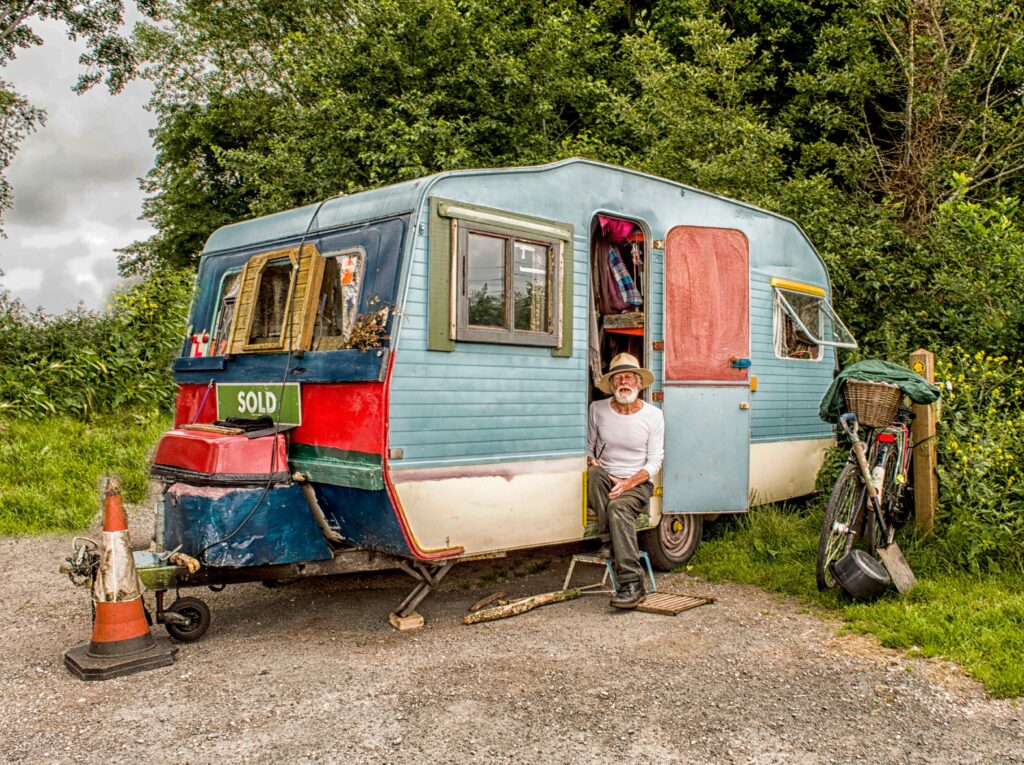
The simplest grey nomad lifestyle explained is this: a grey nomad is someone, usually over the age of fifty-five or sixty, who travels for extended periods after retirement while living primarily in a caravan, camper trailer, motorhome or campervan. Unlike ordinary holidays lasting a week or two, these journeys often continue for several months and sometimes become permanent.
The expression originated in Australia because the country’s enormous distances, extensive caravan parks and spectacular road network make long-term road travel remarkably practical. Driving across Australia isn’t unusual in itself, but spending an entire year slowly exploring national parks, small towns and remote coastlines became common enough among retirees that Australians eventually gave the movement its own name.
That doesn’t mean every retired traveller automatically becomes a grey nomad. The lifestyle is defined less by age than by the decision to replace ordinary retirement with continuous or semi-continuous travel. Someone taking two caravan holidays every year probably wouldn’t describe themselves that way. Someone who spends eight months driving around Australia before returning home for Christmas almost certainly would.
Although the term is strongly associated with Australia, similar lifestyles now exist elsewhere. North America has full-time RV communities, Europe has growing numbers of retirees travelling between Mediterranean countries, and increasing numbers of people are combining retirement with seasonal travel instead of remaining in one location all year.
Why Are They Called Grey Nomads?
People often ask why are they called grey nomads, and the answer is wonderfully straightforward. “Grey” refers to the age of most participants, many of whom have grey hair after retiring, while “nomads” reflects their constantly changing location rather than a permanent home.
The nickname isn’t intended to be negative. In Australia it’s widely recognised and usually used with affection, both by travellers themselves and by the wider public. Many retirees proudly describe themselves as grey nomads, wear clothing with the phrase printed on it and actively participate in communities built around the lifestyle.
The comparison with traditional nomadic cultures isn’t perfect because modern grey nomads travel by choice rather than necessity. Nevertheless, the underlying idea is similar. Instead of remaining tied to one location, they keep moving according to seasons, personal interests and weather conditions. One month might be spent beside the ocean in Queensland, while the next could involve exploring the Australian Outback or Tasmania.
That’s also why the lifestyle differs from simply owning a caravan. Plenty of Australians enjoy weekend camping trips, but who are Australian grey nomads really refers to those who have made travel part of everyday life rather than an occasional holiday.
Why Has the Lifestyle Become So Popular?
Several decades ago, retirement usually followed a predictable pattern. People stopped working, spent more time at home, looked after grandchildren, joined local clubs and occasionally booked organised holidays. That model still suits many retirees, but it’s no longer the only option.
One reason the grey nomad movement has expanded so quickly is that today’s retirees are healthier than previous generations. According to the World Health Organization, global life expectancy has increased dramatically over recent decades, meaning millions of people now retire while still physically capable of hiking, driving long distances and exploring remote places. Retirement no longer marks the end of an active lifestyle for many people; it simply removes the time restrictions that previously prevented it.
Financial changes have also played an important role. Many retirees own their homes outright, receive pensions or have accumulated retirement savings that allow them to travel slowly without paying for hotels every night. Caravan living significantly reduces accommodation costs compared with traditional tourism, making extended travel surprisingly achievable for people on moderate retirement incomes.
Australia’s geography encourages the movement as well. The country offers thousands of kilometres of highways, well-developed caravan parks and climates that allow retirees to follow comfortable weather throughout the year. Many simply avoid winter by heading north before returning south once temperatures begin rising again.
The numbers suggest this isn’t simply a passing trend. Australia’s caravan and camping industry has experienced sustained growth during the past decade, with millions of domestic caravan trips recorded each year and caravan registrations continuing to rise. At the same time, ageing population statistics show that Australians aged over 65 now represent a growing share of the population, creating an increasingly large group with both the time and motivation to travel extensively after retirement.
Another reason rarely mentioned is psychological. Many retirees discover that they don’t actually miss work as much as they expected—they miss having something to look forward to. Planning routes, discovering small towns, meeting fellow travellers and waking up somewhere different every few days provides purpose that many people struggle to replace after leaving full-time employment.
The lifestyle isn’t driven only by money or beautiful scenery. For many grey nomads, movement itself becomes part of everyday happiness.
Grey Nomads vs Digital Nomads
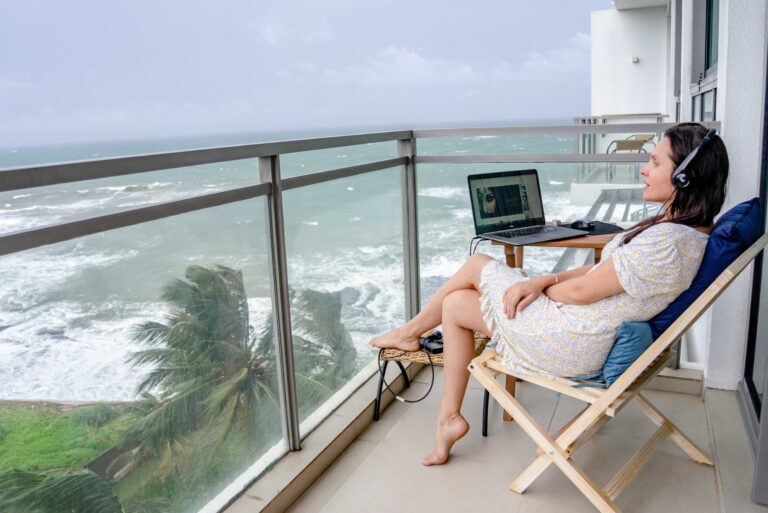
One of the reasons the grey nomad movement receives so much attention today is that people naturally compare it with digital nomads. At first glance the two groups appear completely different. One is usually retired, the other is often in their twenties or thirties. One travels with a caravan, the other with a laptop. Yet after speaking with people from both communities, I realised they actually have far more in common than most articles suggest.
The biggest difference is simple: digital nomads still need to earn an income while travelling. Their destination often depends on internet speed, coworking spaces, visa policies and time zones that suit clients or employers. Grey nomads rarely make decisions based on work. Instead, they follow good weather, interesting landscapes, local festivals or recommendations from fellow travellers. Their calendars are no longer controlled by annual leave requests or project deadlines.
Money comes from different places as well. Most digital nomads rely on freelance work, remote employment or online businesses, while grey nomads usually live on pensions, retirement savings or investment income. That financial difference changes almost everything. A younger traveller might leave an amazing campsite because they need faster internet for Monday’s meetings. A grey nomad can simply stay another week because nothing demands they leave.
| Grey Nomads | Digital Nomads |
|---|---|
| Usually retired | Usually working remotely |
| Caravan, campervan or motorhome | Laptop and backpack |
| Mostly Australia | Worldwide |
| Pension or retirement savings | Remote income |
| Follow seasons | Follow work opportunities |
| Long road trips | International travel |
The contrast becomes even clearer when you look at daily routines. Digital nomads often spend mornings working and afternoons exploring. Grey nomads might spend the entire day fishing, hiking or driving to the next destination without checking emails once. Interestingly, both groups often end up searching for the same things: slower living, fewer possessions and the freedom to decide where tomorrow begins.
If you’re curious about the careers that make location independence possible before retirement, it’s worth exploring the kinds of remote careers that allow people to work while travelling, because those jobs explain why digital nomads can maintain a similar sense of freedom decades earlier in life.
How Do Grey Nomads Travel?
People often imagine luxury motorhomes crossing the Australian Outback, but the reality is much more varied. How do grey nomads travel? The answer depends almost entirely on budget, comfort preferences and how long they expect to stay on the road.
Many couples tow a caravan behind a reliable four-wheel drive vehicle. This setup allows them to leave the caravan at a campsite while using the car for sightseeing, shopping or exploring national parks. Others prefer motorhomes because everything remains in one vehicle, even if that means slightly less flexibility once they arrive somewhere.
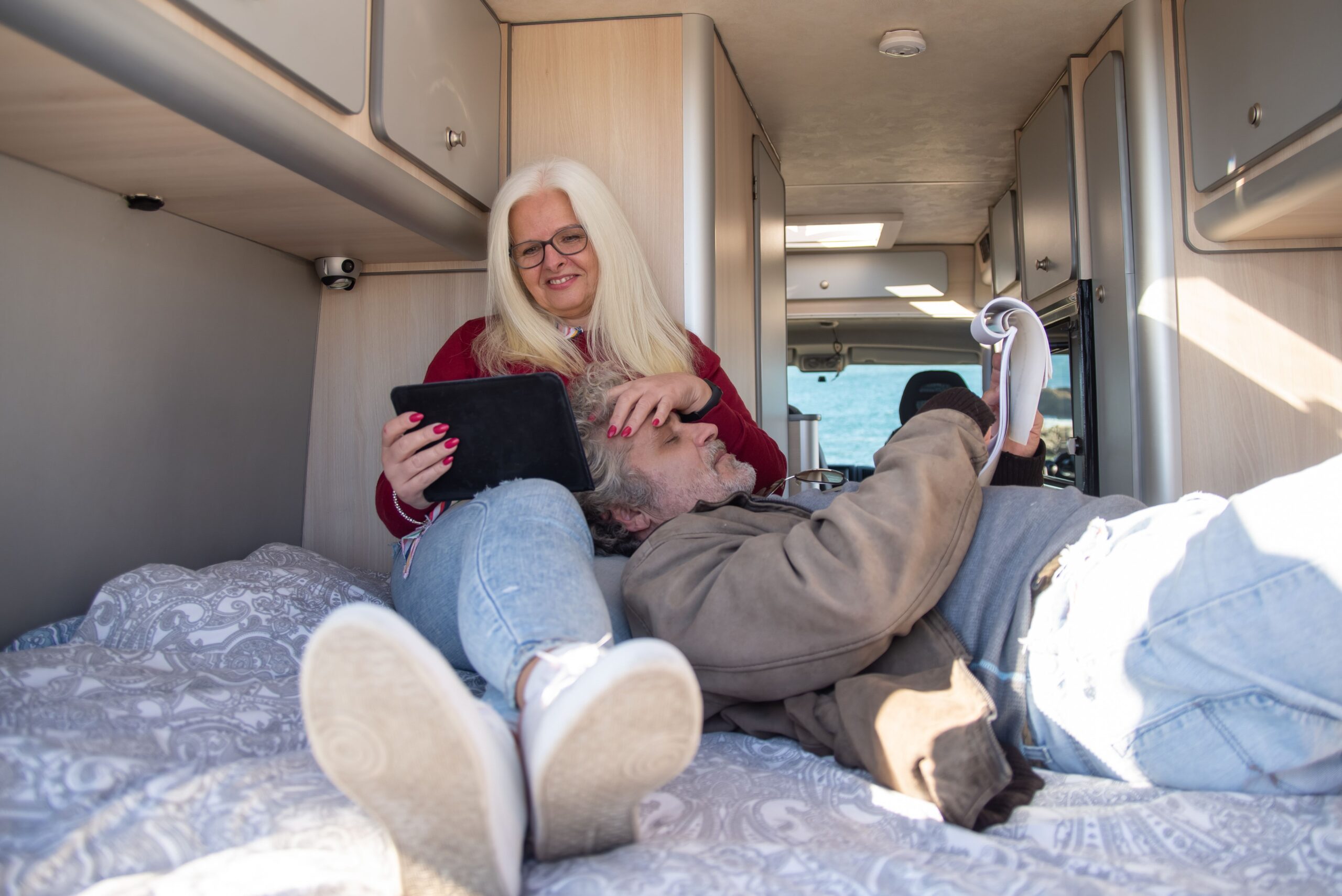
Campervans have become increasingly popular among solo travellers and couples who value simplicity over space. They’re easier to drive, consume less fuel and fit comfortably into ordinary parking spaces. The trade-off is obvious: living inside a campervan for six months requires accepting far less storage and personal space than travelling with a full-sized caravan.
That leads naturally to another common question: what vehicles do grey nomads use? There isn’t a single answer, but the most popular options include:
- Traditional caravans towed by SUVs or pickup trucks.
- Self-contained motorhomes.
- Campervans for lighter travel.
- Camper trailers for shorter seasonal trips.
Choosing the right vehicle isn’t just about comfort. Maintenance costs, fuel consumption, insurance and access to remote roads all influence the decision. Someone planning to spend most of their time along sealed coastal highways will choose very differently from someone hoping to explore Australia’s remote interior.
Where Do Grey Nomads Travel?
Although the movement has inspired retirees worldwide, where do grey nomads travel is still largely an Australian story.
Most follow seasonal weather. During colder southern winters, thousands gradually move north towards Queensland, the Northern Territory or Western Australia, returning south once temperatures become more comfortable. This annual migration has become so predictable that caravan parks in popular destinations often fill months in advance.
Among the best caravan routes for grey nomads, several appear repeatedly in conversations with experienced travellers.
The Big Lap remains almost legendary. Driving around Australia’s coastline covers roughly 15,000 kilometres and usually takes several months, although many people stretch it into a full year by stopping frequently rather than treating it like a race.
The east coast between Melbourne and Cairns is another favourite because it combines beaches, national parks, small towns and well-developed camping infrastructure. Western Australia’s Coral Coast attracts retirees seeking spectacular ocean scenery without the crowds found elsewhere, while Tasmania becomes especially popular during Australia’s hotter months thanks to its cooler climate.
Unlike younger backpackers trying to visit as many destinations as possible, grey nomads usually travel slowly. Spending two weeks in a single location isn’t unusual, and many happily extend their stay if they discover a welcoming community or simply enjoy the atmosphere.
How Long Do Grey Nomads Travel?
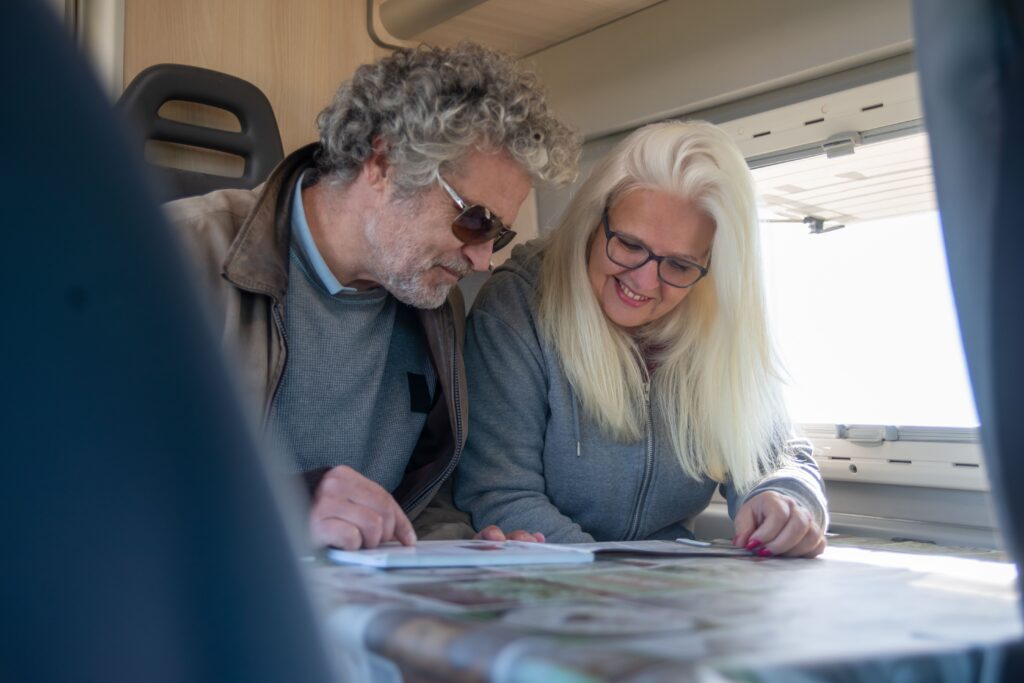
One assumption many people make is that grey nomads are permanently on the road. Some certainly are, but the majority follow much more flexible patterns.
Many travel for three to six months each year before returning home for family events or seasonal weather. Others spend nearly the entire year travelling while keeping a small house as a permanent base. A growing number have sold their homes altogether and now consider their caravan their primary residence.
That flexibility is one of the movement’s greatest attractions. There are no rules saying someone must commit permanently. Many retirees begin with a two-month trip, discover they love the lifestyle and gradually extend future journeys. Others realise after several months that they miss having a permanent community and return home perfectly happy with seasonal travel instead.
In other words, how long do grey nomads travel depends much less on money than on personal preference. Retirement removes time limits that most working adults simply don’t have, allowing people to decide their own pace instead of following fixed holiday schedules.
How Much Money Do Grey Nomads Need?
One of the biggest misconceptions is that becoming a grey nomad requires a very large retirement fund. That probably comes from seeing expensive motorhomes advertised for well over AUD 200,000, but those luxury vehicles represent only a small part of the community. Many people begin with second-hand caravans, reliable tow vehicles and a realistic budget that looks surprisingly modest compared to maintaining a large house.
So how much does it cost to become a grey nomad? The honest answer depends on two completely different costs: getting started and living on the road.
The initial investment usually includes the caravan or motorhome, the vehicle if one is needed, insurance, registration, camping equipment and various accessories. Buying everything brand new can become extremely expensive, but many experienced travellers recommend purchasing a well-maintained used caravan instead. That approach often saves tens of thousands of dollars without sacrificing comfort.
Once the journey begins, monthly spending becomes much more predictable. Fuel is usually the biggest variable because someone driving 3,000 kilometres every month obviously spends much more than someone staying beside the same beach for several weeks. Accommodation also varies depending on whether travellers stay in caravan parks every night or combine them with free camping areas where permitted.
A typical monthly budget often includes:
| Expense | Approximate Monthly Cost (AUD) |
|---|---|
| Caravan parks | $600–1,200 |
| Fuel | $300–900 |
| Groceries | $500–900 |
| Insurance & maintenance | $150–400 |
| Phone & internet | $60–150 |
| Activities & eating out | $200–600 |
Many couples discover that their overall expenses remain surprisingly close to what they previously spent living at home. They simply spend money differently. Mortgage payments disappear for those who have already paid off their homes, while fuel and campsite fees replace council taxes, household maintenance and many everyday housing costs.
Is It Cheaper Than Traditional Retirement?
This is probably the question that generates the strongest opinions.
Is grey nomad life cheaper than retirement? Sometimes yes, sometimes no.
If someone sells a fully paid-off house and spends every night in premium caravan resorts, constantly drives long distances and treats every stop like a holiday, they may easily spend more than living in one place. On the other hand, retirees who travel slowly, use affordable campsites, prepare most of their own meals and avoid unnecessary driving often discover that the lifestyle costs remarkably little.
The biggest financial advantage isn’t necessarily spending less every month. It’s gaining much more value from the same money. Instead of paying to maintain a house they barely use, many grey nomads spend those funds exploring national parks, meeting new people and experiencing places they always planned to visit “one day.”
That difference becomes especially interesting when compared with retirees considering overseas relocation. Many people weigh caravan life against moving abroad because both promise lower living costs and greater freedom after leaving full-time work. If that comparison interests you, it’s also worth looking at countries where retirement savings can stretch much further, since international relocation has become another increasingly popular alternative to traditional retirement.
Biggest Advantages
Whenever you ask experienced grey nomads why they chose this lifestyle, their answers sound remarkably similar. Very few begin by talking about money. Instead, they describe waking up beside a different beach, deciding their own schedule and finally having enough time to enjoy places they previously rushed through during short holidays.
Freedom consistently appears first. After decades of fixed routines, commuting and calendars controlled by employers, simply deciding whether to stay another week in a beautiful location feels surprisingly meaningful. That freedom also removes much of the pressure associated with ordinary tourism. There is no need to visit five attractions before sunset because tomorrow is available too.
Another major advantage is community. The grey nomad community Australia has developed into something much larger than occasional conversations between campers. Caravan parks often become temporary neighbourhoods where people exchange travel advice, recommend scenic routes and help each other with vehicle repairs. Many travellers meet the same people repeatedly as they follow similar seasonal routes around the country, gradually building friendships despite constantly moving.
Health benefits appear frequently as well. Walking more, spending time outdoors, reducing stress and remaining mentally active through continuous learning all contribute to why many retirees describe themselves as feeling younger after embracing life on the road.
Biggest Challenges
Of course, the lifestyle isn’t perfect, and pretending otherwise would make this article no more useful than the overly romantic travel blogs that ignore reality.
Mechanical problems eventually happen. Even reliable caravans require maintenance, tyres wear out, engines break down and unexpected repairs sometimes interrupt carefully planned journeys. Anyone considering full-time travel needs an emergency fund because breakdowns are an unavoidable part of spending thousands of kilometres on Australian roads.
Healthcare also requires planning. While Australia’s medical system is excellent, constantly changing locations means organising prescriptions, specialist appointments and routine healthcare differently from someone living permanently in one town.
Weather creates another challenge. Following pleasant temperatures sounds simple until floods close highways, bushfires affect entire regions or cyclones disrupt travel plans. Experienced grey nomads constantly adjust their routes according to changing conditions rather than following rigid itineraries.
Finally, there’s family. Many retirees discover that spending months away from children and grandchildren feels easier in theory than in practice. Modern technology certainly helps through video calls, but birthdays, school events and everyday moments are impossible to experience from several thousand kilometres away.
Can Younger People Become Grey Nomads?
Technically, yes—but they usually aren’t called grey nomads.
One question appears surprisingly often: can anyone become a grey nomad? If we focus purely on the lifestyle, absolutely. Anyone can choose long-term road travel if their finances, work and personal circumstances allow it.
The term itself, however, traditionally refers to older travellers who have reached retirement or semi-retirement. A thirty-year-old software developer travelling Australia in a campervan is usually described as a digital nomad or long-term traveller rather than a grey nomad, even if their daily routine looks surprisingly similar.
Interestingly, the gap between the two groups has begun narrowing. More younger Australians are experimenting with van life while working remotely, and more retirees are learning to use technology that allows them to stay connected while travelling. The result is that caravan parks increasingly contain people from completely different generations who share remarkably similar ideas about freedom, minimalism and choosing experiences over possessions.
Is This Lifestyle Growing?
Everything suggests that the answer is yes.
Australia’s population is ageing rapidly. According to the Australian Bureau of Statistics (ABS), people aged 65 and over now represent a significantly larger share of the population than they did twenty years ago, and that percentage is expected to continue increasing over the coming decades. At the same time, improvements in healthcare mean many retirees remain healthy enough to drive long distances, hike, cycle and enjoy active travel well into their seventies.
The caravan industry reflects the same trend. The Caravan Industry Association of Australia has reported steady growth in caravan registrations, motorhome ownership and domestic caravan tourism, while camping holidays have become one of the country’s most popular forms of travel. Some of that growth accelerated during the COVID-19 pandemic, when international travel became difficult and Australians rediscovered their own country. What many people initially viewed as a temporary solution gradually became a permanent lifestyle.
Another reason the movement continues expanding is changing attitudes toward retirement itself. Previous generations often saw retirement as a period of slowing down. Today’s retirees increasingly see it as the first opportunity to finally use the freedom they spent decades earning. Instead of asking, “Where should we settle?” many now ask, “Where should we go next?”
Interestingly, similar ideas are beginning to appear outside Australia. Full-time RV communities continue growing across North America, while Europe has seen increasing numbers of retirees travelling seasonally between countries with warmer climates. Although they may not describe themselves as grey nomads, they’re making remarkably similar lifestyle choices.
At the same time, digital nomadism has made long-term travel seem far more normal than it once did. Twenty years ago, spending months away from home sounded unusual regardless of age. Today millions of younger people already work remotely while travelling, and that cultural shift has probably made retirement travel feel much more achievable as well. It’s no coincidence that discussions about location-independent lifestyles now include people in their twenties and people in their seventies.
After researching who are grey nomads, what surprised me most wasn’t the caravans or the endless Australian highways. It was the mindset behind the movement. These aren’t people trying to escape retirement. They’re trying to make the most of it.
The lifestyle certainly isn’t for everyone. Some retirees genuinely enjoy staying close to family, maintaining a permanent home and building routines around their local community. Others discover that life becomes far more exciting once the calendar is no longer dictated by work. Neither choice is better. They’re simply different ways of using the same freedom.
Perhaps that’s why the comparison with digital nomads feels so interesting. On paper they belong to completely different generations and often travel for completely different reasons. One group is usually still building a career, while the other has already finished theirs. Yet both have reached the same conclusion: life feels richer when you have the freedom to decide where tomorrow begins.
Digital nomads travel because work allows them to. Grey nomads travel because life finally does. Despite their differences, both groups are searching for the same thing: more freedom and fewer routines.
FAQ
Who are grey nomads?
Grey nomads are usually retired or semi-retired people who travel for extended periods in caravans, campervans or motorhomes instead of staying permanently in one place.
What is a grey nomad in Australia?
A grey nomad in Australia is typically an older traveller who spends months exploring the country by road after retirement, often following warmer weather throughout the year.
Why are they called grey nomads?
The word “grey” refers to their age, while “nomads” describes their mobile lifestyle and constant travel rather than living in one permanent location.
Are grey nomads retired?
Most are retired or semi-retired, although some continue working part-time or manage small businesses while travelling.
How do grey nomads travel?
Most travel using caravans, campervans, motorhomes or four-wheel drives towing caravans. Many spend weeks in one location before moving on.
How much does it cost to become a grey nomad?
Startup costs vary depending on the vehicle you choose, but many retirees begin with a second-hand caravan. Ongoing monthly expenses often depend on fuel, campsite fees, groceries and travel pace rather than luxury accommodation.
Can anyone become a grey nomad?
Yes. Although the term usually refers to retirees, anyone who enjoys long-term road travel can adopt a similar lifestyle. Younger travellers are simply more likely to be described as digital nomads or full-time van lifers.
What are the best caravan routes for grey nomads?
Popular routes include Australia’s Big Lap, the east coast between Melbourne and Cairns, Western Australia’s Coral Coast and Tasmania during the warmer months.
Is grey nomad life cheaper than retirement?
It can be, especially for retirees who own their caravan, travel slowly and avoid expensive caravan parks every night. Others may spend more if they travel constantly or choose premium facilities.
Grey nomads vs digital nomads: what’s the biggest difference?
Digital nomads travel while working remotely, whereas grey nomads usually travel after retirement using pensions or retirement savings. Both value freedom and flexible lifestyles, but one group is still working while the other has largely left the workforce behind.
This article combines independent editorial research, discussions from the Australian grey nomad community, and publicly available demographic and travel industry data to explain why more retirees are choosing life on the road.
Research sources included:
- Community discussions and first-hand experiences shared by grey nomads and long-term travellers on Reddit.
- Healthy ageing, life expectancy and demographic information published by the World Health Organization (WHO).
- Population ageing and retirement statistics published by the Australian Bureau of Statistics (ABS).
- Industry reports and caravan tourism data published by the Caravan Industry Association of Australia.
The aim is to explain how the grey nomad lifestyle actually works, why it has become increasingly popular among retirees, and how it compares with other forms of long-term travel through practical examples, reliable data and real-world experiences.

Written by
Anna
Founder of The City Theory — writing about digital nomad lifestyle, modern city culture, remote work, travel experiences, psychology, and human behavior around the world.