Is Addis Ababa Safe for Expats? My Honest Experience in Ethiopia
Is Addis Ababa safe for expats? That was one of the first questions I found myself asking before moving to Ethiopia. The more I researched the city, the more confused I became. Some people described Addis Ababa as a rapidly developing African capital full of modern cafés, business districts, and international organisations. Others painted a much darker picture, focusing on poverty, infrastructure problems, and safety concerns. The further I dug, the harder it became to understand what everyday life in the city was actually like.
Some people described Addis Ababa as a dangerous city full of scams and crime. Others talked about modern cafés, luxury apartments, and one of Africa’s most important business hubs. As the headquarters of the African Union, the city plays a central role in regional diplomacy and attracts diplomats, international organisations, and business professionals from across the continent. After spending time there myself, I realised that both perspectives contain some truth.
Addis Ababa is a city of enormous contrasts. It can feel surprisingly modern in one neighbourhood and completely different just a few kilometres away. It can feel welcoming and overwhelming on the same day. It is not the easiest place for foreigners, but it is certainly not the frightening destination that some online discussions make it out to be.
My First Impression of Addis Ababa
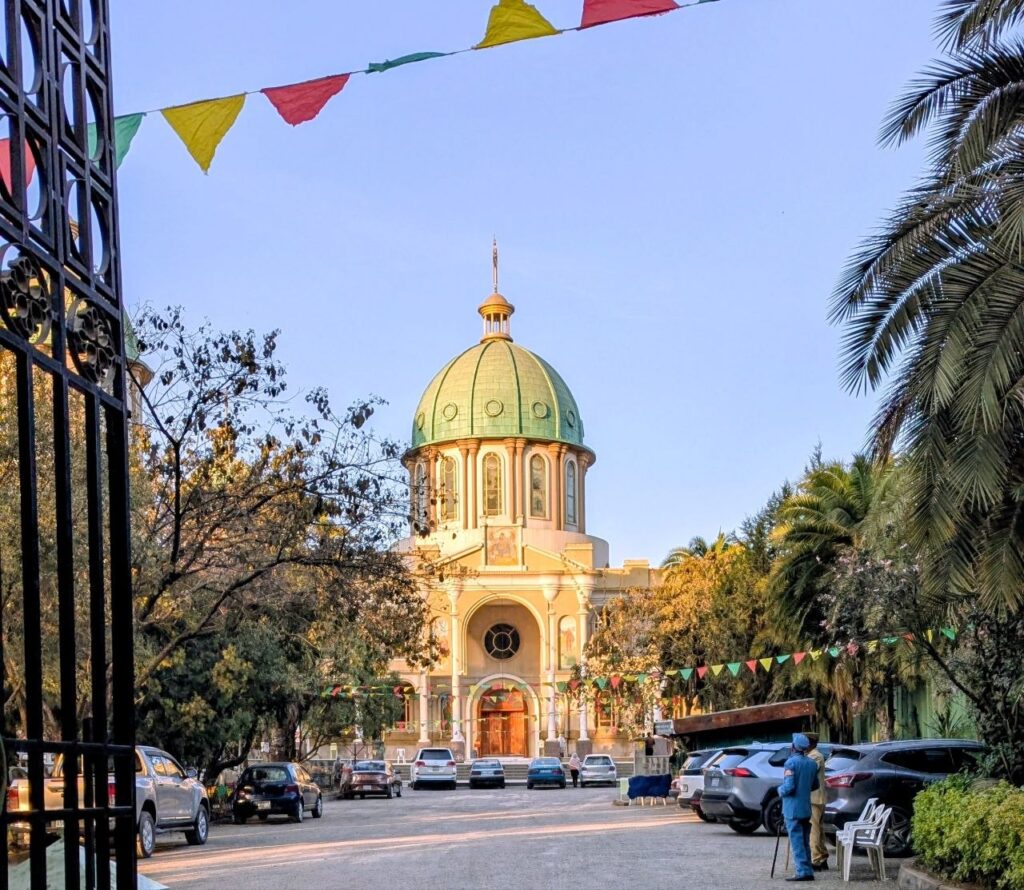
When we first arrived in Addis Ababa, I was honestly a little shocked.
The first thing I noticed was the condition of many roads and the state of public transport. Coming from Europe, I wasn’t prepared for how chaotic parts of the city would initially feel. Traffic seemed to follow its own rules. Public buses looked crowded. The overall infrastructure felt rougher than what I was used to.
Another thing that immediately caught my attention was how often people approached us asking for money. It wasn’t an occasional experience. In some areas, it felt like somebody was constantly trying to get your attention. For someone arriving from Europe, this can feel uncomfortable at first because poverty is much more visible than in many Western cities.
I remember thinking during my first few days that perhaps I had completely misunderstood what life in Addis Ababa would be like.
But then something interesting happened.
The more time I spent exploring the city, the more my opinion began to change.
The Modern Side of Addis That Nobody Talks About
What surprised me most was the city centre.
Many people outside Africa imagine African capitals as underdeveloped and chaotic. Addis certainly has challenges, but parts of the city felt far more modern than I expected.
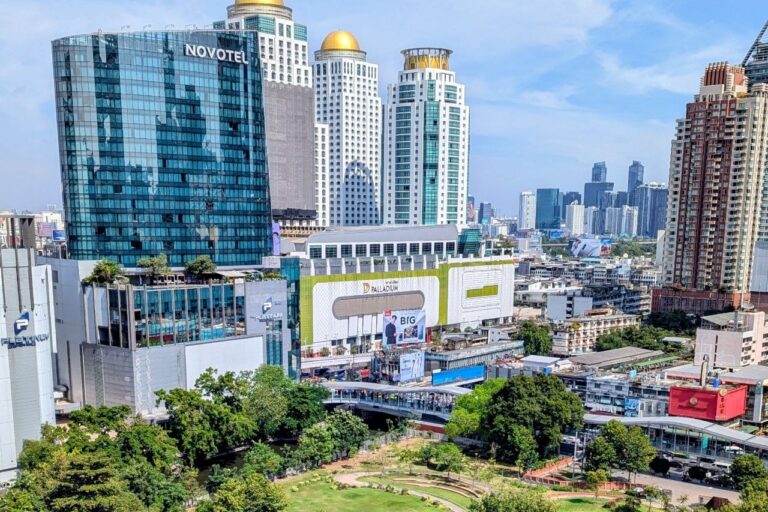
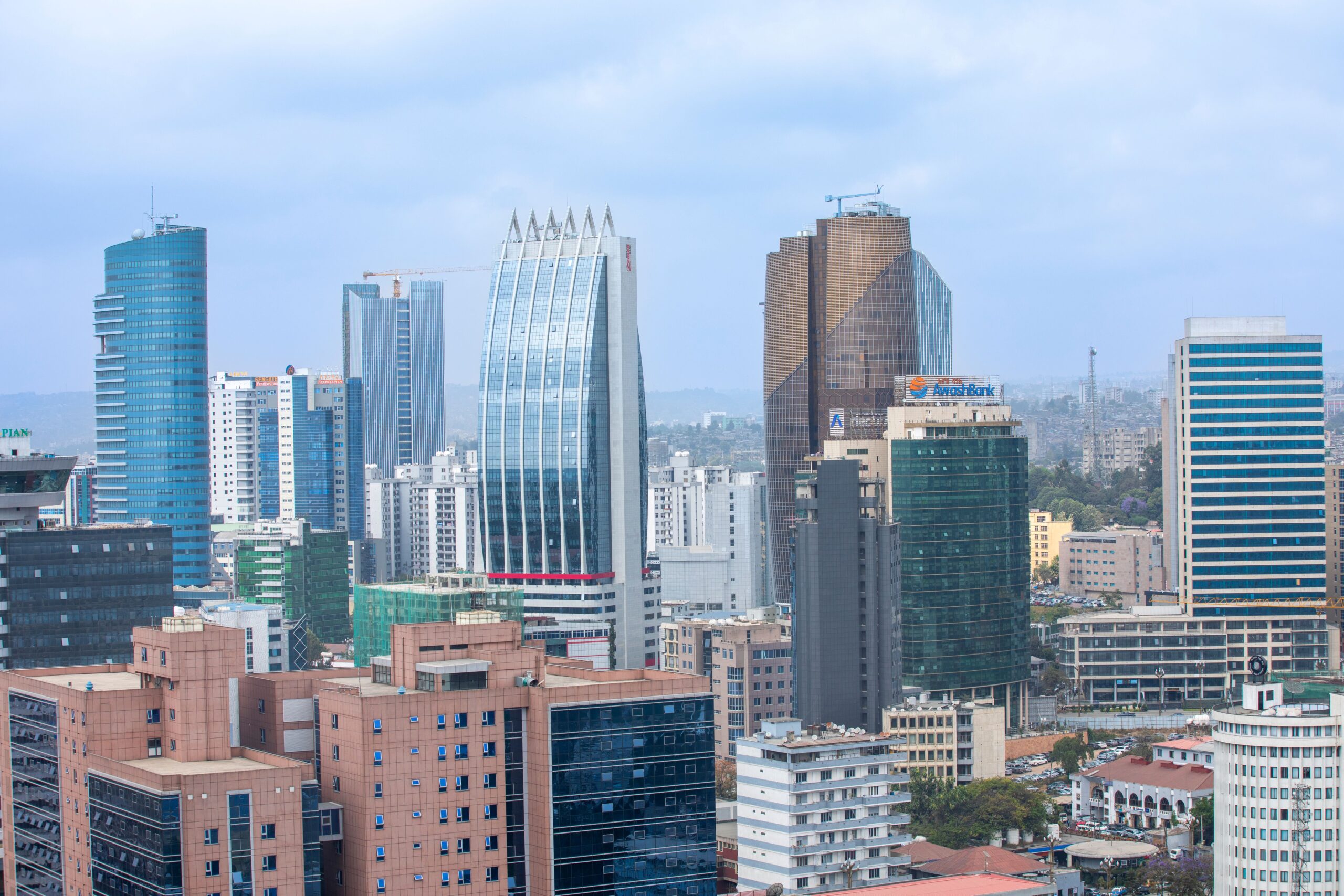
Areas around Bole Road, also known as Africa Avenue, looked completely different from the image I had in my head before arriving. New apartment buildings, business centres, international hotels, stylish cafés, restaurants, coworking spaces, and shopping centres have transformed parts of the city over the last decade.
The Ethiopian government continues investing heavily in urban development projects. New parks, roads, public spaces, and commercial buildings are constantly appearing. Walking through some of the newly developed areas, I occasionally had moments where it genuinely felt like I was no longer in Africa at all.
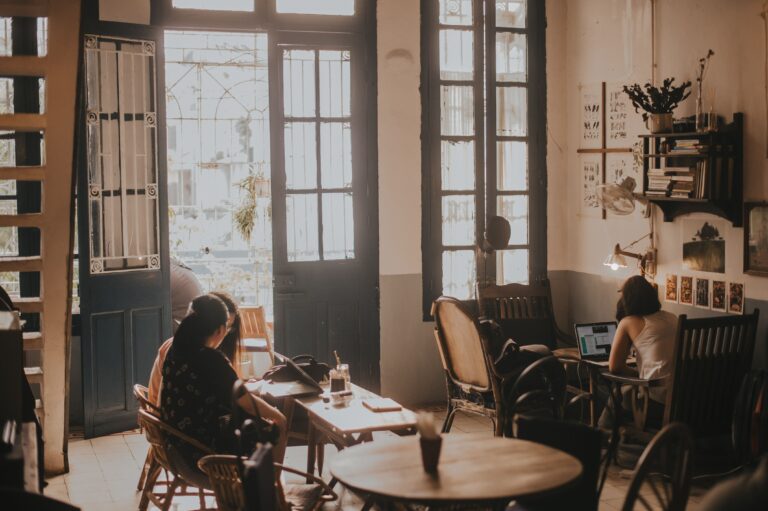
For remote workers and entrepreneurs, this part of the city is particularly attractive. There are plenty of cafés where people work on laptops, modern coworking spaces, and an atmosphere that feels surprisingly international.
This was probably the biggest surprise of my entire stay.
The Huge Contrast Between Central Addis and the Rest of Ethiopia
At the same time, Addis Ababa taught me something important about Ethiopia.
The country is full of contrasts.
While the city centre continues to modernise, the picture changes dramatically once you leave central districts.
Outside the city, I encountered areas where roads became rough, infrastructure became less reliable, and access to services that many people take for granted in Europe was far less consistent. I saw this contrast particularly clearly during my trip from Addis Ababa to Wenchi Crater Lake, where the journey took us away from the modern capital and into rural highland landscapes, small villages and roads that were sometimes extremely rough.
At the same time, travelling outside Addis showed me a side of Ethiopia that I would never have understood by staying only in the capital. The countryside around Wenchi was incredibly green and mountainous, and in some places looked completely different from the image of Ethiopia I had before visiting the country.
This contrast between modern and developing Ethiopia is impossible to ignore.
It is also the reason why I usually give the same advice to anyone considering living in Addis Ababa as an expat.
Spend your first months in the city centre.
Learn the city.
Understand how things work.
Then decide how far outside your comfort zone you want to go.
Where Do Expats Live in Addis Ababa?
One of the most common questions people ask is: where do expats live in Addis Ababa?
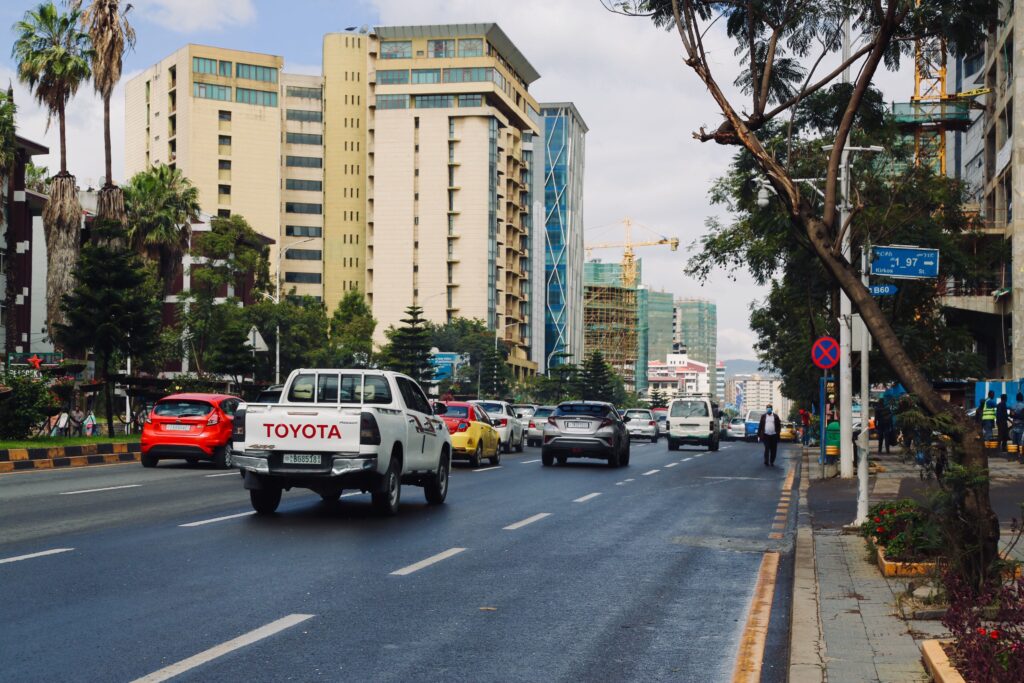
Where Do Expats Live in Addis Ababa:
📍 Bole
📍 Bole Medhanealem
📍 Kazanchis
📍 Meskel Square area
There are several reasons for this.
During my first weeks in Addis Ababa, I spent a lot of time in hotels around Bole, which reminded me why some travellers even consider living in a hotel full time as an alternative to renting an apartment abroad. At the end we decided to live for a while in Cassiopeia Hotel which was pretty cheap and good as for a few weeks stay. It also has a lot of co-working spaces where nobody can disturb you.
These neighbourhoods have better infrastructure, modern apartment buildings, international restaurants, cafés, gyms, supermarkets, and easier access to services that foreigners often need.
This is also where most diplomats, NGO workers, journalists, international consultants, airline staff, and business professionals tend to live.
If you’re moving to Ethiopia for the first time, especially as a woman, I honestly wouldn’t recommend starting anywhere else. Central districts offer better infrastructure, easier access to services, and a more established international community, all of which can make the transition significantly smoother for newcomers. According to research by UN Women, access to safe public spaces and reliable urban infrastructure plays an important role in how women experience and navigate unfamiliar cities.
The city centre simply feels easier, more comfortable, and more predictable than many outer districts.
Although Ethiopia is not usually mentioned alongside traditional nomad hubs, it raises an interesting question about how emerging destinations compare with countries offering official digital nomad visas.

Is Addis Ababa Safe for Foreigners?
This is probably the biggest question.
Based on my personal experience, I would say yes.
However, the answer requires context.
When people ask if Addis Ababa is safe, they often imagine violent crime. Interestingly, that wasn’t what most expats seemed worried about.
The Concerns I Heard Most Often:
• Pickpocketing
• Phone theft
• Bag snatching
• Scams
• People overcharging foreigners
In that sense, Addis feels similar to many large cities around the world.
I never felt that people were openly hostile towards foreigners. Quite the opposite. Most people were friendly, curious, and welcoming.
At the same time, foreigners stand out.
As a white woman, it is impossible to blend in completely. People notice you. Some assume you have money. Some want to talk to you. Others may try to sell you something.
This doesn’t automatically make the city dangerous, but it does mean you should stay aware of your surroundings.
I wouldn’t recommend walking through unfamiliar areas late at night.
I wouldn’t leave my phone sitting openly on a café table.
But honestly, I wouldn’t do those things in many major cities around the world either.
What Was It Like Going Out at Night?
Before arriving, I expected nightlife to be one of my biggest concerns.
The reality was very different.
As women, we regularly went out to bars, restaurants, and lounges in the evenings. Sometimes we stayed out quite late.
To my surprise, we never experienced serious problems.
Nobody followed us.
Nobody harassed us.
Nobody made us feel unsafe.
In fact, some of the friendliest interactions I had in Addis happened in restaurants, cafés, and nightlife venues.
Of course, every person’s experience is different, and I would never claim that harassment doesn’t exist. But my own experience was far more positive than I expected after reading some online discussions before arriving.
Popular places where both expats and locals spend time include Password Lounge, Midtown Lounge, Black Pearl, Fendika, Yod Abyssinia, and Africa Jazz Village.
These venues helped me understand that Addis has a social side that many outsiders never see.
The Funny Thing Nobody Warned Me About
One of the biggest culture shocks had absolutely nothing to do with safety.
Toilet paper.
I genuinely wasn’t expecting this.
After a few days, I realised that many restaurants simply didn’t provide toilet paper.
At first, it seemed strange.
Eventually, we started carrying our own toilet paper in our handbags everywhere we went.
It quickly became normal.
Looking back, it is one of those small details that sounds funny now but perfectly illustrates the reality of adapting to life in another country. Sometimes the biggest adjustments aren’t the dramatic things people talk about online. They’re the little everyday habits that slowly become part of your routine.
Cost of Living in Addis Ababa for Expats
Another question I often see is about the cost of living in Addis Ababa for expats. One of the biggest surprises for many foreigners is that Addis can feel both affordable and expensive at the same time.
The average local salary in Ethiopia is estimated at around $150–$300 per month, although incomes vary significantly depending on profession and location. Many office workers earn less than what most Western expats spend on rent alone.
Housing is usually the biggest expense. A modern one-bedroom apartment in popular expat neighbourhoods such as Bole, Bole Medhanealem, or Kazanchis typically costs between $500 and $1,200 per month, while larger furnished apartments can easily exceed $1,500–$2,000 per month. Outside the expat districts, rental prices can be considerably lower.
Food costs depend heavily on your lifestyle. Eating local Ethiopian food is surprisingly affordable. A meal in a local restaurant may cost only $3–$8, while a dinner at an international restaurant often costs $15–$30 per person. Imported groceries can be expensive, but local produce remains relatively affordable. A single person shopping mostly for local products can spend approximately $150–$250 per month on groceries, while someone regularly buying imported items may spend $300–$500+ per month.
Transportation is one of the cheaper parts of expat life in Addis Ababa Ethiopia. Most rides through apps such as Ride or Feres usually cost between $2 and $8, depending on distance and traffic. Monthly transportation expenses for many expats stay below $100–$150.
Internet and mobile data are relatively affordable by international standards. Home internet and mobile packages generally range between $15 and $50 per month, although reliability can vary depending on the neighbourhood.
Overall, a budget-conscious expat can live reasonably comfortably on around $1,000–$1,500 per month, while those seeking modern apartments, imported products, frequent dining out, and a more international lifestyle often spend $2,000–$3,500+ per month.
For budget-conscious foreigners, the city can be surprisingly affordable compared to many popular expat destinations. In fact, some remote workers even explore whether they can live abroad on $1000 a month as a remote worker while staying in developing countries with lower living costs.
The interesting thing about Addis Ababa is that daily life can be surprisingly affordable if you embrace local options, but trying to recreate a Western lifestyle comes with a much higher price tag.
Is Ethiopia Safe for Westerners?
This is a broader question than simply asking whether Addis Ababa is safe.
Based on my experience, Ethiopia is generally welcoming towards foreigners. However, it is important to understand that Addis Ababa and the rest of the country can feel very different.
The capital is modern, international, and relatively easy to navigate.
Outside the capital, infrastructure becomes more limited and cultural differences become more noticeable.
For first-time visitors, Addis is by far the easiest introduction to Ethiopia.
What Is It Like to Live in Addis Ababa?
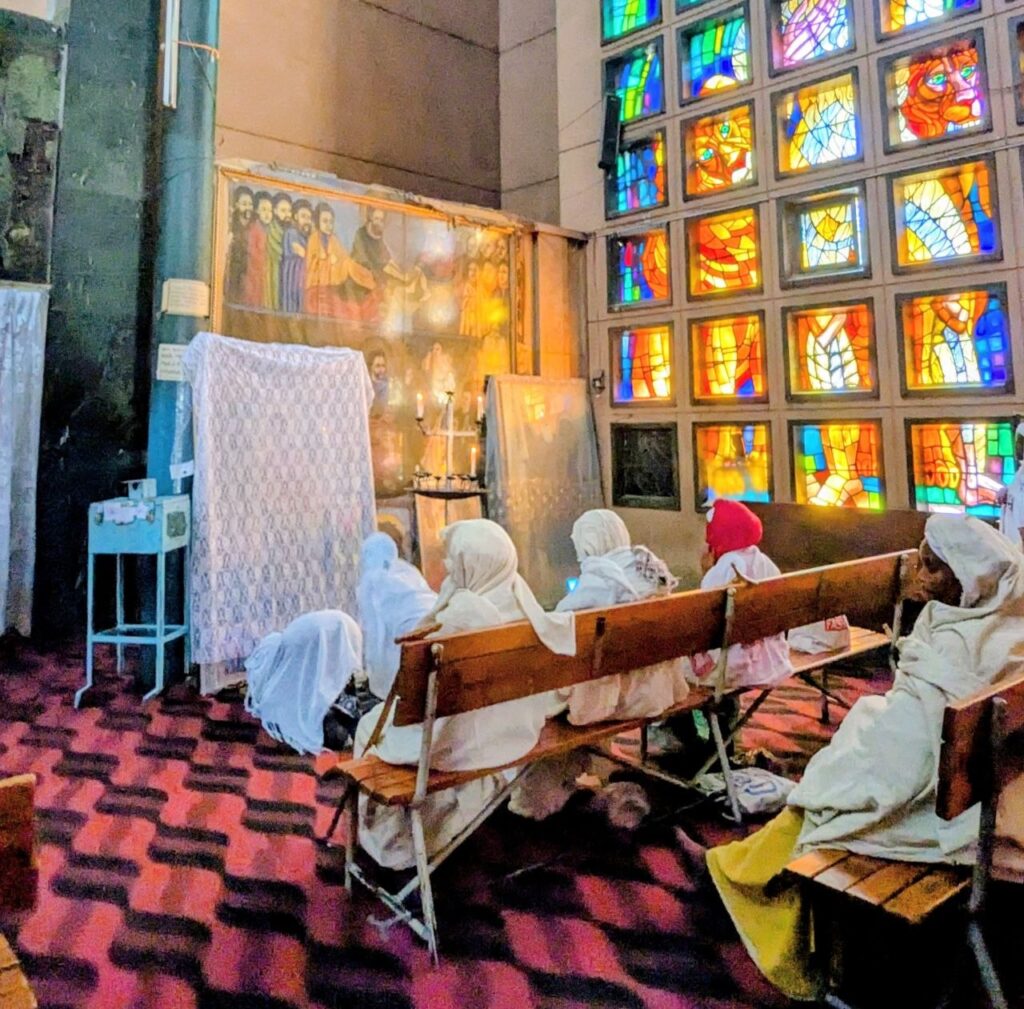
When people ask me now, what is it like to live in Addis Ababa?, I usually tell them that the city constantly challenges your assumptions.
It is more developed than many people expect.
It is less polished than many expats are used to.
It can be frustrating.
It can be fascinating.
Sometimes it can be both within the same hour.
The visible poverty, infrastructure challenges, and cultural differences are real. But so are the modern cafés, growing business districts, welcoming people, excellent coffee culture, and surprisingly vibrant international community.
So, is Addis Ababa safe for expats?
Based on my own experience, yes.
Not because nothing ever happens. Not because crime doesn’t exist. But because the city felt far friendlier, more welcoming, and more manageable than I expected before arriving.
For expats willing to arrive with realistic expectations and an open mind, Addis Ababa can be one of the most surprising and rewarding cities in Africa.
FAQ
Is Addis Ababa safe for expats?
Yes, Addis Ababa is generally considered safe for expats who use common sense precautions. Most foreigners report that the biggest concerns are pickpocketing, scams, and petty theft rather than violent crime. Staying in central neighbourhoods such as Bole and Kazanchis can help make daily life more comfortable.
Is Addis Ababa safe for foreigners?
Most foreigners find Addis Ababa relatively safe during the day, especially in business and expat districts. Like any major city, it is important to remain aware of your surroundings, avoid displaying valuables, and use ride-hailing apps when travelling at night.
What is it like to live in Addis Ababa?
Living in Addis Ababa can be both rewarding and challenging. The city offers modern cafés, coworking spaces, international restaurants, and a growing business scene, while also presenting infrastructure challenges such as traffic, occasional power outages, and visible poverty.
Where do expats live in Addis Ababa?
Most expats choose to live in Bole, Bole Medhanealem, Kazanchis, and around Meskel Square. These areas offer modern apartments, better infrastructure, international restaurants, supermarkets, and easier access to services.
Is Ethiopia safe for westerners?
Many Western expats, diplomats, and NGO workers live in Ethiopia without major problems. Addis Ababa is generally the easiest and safest place for foreigners to live, although conditions can vary significantly outside the capital.
How much does it cost to live in Addis Ababa as an expat?
The cost of living in Addis Ababa depends on lifestyle. Budget-conscious expats can live comfortably on around $1,000–$1,500 per month, while those renting modern apartments and enjoying a more international lifestyle may spend $2,000–$3,500 or more each month.
Can you work remotely from Addis Ababa?
Yes, many digital nomads and remote workers successfully work from Addis Ababa. The city has coworking spaces, cafés with Wi-Fi, mobile internet, and fibre connections in some areas, although internet reliability can vary depending on the neighbourhood.
Is Addis Ababa good for digital nomads?
Addis Ababa can be an interesting destination for digital nomads who want a less crowded alternative to traditional hubs. The city offers affordable local services, excellent coffee culture, and a unique cultural experience, although infrastructure is not as developed as in popular nomad destinations like Bangkok or Bali.
Can women live safely in Addis Ababa?
Many female expats live and work in Addis Ababa safely. Choosing central neighbourhoods, using ride-hailing apps at night, and following basic safety precautions can help reduce risks. Experiences vary, but many women report feeling comfortable in the city’s main expat areas.
What are the biggest challenges of expat life in Addis Ababa?
The most common challenges include traffic congestion, occasional power or water interruptions, internet reliability, visible poverty, and adjusting to a different pace of life. However, many expats find that the city’s friendly people and unique culture outweigh these difficulties.
Explore the Expat Life Hub
Discover more practical guides about moving abroad, finding the right neighbourhood, adapting to a new country and building a life as an expat around the world.
Explore the Expat Life Hub →This article combines personal experience, independent editorial research, and observations gathered while living and travelling in Ethiopia, with a particular focus on everyday life in Addis Ababa from an expat perspective.
Research sources included:
- My own first-hand experience living in and exploring Addis Ababa as a foreign visitor.
- Community discussions and personal experiences shared by expats, travellers, digital nomads, and local residents on Reddit.
- Research and reports published by UN Women relating to urban safety, public spaces, and women’s experiences in cities.
- Background information about Addis Ababa’s role as a diplomatic and economic centre from the African Union.
- Independent editorial research into expat life, cost of living, housing, infrastructure, safety, and everyday life in Ethiopia.
The goal is to provide a realistic and balanced perspective on living in Addis Ababa as an expat, including safety, neighbourhoods, cost of living, infrastructure, culture, and the challenges and rewards of adapting to life in Ethiopia’s capital city.

Founder & Editor
Founder of The City Theory, writing about digital nomad lifestyle, modern city culture, remote work, travel experiences, psychology and human behaviour around the world.