Living in a Hotel Full Time: Freedom, Luxury, or a Very Expensive Trap?
Living in a hotel full time sounds like a dream for many people. No utility bills, no maintenance, no furniture shopping, and no cleaning. Instead, you wake up in freshly made sheets, enjoy hotel amenities, and let somebody else handle the everyday responsibilities of life.
At least that is the fantasy.
After reading dozens of real-life stories from people who chose to live in a hotel full time, and after spending several months living in hotels myself in both Turkey and Dubai, I discovered that the reality is much more complicated. Many of these individuals were remote workers, freelancers, or people embracing a more flexible lifestyle similar to those learning how to become a digital nomad with no experience. Hotel living can feel liberating at first, but over time many people begin to experience the same challenges: lack of space, repetitive routines, limited privacy, and the surprising desire to simply have a kitchen of their own.
The question is not only can you live in a hotel full time, because the answer is clearly yes. The more interesting question is whether you would actually want to.
Can You Live in a Hotel Full Time?
One of the most common questions people ask is: can you live in a hotel full time?
The simple answer is yes.
In fact, thousands of people around the world are already doing it. Some are remote workers, consultants, and digital nomads. Others are retirees, people relocating to a new city, or individuals who cannot qualify for traditional housing despite having enough income to pay for it.
Historically, famous figures such as Coco Chanel and Nikola Tesla spent years living in hotels. Today, some luxury hotels even offer residential units designed specifically for people interested in living in a hotel permanently.
However, there is a major difference between staying in a hotel for a week and making it your actual home.
Living in a Hotel Instead of Renting: My Personal Experience
I can understand both sides of this debate because I have personally experienced living in a hotel instead of renting an apartment.
The first time was in Alanya, Turkey, where I spent four months living in an all-inclusive resort during peak tourist season.
At first, it felt incredible.
Food was available all day. My room was cleaned regularly. I had no utility bills, no maintenance issues, and no household responsibilities. For a while, it felt like I had discovered a secret shortcut to an easier lifestyle.
But eventually the drawbacks started to appear.
The hotel was packed with tourists. Every week new people arrived while others left. There was constant movement and noise. Housekeeping often appeared at inconvenient times, including moments when I wanted to relax or work in peace.
The food also became a problem.
When you stay in an all-inclusive hotel for one week, the buffet feels endless. When you stay for four months, you begin noticing how often the same dishes return. Eventually I became tired of the food despite having dozens of choices every day. Because meals and snacks were always available, I also started gaining weight without fully realizing it.
My second experience was in Dubai.
I stayed in a large hotel room that felt almost like a one-bedroom apartment. Because it was summer and therefore low season, the hotel was much quieter. Fewer tourists, less noise, and more privacy made daily life significantly more comfortable.
Ironically, despite breakfast being included, I often slept through it.
Over time, however, another issue emerged.
I desperately missed having a kitchen.
Ordering food sounds convenient at first. Then one day you simply want to cook eggs for yourself. You want to prepare dinner exactly how you like it. You want groceries in your refrigerator rather than relying on room service or delivery apps.
That was the moment I realized that convenience and comfort are not always the same thing.
As a woman, I also discovered something that many people overlook when discussing living in a hotel full time.
Storage becomes a constant problem.
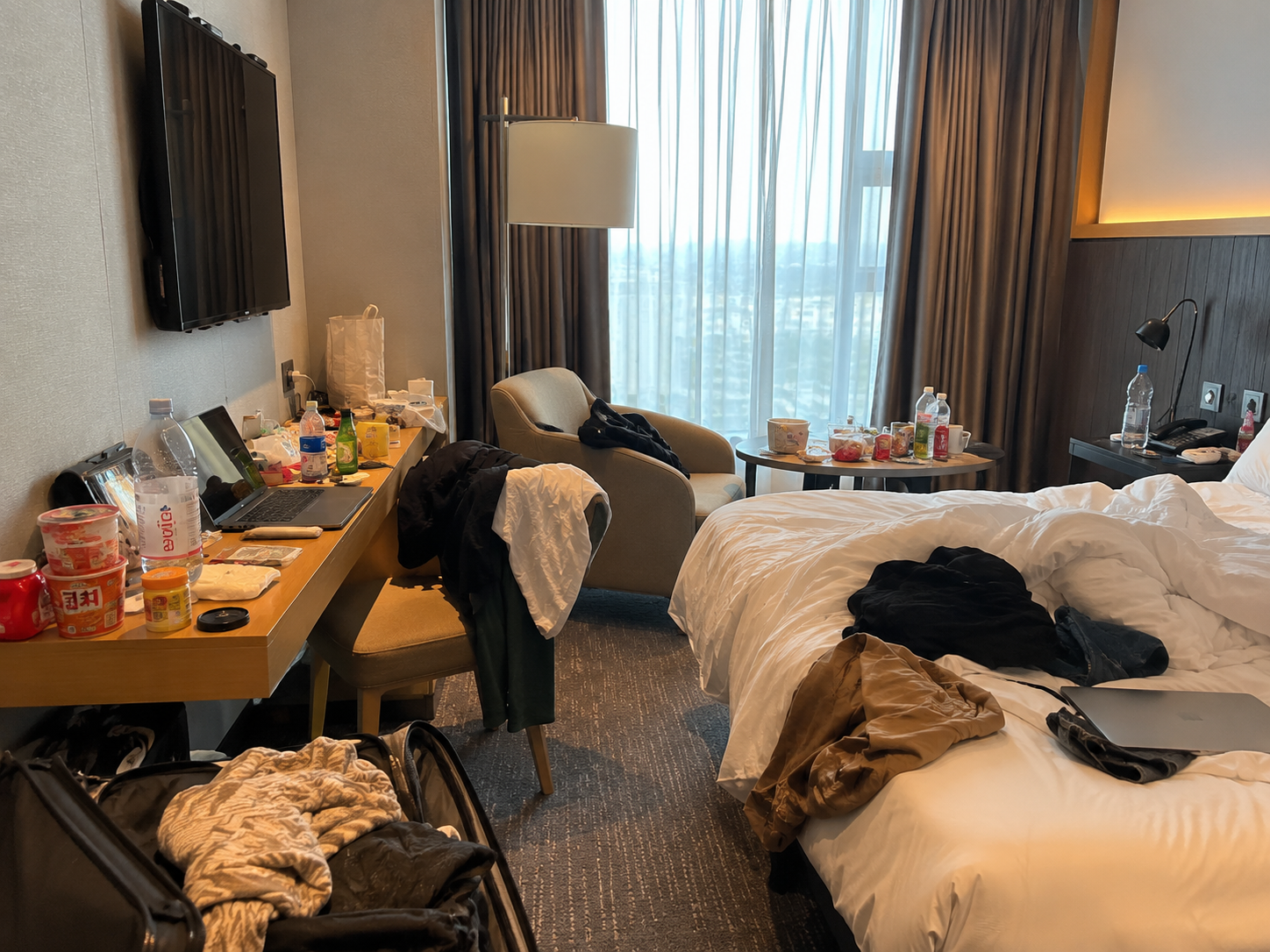
Hotel rooms are designed for travellers with suitcases, not for people who own a real wardrobe, skincare products, work equipment, books, shoes, and all the small belongings that naturally accumulate in everyday life.
No matter how nice the room was, I constantly felt limited by the lack of storage space.
The Cost of Living in a Hotel Full Time
One of the biggest surprises for many people is the cost of living in a hotel full time.
In my own experience, the numbers were closer to apartment rental costs than most people would expect.
In Turkey, my all-inclusive hotel cost approximately $600 per month.
In Dubai, my hotel cost around $1,500 per month.
However, both experiences happened during the off-season, when hotels significantly reduced their prices.
During peak tourist periods, the exact same rooms would have cost dramatically more.
This is why the cost of living in a hotel full time can vary enormously depending on the location, season, and length of stay. While some people negotiate monthly rates that compete with apartment rents, others find themselves paying far more than traditional housing would cost, particularly in cities facing housing affordability challenges.
Living in a Hotel Permanently: The Challenges Nobody Talks About
One pattern appeared repeatedly in both my own experience and the experiences shared by long-term hotel residents.
The first month feels exciting.
The second month feels comfortable.
The third month begins feeling repetitive.
The same hallways.
The same elevators.
The same breakfast.
The same room.
The same view.
Hotels are designed around temporary stays. Everything about them assumes you will eventually leave. When you don’t, the environment can begin to feel strangely frozen in time. Frequent travellers who spend months moving between hotels often become interested in loyalty programs and airline upgrade tips that can make constant travel more comfortable and affordable.
One former hotel resident described long-term hotel living as “a fancy prison cell.”
That description sounds dramatic until you experience it yourself.
The room does not physically get smaller.
But somehow it starts feeling smaller.
Living in a Hotel Tips From Long-Term Residents
After reading dozens of stories and experiencing hotel life myself, several living in a hotel tips appeared again and again:
Practical Tips for Long-Term Hotel Living:
• Choose an extended-stay hotel whenever possible.
• Negotiate monthly rates instead of paying daily rates.
• Join hotel loyalty programmes.
• Make sure you have access to laundry facilities.
• Prioritise rooms with kitchenettes if available.
• Create a separate savings fund for future housing.
• Bring personal items that make the room feel like home.
• Avoid relying entirely on restaurant food.
• Consider storage needs before committing long term.
• Treat hotel living as part of a plan rather than a permanent solution.
Should You Live in a Hotel Full Time?
The answer depends entirely on your situation.
For a few weeks, it can feel luxurious.
For a few months, it can be practical.
For remote workers, consultants, and people going through major life transitions, it may even make financial sense.
But after reading countless stories and experiencing it myself, I reached the same conclusion as many long-term hotel residents.
A hotel can provide convenience.
A hotel can provide comfort.
A hotel can provide temporary stability.
But eventually, most people begin searching for something hotels rarely provide.
Not a bigger room.
Not a better breakfast.
Not a nicer swimming pool.
A home.
And despite all the amenities, those two things are rarely the same.
FAQ
Can you live in a hotel full time?
Yes. Thousands of people around the world live in hotels full time, including digital nomads, remote workers, consultants, retirees, and people relocating between cities. While it is entirely possible, the experience is often very different from what people imagine before trying it themselves.
Is living in a hotel cheaper than renting an apartment?
It depends on the city, season, and length of stay. In some destinations, especially during off-season periods, long-term hotel rates can be surprisingly close to apartment rents. In expensive cities, however, hotel living often becomes significantly more expensive over time.
What is it like living in a hotel full time?
Many people describe the first few weeks as exciting and liberating. There is no cleaning, no utility bills, and very little responsibility. However, after several months, common complaints include lack of space, repetitive routines, limited privacy, and missing everyday comforts such as a kitchen.
Can digital nomads live in hotels long term?
Yes. Many digital nomads choose hotels because they provide flexibility and eliminate the need for long-term leases. However, most long-term travelers eventually discover that convenience does not always replace the feeling of having a permanent home.
How much does it cost to live in a hotel full time?
The cost varies dramatically depending on location. Factors such as seasonality, hotel category, length of stay, and local housing markets can significantly affect pricing. Monthly hotel living can range from budget-friendly in some countries to extremely expensive in major global cities.
Is living in a hotel permanently a good idea?
For temporary periods, it can be practical and comfortable. For years at a time, many people find it emotionally and financially challenging. Hotels are designed for short stays, which can make long-term life feel repetitive and disconnected from normal routines.
What are the disadvantages of living in a hotel?
Common disadvantages include limited storage space, lack of a kitchen, repetitive food options, dependence on housekeeping schedules, reduced privacy, difficulty creating routines, and the feeling of living in a space that was never designed to be a permanent home.
Do hotels offer discounts for long-term stays?
Many hotels provide significant discounts for monthly or extended stays, particularly during low seasons. Negotiating directly with hotel management often results in better rates than booking daily through travel websites.
What is the best hotel for long-term living?
Extended-stay hotels are generally the most practical choice because they often include kitchenettes, laundry facilities, larger living spaces, and pricing structures designed for longer stays. These features help make daily life more sustainable.
Why do people choose to live in hotels instead of renting?
People choose hotel living for many reasons, including flexibility, frequent travel, remote work, temporary relocation, avoiding long-term leases, and reducing household responsibilities. For some, the convenience outweighs the additional cost.
Does living in a hotel get lonely?
It can. Many long-term hotel residents describe feeling isolated because they are surrounded by constantly changing guests and temporary environments. While hotels provide services and comfort, they do not always provide community or a sense of belonging.
What is the biggest challenge of living in a hotel full time?
The challenge most often mentioned by long-term residents is the lack of a true feeling of home. Over time, many people begin missing simple things such as cooking their own meals, having personal space, building routines, and living somewhere that feels permanent rather than temporary.
This article combines personal observations from long-term hotel stays, independent editorial research, and discussions from travellers, expats, and digital nomads who have experimented with hotel living.
Research sources included:
- First-hand experiences and observations from extended hotel stays and travel lifestyle research.
- Community discussions and personal stories shared on Reddit, including conversations from digital nomad, travel, and expat communities.
- Background information from Wikipedia regarding long-term accommodation models, serviced apartments, and residential hotels.
- Travel insights and destination reporting from The Walking Thomas Guide.
The goal is to explore the practical realities of living in a hotel full time, including costs, convenience, flexibility, lifestyle trade-offs, and long-term sustainability.

Written by
Anna
Founder of The City Theory — writing about digital nomad lifestyle, modern city culture, remote work, travel experiences, psychology, and human behavior around the world.