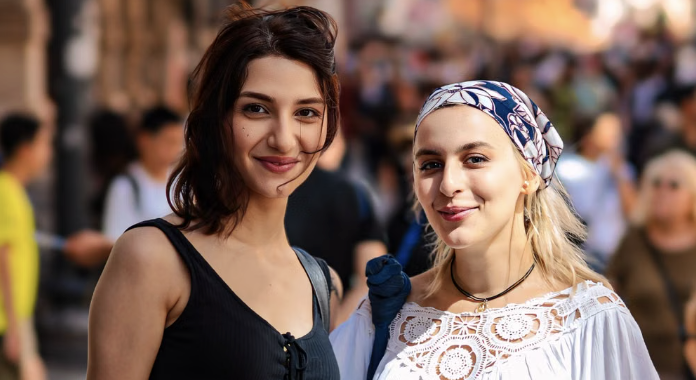
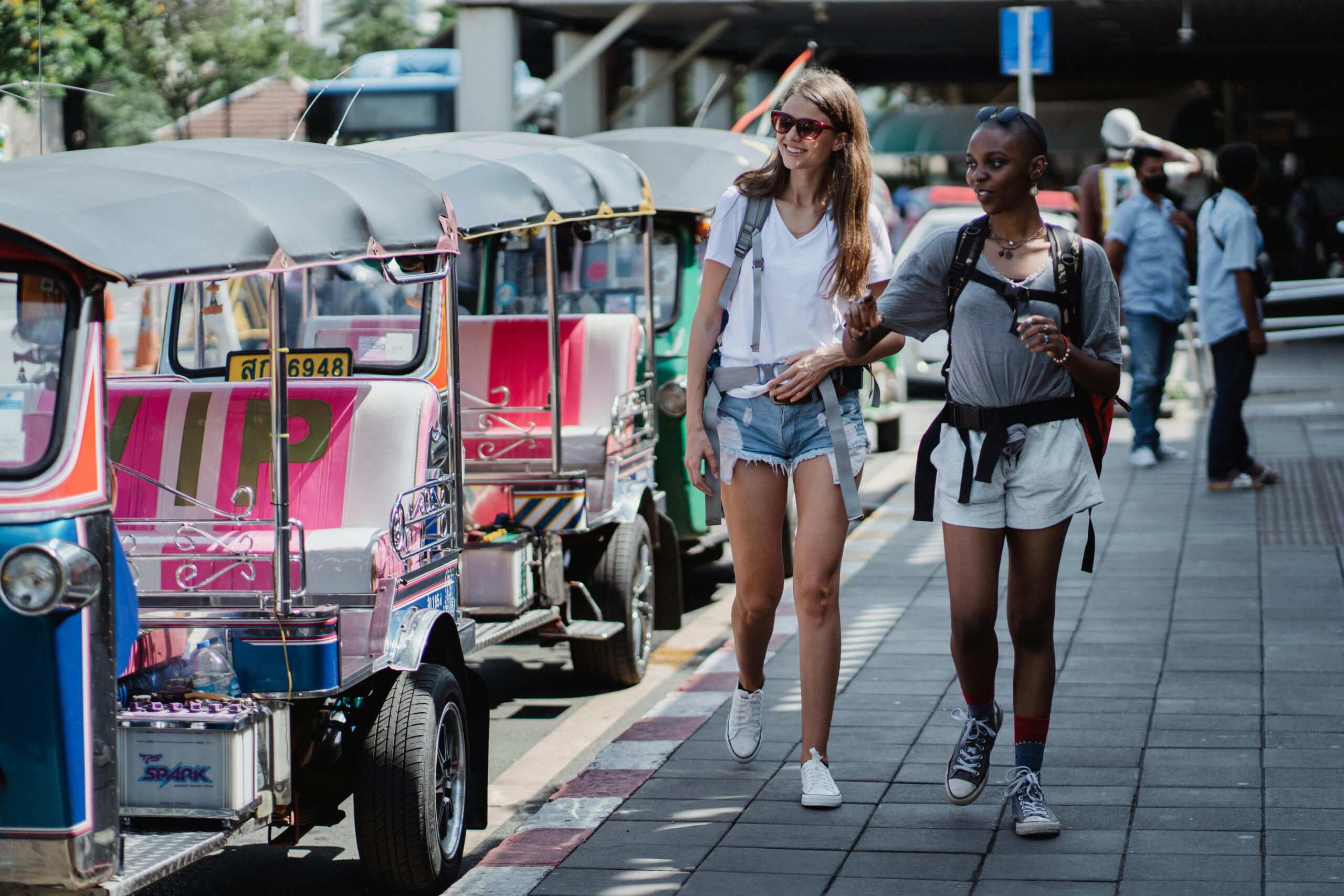
Why Women Travel More Than Men?
The Hidden Psychology Behind Modern Travel Culture, Freedom, Money, and Why So Many Men Stay Home
Why do women like to travel so much? There is no single explanation, but research and modern travel behaviour point to several recurring reasons. Women are often more interested in experience-driven leisure travel, are heavily involved in planning holidays, and increasingly associate travel with independence, friendship, personal growth and freedom. Women also dominate several highly visible parts of the travel market, particularly solo and organised travel, which can make the gender difference appear even larger.
Spend enough time in airports, on Instagram, or even scrolling through dating apps, and eventually one pattern becomes impossible to ignore.
Women travel. A lot.
Girls’ trips to Italy. Solo backpacking in Thailand. Rooftop cocktails in Dubai. Yoga retreats in Bali. Weekend escapes to Paris. Another “currently in Lisbon” story. Another passport photo. Another “wanderlust” caption. And for many digital nomads, finding the cheapest place to nomad in 2026 has become just as important as choosing the next destination itself.
Meanwhile many men seem perfectly happy staying exactly where they are — working, gaming, watching sports, fishing, staying home, or going to the same places every weekend.
At first glance, it feels like a stereotype.
But once you start paying attention, the difference becomes surprisingly obvious. In fact, more people are now searching for a study that shows women travel more than men as travel industry reports continue noticing a major rise in solo female travel, wellness trips, and experience-driven tourism.
And it raises a genuinely interesting question:
Why Do Women Like to Travel So Much?

After digging through travel industry reports, online discussions, social behaviour, and one massive Reddit debate involving hundreds of comments from travellers around the world, it became clear that this topic has far less to do with planes and beaches than people think.
The real story is about:
Common factors behind the trend:
• gender expectations
• money
• freedom
• identity
• emotional escape
• social media
• burnout
• modern adulthood
And the deeper you go into it, the more uncomfortable — and fascinating — the answers become.
Do Studies Show That Women Travel More Than Men?
Several travel industry studies claim that women dominate modern leisure travel.
Some reports suggest:
- women make around 80% of travel decisions according to Skift Research on women’s influence on travel decisions
- solo female travel is one of the fastest-growing tourism segments
- women account for the majority of leisure travellers globally
Even people who doubted the exact numbers still admitted the trend feels real in everyday life.
One Reddit user described walking through airports and tourist destinations noticing endless groups of women, couples, and female solo travellers — while groups of men travelling together seemed strangely rare.
Another person pointed out that on dating apps almost every woman seems to have at least one international travel photo somewhere in her profile.
And honestly, once you notice it, you can’t really unsee it.
Women Travel More Than Men: The Numbers Behind the Trend
The idea that women travel more than men is no longer just a stereotype — the numbers increasingly support it.
According to travel industry data, women now make up around 64% of global travelers, while men account for roughly 36%. Research also shows that women make between 80% and 82% of travel decisions, including choosing destinations, booking accommodation, and planning trips.
The gap becomes even more visible in solo travel. Several recent travel reports found that around 85% of solo travelers on organized tours are women, while women continue to dominate the growing solo travel market worldwide.
Women also tend to prioritize experiences more strongly than men. In one survey, 77% of women said travel was more important than material possessions, compared to 55% of men.
What makes these statistics interesting is that they reflect a broader cultural shift. For many women, travel is no longer seen as a luxury or occasional escape. It has increasingly become a form of independence, self-development, freedom, and lifestyle design — especially among younger generations and solo travelers.
Why Do Women Seem to Want Vacations More Than Men?
One reason women can appear more eager to go on vacation is that leisure travel often overlaps with the way women maintain friendships and relationships. A trip is not necessarily just about seeing another country. It can be a girls’ weekend, a birthday, time with a partner, a break from work or simply an excuse to spend uninterrupted time with friends.
There is also an important distinction between wanting a vacation and wanting to travel. Some men use their free time differently — camping, fishing, attending sporting events, taking road trips or simply staying home — activities they may not describe as a “vacation” in the same way. That can exaggerate the apparent gender difference even when both groups are spending money and free time on leisure.
Women and Men Often Want Completely Different Things From Life
One of the smartest observations buried inside the discussion came from somebody recalling a university study abroad programme.
The conclusion was simple:
Women often approach life experientially.
Men often approach life instrumentally.
That single sentence explains an enormous amount.
For many women, travel itself feels meaningful.
The point is:
What people remember most:
• the experience
• the atmosphere
• the memories
• the emotions
• the people
• the beauty
• the feeling of being somewhere unfamiliar
For many men, experiences often need a practical purpose attached to them.
Will this improve my future?
Will this make money?
Will this help my career?
Will this build something tangible?
A huge number of men in the discussion admitted they actually like travelling — but still struggle to justify spending large amounts of money and time on it.
Especially if the trip doesn’t produce anything “useful”.
That difference in thinking appears again and again throughout the entire conversation.
Men Are Taught to Build. Women Are Allowed to Experience.
This theme kept resurfacing in different forms.
Many men described growing up with constant pressure around:
Traditional priorities:
• work
• stability
• responsibility
• earning money
• saving
• owning property
• becoming financially secure
A lot of men are raised with the idea that their value is directly tied to productivity.
Travel can therefore feel psychologically difficult to justify.
Several commenters openly admitted they would rather:
Many people choose to:
• pay off debt
• save for a house
• invest money
• work overtime
• rather than spend thousands on a trip that lasts one week
Women, meanwhile, are generally given more social permission to prioritise:
What many travelers value most:
• experiences
• emotional fulfilment
• lifestyle
• memories
• balance
• enjoyment
That doesn’t mean women are irresponsible.
But socially, women are often admired for “living life”, while men are more often judged by:
Traditional markers of success:
• income
• career status
• financial success
• stability
And whether people admit it or not, those expectations influence behaviour massively.
Why Women Like to Travel More Than Men
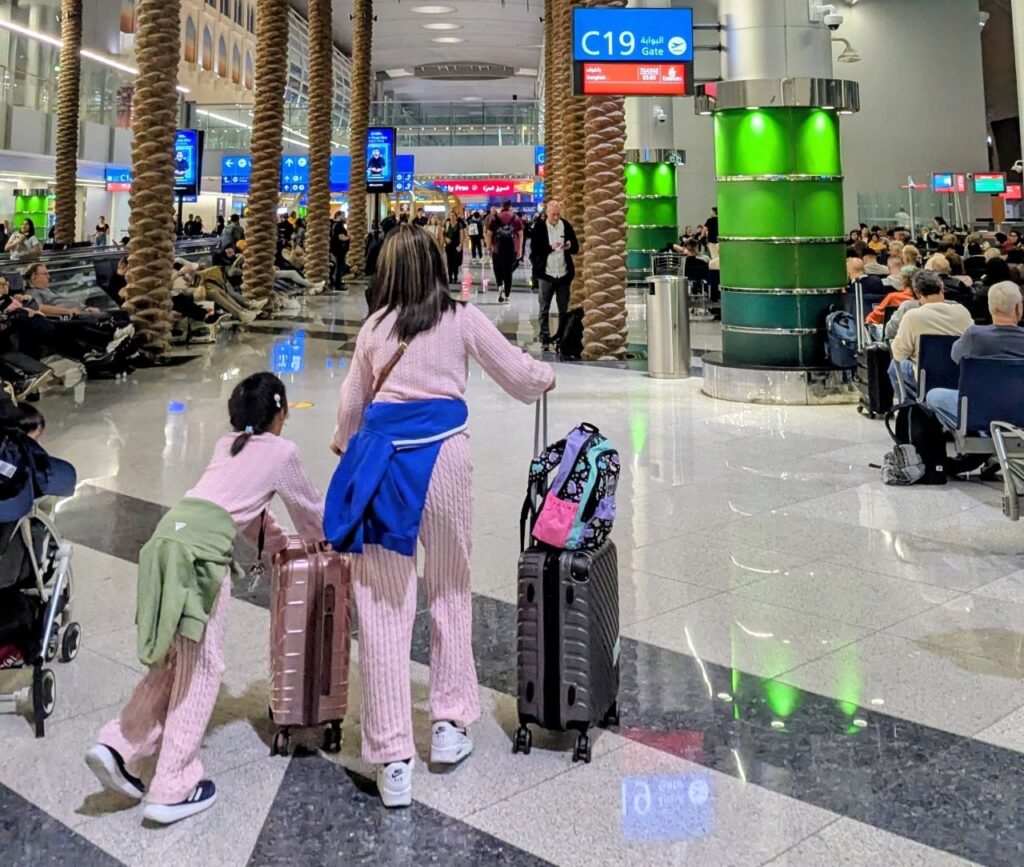
A surprising number of comments from women mentioned something else entirely:
Freedom.
Not luxury.
Not hotels.
Not Instagram.
Freedom.
One woman wrote that she realised she was probably the first woman in her family lineage who could freely travel the world alone without needing permission, a husband, or a male chaperone.
That comment changed the tone of the discussion completely.
Because historically, women travelling alone was rare, difficult, unsafe, or socially unacceptable.
Modern women now have:
What made modern travel more accessible:
• financial independence
• access to global travel
• remote work
• safer transportation
• online booking systems
• female travel communities
• social acceptance
For many women, travel represents something much bigger than a vacation.
It represents autonomy.
That emotional connection to travel appears much stronger among women than men.
Why Do Women Travel So Much Before Their 30s?
Another major theme appeared repeatedly.
Many women feel they are living inside a limited “freedom window”.
Especially women who eventually want children.
A lot of female commenters admitted they intentionally prioritise travel in their 20s and early 30s because they know life changes dramatically afterward.
Once children arrive:
- spontaneous trips disappear
- costs increase
- schedules become restricted
- responsibilities multiply
- freedom shrinks
Several women described feeling an invisible countdown clock in the background of life.
Men generally don’t experience the same urgency.
Many assume:
“I’ll travel later.”
The problem is that later often becomes:
- more responsibilities
- less energy
- less time
- less flexibility
And eventually many people simply stop going altogether.
The Planning Problem Nobody Talks About
One of the funniest — and most revealing — parts of the discussion was how many men openly admitted this:
“I love travelling, but my wife or girlfriend plans everything.”
Flights.
Hotels.
Research.
Schedules.
Restaurants.
Activities.
Transportation and travel outfit.
Travel requires a huge amount of invisible organisational work.
And women still overwhelmingly perform more “life management” labour in relationships and friendships.
This extends beyond travel too.
Women are often the ones organising:
- birthdays
- family gatherings
- social calendars
- group events
- friend trips
Travel planning becomes another extension of that role.
Meanwhile many men genuinely seem happy to simply:
“show up”.
One woman joked that if she waited for her boyfriend to plan a trip, they would probably never leave the house again.
Social Media Turned Travel Into Identity
This may be one of the biggest reasons the trend feels so visible today.
Travel used to be something people did.
Now it’s something people display.
A trip today communicates:
What travel is often associated with:
• freedom
• attractiveness
• social status
• independence
• lifestyle
• sophistication
And women participate in visual social media culture far more heavily than men.
Instagram especially transformed travel into personal branding.
A holiday in Santorini is no longer just a holiday.
It’s content.
And before people get defensive, this doesn’t mean the experiences are fake.
People genuinely enjoy travel.
But social media absolutely amplified its cultural importance — especially for younger women.
Travel photos now function almost like modern social currency.
Men Travel Too — Just Differently
One of the strongest counterarguments throughout the discussion was this:
Men do travel.
They just don’t always call it travel.
Many men spend money on:
Popular travel experiences among men:
• fishing trips
• hunting
• sports weekends
• camping
• road trips
• outdoor adventures
• gaming conventions
• work travel
But society rarely romanticises those experiences the same way it romanticises:
Dream destinations often mentioned:
• Paris
• Bali
• Italy
• Greece
• Tokyo
A man driving six hours to fish in the wilderness for three days doesn’t usually post:
“finding myself”.
Meanwhile women are far more likely to visually document experiences online.
That creates the impression that women travel dramatically more — even when many men are constantly moving around for completely different reasons, including outdoor tourism, sports travel, and business trips highlighted by global tourism research.
Why Women Travel More Than Men on Dating Apps
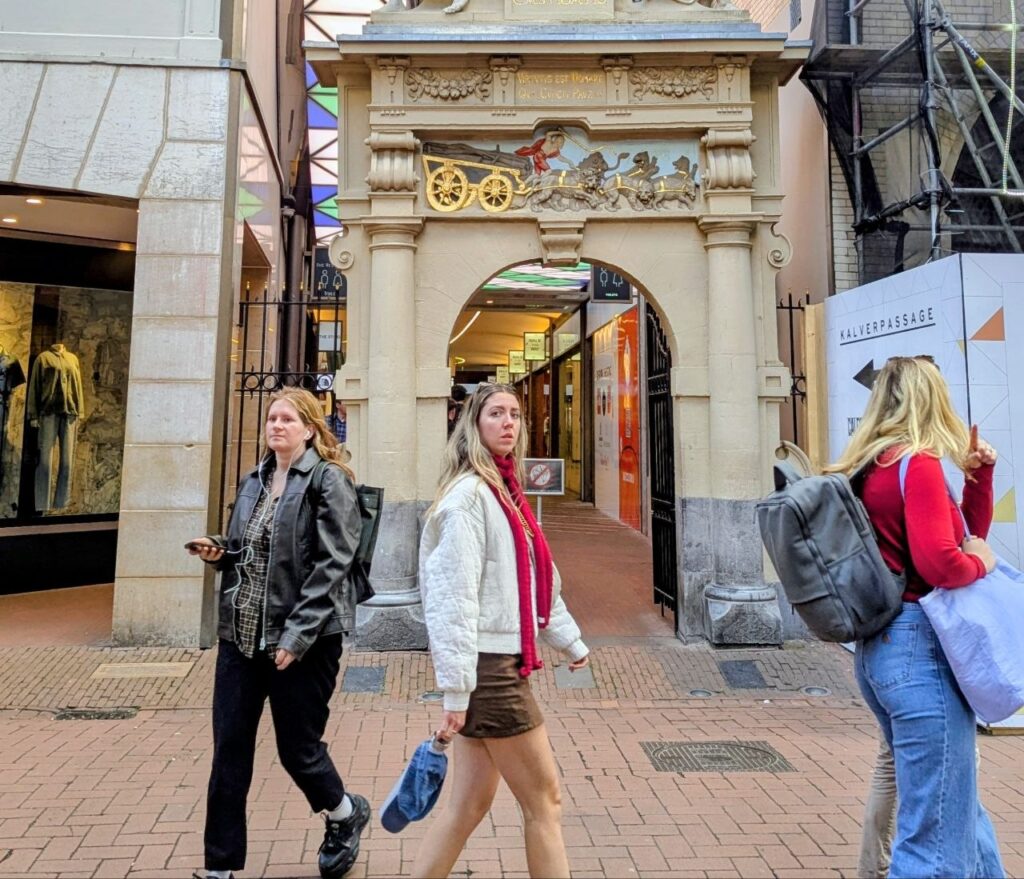
Dating apps made this trend impossible to ignore.
Travel photos have become almost mandatory in many female profiles.
Why?
Because travel now signals:
- excitement
- social value
- ambition
- openness
- lifestyle
- experience
- attractiveness
A travel photo instantly says:
“I have an interesting life.”
Men often use different status markers instead:
- career
- humour
- fitness
- cars
- hobbies
- achievements
Women more often use experiences themselves as social proof.
That’s one reason why travel appears so heavily in modern female online identity.
Many Men Are Simply Burned Out
One uncomfortable reality surfaced repeatedly throughout the discussion.
A lot of modern men are exhausted.
Many feel trapped between:
- rising living costs
- career pressure
- housing costs
- financial expectations
- long work hours
- fear of failure
For some men, vacation doesn’t mean:
- museums
- sightseeing
- airports
- schedules
It means finally doing absolutely nothing.
Especially for men who already travel constantly for work.
After years of airports, hotels, delayed flights, conferences, and business trips, travel stops feeling glamorous very quickly.
One man admitted that after years of corporate travel, his dream vacation became:
sitting in a hotel room alone eating microwave chicken strips and watching cricket in his underwear.
Honestly, that level of burnout probably explains more than people realise.
Women Often Travel Together. Men Often Don’t.
Women are far more likely to organise:
- girls’ trips
- birthday vacations
- wellness retreats
- spontaneous weekends abroad
- group travel with friends
Male friendships often operate differently.
Many men socialise through:
- sports
- gaming
- bars
- routines
- local hobbies
- shared activities close to home
Several commenters even argued that many straight men feel strangely uncomfortable with “experience-focused bonding” with other men because it can feel unmasculine or socially awkward — which also helps explain why so many adults later struggle with how to make friends in a new city as an adult after losing the built-in social structures they had earlier in life.
Whether fully true or not, it’s an interesting cultural observation.
Because female friendship culture often actively encourages travel.
Male friendship culture often doesn’t.
Money Changes Everything
A controversial part of the discussion focused on finances.
Some commenters argued that women often have more support systems available:
- parents
- partners
- shared housing
- flexible living arrangements
- friends abroad
Meanwhile many men feel intense pressure to become financially independent much earlier.
Several men admitted they delay travel because they feel they “should” be:
- saving
- investing
- building stability
- preparing for the future
Even men who wanted to travel often described feeling guilty spending money on experiences.
Meanwhile many women openly admitted:
“I’d rather enjoy life now.”
That mindset difference appeared constantly throughout the discussion.
The Real Reason Women Travel More Than Men
After reading hundreds of opinions, stories, and experiences, the answer seems far more complicated than people expect.
Women often prioritise:
What many travelers seek:
• experiences
• freedom
• emotional fulfilment
• beauty
• connection
• memories
• self-expression
Men are often socialised to prioritise:
Traditional values often emphasize:
• building
• earning
• stability
• responsibility
• productivity
• practicality
Modern travel culture perfectly aligns with the things women are encouraged to value socially. According to global lifestyle and travel trends, experience-driven travel continues to grow rapidly among younger generations.
And many men postpone travel until “later”.
The irony is that later often never arrives.
In the end, this conversation says much more about modern life than tourism itself.
Because underneath the airports, beaches, and Instagram photos sits something far bigger:
Common themes behind modern travel decisions:
• burnout
• pressure
• identity
• freedom
• loneliness
• ambition
• emotional escape
• modern adulthood
Travel simply became the place where all those tensions finally reveal themselves.
FAQ
Why do women travel more than men?
There is no single reason, but studies suggest that women often view travel as a source of personal growth, freedom, and life experience. Women are also more likely to plan trips, organize vacations, and actively seek new experiences, which contributes to higher travel participation.
Do women travel more than men?
In many travel sectors, yes. Women account for a larger share of leisure travelers and dominate the solo travel market. Industry reports also show that women make most travel decisions within households, from choosing destinations to booking accommodation.
What do women travel more than men statistics show?
Recent travel statistics indicate that women make around 80–82% of travel decisions and represent a majority of leisure travelers. Women also account for a significant share of solo travelers and are increasingly driving growth in the global travel industry. This also helps explain why some nationalities seem especially visible abroad, particularly in countries where international holidays are part of everyday life.
Why do women travel solo more than men?
Many women choose solo travel because it offers flexibility, independence, and opportunities for self-discovery. Surveys consistently show that freedom, personal growth, and the ability to travel on their own schedule are among the main motivations for solo female travel.
Why do women like travelling so much?
Travel allows people to experience new cultures, gain confidence, and break away from daily routines. For many women, travel is also connected to personal development, adventure, and creating meaningful life experiences rather than simply taking a vacation.
What are the latest female travel trends?
Current female travel trends include solo travel, slow travel, wellness retreats, digital nomad lifestyles, long-term stays abroad, and experience-focused trips. Many women are prioritizing authentic local experiences over traditional sightseeing and luxury tourism.
Why do men travel less than women?
Research suggests that men and women often have different travel motivations. While men may spend more on individual trips, women tend to travel more frequently for leisure, personal experiences, social connection, and exploration. Women are also more likely to take part in organized group travel and solo travel communities.
Do women make travel decisions more often than men?
Yes. Multiple travel industry studies show that women make the majority of travel decisions, including selecting destinations, comparing options, researching accommodation, planning itineraries, and making bookings for family vacations.
What do solo female travel statistics reveal?
Solo female travel continues to grow worldwide. Industry surveys show that women make up the majority of solo travelers, with many citing independence, flexibility, self-confidence, and personal growth as their main reasons for traveling alone.
Is solo female travel becoming more popular?
Yes. Solo female travel is one of the fastest-growing segments of the travel industry. More women than ever are choosing to travel independently, supported by improved travel infrastructure, online communities, women-only tours, and greater confidence in traveling alone.
Explore the Culture & Society Hub
Discover more stories about language, identity, traditions, social habits and the cultural details that shape everyday life around the world.
Explore the Culture & Society Hub →This article combines personal travel experience, independent editorial research, and discussions from travellers exploring how gender can influence travel habits, motivations, and experiences.
Research sources included:
- Personal observations from travel experiences and conversations with travellers from different backgrounds.
- Community discussions and first-hand experiences shared on Reddit travel and solo travel communities.
- Travel industry data and passenger trends published by Condor Ferries.
- Travel, lifestyle, and consumer behaviour reporting published by Forbes.
- Research, reporting, and cultural insights published by National Geographic.
The goal is to explore the social, cultural, and practical factors that may contribute to differences in travel behaviour between women and men, while highlighting the diversity of individual travel experiences.

Founder & Editor
Founder of The City Theory, writing about digital nomad lifestyle, modern city culture, remote work, travel experiences, psychology and human behaviour around the world.