Cheapest Places for Digital Nomads in 2026: Real Monthly Costs
The cheapest places for digital nomads in 2026 include Vietnam, Kyrgyzstan, Albania and some smaller cities in China, where a realistic monthly budget can still stay around $800–$1,600. Vietnam offers the best overall balance of low costs and infrastructure, while Bishkek is one of the cheapest options for remote workers who can handle colder winters. In Europe, Albania remains one of the strongest alternatives for nomads looking for affordable long-term rent without moving to Southeast Asia.
For years, the digital nomad dream — and the endless question of “What is the cheapest place to nomad in 2026?” — looked almost identical everywhere online.
A laptop on a beach in Bali. Coconut in hand. Sunset coworking spaces. Endless Instagram reels about “escaping the system.”
But somewhere between rising Airbnb prices, visa runs, overcrowded hotspots, and burnout disguised as freedom, the conversation started changing into why remote workers leaving expensive cities.
In 2026, digital nomads are asking a very different question:
“Where can I actually live well without constantly feeling financially stressed or mentally exhausted?”
After spending weeks reading discussions from long-term nomads, Reddit communities, expat groups, and people quietly living abroad far away from influencer hotspots, one thing became very clear: for many people searching how to become a digital nomad with no experience, the lifestyle is not really about luxury or beaches at all.
The cheapest place is no longer the most important thing.
The real priority now is something else entirely:
cheap enough, stable enough, safe enough, and emotionally sustainable enough to actually stay there long-term.
And honestly? That shift says a lot about where modern remote culture is heading. Even within one country, the difference can be surprisingly large. My UAE Digital Nomad Cost Index found that the same remote-worker spending basket was around 39.7% cheaper in Ajman than in Dubai.
Cheapest Places for Digital Nomads in 2026 at a Glance
| Destination | Monthly Budget | Typical Rent | Best For |
|---|---|---|---|
| Bishkek, Kyrgyzstan | $800–1,400 | $250–500 | Lowest overall budget |
| Da Nang, Vietnam | $900–1,600 | $350–700 | Best value |
| Tirana / Saranda, Albania | $1,000–1,800 | $350–800 | Affordable Europe |
| Smaller cities, China | $1,000–2,000 | $300–700 | Infrastructure for the price |
| Chiang Mai, Thailand | $1,200–2,200 | $400–850 | Easiest nomad lifestyle |
The End of the “Bali Fantasy”
A few years ago, many people imagined digital nomad life as an endless vacation.
Reality turned out to be different.
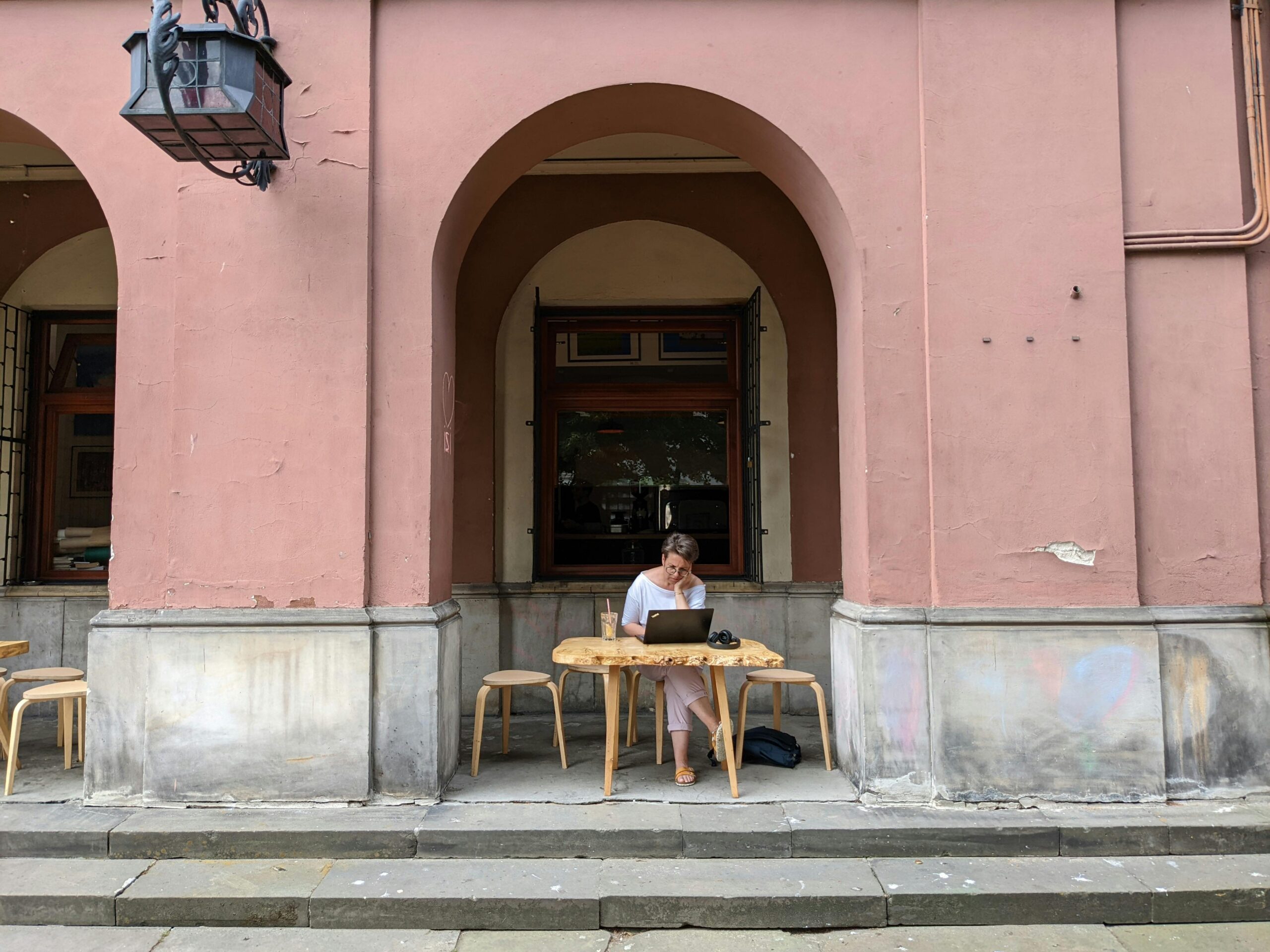
People discovered that working remotely from another country is still… work.
You still need:
• reliable internet
• decent sleep
• stable electricity
• safe food
• predictable rent
• quiet places to focus
• healthcare
• functioning infrastructure
• emotional stability
You still need:
And after the post-pandemic travel boom, many classic nomad destinations stopped feeling “cheap” at all.
Popular digital nomad hubs:
📍 Bali
📍 Lisbon
📍 Dubai
📍 Tulum
📍 Barcelona
became crowded, expensive, overcommercialized, and emotionally draining for many remote workers.
That’s why in 2026 the conversation is quietly shifting toward smaller cities, slower lifestyles, and countries that still offer genuine quality of life without constant financial pressure — a trend also reflected in platforms like Nomad List, where more remote workers are searching for affordable but sustainable places to live.
Is There Anywhere in Europe as Cheap as Southeast Asia for Digital Nomads?
If you’re looking for somewhere in Europe with digital nomad costs closer to Southeast Asia, Albania is one of the more realistic options, although it is difficult to match Vietnam or parts of Thailand exactly. Tirana is becoming more expensive, but smaller Albanian cities and coastal towns outside peak summer season can still offer long-term apartments at prices that are unusual in Western Europe.
The Balkans generally make more sense for budget-conscious remote workers than Lisbon, Barcelona or other established European nomad hubs. The biggest difference is accommodation: a long-term apartment in Albania or parts of the Balkans can still cost considerably less than housing in Western European capitals, while keeping you within Europe.
For someone comparing affordable European apartments for digital nomads with Southeast Asia, I would look at Albania first, followed by less touristy Balkan cities rather than the famous digital nomad destinations.
Best Cities for Affordable Long-Stay Rentals
For long-stay rentals, Bishkek, Da Nang, Tirana and smaller Chinese cities stand out in this comparison. Based on the price ranges used in this guide, Bishkek has the lowest typical studio costs at around $250–500 per month, followed by smaller Chinese cities at roughly $300–700 and Da Nang at around $350–700. Chiang Mai remains easy for foreigners but is no longer the cheapest option, with modern apartments commonly falling into the $400–850 range.
Vietnam: on of the cheapest countries for digital nomads
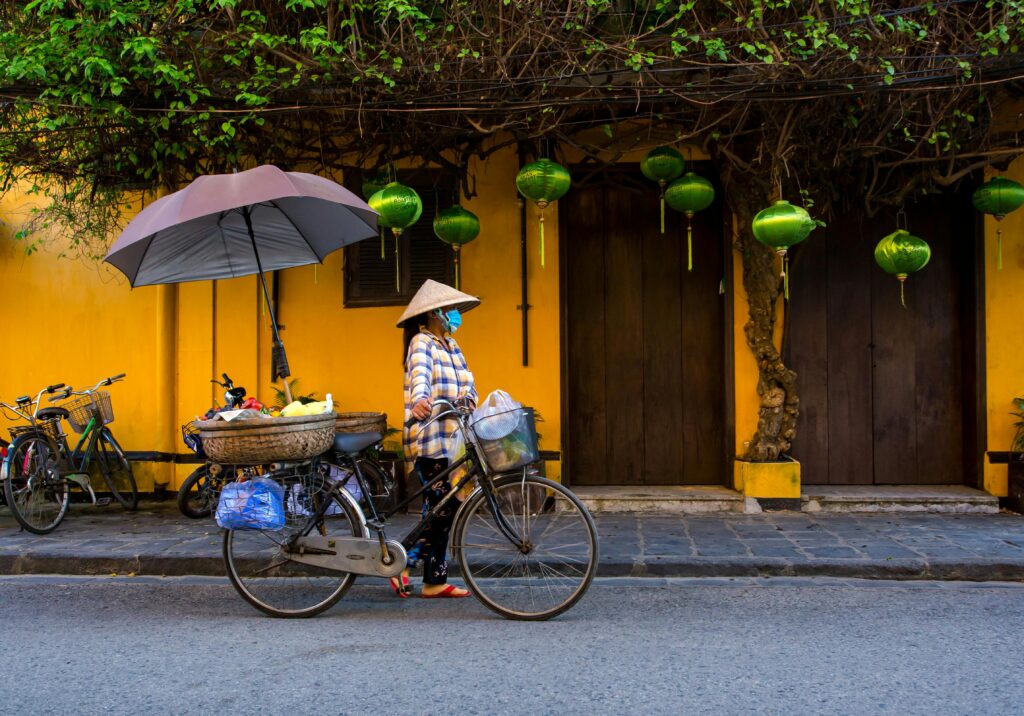
If there was one country that repeatedly dominated conversations among experienced nomads, it was Vietnam, not because it was particularly glamorous or trendy, but because it simply worked.
Vietnam continues to rank among the most affordable cities for digital nomads looking for long-term sustainability rather than short-term travel experiences.
Again and again, remote workers described Vietnam as the best balance between:
What matters most:
• affordability
• food quality
• internet reliability
• safety
• infrastructure
• convenience
• everyday comfort
Especially cities like:
Popular choices in Vietnam:
• Da Nang
• Hanoi
started appearing constantly in discussions.
The interesting part was that people weren’t describing Vietnam as some kind of paradise. They were describing it as practical, and for anyone planning to live and work abroad for months rather than simply take a holiday, that distinction matters far more than most people realize.
Because after years of constant movement, many digital nomads are no longer chasing excitement every day. They’re chasing stability — which is exactly why searches like “cheapest city in Vietnam to live” have become increasingly common among remote workers trying to build a more sustainable lifestyle abroad. At the same time, discussions around why women travel more than men continue to grow as modern travel culture becomes more experience-driven and socially visible.
Typical monthly cost of living in Vietnam (2026)
Da Nang / Hanoi
Typical monthly costs:
• modern studio apartment: $350–700
• local meals: $1.50–4
• western-style cafes: $3–8
• coworking membership: $60–120/month
• comfortable nomad budget: $900–1600/month
Vietnam offers something surprisingly rare:
a place where daily life feels manageable.
The digital nomad cost of living in Da Nang remains significantly lower than in Lisbon or Dubai.
You can still rent a decent apartment without destroying your savings, while everyday costs remain manageable thanks to affordable and genuinely good street food. Internet speeds are generally reliable enough for remote work, coffee shops are everywhere, and getting around is relatively simple. More importantly, unlike some destinations that look cheap on paper, Vietnam has the basic infrastructure that makes actually living and working there much easier.
That combination is becoming increasingly difficult to find.
Thailand Is No Longer the Cheapest — But It Might Still Be the Easiest
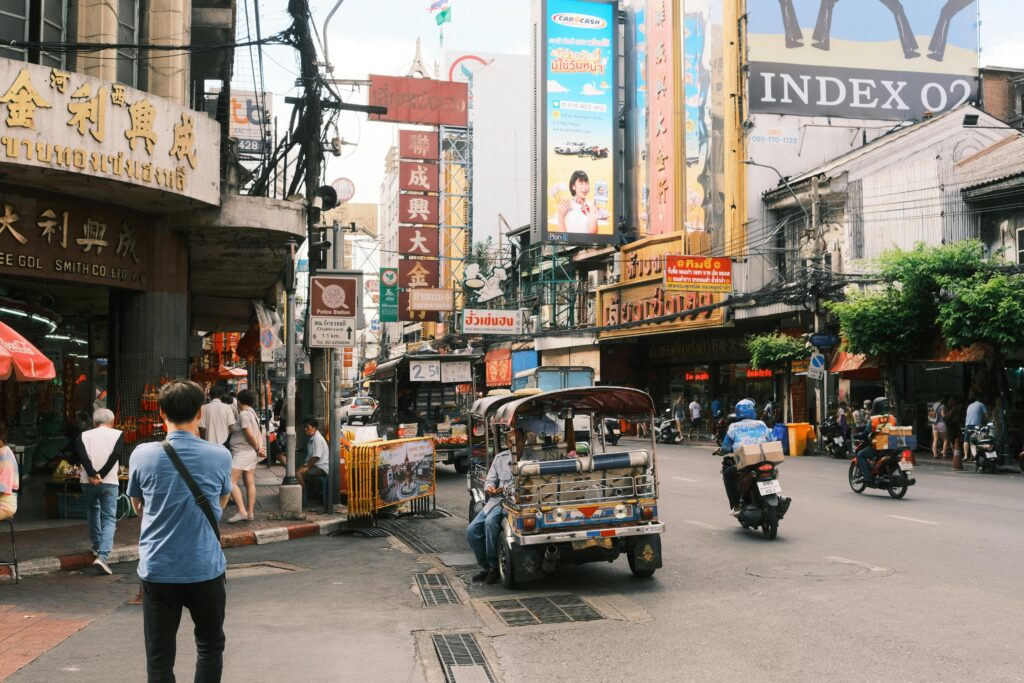
Thailand kept appearing in discussions too, but in a very different way.
Nobody really calls Thailand “ultra cheap” anymore. Thailand cost of living is getting higher each year.
Those days are mostly gone.
But people still describe Thailand as the easiest country to be a digital nomad in.
And honestly, that may matter more.
Thailand has something many countries still lack: a fully developed ecosystem for remote workers. Reliable internet, good healthcare, convenient transportation, accessible food and a large supply of apartments that are relatively easy to rent all make everyday life much simpler. The country has also been accommodating foreign visitors and long-term residents for decades, so much of the infrastructure already works well for people who are new to Thailand, removing a considerable amount of stress from daily life.
Typical monthly cost of living in Thailand (2026)
Chiang Mai
Typical monthly costs:
• modern apartment: $400–850
• local meals: $2–5
• café brunch: $6–12
• scooter rental: $70–120/month
• comfortable nomad budget: $1200–2200/month
And once someone has spent enough time struggling with unreliable landlords, visa confusion, weak infrastructure, or constant bureaucracy in other countries, convenience suddenly becomes extremely valuable.
Chiang Mai still appears constantly in recommendations, but smaller Thai cities are now becoming more attractive because many nomads are trying to escape overtourism while keeping Thailand’s overall convenience. Some are even experimenting with alternative lifestyles such as living in a hotel full time, using long-term hotel stays as a flexible replacement for traditional rentals.
Albania: one of the cheapest countries for digital nomads in Europe
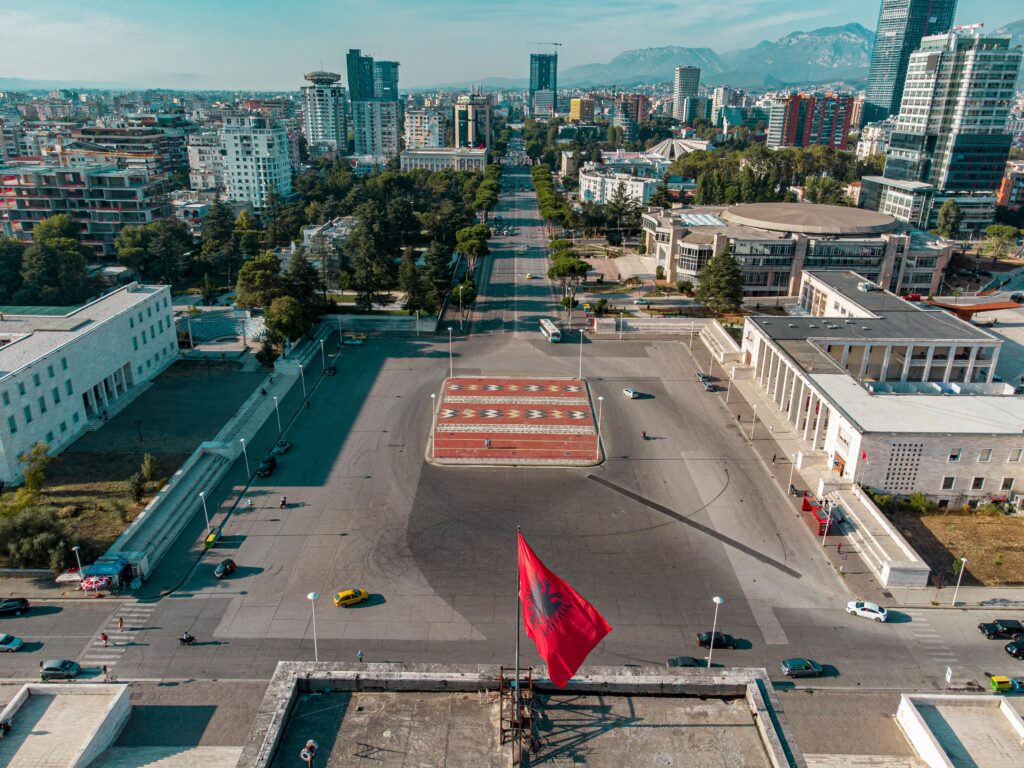
One of the biggest surprises from recent discussions was how often Albania appeared.
Five years ago, Albania was barely part of mainstream nomad conversations, because of the cost of living in Albania.
Now?
It’s becoming one of the most talked-about affordable European destinations.
And the reasons are obvious.
People want:
• European lifestyle
• relative safety
• decent weather
• affordability
• fewer crowds
• simpler living
without paying Lisbon or Barcelona prices.
Typical monthly cost of living in Albania (2026)
Tirana / Saranda
Typical monthly costs:
• modern apartment: $350–800
• local restaurants: $4–10
• groceries for one person: $180–300/month
• espresso: $1–2
• comfortable nomad budget: $1000–1800/month
Cities like:
Popular places in Albania:
• Tirana
• Saranda
• Vlore
• Gjirokastër
are increasingly attracting remote workers who want a slower, calmer version of Europe.
Albania still feels somewhat raw compared with more established digital nomad destinations. The infrastructure is not perfect, internet quality can vary depending on the area, and the healthcare system is not on the same level as Thailand’s. However, many nomads seem willing to accept those compromises because Albania has retained a sense of authenticity that is becoming increasingly difficult to find in heavily developed remote-work hubs, and that can be surprisingly valuable when you are actually living somewhere rather than simply passing through.
The Rise of “Slow Nomadism”
One of the strongest themes across modern nomad communities is exhaustion, and it is often psychological rather than physical. Constant movement can sound exciting online, but many long-term nomads admit that repeatedly adapting to a new apartment, SIM card, currency, visa system, grocery stores and daily routines eventually becomes emotionally draining. Every move comes with another collection of small problems to solve, and going through the same adjustment process over and over again can gradually take much of the excitement out of the lifestyle.
That’s why a growing number of people are abandoning fast travel completely.
Instead, they’re choosing:
Growing trends among remote workers:
• small towns
• countryside living
• longer stays
• slower schedules
• cheaper but stable environments
In many ways, the digital nomad lifestyle is evolving into something closer to semi-permanent migration, as more people lose interest in simply collecting countries and start looking for places where everyday life feels sustainable. This helps explain the growing appeal of rural Italy, inland Portugal and quieter parts of the Balkans. These destinations are not necessarily the cheapest places to live, but they can reduce the constant mental friction of moving, reorganizing daily life and adapting to unfamiliar systems. In 2026, that mental friction may be one of the most overlooked costs of working remotely while living abroad.
China: The Most Complicated Answer
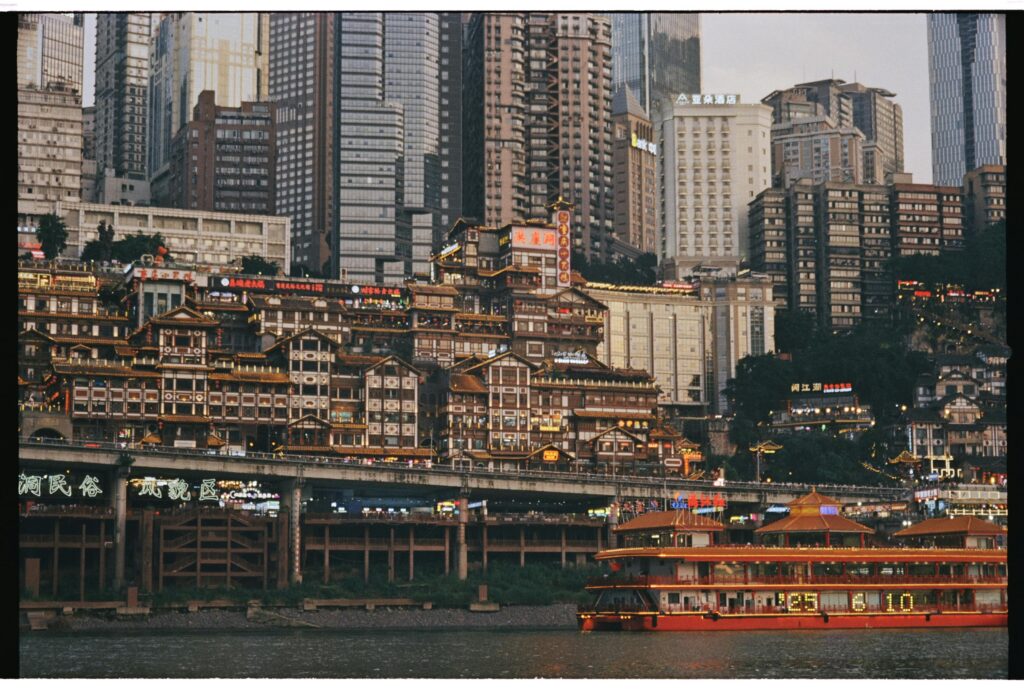
China created the biggest debate.
Some people described it as unbeatable:
Why people choose it:
• incredibly cheap outside major cities
• excellent transport
• very safe
• fast internet
• affordable food
• modern infrastructure
Others described it as mentally exhausting.
And both are probably right.
China in 2026 feels less like a casual nomad destination and more like a high-reward environment for people who already understand how the system works — especially when it comes to internet restrictions, digital platforms, and everyday bureaucracy often discussed in reports such as the Freedom House China Report.
Typical monthly cost of living in China (2026)
Smaller cities outside Shanghai & Beijing
Typical monthly costs:
• modern apartment: $300–700
• local meals: $2–6
• transport: extremely cheap
• coworking: $80–150/month
• comfortable nomad budget: $1000–2000/month
Because while the cost-to-quality ratio can be incredible, daily life also comes with:
Challenges to consider:
• VPN dependence
• payment system complications
• language barriers
• visa uncertainty
• platform restrictions
• digital ecosystem isolation
For some people, that tradeoff is absolutely worth it.
For others, it becomes emotionally exhausting very quickly.
Interestingly, many experienced nomads described smaller Chinese cities as dramatically better value than famous places like Shanghai or Beijing. This is described in the article about living in small cities vs big cities.
Cities most outsiders have never heard of may actually offer some of the best affordability-to-infrastructure ratios in the world right now — especially when comparing rent, transport, and everyday living costs through resources like Numbeo Cost of Living Index.
But China also highlights an important truth about remote work:
A place can be cheap financially while still being expensive psychologically.
Central Asia: some of the cheapest cities for digital nomads
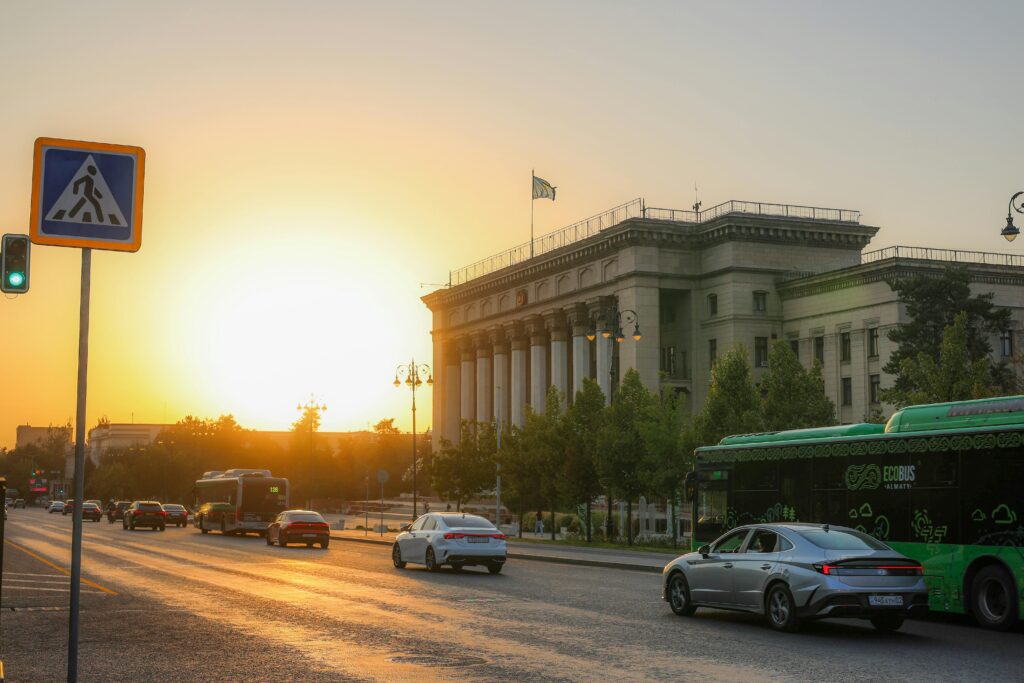
Perhaps the most unexpected trend is the growing interest in Central Asia.
Especially:
Popular choices in Central Asia:
• Bishkek
• Almaty
• Karakol
For years, most digital nomads ignored the region entirely.
Now people are starting to notice:
Why remote workers choose it:
• cheap rent
• surprisingly decent infrastructure
• growing expat scenes
• mountain lifestyle
• lower tourism pressure
Typical monthly cost of living in Kyrgyzstan (2026)
Bishkek
Typical monthly costs:
• studio apartment: $250–500
• local meals: $3–7
• coffee shops: $2–5
• monthly budget: $800–1400/month
The downsides are that winters can be harsh, air quality becomes a genuine problem in some places during certain seasons, and the social scene still feels relatively niche compared with established digital nomad regions such as Southeast Asia. For remote workers who have grown tired of overcrowded nomad hubs, however, that can actually be part of Central Asia’s appeal, offering a quieter and less saturated alternative without necessarily giving up affordability.
Cheap Doesn’t Always Mean Comfortable
This was another recurring pattern.
Some countries appear extremely affordable on paper, but long-term nomads often describe them as difficult to sustain emotionally.
People repeatedly mentioned issues like:
Potential challenges:
• unreliable infrastructure
• food safety concerns
• corruption
• scams
• loneliness
• bureaucracy
• pollution
• healthcare anxiety
That’s why certain “ultra-cheap” destinations no longer dominate recommendations the way they once did.
Because eventually, quality of life starts mattering more than squeezing every possible dollar out of your monthly budget.
And honestly, that feels like a sign of maturity within the remote work community.
People are starting to understand that survival mode and freedom are not the same thing.
While destinations like Thailand and Vietnam dominate most digital nomad discussions, there are still places that remain largely overlooked by the international remote work community. One example is Ethiopia’s capital, which surprised me far more than I expected. In my guide to living in Addis Ababa as an expat, I explain why the city feels completely different from the stereotypes many foreigners have before arriving.
The Most Interesting Shift of All
Perhaps the most interesting change is psychological, because digital nomad priorities appear to be shifting away from the idea of living as cheaply as possible. Increasingly, the goal is to build a life abroad that feels calm, comfortable and sustainable over the long term, even if that means spending slightly more each month. That is a significant change from the earlier version of digital nomadism, where minimizing expenses and moving frequently were often treated as part of the appeal. And it explains why people are increasingly choosing:
What many remote workers are looking for today:
• quieter cities
• stable routines
• walkable neighborhoods
• affordable comfort
• predictable infrastructure
• slower lifestyles
instead of constant stimulation.
In some ways, digital nomad culture is simply growing up, with the early fantasy of constant travel and maximum freedom gradually giving way to a greater focus on sustainability. Choosing destinations where everyday life can remain comfortable, manageable and financially realistic may ultimately create a healthier version of the digital nomad lifestyle than constantly chasing the next cheap place to live.
What is the cheapest country for digital nomads in 2026?
Kyrgyzstan is one of the cheapest countries in this comparison in pure monthly-cost terms, while Vietnam offers the strongest overall balance of affordability, infrastructure, food and everyday convenience. For digital nomads who specifically want Europe, Albania is the most compelling option covered in this guide.
There probably isn’t one universal answer anymore about where are digital nomads moving in 2026.
But after analysing hundreds of discussions, a few patterns feel undeniable.
If someone wants:
Best options by category:
• the best overall balance → Vietnam
• easiest lifestyle → Thailand
• cheap Europe → Albania
• extreme affordability → Central Asia
• infrastructure value → China
• slow living → Southern Europe
But perhaps the real answer as well as best countries with digital nomad visas is simpler than any country ranking.
The best digital nomad destination is probably the place where:
The real goal:
• your mind feels calm
• your routine feels sustainable
• your life stops feeling temporary
Because eventually, everyone gets tired of living like they’re constantly “passing through.”
And maybe that’s the real evolution of remote work in 2026 and the reason of why remote workers leaving expensive cities.
FAQ
Why are digital nomads leaving expensive cities?
Many digital nomads are leaving expensive cities because rising rent, higher living costs, overcrowding, and burnout make long-term living difficult. Instead of chasing popular destinations, many remote workers now prioritize affordability, stability, community, and overall quality of life. This shift is particularly noticeable among people trying to live abroad on $1000 a month as a remote worker, who are increasingly choosing less famous destinations where their income can provide a more comfortable lifestyle.
What is the cheapest place to nomad in 2026?
There is no single answer, but Vietnam, Kyrgyzstan, and parts of Albania consistently appear among the most affordable destinations for digital nomads in 2026. Cities such as Da Nang, Bishkek, and Tirana offer relatively low living costs while maintaining decent infrastructure and internet access.
Which country offers the best value for digital nomads?
Vietnam is often considered one of the best-value countries for digital nomads because it combines affordable rent, excellent food, reliable internet, good infrastructure, and a relatively comfortable lifestyle. Thailand remains a strong contender for those who prioritize convenience and established nomad communities.
Is Bali still good for digital nomads in 2026?
Bali remains popular, but many long-term nomads believe it is no longer the budget-friendly paradise it once was. Rising accommodation prices, traffic congestion, and overtourism have pushed some remote workers toward alternatives such as Vietnam, Thailand, and Albania.
What are the most affordable cities for digital nomads?
Some of the most affordable cities for digital nomads in 2026 include Da Nang, Hanoi, Chiang Mai, Bishkek, Tirana, Saranda, and Almaty. These cities offer a balance of affordable housing, internet reliability, and everyday convenience.
Is Thailand or Vietnam better for digital nomads?
Vietnam is generally cheaper, while Thailand is often considered easier for foreigners because of its mature tourism infrastructure, healthcare system, and large remote-work community. The better choice depends on whether affordability or convenience is your priority.
How much money does a digital nomad need per month in 2026?
A comfortable digital nomad budget varies by destination. In affordable cities such as Da Nang or Bishkek, many remote workers live comfortably on $1,000–$1,600 per month. More expensive destinations may require $2,000–$3,500 or more.
Are digital nomads choosing smaller cities in 2026?
Yes. One of the biggest trends in remote work is the move toward smaller cities and slower lifestyles. Many digital nomads are choosing places with lower costs, less tourism, and a stronger sense of community instead of famous but overcrowded hotspots.
What is the cheapest country for digital nomads in Europe?
Albania is one of the cheapest European countries for digital nomads, particularly outside the most popular summer destinations and peak season. Tirana, Saranda and Vlore can offer lower long-term living costs than established nomad hubs such as Lisbon or Barcelona, although accommodation prices vary considerably by season.
Can a digital nomad live on $1,000 a month?
Yes, but the choice of destination matters. A $1,000 monthly budget can still be realistic in places such as Bishkek and parts of Vietnam if you rent long term and live relatively locally. It becomes much harder in established digital nomad hubs where accommodation alone can consume most of that budget.
What is slow nomadism?
Slow nomadism is a travel style where remote workers stay in one location for several months rather than constantly moving between countries. The goal is to reduce travel fatigue, build routines, and create a more sustainable lifestyle abroad.
What is the biggest challenge for digital nomads today?
For many remote workers, the biggest challenge is no longer money but sustainability. Loneliness, burnout, visa uncertainty, and constantly rebuilding routines often become more difficult than finding affordable accommodation. These realities are one reason why more people are starting to think seriously about long-term plans for life abroad rather than focusing only on short-term travel costs.
Explore the Digital Nomad Life Hub
Discover more practical guides about digital nomad costs, visas, destinations, coworking spaces and the everyday reality of building a location-independent life.
Explore the Digital Nomad Life Hub →This article combines personal experience with travel and location-independent living, independent editorial research, and discussions from digital nomads comparing affordability, quality of life, and long-term sustainability across different destinations.
Research sources included:
- Personal observations from travelling, living abroad, and researching digital nomad destinations.
- Community discussions and first-hand experiences shared on Reddit by digital nomads and remote workers.
- Destination data, cost comparisons, and remote work insights published by Nomads.com.
- Research on freedom, civil liberties, and quality-of-life factors published by Freedom House.
- Cost of living, housing, and consumer price data published by Numbeo.
The goal is to help readers identify affordable digital nomad destinations in 2026 while considering not only costs, but also lifestyle, infrastructure, safety, freedom, and long-term liveability.

Founder & Editor
Founder of The City Theory, writing about digital nomad lifestyle, modern city culture, remote work, travel experiences, psychology and human behaviour around the world.