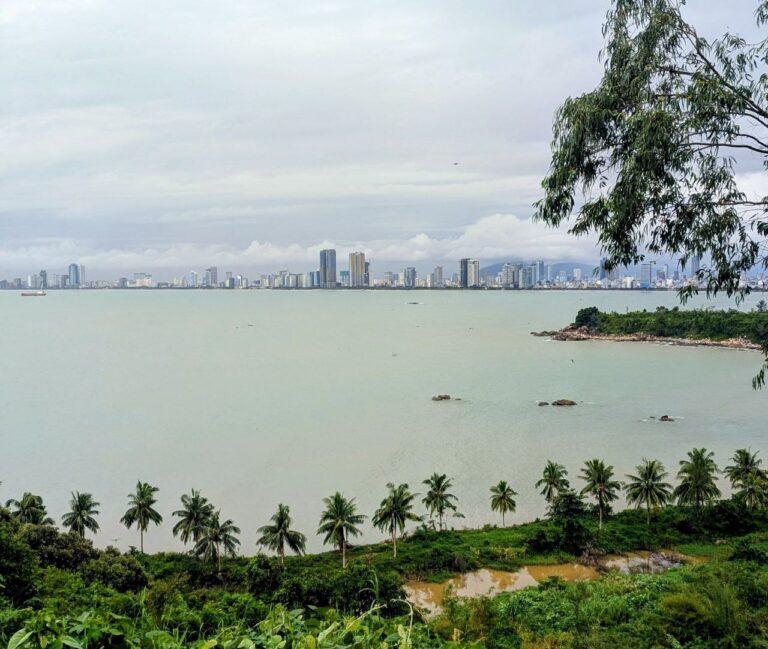

How to Make Friends in a New City as an Adult — And Why Modern Cities Make It So Difficult
Learning how to make friends in a new city is something almost nobody prepares you for emotionally. People prepare for visas, apartments, jobs, transport systems, salaries, and neighbourhoods, but very few prepare for the strange psychological experience of suddenly becoming socially invisible in a place full of millions of people. Choosing the right area can make socializing much easier. Some expat neighborhoods in Amsterdam naturally attract international residents and newcomers.
Modern cities are crowded, loud, hyperconnected, and constantly moving, yet many adults living inside them quietly experience an overwhelming sense of loneliness that rarely gets discussed honestly. Social media creates the illusion that everybody already belongs somewhere. Everybody appears surrounded by brunches, birthday dinners, rooftop parties, gym groups, vacations, and endless friendship circles — especially among people constantly relocating between cities and searching for the cheapest place to nomad in 2026 while trying to build a new life abroad. But after digging through hundreds of discussions, personal stories, and conversations from people who moved to entirely new places, a completely different reality starts emerging underneath the polished surface.
Most adults are struggling with exactly the same thing.
They simply do not know how to make friends in a new city as an adult anymore.
Adult Friendship Is No Longer Automatic
One of the biggest reasons adulthood feels socially difficult is because friendship used to happen naturally through forced repetition. According to psychology research on how friendships form through proximity and repeated interaction, school, university, sports teams, dormitories, and teenage routines created constant exposure to the same people every single day. Nobody had to strategically “build a network” at sixteen years old. Friendship simply formed through proximity, routine, boredom, and shared experiences.
Adult life removes almost all of those systems.
People move between work and home exhausted. Entire friendships become reduced to occasional Instagram reactions. Many cities unintentionally encourage isolation because everybody already has routines, established circles, partners, responsibilities, or emotional exhaustion from work. Even highly social cities can feel emotionally distant once you are no longer inside an institution that automatically introduces you to people. Similar cultural and historical factors also shape how people communicate in different societies, including everyday language use in Morocco.
This is why so many adults moving abroad suddenly realise that making friends after your twenties requires a completely different skill set than it did before.
My Own Experience Moving to Dubai
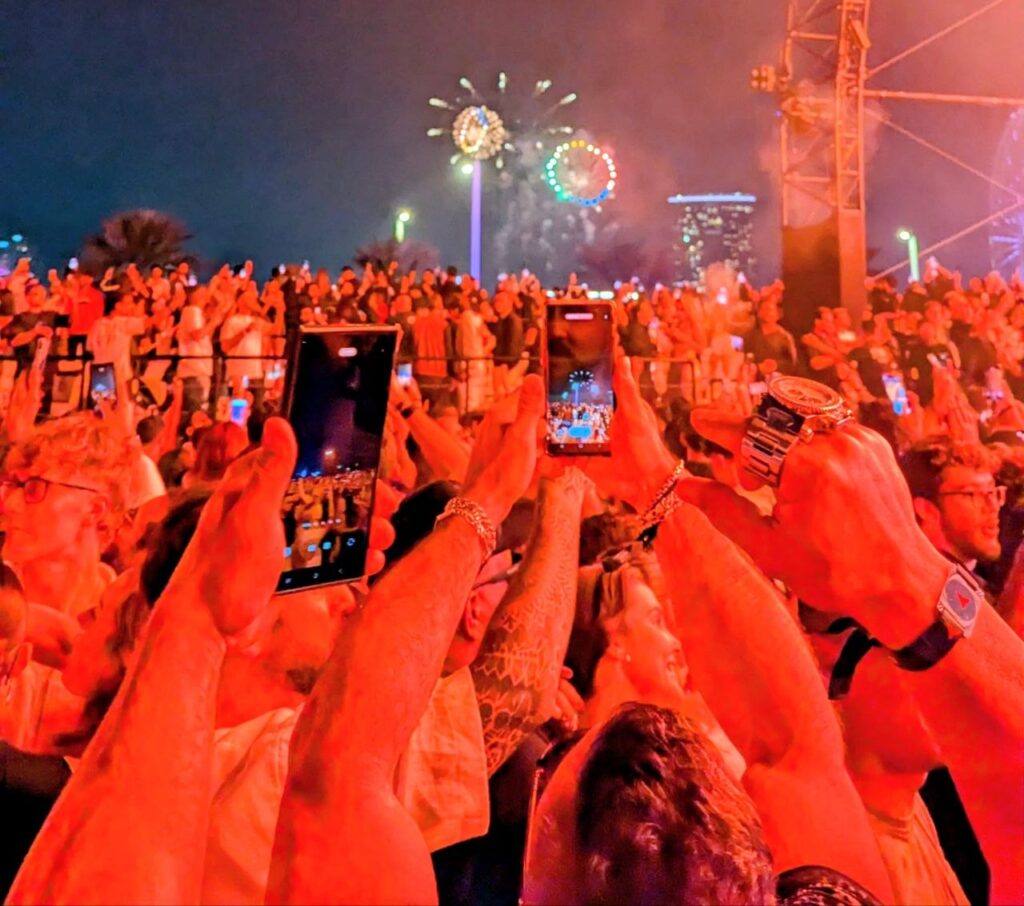
When I first moved to Dubai, I knew absolutely nobody. No close friends. No social circle. No familiar routines. The city looked glamorous from the outside, but emotionally it can feel incredibly lonely in the beginning because everyone seems busy, established, and already connected to someone else.
Ironically, some of the strongest friendships I built there started through completely random situations.
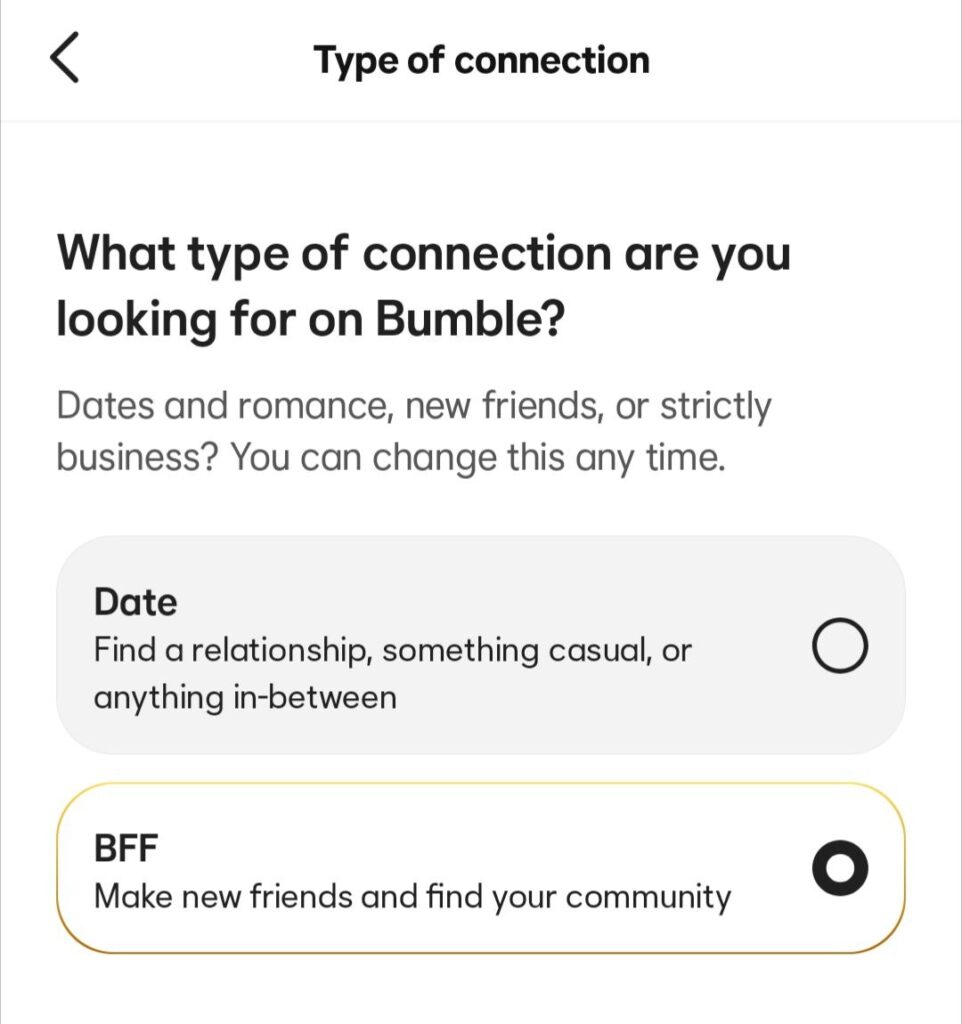
My first real friend in Dubai was someone I met through Bumble Friends. At first it felt strange using an app to look for friendship as an adult, but then I realised almost everybody there was in the exact same situation: new in the city, lonely, emotionally displaced, and trying to build some kind of social life from zero.
I invited her to my balcony for drinks one evening. We sat outside for hours talking about life, relationships, moving abroad, work, culture shock, loneliness, and all the strange emotional realities of starting over in a new country. It did not feel like networking. It felt human. After that evening, we stayed in contact and eventually became real friends.
Another one of my closest friendships started in an even more random way — inside the toilet of a nightclub.
We started talking about something funny while standing near the mirrors, continued laughing for a few minutes, exchanged Instagram accounts almost impulsively, and later I messaged her and invited her for drinks. That small interaction unexpectedly turned into one of the strongest friendships I built in Dubai.
And honestly, that is what many people misunderstand about adult friendship.
Most friendships do not begin with some dramatic movie moment. They begin through tiny social openings that people either ignore or continue.
How to Make Friends in a New Area: The Biggest Mistake Adults Make
One of the clearest patterns appearing throughout discussions about loneliness is that adults massively overestimate how “settled” everybody else is.
People assume:
• everybody already has enough friends
• nobody wants new connections
• invitations are just politeness
• strangers do not want to talk
• social groups are closed forever
But reality looks very different.
Large cities are full of people searching for connection while pretending they are not.
This is why people who successfully adapt socially after moving usually become proactive before they feel comfortable. According to Harvard research on adult friendship and social connection, meaningful relationships are strongly connected to emotional wellbeing and long-term happiness. People stop waiting for friendship to happen naturally and start intentionally placing themselves into environments where interaction becomes easier.
Not random networking events.
Not awkward motivational seminars.
Not forcing themselves into spaces they hate.
Real environments built around repeated activity.
Running clubs. Trivia nights. Language exchanges. Book clubs. Volunteer organisations. Dance classes. Local cafés. Community workshops. Hiking groups. Museums. Sports leagues. Photography walks. Creative meetups. Places where people return repeatedly and slowly become familiar to one another.
Because friendship rarely appears instantly. It develops through repeated exposure.
Why Consistency Matters More Than Charisma
One of the most fascinating things appearing across countless stories was how often friendships formed slowly rather than dramatically.
People become friends after:
• seeing each other every Thursday at trivia night
• attending the same running club weekly
• sitting in the same café repeatedly
• volunteering together every weekend
• continuing conversations after casual meetings
• saying yes to invitations consistently
This explains why many adults struggle socially after moving.
They attend one event.
Nobody instantly becomes their best friend.
They assume it “didn’t work.”
Then they stop showing up.
But human connection does not usually work that way.
Most people need repeated interaction before emotional trust begins developing. Familiarity lowers tension. Repetition removes awkwardness. Strangers slowly become recognised faces, and recognised faces slowly become friendships.
The Psychology Behind Why Cities Feel So Lonely
Modern urban life created a strange contradiction. People are surrounded by others constantly, yet emotionally disconnected from almost everyone around them.
One reason is that adult life became heavily individualised. Work culture rewards independence. Productivity culture glorifies busyness. Social media encourages performance rather than genuine connection. Entire friendships often become passive digital observation instead of real interaction, making it easier for friends to cancel plans all the time without recognizing the long-term impact on the relationship.
And many adults quietly become terrified of rejection.
People avoid texting first.
Avoid inviting people.
Avoid approaching strangers.
Avoid seeming “too interested.”
Avoid admitting loneliness.
But many of the strongest friendships described in these discussions started because somebody ignored that fear for a moment.
One person initiated conversation.
One person sent the first message.
One person invited another person for coffee, drinks, brunch, or a random activity.
And everything changed from there.
How to Make Friends in a New City as an Adult Without Feeling Fake
One of the strongest recurring themes throughout all these experiences was authenticity.
People rarely formed meaningful friendships while pretending to be impressive. In fact, many friendships started because somebody openly admitted:
Simple conversation starters:
• “I’m new here.”
• “I don’t really know anyone.”
• “I’m trying to meet people.”
• “Do you know any good places around here?”
There is something surprisingly human about vulnerability in cities where everybody constantly tries to appear socially complete.
People also repeatedly mentioned that niche interests create stronger friendships faster than generic social spaces. Adults need shared context more than children do. This is why hobby-based communities work so well. A photography group, volleyball league, book club, language exchange, or art class already gives conversation direction before people even introduce themselves. These kinds of communities also tend to be some of the best places for meeting potential partners while traveling, since shared interests make conversations feel far more natural than traditional dating apps.
And perhaps the most important lesson of all is understanding that friendship as an adult is not passive anymore.
It is built intentionally.
Not through perfection.
Not through popularity.
Not through social status.
But through consistency, openness, repetition, curiosity, and small moments most people usually dismiss.
Sometimes friendship begins on a balcony in Dubai over drinks with somebody from Bumble Friends.
Sometimes it begins inside a nightclub bathroom because two strangers laughed at the same ridiculous thing.
And sometimes an entire new life starts simply because somebody decided to continue a conversation instead of ending it.
FAQ
How do you make friends in a new city as an adult?
The best way to make friends in a new city as an adult is to focus on repeated social interactions rather than one-time events. Joining clubs, attending community activities, becoming a regular at local places, and participating in hobby groups can help friendships develop naturally over time.
How do you make friends after moving to a new city?
Making friends after moving to a new city often takes longer than people expect. Instead of trying to meet dozens of people at once, focus on building routines. Regular visits to the same gym, coworking space, running club, or local event can create opportunities for meaningful connections.
How do you meet people in a new city without feeling awkward?
One of the easiest ways to meet people in a new city without feeling awkward is to join activities that already have a shared purpose. Sports clubs, language exchanges, volunteer groups, book clubs, and hobby communities remove the pressure of having to start conversations from scratch.
What are the best places to make friends in a new city?
Some of the best places to make friends in a new city include coworking spaces, gyms, fitness classes, running clubs, community events, volunteer organizations, language exchanges, hobby groups, and local cafes where people regularly gather. The best place is usually somewhere you can return to consistently.
How do you make friends in a new city in your 30s?
Making friends in your 30s can feel more difficult because people often have established social circles, careers, and family commitments. However, many adults successfully build new friendships through professional communities, shared interests, fitness groups, networking events, and local activities that encourage regular interaction.
How do you make friends in a new city when you work from home?
Remote work can make socializing more challenging because you miss the daily interactions that happen in traditional workplaces. Many remote workers find success by joining coworking spaces, attending local meetups, participating in sports groups, or becoming involved in community events outside working hours.
How do you make friends in a new city as an introvert?
Introverts often build strong friendships by focusing on smaller, recurring social environments rather than large networking events. Book clubs, creative workshops, hobby groups, volunteering, and interest-based communities can provide comfortable opportunities to meet like-minded people without feeling overwhelmed.
What are the best apps to make friends in a new city?
Several apps can help people build social connections after relocating. Popular options include Bumble BFF, Meetup, Eventbrite, Facebook Groups, and local community platforms. While apps can help you discover events and people, real friendships usually develop through consistent face-to-face interaction.
How long does it take to make friends in a new city?
There is no fixed timeline, but many people need several months before they begin feeling connected to a new city. Building friendships as an adult often requires patience, consistency, and showing up regularly in the same social environments.
Why is it so hard to make friends as an adult?
Unlike school or university, adult life provides fewer built-in opportunities for repeated social interaction. Busy schedules, remote work, family responsibilities, and established social circles can make meeting new people more challenging. The good news is that friendship still develops through the same process it always has: repeated contact, shared experiences, and time.
Explore the Human Connection Hub
Discover more articles about friendship, loneliness, dating, ghosting and modern relationships in our Human Connection Hub.
Explore the Human Connection Hub →This article combines personal experience, independent editorial research, and discussions from adults who have navigated loneliness, relocation, and the challenge of building new social connections later in life.
Research sources included:
- Personal observations and experiences related to moving, travelling, and building friendships in unfamiliar environments.
- Community discussions and first-hand experiences shared on Reddit by people who have relocated, travelled, or started over in a new city.
- Psychological research and expert commentary on friendship, belonging, and social connection published by Psychology Today.
- Research and health insights on social relationships, loneliness, and wellbeing published by Harvard Health Publishing.
The goal is to provide practical and realistic advice for adults who want to build meaningful friendships, overcome social isolation, and create a sense of belonging in a new city.

Founder & Editor
Founder of The City Theory, writing about digital nomad lifestyle, modern city culture, remote work, travel experiences, psychology and human behaviour around the world.