Why Does Gen Z Hate Phone Calls? What Phone Anxiety Reveals
Why Does Gen Z Hate Phone Calls So Much?
Gen Z tends to dislike phone calls because calls demand an immediate response, while texting gives people more control over when and how they communicate. For a generation that grew up with messaging apps, social media and asynchronous communication, an unexpected phone call can feel less like a casual conversation and more like an interruption that requires instant attention. Phone anxiety, fear of awkward pauses, spam calls and the ability to think before replying all help explain why many young people would rather receive a text first.
What makes this interesting is that the shift is not simply about Generation Z having worse social skills or communicating less. After speaking to people across different generations about their relationship with phone calls, I found something much more complicated: people are communicating constantly, but the rules around availability have changed.
Gen Z spends enormous amounts of time exchanging messages, voice notes, TikToks, memes, Instagram replies and group chats. What has disappeared is the old expectation that owning a phone means being ready for an unscheduled real-time conversation whenever somebody decides to call.
The issue is not that younger people stopped communicating.
Generation Z communicates constantly. Messages, voice notes, TikToks, memes, Instagram replies, Discord chats, Snapchat streaks, and group conversations now dominate everyday interaction. Communication itself never disappeared. What disappeared is the expectation that people should instantly become emotionally available at any moment without warning. Platforms built around endless short-form content also changed the way people interact online and process attention. This deeper analysis about why people are addicted to TikTok explains how modern digital platforms gradually reshape communication habits, focus, and emotional responses.
That distinction explains a lot about modern generation Z phone behavior.
In fact, discussions around gen z phone call trends have exploded across social media, psychology articles, and online forums as more people notice how younger generations increasingly avoid spontaneous calls in favour of texting, voice notes, and carefully controlled digital communication.
For many people today, phone calls no longer feel casual. They feel demanding.
Several people described calls as interruptions that immediately force them to stop whatever they are doing and shift their full emotional attention toward another person. One woman in her twenties explained that she dislikes calls because they require her to “drop everything and pause life for a conversation that often goes nowhere.” Another person described phone calls as “someone pressing play on your personality with no rehearsal.”
That sentence captures something surprisingly important about modern communication.
Texting allows people to pause, think, edit, rethink and carefully shape how they respond, while phone calls remove much of that protection. This preference for control is not purely anecdotal: research into Gen Z phone anxiety and communication habits has linked asynchronous communication with a greater sense of control, while unexpected real-time interactions can feel more socially demanding.
For a generation raised online, that spontaneity increasingly feels emotionally uncomfortable.
My Own Relationship With Phone Calls Changed Completely

What makes this shift even more interesting is that I personally grew up during a completely different era of communication.
I grew up at a time when mobile phones did not really exist yet and everyone still communicated through landline telephones. Back then, phone calls felt completely normal. I still remember sitting on the floor in the hallway as a child, holding a telephone receiver attached to a long cord and talking to my friends for hours. If I wanted to go outside, ask about homework, or simply talk to somebody after school, I would call people directly. Sometimes I would call several friends one after another until somebody picked up. Nobody found that strange because that was simply how communication worked.
Phone calls were not associated with stress back then. They felt casual, familiar, and emotionally natural.
Today, my relationship with phone calls has completely changed.
Almost all communication with my friends and relatives now happens through messaging apps. If somebody I know wants to contact me, they will usually text me first instead of calling directly. Because of that, unexpected calls now feel unusual rather than normal. Calling somewhere to ask for information, book something, or solve a problem genuinely creates anxiety for me in a way that would have seemed absurd years ago.
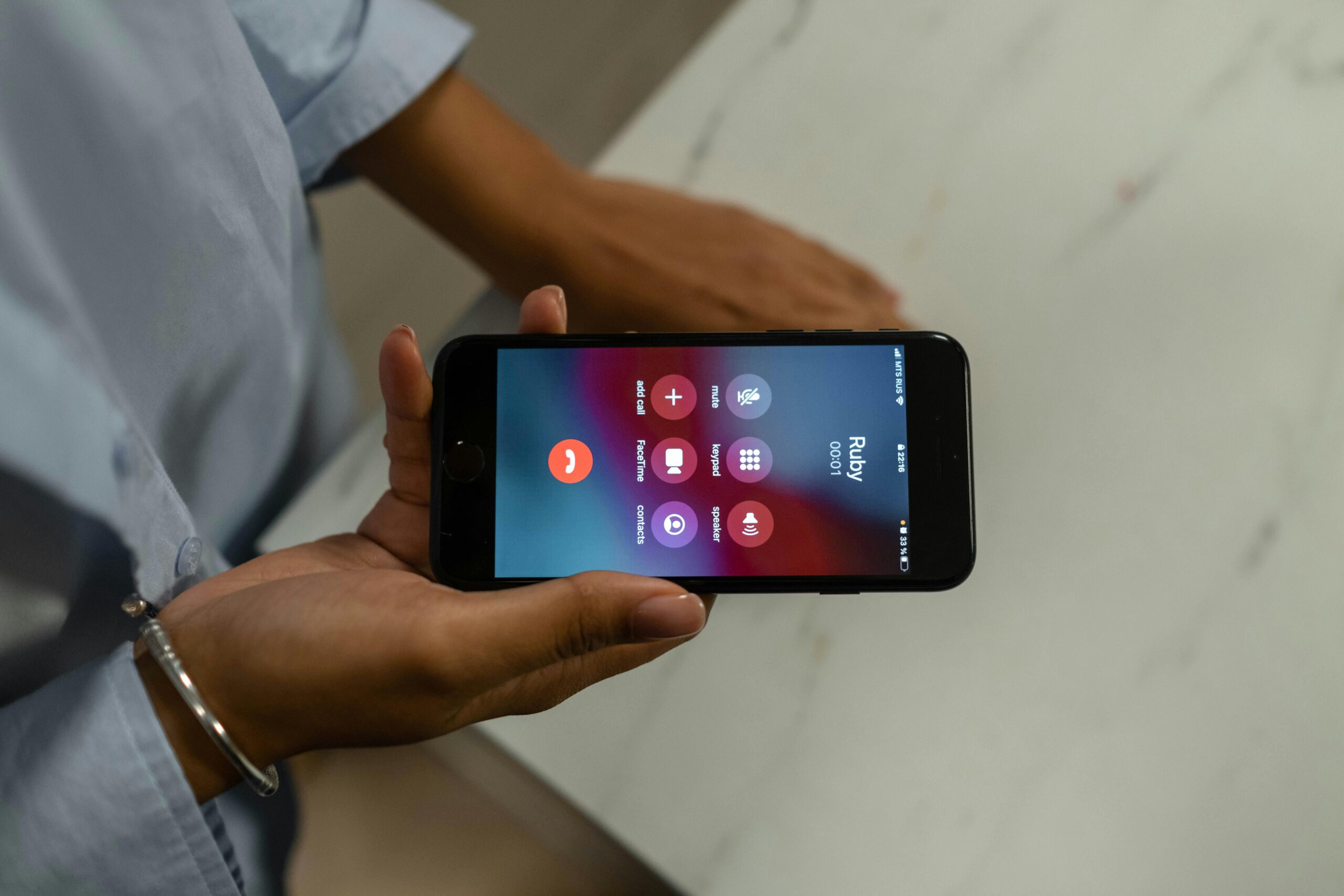
If an unknown number calls me, I often do not answer immediately because I do not know who it is or what they want. The strange part is that the fear is not really about the phone itself. What feels uncomfortable is speaking to somebody I cannot see.
Without facial expressions, body language, eye contact, or visual context, conversations can suddenly feel emotionally unclear and strangely intense. It becomes harder to understand tone, emotion, pauses, or intention. Texting removes that pressure because there is time to process everything slowly, while phone calls require immediate emotional reactions in real time.
And that may explain why so many people — including people who did not even grow up with smartphones — increasingly feel uncomfortable with phone calls today.
The issue is not necessarily the technology itself. It is how modern communication changed our emotional expectations around interaction, availability, and social comfort.
Why Millennials Hate Phone Calls Too
Phone call anxiety is not exclusive to Gen Z. Many Millennials also prefer texting to calling and describe unexpected phone calls as stressful, intrusive or unnecessarily demanding, suggesting that the change may be broader than a single generation.
Many Millennials described almost identical frustrations. Some admitted they automatically associate unexpected calls with stress because modern phone calls are usually connected to work problems, customer service issues, emergencies, or awkward obligations. Others explained that they would rather spend an hour solving something online than make a five-minute call. Studies published by Harvard Business Review have also explored how constant digital communication and workplace accessibility increasingly contribute to emotional exhaustion and communication fatigue.
Several people described calls as emotionally exhausting because they demand immediate attention. One person explained that texting feels safer because it allows time to “collect thoughts and process responses” instead of being forced into instant reactions.
Another admitted that calls make them anxious because they never know how long the conversation will last. A simple question can unexpectedly turn into thirty minutes of awkward small talk, rambling, or emotional labour.
This may sound insignificant, but it reflects something larger happening culturally.
Modern life increasingly revolves around multitasking, fragmented attention, constant notifications, and overstimulation. Texting fits naturally into that rhythm because conversations happen gradually throughout the day while people work, cook, commute, scroll online, or do other things at the same time.
Phone calls interrupt that rhythm completely.
Why Unexpected Phone Calls Feel So Stressful
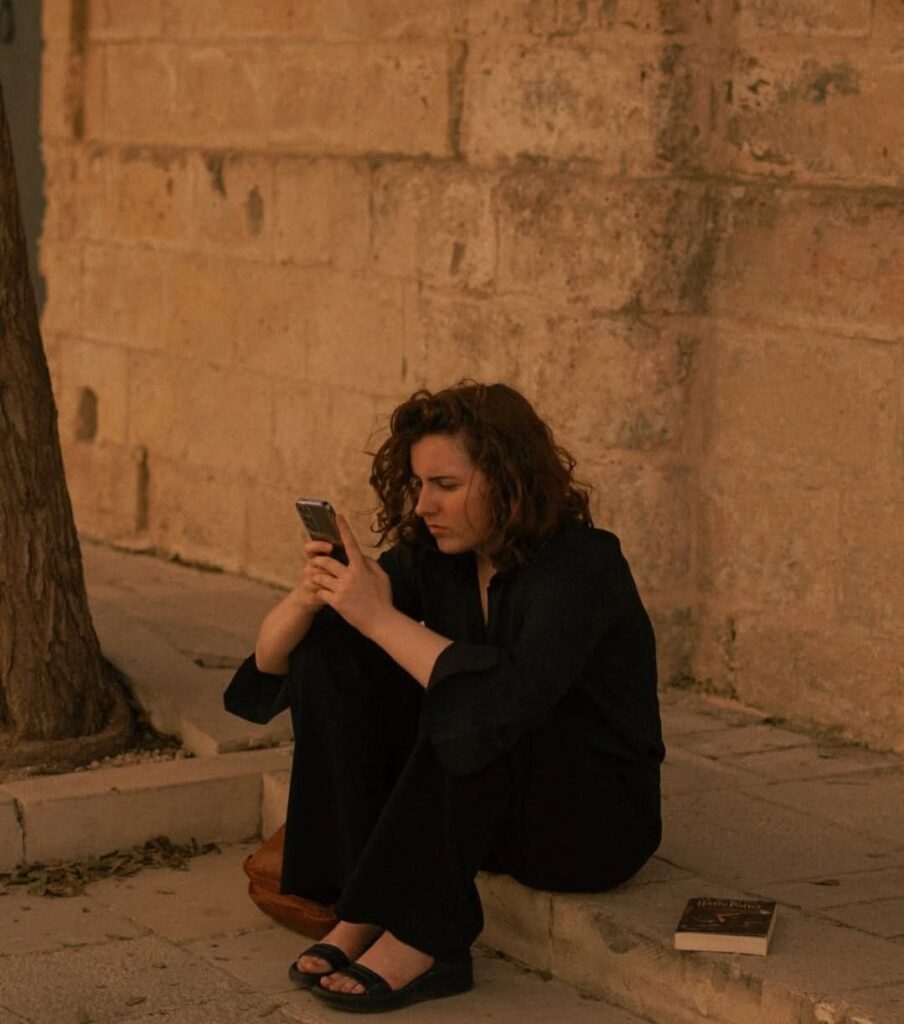
One of the strongest themes that kept appearing in conversations was the idea of personal autonomy.
Modern smartphones created a world where people are theoretically reachable every hour of the day. Messages, work chats, social media notifications, delivery apps, emails, and endless digital obligations constantly compete for attention. Because of that, many people became extremely protective over their mental space and free time.
Texting gives people control.
A message can be answered later. It can wait until somebody feels emotionally prepared to respond. A phone call feels different because it creates pressure for immediate engagement.
One person explained it very directly: “You do not get to have a monopoly on my time.”
That feeling may sound harsh, but it reflects how emotionally overwhelmed many people already feel. Unexpected calls now feel less like connection and more like sudden demands for attention inside lives that already feel overloaded.
Several people described calls as invasive because they force them to instantly switch emotional focus without warning. Others admitted they dislike calls because they feel “held hostage” once the conversation begins.
In many ways, phone anxiety may actually reflect something deeper than communication preferences.
It reflects exhaustion.
Why Does Gen Z Prefer Texting Over Calling?
One of the biggest reasons Gen Z prefers texting over calling is control. A text message allows you to think before responding, edit what you want to say and answer when you actually have the time or emotional energy for a conversation. A phone call removes most of those options because the interaction happens immediately and in real time.
Modern communication became heavily curated. Social media trained people to carefully manage how they present themselves online. Captions can be rewritten. Messages can be edited. Photos can be filtered. Posts can be deleted. Even emotional reactions can be delayed and carefully constructed.
Phone calls remove that layer of control entirely.
Several people admitted they feel uncomfortable having to respond instantly without preparation. Others explained that they prefer texting because it gives them time to think carefully before speaking.
One person described phone calls as emotionally stressful because “having to just be a person on the phone” feels strangely vulnerable now.
That sentence explains a surprising amount about modern social anxiety.
The internet permanently records awkward moments, embarrassing mistakes, failed communication, and emotional reactions. Over time, many people became extremely careful about how they communicate publicly and privately. Spontaneous interaction increasingly feels risky because people are no longer used to emotionally unfiltered conversation. This also affects real-life relationships and social confidence, especially in big cities where many adults already struggle with isolation and connection. This article about how to make friends in a new city as an adult explores how modern communication habits changed the way people build friendships and connect with others offline.
This may also explain why younger generations increasingly struggle with other forms of spontaneous social interaction, including approaching strangers, asking employees questions in stores, making appointments, or meeting people offline.
Generation Z grew up during an era where communication happened primarily through screens.
Then the COVID-19 pandemic intensified this even further during critical developmental years, pushing millions of young people deeper into isolated digital interaction instead of face-to-face conversation.
The result is a generation that communicates constantly while simultaneously feeling emotionally exhausted by real-time interaction.
Why Phone Calls Feel Different Today
Part of the issue may simply be that the cultural role of phone calls changed completely.
Years ago, calls were social experiences. Teenagers spent hours talking to friends after school. Families called relatives simply to chat. Long conversations felt emotionally normal because calls represented connection itself.
Today, casual interaction already happens continuously through messaging apps and social media throughout the day. This shift has become noticeable enough to turn into a broader cultural conversation. Reports about Gen Z’s growing discomfort with phone calls describe the same tension between the convenience of texting and the greater emotional intensity of speaking to someone in real time.
As a result, phone calls increasingly became associated with practical problems instead of emotional closeness.
Most people now receive calls from workplaces, banks, insurance companies, spam callers, customer service departments, delivery drivers or emergency contacts. Several people admitted that when their phone rings unexpectedly, their first emotional reaction is immediate stress because calls now tend to signal obligation rather than comfort. As texting gradually became the default form of casual communication, phone calls became increasingly associated with urgency, problems or situations requiring an immediate response. That shift has also changed how younger generations react emotionally to the sound of a ringing phone, with an unexpected call sometimes creating anxiety before they even know who is calling.
The Bigger Meaning Behind Why Generation Z Hate Calls
The debate around why does Gen Z hate phone calls is ultimately about much more than communication preferences.
It reflects a generation trying to protect attention, emotional energy, privacy, and mental space inside a culture built around constant accessibility. Modern life increasingly demands instant responses, endless availability, multitasking, digital performance, and permanent connection.
Many younger people are not rejecting communication itself.
In fact, several people admitted they strongly prefer face-to-face interaction with people they genuinely care about. Others said they enjoy planned calls when emotionally prepared for them. What many people reject is forced immediacy — the expectation that somebody should instantly become socially available at any moment simply because they own a smartphone. Ironically, while many people avoid unexpected phone calls, they often develop parasocial relationships with online creators, influencers and personalities they have never met in real life.
Phone calls now feel emotionally intense because modern life itself already feels emotionally overwhelming.
And perhaps that is the real reason why generation Z phone behavior feels so different today.
The issue is not really about technology alone.
It is about how modern society changed the relationship people have with attention, anxiety, privacy, emotional performance, and human connection itself.
FAQ
What is phone call anxiety?
Phone call anxiety is the feeling of stress, nervousness, or discomfort before, during, or even after making or receiving a phone call. Some people worry about saying the wrong thing, being caught off guard, or not knowing how the conversation will unfold.
Why does Gen Z hate phone calls?
Many members of Gen Z grew up communicating primarily through text messages, social media, voice notes, and messaging apps. Unlike phone calls, these forms of communication allow more time to think, edit responses, and communicate without the pressure of an immediate reaction. As a result, many young people find phone calls more stressful than texting.
Why does Gen Z text before calling?
For many Gen Z users, texting before calling has become a form of modern phone etiquette. A message gives the other person warning, allows them to say whether they are available and removes the uncertainty of an unexpected call. In this sense, “Can I call you?” serves almost like a small appointment for a conversation.
Why does Gen Z not answer unknown numbers?
Many young people avoid unknown calls because they expect spam, scams, sales calls or an unexpected problem. Since friends and family usually communicate through saved contacts or messaging apps, an unfamiliar number can now feel more suspicious than it did when phone calls were the default form of communication.
Why do phone calls make me anxious?
Phone calls can feel unpredictable because conversations happen in real time. Unlike text messages, there is no opportunity to carefully edit your response or take extra time to think. For some people, this lack of control creates anxiety, especially in professional or unfamiliar situations.
Is phone anxiety real?
Yes. Phone anxiety is a real experience reported by millions of people. While it is not always considered a clinical condition on its own, it is often linked to social anxiety, fear of judgment, communication stress, and discomfort with spontaneous conversations.
What is telephobia?
Telephobia is the fear of making or receiving phone calls. People with telephobia may avoid answering calls, postpone important conversations, feel anxious before dialing a number, or experience physical symptoms such as sweating, increased heart rate, or nervousness when the phone rings.
Why do young people prefer texting instead of calling?
Texting offers more control over communication. People can respond when convenient, think about their message before sending it, and avoid the pressure of immediate conversation. Many young adults see texting as a more efficient and less stressful way to communicate than phone calls.
Can social media increase phone anxiety?
Some researchers believe it can. Spending more time communicating through texts, social media, and messaging apps may reduce opportunities to practice real-time conversations. Over time, this can make phone calls feel less familiar and more intimidating, especially for younger generations who rarely use them.
Why do unexpected phone calls feel stressful?
Unexpected calls can create anxiety because they demand immediate attention and response. Many people prefer messages because they allow time to prepare mentally before engaging in a conversation. An incoming call can feel intrusive, especially during work, study, or personal time.
Is phone call anxiety more common in Gen Z?
Studies and surveys suggest that phone call anxiety is particularly common among younger generations. Many Gen Z adults report feeling more comfortable communicating through messaging apps than through voice calls, especially when speaking with strangers, businesses, or authority figures.
How can I overcome phone call anxiety?
The most effective way to reduce phone call anxiety is through regular practice. Preparing talking points, starting with short calls, using voice notes, and gradually increasing phone interactions can help build confidence. Like many forms of anxiety, phone anxiety often becomes easier to manage with repeated exposure.
Explore the Culture & Society Hub
Discover more stories about language, identity, traditions, social habits and the cultural details that shape everyday life around the world.
Explore the Culture & Society Hub →This article combines first-hand experience of how phone communication has changed across generations with independent editorial research into Gen Z phone anxiety, texting preferences, social behaviour, and the wider shift toward asynchronous communication. The personal observations in this article are based in part on my own experience of growing up when landline calls were a normal part of everyday social life and later adapting to a communication culture dominated by messaging apps, social media, and text-based conversations.
Research and reporting used for this article:
- First-hand observations of changing phone habits, including the shift from frequent landline conversations to texting, messaging apps, and discomfort with unexpected calls.
- Community discussions and first-hand accounts from younger adults describing phone call anxiety, preference for texting, fear of spontaneous conversations, and changing expectations around personal availability.
- Research and expert commentary from Psychology Today examining Gen Z communication habits, anxiety around unexpected interaction, and the greater sense of control offered by asynchronous communication.
- Reporting from The Guardian exploring Gen Z attitudes toward phone calls, texting culture, telephobia, and the changing social expectations surrounding voice communication.
- Published research examining texting preferences and phone call anxiety across generations was used as additional context when comparing Gen Z communication habits with those of older age groups.
Rather than assuming that Gen Z avoids phone calls simply because of poor social skills or excessive smartphone use, this article looks at several overlapping explanations, including control over communication, fear of unexpected interaction, changing phone etiquette, digital overload, spam calls, and the decline of spontaneous voice conversations. Personal experiences and community observations are presented as such and are not treated as universal characteristics of an entire generation.

Founder & Editor
Founder of The City Theory, writing about digital nomad lifestyle, modern city culture, remote work, travel experiences, psychology and human behaviour around the world.