
Remote Work Loneliness: Why Working From Home Feels So Isolating
Remote work loneliness is the feeling of social disconnection that can develop when working from home removes much of the casual human contact that normally happens throughout a workday. You can genuinely enjoy remote work, appreciate the freedom and hate commuting, yet still find yourself feeling lonely working from home after spending day after day alone. In my case, that contradiction became impossible to ignore after almost two years of full-time remote work: I liked working remotely, but the isolation gradually changed how my everyday life felt.
Recent research suggests that this experience is not simply anecdotal. A 2026 study of more than 87,000 employed U.S. adults found that people working remotely three or more days per week had higher odds of reporting loneliness than those who never worked remotely, while working remotely one or two days per week showed no significant association after adjustment. Other large-scale research has found that the increase in time spent alone is particularly pronounced among remote workers who live by themselves.
In many cases, these changes affect far more than mental well-being, influencing everything from productivity to eating habits, which helps explain why so many remote workers eventually struggle with unexpected weight gain.
For years, remote work was presented as the future of freedom. After the pandemic accelerated digital work culture around the world, millions of people suddenly found themselves working entirely from bedrooms, kitchen tables, cafés, spare rooms, and small apartments. At first, the change felt liberating. Many workers described an immediate sense of relief after escaping crowded offices, endless commutes, fluorescent lighting, forced small talk, and rigid schedules. According to Harvard Business Review, remote work flexibility initially improved work-life balance for many employees before long-term isolation and burnout started becoming more visible.
But as months of remote work turned into years, a more complicated reality began to emerge. For many people, the problem was not necessarily the work itself or even working from home; it was the gradual disappearance of ordinary human contact from the working day.
Why Does Working From Home Feel So Lonely?
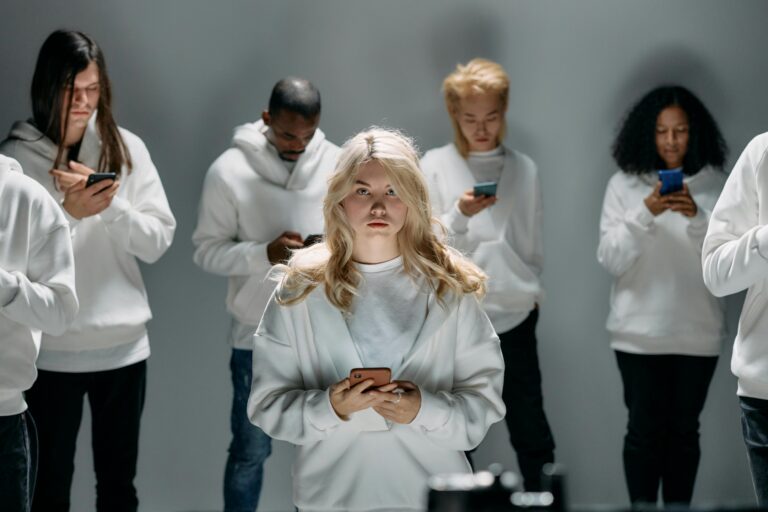
One of the most interesting things about work from home loneliness is that many people experiencing it are not technically alone. Some have partners, families, online friends, social media, group chats, or occasional social plans after work. Yet despite this, many still describe an overwhelming emotional emptiness during large parts of the day. This is especially common among people building remote careers while travelling, where freedom and flexibility can sometimes come at the cost of daily face-to-face social interaction.
What remote work removes is not simply interaction. It removes passive human presence.
For decades, offices unintentionally created social structure. Even people who disliked corporate culture still experienced dozens of small daily interactions without thinking about them. Greeting coworkers in the morning, overhearing conversations nearby, making coffee beside somebody, walking to lunch, sitting near people during meetings, commuting beside strangers, or casually chatting for a few minutes throughout the day all created small forms of emotional stimulation that most people barely noticed until they disappeared completely. Remote work erased those interactions almost overnight.
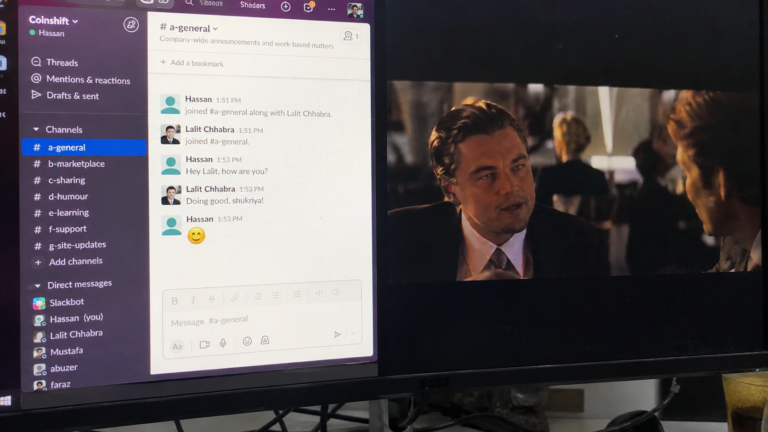
Many people working remotely now describe entire days spent in complete silence except for Slack notifications, emails, or short task-based meetings. Some explain that they can go from morning until evening without speaking out loud to another person once. Others admit they sometimes turn on YouTube videos, podcasts, livestreams, or background noise simply to recreate the emotional feeling of human presence inside the room.
The loneliness is not always dramatic or obvious.
Often, it feels slow, quiet, and difficult to explain.
My Experience With Remote Work Loneliness After Two Years at Home
I understand remote work loneliness from personal experience because I spent almost two years working from home as a full-time employee on a strict 9 AM to 6 PM schedule. I had wanted the freedom of remote work, but I had not expected how different life would feel once most ordinary human interaction disappeared from my weekdays.
I worked remotely as a full-time employee with a strict schedule from 9 AM until 6 PM every single day. At first, it sounded ideal. No commuting, no office stress, no exhausting morning rush, no crowded spaces. But very quickly, I started noticing something changing emotionally. I was losing motivation while working from home, even though the job itself had not suddenly become more difficult. Without the commute, office environment and everyday contact with other people, my days started blending into each other.
The isolation slowly became impossible to ignore.
Because my entire workday happened alone at home, my interaction with people became extremely limited. Most communication happened through messages, emails, or short online meetings that felt purely functional rather than human. Over time, I noticed my mood getting worse almost constantly. The days started blending together emotionally in a way that felt unhealthy. Many of the emotional symptoms connected to job burnout and emotional exhaustion can quietly overlap with long-term isolation during remote work.
At some point, the highlight of my workday genuinely became leaving the apartment for twenty minutes just to walk to the supermarket and buy lunch. That small break in the middle of the day started feeling like my only real connection to the outside world.
I also began waiting for weekends with an intensity that felt emotionally alarming. Going out to a bar, sitting around people, hearing conversations, socializing, and simply existing around other human beings started feeling like a major event instead of something normal. Social interaction slowly transformed into a “special occasion” rather than a natural part of everyday life.
And that was the moment I realized something was wrong.
I started feeling strangely detached from normal social life because of how isolated my routine had become. It was not that I disliked people; my daily life simply no longer contained enough real-world interaction to feel balanced.
The strange part is that I did not necessarily hate remote work itself.
What I hated was the rigidity of being trapped inside the same space for nine straight hours every single day without flexibility, movement, spontaneity, or human atmosphere. During those years, feeling lonely working from home did not feel dramatic or obvious. It felt quiet, repetitive, emotionally flat, and psychologically exhausting. At the same time, many remote employees developed new anxieties around constant online visibility, leading some to search for ways to keep their Slack status green while working remotely when productivity did not always involve active keyboard or mouse use.
Everything changed once I left full-time remote employment and started freelancing. The flexible schedule immediately made remote work feel completely different emotionally. Suddenly, I could leave during the middle of the day and go to the beach, take a walk, meet somebody for coffee, work from a café, or simply spend time outside without feeling trapped by a rigid corporate schedule.
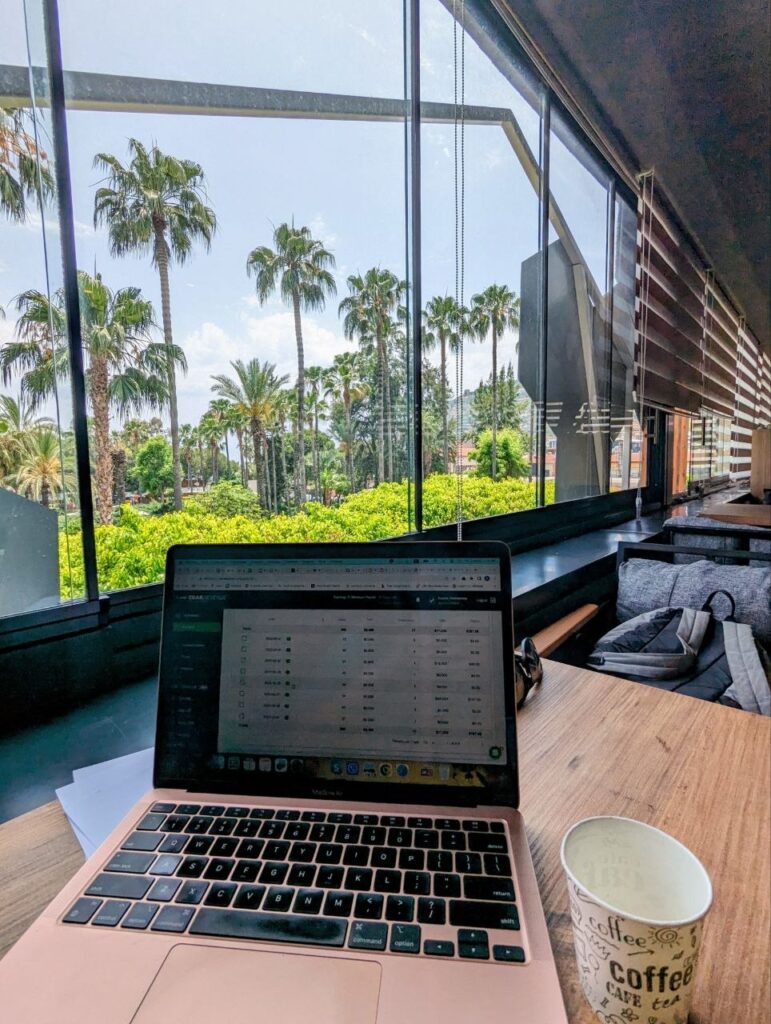
That freedom changed everything psychologically.
Because during those years working strict remote hours from home, I often genuinely felt less like somebody working remotely and more like somebody sitting alone in a social isolation remote work chamber staring at a screen for most of their life. Ironically, many people searching for a better lifestyle focus only on finding a remote position, but rarely think about where to find remote jobs with no experience and what daily life might actually look like after they get one.
Can Working From Home Make You More Socially Isolated?
One of the strongest patterns emerging from remote work culture is the growing fear that long-term isolation quietly changes people socially.
Many remote workers describe becoming less confident in conversations, less comfortable in public situations, and increasingly anxious around groups of people after spending years working alone. Some explain that they now struggle with social interaction in ways they never experienced before remote work. Others admit they became so accustomed to isolation that even normal social situations now feel emotionally overwhelming.
Several people describe walking into busy environments after long periods of remote work and suddenly feeling overstimulated by noise, conversations, movement, and human interaction itself. Others say they increasingly avoid leaving the house because isolation slowly became their default emotional state.
This creates a strange contradiction inside modern remote culture.
People enjoy the freedom of working from home while simultaneously noticing that too much isolation slowly damages their mental wellbeing.
The issue is especially intense for people living alone, single remote workers, or professionals who moved away from large cities into quieter areas during the remote work boom. Many describe feeling emotionally disconnected not only from coworkers, but from society itself.
For some, weekends become emotionally harder than workdays because the isolation no longer ends after logging off.
Remote Work Loneliness Can Affect Introverts Too
Remote work discussions are often simplified into personality stereotypes. Introverts are expected to love working remotely while extroverts are expected to hate it. But real experiences appear far more complicated.
Many introverts openly admit they prefer remote work because it removes office distractions, performative professionalism, gossip, commuting stress, and forced social interaction. Some even say they feel more emotionally stable and productive at home than they ever did inside corporate offices. For those who occasionally want a change of environment without paying for an office, free places to work with a laptop can offer a good balance between productivity and flexibility.
At the same time, many introverted remote workers still describe feeling emotionally isolated after long periods without physical human presence.
This reveals something important about human psychology.
Solitude and isolation are not the same thing.
Enjoying quiet environments does not necessarily mean human beings can emotionally thrive without regular physical interaction. Research on working from home has repeatedly identified social isolation, loneliness and reduced contact with others as potential challenges, although the effects vary considerably depending on circumstances, social support and working arrangements. Even weak forms of social contact — hearing conversations nearby, seeing familiar faces, making eye contact with strangers, sitting around other people in public spaces — help regulate mood, energy, focus, and emotional stability in ways digital communication cannot fully replace. Research discussed by Verywell Mind has explored how regular social interaction strongly affects emotional wellbeing, stress levels, and mental health.
Text messages and Zoom meetings may transfer information efficiently, but they rarely recreate the emotional atmosphere of shared physical space. Modern communication habits explored in Why Generation Z Hate Calls show how digital interaction increasingly replaces spontaneous real-world communication.
That may explain why so many remote workers eventually begin searching for alternatives that recreate some form of human presence:
People are not simply looking for activities.
They are searching for structure, rhythm, and emotional connection inside increasingly isolated digital lives.
For remote workers, location matters more than many people realize. Some of the best neighborhoods in Amsterdam for remote workers offer stronger communities, coworking spaces, and opportunities to meet people.
Can Hybrid Work Reduce Remote Work Loneliness?
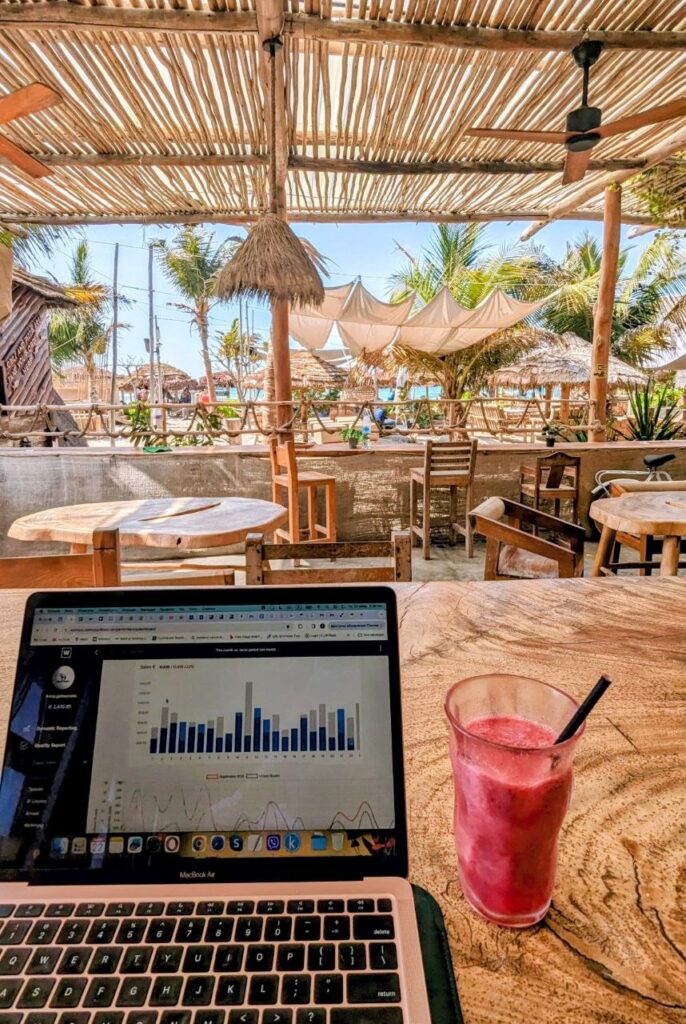
Interestingly, many people who struggle with feeling lonely working from home do not actually want a full return to traditional office culture.
What many people want instead is balance.
Hybrid work repeatedly appears as the most emotionally sustainable solution because it combines independence with periodic human interaction. Even one or two office days around other people each week often seems enough to reduce feelings of emotional stagnation, which is why many employees are now actively researching how to convince company for hybrid work without damaging their professional image.
The emotional problem with remote work is rarely productivity.
Many remote workers are highly productive.
The issue is emotional atmosphere.
Human beings were not designed to spend most of life interacting through screens while physically separated from other people for entire days at a time.
Modern Life Is Removing Shared Spaces
The rise of work from home loneliness may also reflect something much larger happening culturally.
Modern technology increasingly removes shared physical experiences from everyday life:
• remote work
• online shopping
• streaming entertainment
• food delivery
• texting instead of calling
• digital banking
• online friendships
• AI interaction
• algorithmic entertainment
• remote dating
• virtual meetings
Technology optimized convenience, but it also quietly removed many accidental social interactions that previous generations experienced naturally every single day.
Today, many adults can work, eat, shop, communicate, date, and entertain themselves almost entirely through screens without physically interacting with another human being for long periods of time.
For some people, this feels peaceful.
For others, it slowly becomes psychologically destabilizing.
And many people only fully realize the emotional cost after several years.
How to Stop Feeling Lonely When Working From Homee
The deeper issue behind feeling isolated working remote may not actually be remote work itself.
The deeper issue is that modern adult life no longer provides clear systems for building community outside work.
For decades, offices accidentally functioned as social ecosystems where friendships, relationships, routines, conversations, and daily interaction happened automatically. Once those systems disappeared, many adults realized they had very few natural alternatives left.
That is why so many remote workers increasingly search for connection through hobbies, gyms, classes, sports leagues, online communities, cafés, coworking spaces, and local events.
People are trying to rebuild social infrastructure that modern digital life quietly removed.
Because eventually, flexibility without connection can start feeling less like freedom and more like isolation.
The physical setup matters too. Creating a dedicated place to work can make it easier to separate working hours from the rest of life, even if you live in a small apartment. This guide to setting up a home office for remote work explains how to create one without turning an entire room into an office.
The most effective change in my own case was not abandoning remote work but changing the structure around it. Once I stopped being tied to the same apartment from 9 AM to 6 PM, I could work from cafés, take walks during the day, meet people for lunch and build ordinary human contact back into my routine. For someone who cannot change their schedule completely, even smaller changes can help: working outside the home once or twice a week, scheduling regular lunches or coffee with other people, joining a gym or class that creates repeated contact, and deliberately leaving the house before or after work rather than waiting for social interaction to happen spontaneously.
FAQ
Why do I feel isolated working from home?
Many people feel isolated working from home because remote work removes the small daily interactions that naturally happen in offices and public spaces. Even if you communicate through emails, Slack, or Zoom, digital communication often cannot fully replace the emotional benefits of being physically around other people.
Why do I feel isolated working from home even though I like remote work?
This is surprisingly common. Many remote workers genuinely enjoy the flexibility, freedom, and comfort of working from home while simultaneously feeling disconnected from other people. Liking remote work and experiencing loneliness are not mutually exclusive. You can enjoy the lifestyle while still missing human interaction.
How does work from home loneliness affect people who live alone?
Work from home loneliness can feel particularly intense for people who live alone because there may be very little face-to-face interaction throughout the day. Some remote workers report going entire days without speaking to another person in real life, which can gradually contribute to feelings of isolation, boredom, and emotional exhaustion.
How do I stop feeling lonely working from home?
Reducing loneliness often requires intentionally creating social structure outside work. Many people find that coworking spaces, coffee shops, gyms, hobby groups, volunteering, community events, and regular social routines help recreate some of the human connection that remote work removes.
Why does remote work feel emotionally draining?
Remote work can become emotionally draining when the boundaries between work and personal life start to disappear. Long periods of screen time, limited social interaction, repetitive routines, and spending most of the day in the same environment can create a sense of emotional fatigue even when the workload itself is manageable.
Can working from home change your personality?
Some remote workers report becoming less socially confident, more withdrawn, or less comfortable in busy environments after spending years working alone. While working from home does not permanently change who you are, long-term isolation can influence social habits, communication patterns, and emotional wellbeing.
Why does working from home make me feel disconnected?
Many people feel disconnected because remote work removes the sense of belonging that naturally develops through shared physical environments. Conversations, casual encounters, office routines, and everyday social interactions help people feel connected to a larger community. Without them, work can sometimes feel emotionally detached.
Do introverts experience remote work loneliness too?
Yes. Although introverts often prefer quiet environments and independent work, many still need regular human interaction. Enjoying solitude is not the same as enjoying isolation. Even introverted remote workers can experience loneliness when physical social contact becomes too limited.
How can I make remote work less lonely?
Making remote work less lonely often involves creating opportunities for regular human interaction. Working from a café, joining a coworking space, attending local meetups, participating in fitness classes, taking daily walks, or scheduling social activities throughout the week can help create a healthier balance between independence and connection.
Is hybrid work better for mental health?
For many people, hybrid work offers the best balance. It combines the flexibility of remote work with the social benefits of spending time around colleagues and other people. Research and employee surveys frequently show that hybrid work can help reduce feelings of isolation while preserving many of the advantages that make remote work attractive.
Is work from home loneliness normal?
Yes. Feeling lonely while working remotely is a common experience, especially among people who live alone, recently moved to a new city, or have limited opportunities for in-person interaction. Experiencing loneliness does not mean remote work is failing—it often means people need additional sources of community outside their jobs.
What are the signs of remote work isolation?
Common signs of remote work isolation include feeling emotionally disconnected, losing motivation, avoiding social situations, becoming overly attached to work routines, struggling to separate work from personal life, and increasingly relying on digital communication while spending less time around people in the real world.
Explore the Human Connection Hub
Discover more articles about friendship, loneliness, dating, ghosting and modern relationships in our Human Connection Hub.
Explore the Human Connection Hub →This article combines personal experience with remote work, independent editorial research, and discussions from professionals who have experienced loneliness, isolation, and social challenges while working from home.
Research sources included:
- Personal observations related to remote work, home-based employment, and work-life balance.
- Community discussions and first-hand experiences shared on Reddit by remote workers, freelancers, and digital nomads.
- Workplace culture, productivity, and employee wellbeing research published by Harvard Business Review.
- Mental health and psychological wellbeing resources published by Verywell Mind.
The goal is to explore why working from home can sometimes lead to feelings of isolation, how it affects mental wellbeing, and what practical steps remote workers can take to maintain meaningful social connections.

Founder & Editor
Founder of The City Theory, writing about digital nomad lifestyle, modern city culture, remote work, travel experiences, psychology and human behaviour around the world.