Cost of Living in Balkan Countries for Digital Nomads (2026 Comparison)
If you’re researching the cost of living in Balkan countries for digital nomads, the short answer is that most remote workers can live comfortably on €1,000–1,500 per month, while careful spenders can still enjoy a good lifestyle in parts of the region on around €800–1,000. Albania, Bosnia and Herzegovina, North Macedonia and Serbia remain among the best-value choices, whereas Croatia and Montenegro become noticeably more expensive once you choose popular coastal towns. The cheapest country isn’t automatically the best one, though. Internet quality, rent, safety, visa rules and everyday convenience matter just as much as the monthly budget.
When people first look at the Balkans, they often treat the region as if every country offers roughly the same lifestyle at roughly the same price. I made the same mistake years ago. On the map the distances seem tiny compared to Western Europe, but spending a month in Tirana feels very different from spending a month in Split or Kotor. You quickly realise that the biggest difference isn’t usually coffee prices or supermarket bills. It’s accommodation. Rent alone can change your monthly budget by several hundred euros, especially during summer when tourism pushes prices up in coastal destinations, a trend also reflected in official European tourism statistics.
Another thing that surprised me is that the Balkans are no longer the hidden bargain they were ten years ago. Digital nomads, retirees and remote workers have discovered the region, and landlords know it. That doesn’t mean the Balkans are becoming expensive, but it does mean that choosing the right city has become much more important than choosing the right country. Two apartments only two hours apart can differ by €400 per month while offering almost identical internet speeds, weather and quality of life.
One reason I recommend the Balkans to newer remote workers is that you don’t need an enormous income to enjoy Europe. While cities like Lisbon, Barcelona or Amsterdam now require much larger budgets than they once did, much of Southeastern Europe still allows freelancers and remote employees to rent a modern apartment, eat out regularly and maintain a comfortable lifestyle without constantly worrying about money. If you’re comparing affordable European countries for digital nomads, the Balkans continue to offer some of the strongest value anywhere on the continent.
Average Monthly Budget by Country
The question I see most often is simply “how much does it cost to live in the Balkans?” The honest answer depends on your lifestyle far more than your passport. Someone happy renting a studio outside the city centre, cooking at home and working from cafés will spend dramatically less than someone who wants a modern apartment in the most popular neighbourhood, daily restaurant meals and a coworking membership.
For most digital nomads, a realistic monthly budget for digital nomads in Balkans looks roughly like this:
*Although Romania and Bulgaria are not traditionally grouped with the Western Balkans, many digital nomads compare them when choosing a base in Southeastern Europe.
Those figures assume you’re renting your own apartment rather than sharing accommodation. They also include groceries, eating out several times a week, local transport, a SIM card, internet and occasional leisure activities. They don’t include expensive nightlife, constant weekend trips or luxury apartments with sea views.
One pattern becomes obvious almost immediately. Inland cities consistently provide better value than famous coastal destinations. Tirana, Sarajevo, Skopje and Niš allow your money to stretch surprisingly far, while Dubrovnik, Budva, Split and Kotor often cost almost twice as much during peak season simply because tourism drives demand.
Rent Comparison
Rent is by far the biggest expense for almost everyone. It’s also the category where newcomers make the most expensive mistakes because they search only on Airbnb or book short-term accommodation in tourist districts.
The table also explains why Balkan countries with lowest rent often appear near the top of digital nomad recommendations. Albania, Bosnia and North Macedonia still offer apartments that would be almost impossible to find in Western Europe for the same price, especially if you’re staying for several months instead of booking week by week.
One interesting comparison people frequently search for is the cost of living in Albania vs Montenegro. On paper the countries seem similar because both have beautiful Adriatic coastlines and growing digital nomad communities. In practice, Montenegro is usually considerably more expensive, particularly in Budva and Kotor during summer. Albania still offers noticeably cheaper accommodation, restaurants and groceries, making it a stronger option if budget is your main priority. Montenegro, however, often wins on infrastructure, cleaner public spaces and a more polished tourism industry, reflecting broader economic differences highlighted by the World Bank’s country data.
Groceries
Food prices vary much less than rent across the Balkans, which is why people who constantly compare supermarket receipts often exaggerate the differences. You’ll probably notice bigger savings simply by shopping at local produce markets instead of international supermarket chains than by moving from one Balkan country to another.
Fresh vegetables, seasonal fruit, local cheese, bread and dairy products remain excellent value almost everywhere. A week’s groceries for one person who cooks most meals at home usually falls somewhere between €45 and €80, depending on eating habits. Imported products such as speciality cheeses, international snacks or branded health foods are where costs begin to rise.
Eating out also remains one of the pleasures of living in the region. In many cities it’s still possible to order a generous local meal for €8–15, while coffee culture is so deeply rooted that spending several hours working from a café rarely feels unusual. That’s one reason many freelancers delay paying for coworking spaces during their first few months.
The only place where you’ll consistently notice tourist pricing is along the Adriatic coast in peak season. Restaurants in Split, Dubrovnik, Budva and Kotor often charge prices much closer to Southern Europe than to inland Balkan cities.
Transportation
One thing I appreciate about the Balkans is that owning a car is often optional unless you deliberately choose a smaller town. Public transport isn’t perfect everywhere, but it’s affordable enough that most digital nomads manage perfectly well without worrying about parking, insurance or fuel. In larger cities such as Tirana, Belgrade, Sarajevo and Skopje, monthly transport passes usually cost between €15 and €40, while individual bus tickets rarely exceed €1–2.
Intercity buses deserve a special mention because they make slow travel remarkably easy. Instead of booking flights between neighbouring countries, many people simply take comfortable coaches that connect almost every major city in the region. Travelling from Tirana to Ohrid, Sarajevo to Belgrade or Skopje to Niš often costs less than dinner in Western Europe. That flexibility is one reason many people who ask where to live in Balkans as a digital nomad eventually decide not to settle permanently in one place. They spend one or two months in each city instead, gradually exploring the region without dramatically increasing their monthly expenses.
Ride-hailing apps are becoming more common, although availability differs by country. Serbia has CarGo alongside traditional taxis, Croatia widely uses Bolt, while Albania and Bosnia still rely heavily on local taxi companies. Fortunately, even ordinary taxis remain relatively inexpensive compared to Northern Europe, especially outside tourist hotspots.
Internet
Ten years ago, some travellers hesitated before working remotely from the Balkans because they assumed internet infrastructure would be unreliable. That stereotype no longer reflects reality. In fact, several countries now compete surprisingly well with much wealthier parts of Europe, particularly in urban areas where fibre connections have expanded rapidly.
If your work depends on daily video calls, large file uploads or cloud-based software, you’ll generally have little to worry about in cities like Belgrade, Novi Sad, Tirana, Zagreb or Skopje. Apartment Wi-Fi speeds above 100 Mbps are common, and many newer buildings offer fibre connections that comfortably support multiple remote workers sharing the same apartment, with several Balkan countries regularly performing well in the Ookla Speedtest Global Index.
Among the Balkan countries with fast internet, Serbia consistently performs extremely well, followed by Croatia and Romania. Albania has improved dramatically during the last few years, while Bosnia and North Macedonia remain perfectly adequate for most freelancers despite occasional local differences between providers.
Mobile internet is another pleasant surprise. Affordable prepaid SIM cards offering generous data packages mean many nomads use mobile hotspots as backup connections without significantly increasing monthly expenses. That extra layer of reliability can be surprisingly valuable if you’re attending client meetings or working under tight deadlines.
Coworking Prices
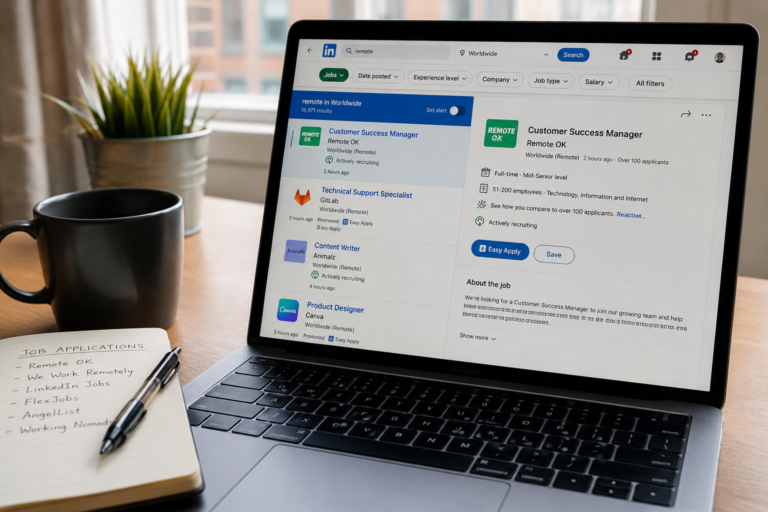
One thing that often surprises newcomers is how many digital nomads never actually join a coworking space after arriving. Balkan café culture is incredibly strong, and unlike in some countries where laptops quickly become unwelcome during busy hours, it’s still common to spend several hours working quietly over coffee.
That said, coworking spaces continue growing across the region, especially in capitals where remote workers and startups are becoming increasingly common.
Typical monthly prices look like this:
For freelancers who spend most days working independently, cafés often provide better value. Coworking becomes more attractive if you need networking opportunities, quiet meeting rooms or guaranteed backup internet.
Visa Situation
Visa rules remain one of the reasons the Balkans attract remote workers who want flexibility without immediately committing to long-term residence.
EU members like Croatia follow the familiar 90 days within any 180-day period for many nationalities, as explained on the official EU immigration portal, while non-EU countries often have separate entry rules that create additional flexibility when moving around the region. Albania has become particularly popular because several nationalities can stay considerably longer than they initially expect, making it attractive for slow travellers who don’t want to change countries every three months.
Digital nomad visa programmes continue expanding across Southeastern Europe as governments recognise the economic benefits of attracting remote workers. Croatia already offers one of the region’s best-known digital nomad residence options, while other Balkan countries continue adjusting their visa policies to compete for long-term visitors.
As always, immigration regulations change regularly, so official government sources should always be checked before making relocation plans.
Safest Balkan Countries
Safety is one topic where online discussions often paint a much darker picture than everyday reality. Like anywhere else, there are neighbourhoods where extra caution makes sense, but most digital nomads quickly discover that everyday life feels remarkably relaxed throughout much of the region.
Croatia consistently ranks among the safest destinations, followed closely by Slovenia (if included in your comparison), Montenegro and Albania. Walking home after dinner, working from cafés with a laptop or using public transport rarely causes concern in most city centres.
That doesn’t mean common sense becomes unnecessary. Tourist areas naturally attract occasional pickpocketing, particularly during summer along the Adriatic coast, and leaving expensive electronics unattended is never advisable anywhere in Europe. Nevertheless, compared with many larger Western European cities, the Balkans often feel surprisingly comfortable for solo travellers.
Female digital nomads regularly report positive experiences, especially in Tirana, Sarajevo, Skopje and Zagreb. Friendly locals, lively café culture and busy public spaces generally contribute to a feeling of safety that first-time visitors don’t always expect.
Best Balkan Country Under €1000
People frequently ask, “Can you live in the Balkans on €1000 a month?” The answer is yes—but choosing the right destination matters enormously.
If your budget is around €1,000, Albania remains one of the strongest choices. Renting a comfortable apartment in Tirana outside the most fashionable neighbourhoods, eating local food, using public transport and occasionally travelling around the country remains entirely realistic without feeling like you’re constantly sacrificing comfort.
Bosnia and Herzegovina performs almost equally well. Sarajevo offers a fascinating mix of cultures, affordable accommodation and excellent cafés where many freelancers spend entire afternoons working. North Macedonia deserves similar attention, particularly Skopje, where rent remains among the lowest in the region while internet quality continues improving.
Someone living carefully but comfortably on €1,000 can realistically expect:
- Private apartment
- Reliable internet
- Regular café visits
- Eating out several times per week
- Occasional weekend trips
- Modest entertainment budget
That’s one reason these countries continue appearing in discussions about the cheapest Balkan countries for digital nomads and even the cheapest country in Europe for digital nomads.
Best Balkan Country Under €1500
Increasing the budget to around €1,500 dramatically changes the options available.
At this level, Serbia becomes much more attractive because Belgrade’s higher rents become easier to absorb while offering one of the region’s strongest startup ecosystems, international communities and nightlife. Croatia also becomes realistic outside Dubrovnik’s peak summer season, especially if you’re happy living in Zagreb or staying slightly outside Split’s tourist centre.
Montenegro begins making much more sense at this budget too. Although accommodation costs remain higher than Albania, many remote workers happily pay the difference because they value mountain scenery, Adriatic beaches and a slower pace of life.
Ultimately, the best Balkan country for remote work depends less on absolute prices than on your priorities. Someone building a startup may prefer Belgrade despite higher living costs, while another freelancer working quietly with clients abroad may receive much greater value from Tirana or Sarajevo simply because the savings outweigh any differences in infrastructure.
Cheapest Cities for Digital Nomads
One mistake I see repeatedly is people choosing countries instead of cities. That’s understandable because most relocation guides compare Albania with Montenegro or Serbia with Croatia, but once you actually start browsing apartments you’ll realise that the city often has a much bigger impact on your budget than the country itself. Living in Kotor and living in Podgorica are completely different financial experiences despite being in the same country, just as Dubrovnik has very little in common with inland Croatia when it comes to rent.
If saving money is your highest priority, these cities consistently offer some of the best value in the region:
Tirana has changed dramatically over the last few years. New cafés seem to appear every month, internet infrastructure has improved, English is becoming more common among younger people and there’s now a noticeable digital nomad community without the city feeling overwhelmed by tourism. Sarajevo offers a completely different atmosphere. Instead of palm trees and beaches, you get one of Europe’s most fascinating cultural mixes, surrounded by mountains, with prices that remain surprisingly reasonable.
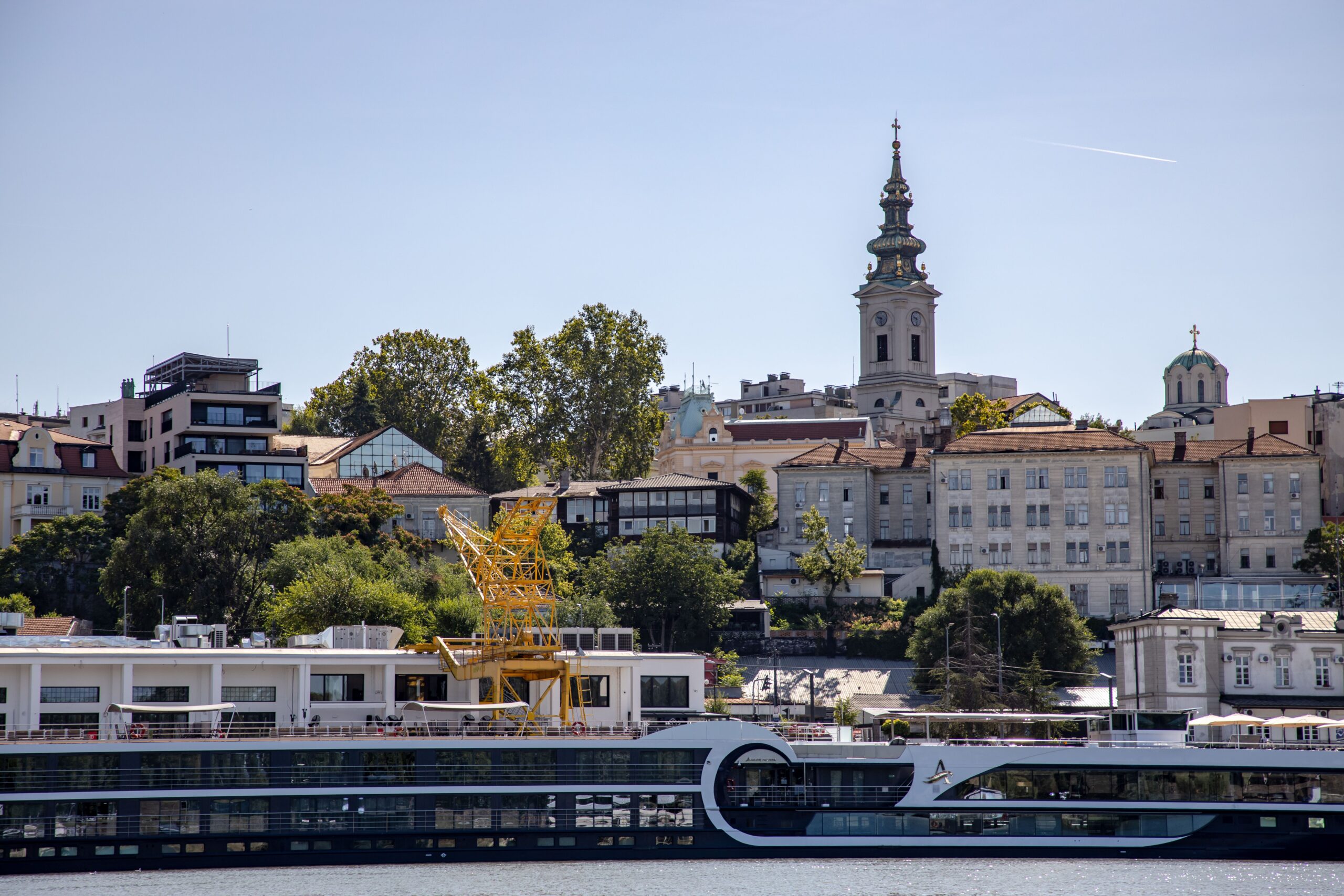
Novi Sad deserves special attention as well. It rarely receives the same publicity as Belgrade, yet many remote workers eventually prefer it because daily life feels calmer while still offering excellent restaurants, coworking spaces and fast internet. If someone asked me where I’d happily spend six months rather than six weeks, Novi Sad would probably rank higher than several cities that receive much more attention online.
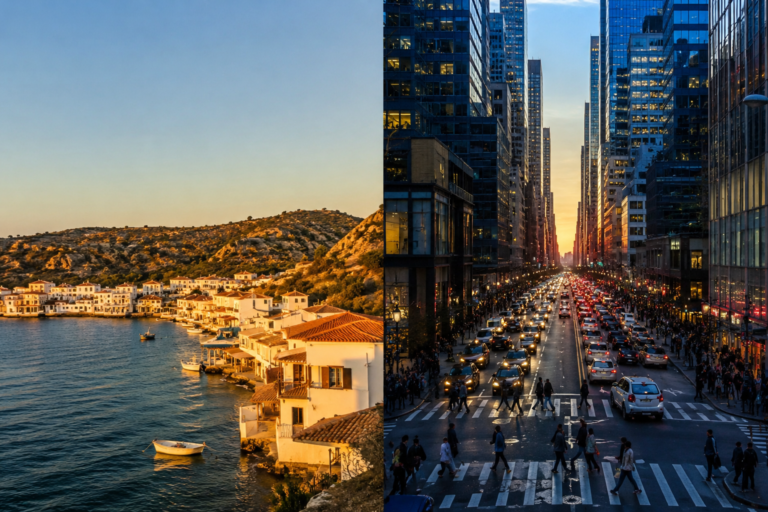
Another point that’s often overlooked is whether you actually enjoy living in a capital city. Some people automatically search for the biggest urban centres because they assume that’s where the opportunities are, but after several months many discover they would have been happier in quieter places with lower rent and fewer tourists. If you’re unsure which lifestyle suits you better, it’s worth thinking about choosing between large cities and quieter towns before signing a long-term lease.
Where Your Money Goes Furthest
The cheapest destination isn’t always the best value.
That’s probably the biggest lesson I’ve learned after comparing dozens of popular digital nomad destinations over the years. Saving €150 per month sounds great until you realise you’ve sacrificed reliable internet, convenient transport, a welcoming community or simply a city where you actually enjoy living. Good value comes from balancing affordability with everyday quality of life rather than chasing the absolute lowest prices.
For most remote workers, Albania currently strikes that balance remarkably well. Rent remains among the lowest in the region, cafés are inexpensive enough to work from regularly, internet quality has improved significantly and flights to other European destinations are becoming easier every year. Bosnia and Herzegovina offers similarly attractive prices, although opportunities for international networking tend to be more limited outside Sarajevo.
Serbia costs a little more, but many freelancers happily pay the difference because Belgrade and Novi Sad provide stronger startup ecosystems, better international connections and one of the region’s fastest internet infrastructures. Montenegro often sits somewhere in the middle. You pay noticeably more than in Albania, yet many people consider the combination of mountains, coastline and slower pace of life worth every extra euro.
If you’re looking for Balkan countries with best quality of life, the answer depends entirely on your priorities. Someone who dreams of spending evenings beside the Adriatic Sea will probably rank Montenegro or Croatia much higher than someone whose daily happiness depends on affordable rent and a busy café culture.
Living on Different Budgets
Instead of asking whether one country is “cheap,” it’s often more useful to ask what kind of lifestyle different budgets actually buy.
Living on €800
At this level you’ll need to choose carefully, but it’s still realistic in parts of Albania, Bosnia and North Macedonia. Expect a modest apartment, cooking many meals at home and choosing inland cities instead of tourist destinations.
Living on €1200
This is probably the sweet spot for many freelancers. Your monthly expenses in Balkan countries become much more comfortable, allowing regular restaurant visits, occasional travel and your own apartment in most cities without constantly monitoring every expense.
Living on €1500
A €1,500 budget opens almost the entire region apart from the most expensive coastal hotspots during peak summer. Serbia becomes especially attractive, Montenegro feels far more comfortable and Croatia becomes realistic if you avoid Dubrovnik and the busiest tourist months.
Living on €2000
At this level, budget largely stops being the deciding factor. You can rent excellent apartments, join coworking spaces, travel frequently and enjoy a lifestyle that would cost significantly more in Western Europe. Many remote workers who earn this amount begin choosing destinations based on lifestyle rather than affordability alone.
If your income is closer to €1,000 than €2,000, it’s also worth looking at whether a €1000 monthly budget is realistic abroad, because careful destination choice often matters more than earning a few hundred euros extra each month.
Approximate Monthly Budget Map
This overview works well as a quick reference and can easily be turned into an infographic later.
Rankings
Sometimes people simply want a quick answer instead of comparing dozens of numbers. Based on overall affordability, infrastructure and everyday practicality, here’s how I’d rank the region:
*Primarily outside the busiest tourist season and excluding the highest-priced coastal areas.
One final observation that’s worth mentioning is seasonality. Many people automatically head south during summer, but some Balkan destinations become both hotter and considerably more expensive between June and August. If flexibility is one of the advantages of remote work, it may actually make more sense to spend those months in places with more comfortable late-summer weather before returning to the Balkans once tourist crowds begin to disappear.
Complete Comparison Table
To make choosing easier, here’s everything side by side. Instead of focusing on a single number, compare the factors that actually affect daily life. Fast internet doesn’t matter much if rent consumes half your income, and the cheapest apartment isn’t necessarily a bargain if there isn’t a digital nomad community or reliable transport nearby.
Looking at everything together, a clear pattern appears. Albania and Serbia consistently offer the strongest balance between affordability and everyday comfort, but they attract slightly different people. Albania appeals to those who want to reduce expenses without giving up European conveniences, while Serbia is often chosen by freelancers, startup founders and remote employees who value stronger infrastructure, faster internet and larger international communities. Bosnia and North Macedonia remain excellent options for people whose biggest priority is stretching their budget as far as possible, while Montenegro and Croatia become much more attractive once lifestyle begins to matter more than saving every euro.
Which Balkan Country Should You Choose?
There isn’t a single “best” answer because everyone arrives with different priorities. Someone earning €900 per month is solving a completely different problem from someone earning €2,500. Instead of asking which country ranks first overall, it’s usually more helpful to ask which one fits the lifestyle you actually want.
If your budget is around €900–1,000, I’d start with Albania, Bosnia and Herzegovina or North Macedonia. They remain the easiest places to live comfortably without constantly worrying about rent, and they’re proof that can you live in the Balkans on €1000 a month isn’t just an optimistic headline—it really is possible if you choose your city carefully.
If your income is closer to €1,500, Serbia becomes one of the strongest choices in the region. Belgrade isn’t the cheapest capital anymore, but it offers excellent infrastructure, reliable internet, international flights, lively cafés and one of the largest remote work communities in Southeastern Europe. Novi Sad is another excellent alternative if you prefer somewhere slightly quieter.
If your dream is living near the Adriatic, Montenegro usually offers better value than Croatia while still providing spectacular scenery. Croatia, however, remains difficult to beat if your priorities are public infrastructure, healthcare and overall quality of life, especially once you move away from the busiest coastal resorts.
Finally, if you’re comparing the Balkans with Western Europe, it’s worth remembering that this region isn’t only attractive because it’s cheaper. It also offers a slower pace of life, café culture that encourages working outside the apartment, beautiful nature within easy reach and enough variety that you can spend months exploring without feeling like every destination looks the same. That’s why so many remote workers who originally planned to stay for one month quietly extend their trip into an entire season.
FAQ
How much does it cost to live in the Balkans?
Most digital nomads spend between €900 and €1,500 per month, depending on the country, accommodation and lifestyle.
Can you live in the Balkans on €1000 a month?
Yes. Albania, Bosnia and Herzegovina, and North Macedonia are all realistic choices for a €1,000 monthly budget.
Which Balkan country is the cheapest?
Bosnia and Herzegovina and North Macedonia are generally the cheapest overall, while Albania offers one of the best balances between affordability and quality of life.
Is Albania cheaper than Montenegro?
Yes. Rent, restaurants and everyday expenses are usually lower in Albania, particularly outside the busiest tourist destinations.
Which Balkan country has the fastest internet?
Serbia consistently ranks among the strongest performers, with excellent fibre coverage in Belgrade and Novi Sad.
Which Balkan country is safest?
Croatia and Montenegro are generally regarded as the safest, although most major Balkan cities are considered safe for digital nomads who take normal precautions.
Where do digital nomads usually live in the Balkans?
Popular choices include Tirana, Belgrade, Novi Sad, Sarajevo, Skopje, Split, Podgorica and Kotor.
What is the cheapest city in the Balkans?
Bitola, Mostar, Niš and parts of Skopje are among the most affordable cities for long-term stays.
Are the Balkans good for remote work?
Yes. Reliable internet, relatively low living costs and an increasing number of coworking spaces make the region an attractive choice for remote workers.
Which Balkan country offers the best quality of life?
If budget isn’t the main concern, Croatia generally offers the strongest overall quality of life. If you’re looking for the best balance between cost and comfort, Albania and Serbia usually provide better value.
This article combines independent editorial research, comparisons of living costs across the Balkan region, and discussions from digital nomads, expats, and long-term residents who have shared their everyday experiences of living and working throughout Southeastern Europe.
Research sources included:
- Community discussions and first-hand experiences shared on Reddit by digital nomads, expats, and long-term residents living across the Balkans.
- Regional economic, housing, tourism, and population statistics published by Eurostat.
- Country-level economic indicators and development data published by the World Bank.
- Broadband performance and internet speed comparisons published by the Ookla Speedtest Global Index.
The goal of this article is to provide a realistic comparison of living costs across the Balkan countries, helping digital nomads understand not only how much they can expect to spend each month, but also how rent, internet quality, safety, infrastructure, and overall lifestyle differ from one destination to another.

Written by
Anna
Founder of The City Theory — writing about digital nomad lifestyle, modern city culture, remote work, travel experiences, psychology, and human behavior around the world.