
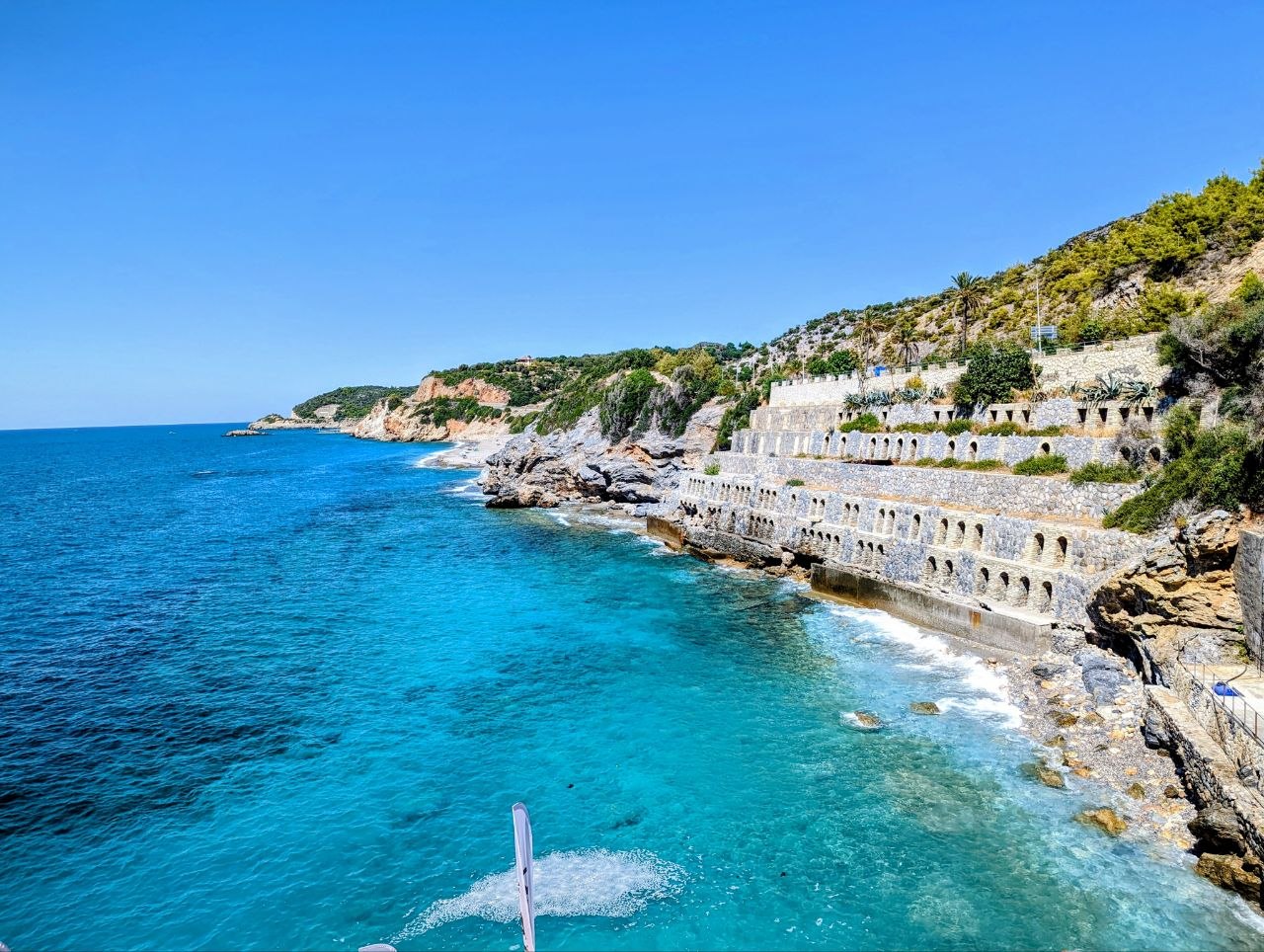
Best Countries for Digital Nomads in August: Where Remote Workers Should Actually Go
If someone asks me for the best countries for digital nomads in August, my answer is completely different from what I’d tell them in November or February. August changes the rules more than almost any other month of the year. A country that feels like paradise in spring can become exhausting once the summer holidays begin. Apartment prices jump overnight, beaches fill up, coworking spaces suddenly have waiting lists, and temperatures that looked manageable on paper become surprisingly difficult to work in. At the same time, a few places quietly become almost perfect. They’re cooler than the rest of Europe, still affordable, easy to navigate, and full of other remote workers who made exactly the same decision—something you’ll also notice when comparing destinations on Nomad List.
That’s why I don’t think another article listing Portugal, Bali and Thailand is particularly helpful. Those destinations are great under the right circumstances, but August isn’t always one of them. Instead of ranking countries by popularity, it makes more sense to rank them by what daily life actually feels like once you’ve been there for a few weeks. Can you still find an apartment without paying double? Is the café Wi-Fi reliable enough for Zoom calls? Are evenings comfortable enough to enjoy after work? Can you meet people without spending every day in overcrowded coworking spaces? Does the humidity leave you exhausted before lunch? Those questions matter far more than Instagram photos.
This guide focuses on the best digital nomad destinations in August based on practical experience rather than reputation. We’ll look at weather, internet quality, accommodation costs, seasonal crowds, everyday expenses, community, and whether a $1,000 monthly budget is actually realistic for each destination. We’ll also cover something that travel blogs rarely mention: whether you’ll actually enjoy working there in August rather than simply visiting for a weekend.
Why August Is One of the Hardest Months for Digital Nomads
August catches many first-time nomads by surprise because they plan around average temperatures or average prices instead of seasonal reality. The problem isn’t just the weather. It’s that several things happen simultaneously.
Across much of Europe, August is vacation month. Offices slow down, schools close, millions of Europeans head toward beaches or mountain towns, airlines become packed, and accommodation prices climb almost everywhere—a pattern reflected in European tourism statistics. Cities that feel relaxed in May suddenly become noisy and crowded. Popular coworking spaces often fill with short-term visitors instead of long-term remote workers, while many locally owned cafés close for part of the month because the owners are on holiday themselves.
Heat is another issue that looks manageable on a weather app but feels completely different when you’re trying to work eight hours a day. A city averaging 35°C sounds acceptable until you realize the apartment you’re renting doesn’t have proper air conditioning, the streets stay hot well after sunset, and walking ten minutes to buy groceries leaves you drenched in sweat. Productivity suffers much faster than most people expect, particularly in destinations where climate is only one of several practical considerations alongside choosing a safe and comfortable base for remote work.
Humidity creates another layer of discomfort. Southeast Asia enters its rainy season in several regions, while Mediterranean destinations combine high temperatures with heavy tourist crowds. Afternoon storms don’t necessarily ruin the day, but they often make working from cafés or terraces less practical. If that’s a concern, consider these Dubai alternatives for digital nomads that offer a more comfortable climate and lower living costs.
Then there’s the accommodation market. Many landlords know August visitors are willing to pay premium prices, especially in Southern Europe. Apartments that cost €700 in October can easily reach €1,100 or more during peak season. Hotels follow the same pattern. If you’re considering staying in hotels instead of renting an apartment, it’s worth comparing prices carefully because August can completely change the value equation depending on the destination.
Flights aren’t much better. School holidays across Europe mean airports become significantly busier, baggage delays increase, and last-minute tickets often cost hundreds of euros more than the same route in September.
All of that sounds discouraging, but it also creates opportunities. While everyone rushes toward the obvious destinations, several countries actually become much better choices precisely because they stay cooler, quieter, or more affordable.
How We Chose These Countries
Popularity wasn’t part of the ranking.
Instead, every destination was evaluated using the same practical criteria that actually affect everyday remote work.
Internet reliability. Fast fiber internet is wonderful, but consistency matters more. Countries with stable home internet, reliable mobile networks, and cafés suitable for working naturally scored higher.
Accommodation costs. We looked at realistic August prices rather than annual averages, since seasonal increases can completely change affordability.
Weather. Not simply average temperatures, but whether people can comfortably work during the day, walk outside in the evening, and avoid constant humidity or heat exhaustion.
Digital nomad community. Some people want networking events every night. Others simply appreciate knowing there are enough remote workers around to avoid isolation without turning every café into a coworking space.
Transportation. Walkable cities, reliable public transport, affordable taxis, and convenient regional travel all matter when you’re staying longer than a week.
Safety. Especially for solo travelers and women, feeling comfortable walking home after dinner or carrying a laptop around the city makes a real difference.
Noise and atmosphere. Some places are ideal if you’re trying to grow a startup and meet founders every evening. Others are better if you simply want to focus without distractions.
By the end of this guide, you’ll know not only the best countries for remote work in August, but also which ones actually match your working style.
Best Countries for Digital Nomads in August
1. Georgia
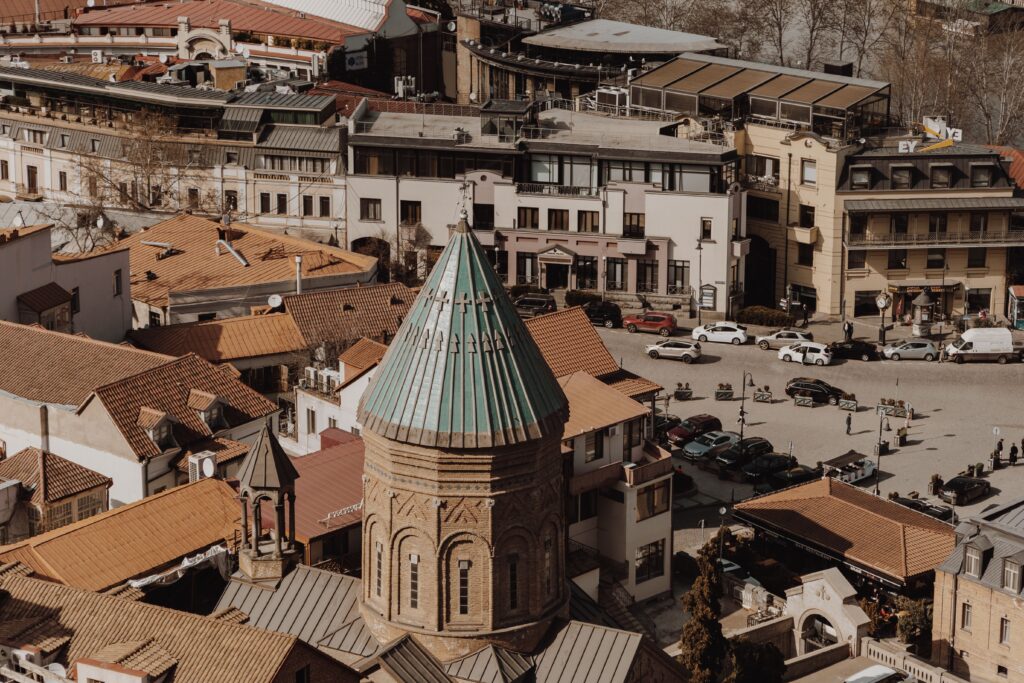
If I could recommend only one country to someone arriving in August for the first time, Georgia would probably be it.
Not because it’s the cheapest.
Not because it’s the most beautiful.
Because it gets more things right at the same time than almost anywhere else.
Tbilisi stays active throughout August without feeling overwhelmed by tourism. Yes, it’s warm, but evenings cool down enough that people actually spend time outdoors instead of hiding in air-conditioned shopping malls. Unlike many Mediterranean cities, daily life continues normally. Cafés remain open, locals don’t disappear for month-long vacations, and coworking spaces keep their regular rhythm.
If you’re wondering whether a $1,000 monthly budget is actually realistic, Georgia is one of the countries that comes closest to making that possible, although having a bit more flexibility certainly makes life easier.
2. Romania
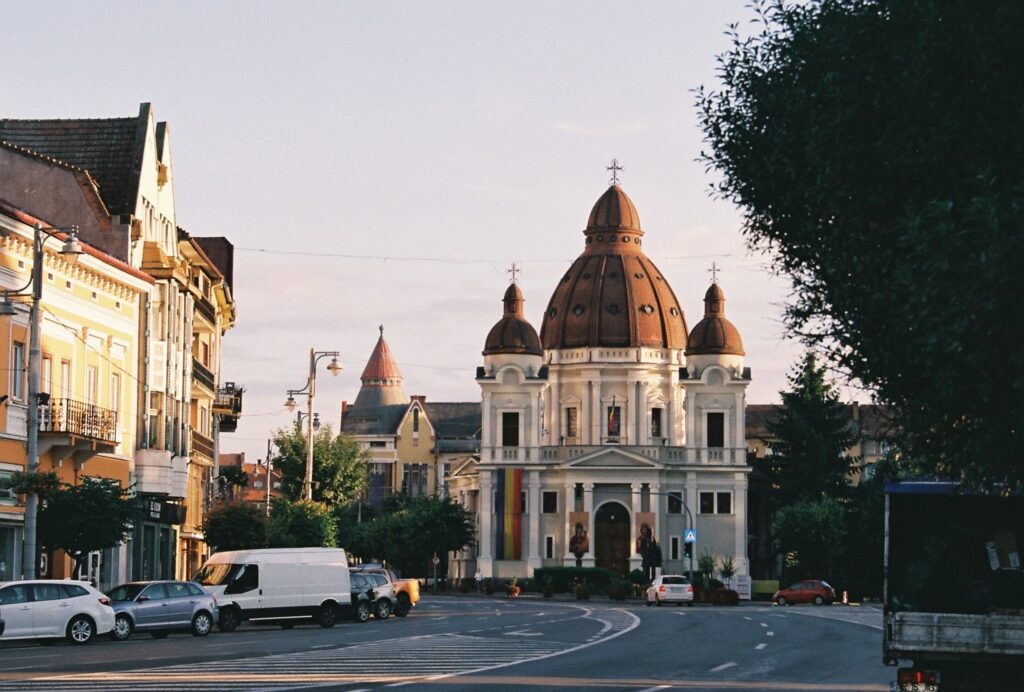
Romania somehow remains underrated despite checking almost every practical box for remote work.
People often overlook it because it isn’t marketed as aggressively as Portugal or Bali, but that’s precisely why August works so well here.
Cities like Cluj-Napoca and Brașov stay lively without becoming tourist theme parks, while Bucharest offers one of Eastern Europe’s strongest infrastructure networks.
3. Bulgaria
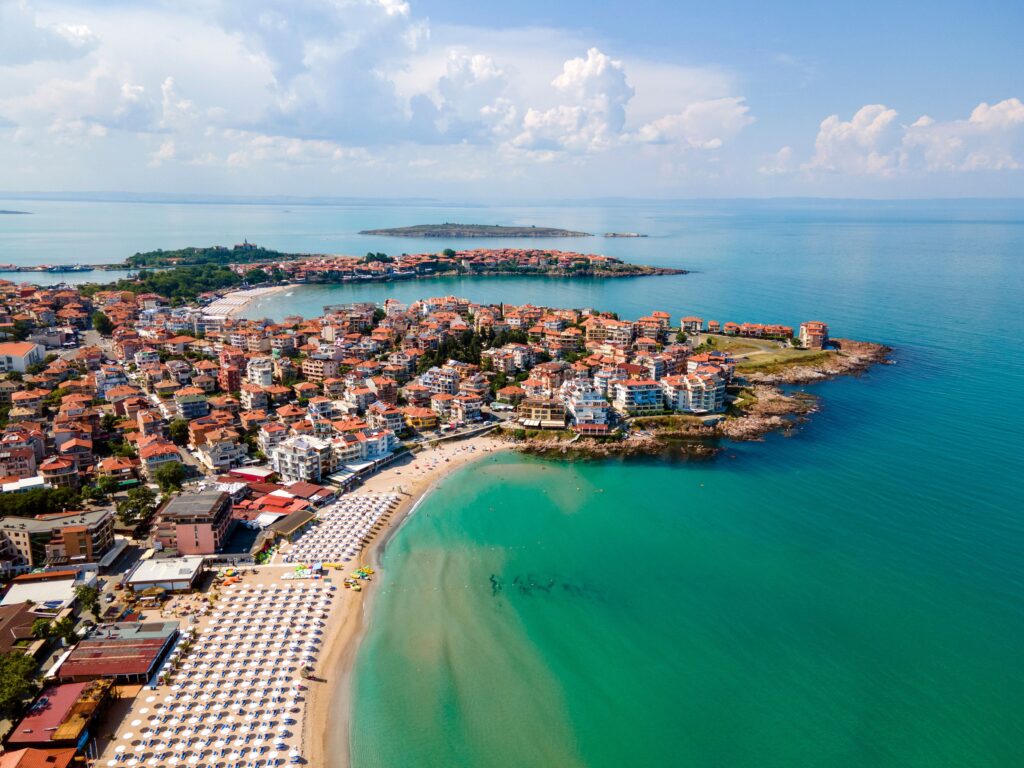
If your priority is maximizing value without sacrificing comfort, Bulgaria becomes difficult to beat.
Sofia remains one of Europe’s best-kept secrets for remote workers, while Bansko continues attracting long-term digital nomads even outside ski season. For those who would rather stay by the sea, Bulgaria also has several low-cost coastal options for a European beach stay along the Black Sea.
Unlike many coastal destinations, Bulgaria doesn’t rely entirely on summer tourism. That helps prices stay relatively sensible, especially inland.
4. Albania
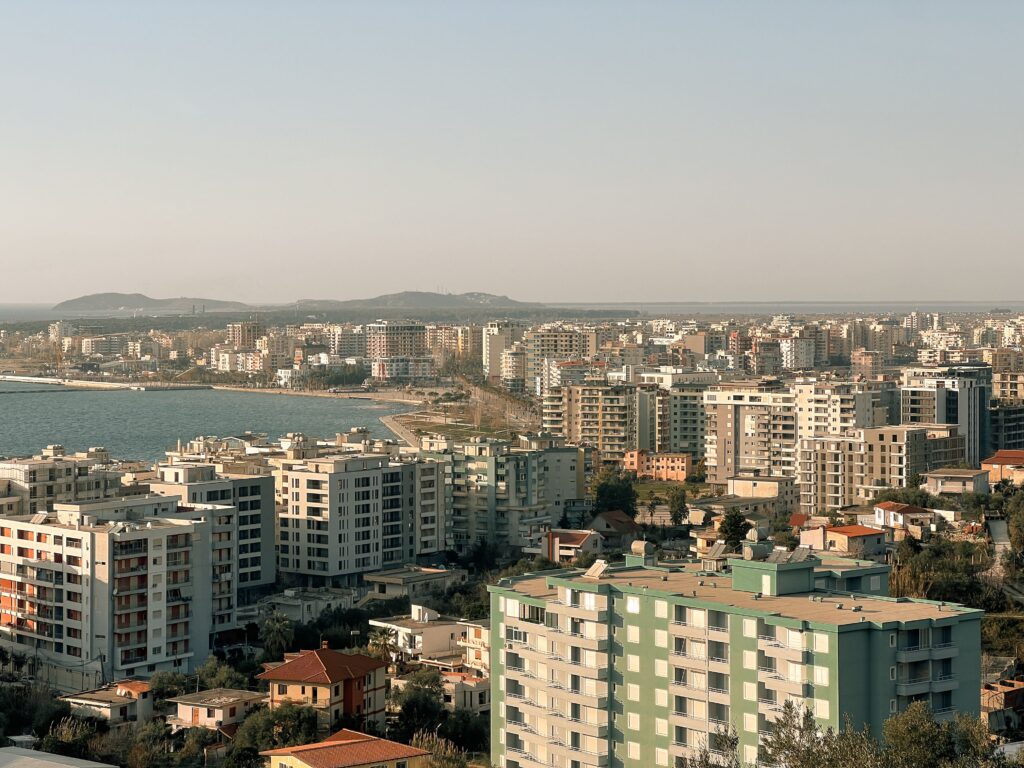
Albania keeps appearing on lists of trendy destinations, but unlike many travel trends, this one actually has substance. If you’re comparing the region, our guide to Balkan living costs for remote workers shows why Albania consistently ranks among the best-value destinations.
The key is choosing the right location.
Everyone rushes toward the Riviera in August.
Remote workers usually shouldn’t.
Tirana is the better choice for most people.
The capital remains energetic without being overwhelmed by tourists, internet infrastructure has improved dramatically over the past few years, cafés are plentiful, and accommodation stays surprisingly affordable compared with neighboring countries.
The coast is beautiful for weekends, not necessarily for trying to finish client work on a Tuesday afternoon.
5. Serbia
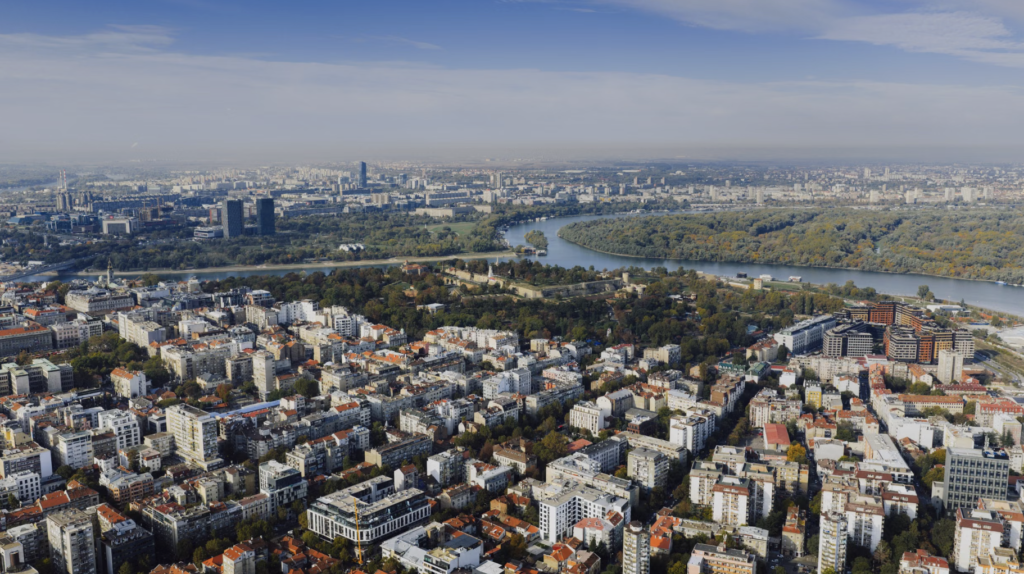
Serbia rarely makes the first page of digital nomad recommendations, which is exactly why it deserves more attention. While thousands of people automatically book flights to Lisbon or Bali, Belgrade quietly keeps functioning like a normal city throughout August. You don’t feel like you’re living inside someone else’s vacation. Cafés are still full of people working, restaurants aren’t charging peak tourist prices on every menu, and finding an apartment doesn’t require competing with hundreds of summer visitors.
Belgrade isn’t beautiful in the obvious postcard sense. It’s busy, a little chaotic, and parts of it still feel rough around the edges. But once you spend a couple of weeks there, it starts making sense. The café culture is fantastic, the food is excellent, and the city has one of those social atmospheres where it’s surprisingly easy to meet people without forcing yourself into networking events every night.
Freelancers who enjoy cities with energy but don’t want overwhelming tourism.
6. Madeira (Portugal)
Here’s where opinions become unpopular.
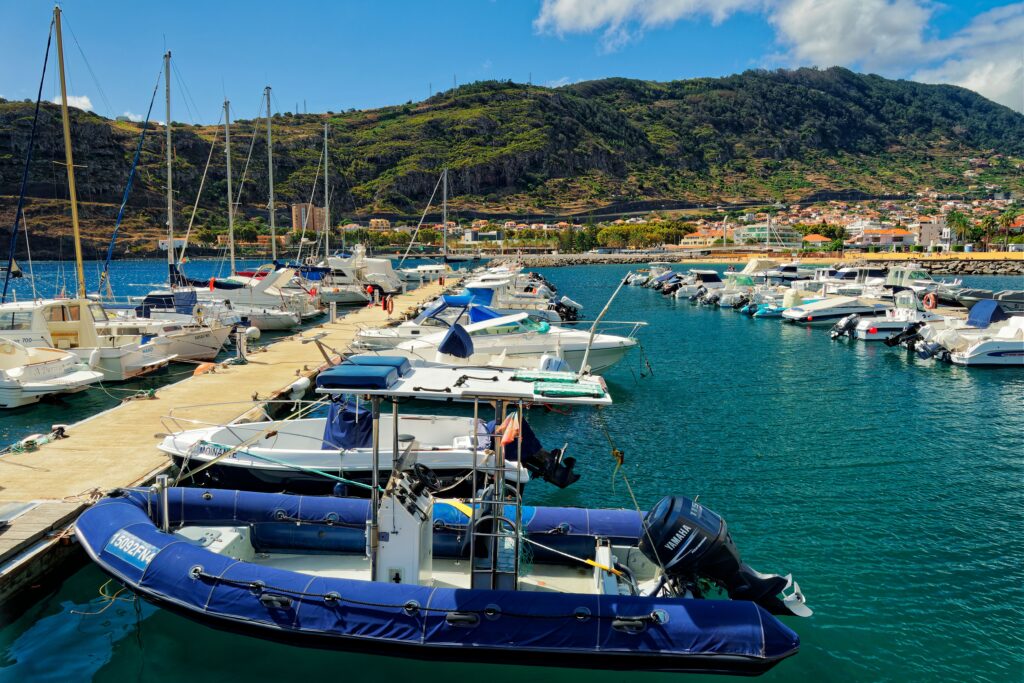
Madeira is significantly better in August than mainland Portugal.
Whenever people ask where to escape Europe heat in August, they often assume the answer is northern Europe. Madeira deserves to be part of that conversation because Atlantic weather keeps temperatures much more comfortable than Lisbon, Porto or the Algarve.
Unlike mainland Portugal, afternoons rarely become unbearable. Ocean breezes make an enormous difference.
Anyone searching for best digital nomad destinations in august that are not too hot.
7. Canary Islands (Spain)
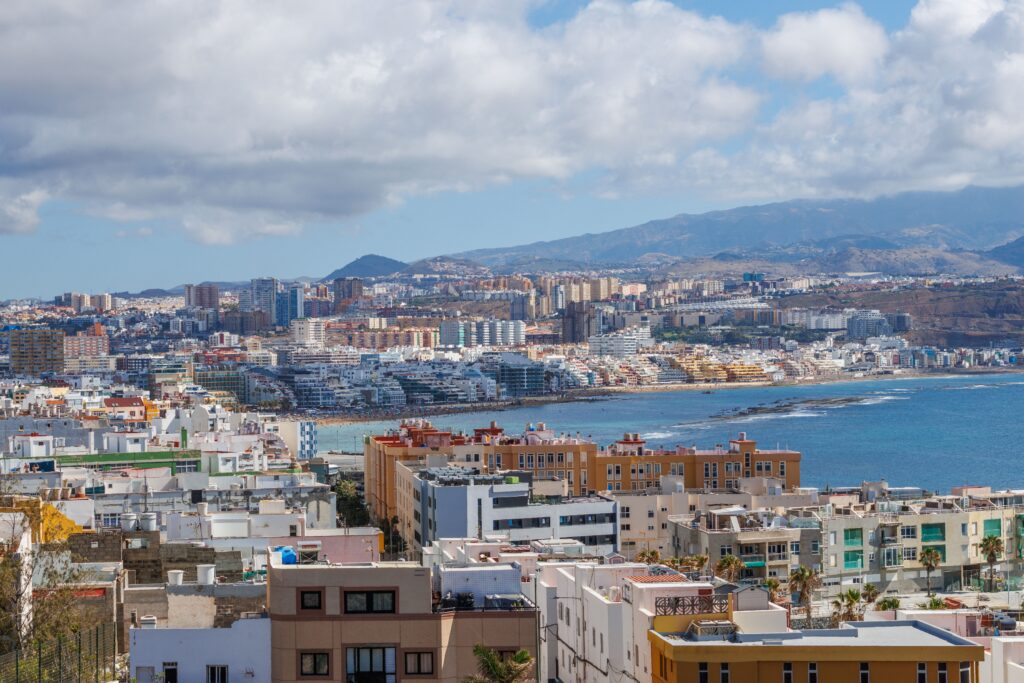
Most people associate the Canary Islands with winter, but they work surprisingly well in August too.
Unlike mainland Spain, temperatures stay relatively stable because of the Atlantic Ocean.
Cities like Las Palmas maintain active digital nomad communities year-round, which means coworkings don’t suddenly disappear once summer begins.
Those looking for some of the best places in Europe for digital nomads in August.
8. Malaysia
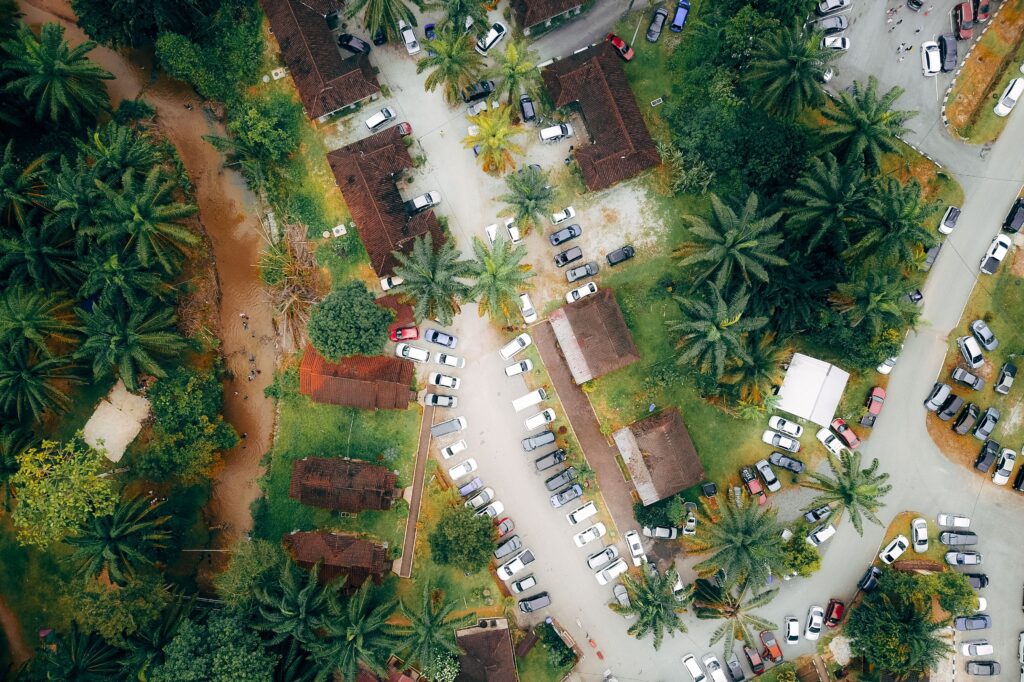
If Europe feels too expensive in August, Malaysia deserves serious consideration.
Kuala Lumpur isn’t usually the first city influencers recommend, but from a practical perspective it’s incredibly difficult to criticize.
Apartments are modern.
Internet is fast.
Coworkings are plentiful.
Public transport actually works.
Food is outstanding.
Shopping malls provide endless air-conditioned workspaces.
Yes, it’s humid.
Very humid.
But the city has adapted to that reality.
9. Vietnam
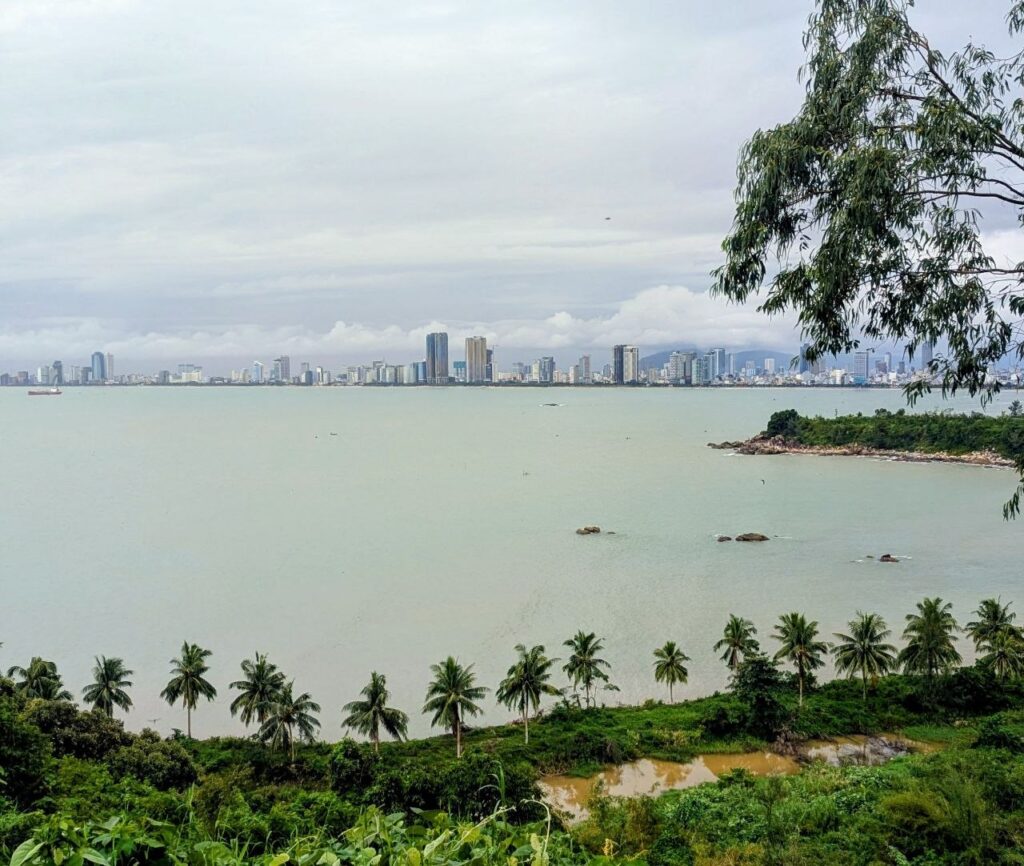
Vietnam remains one of the cheapest countries for digital nomads in August, but August isn’t equally good everywhere. Da Nang is usually the better option, although September brings a very different set of weather conditions, especially if you’re planning a beach holiday. Find out what to expect from Da Nang in September before deciding when to visit.
Ho Chi Minh City stays energetic but becomes extremely humid.
Hanoi experiences frequent rain.
Da Nang manages to balance beach life with workable conditions much better.
10. Argentina
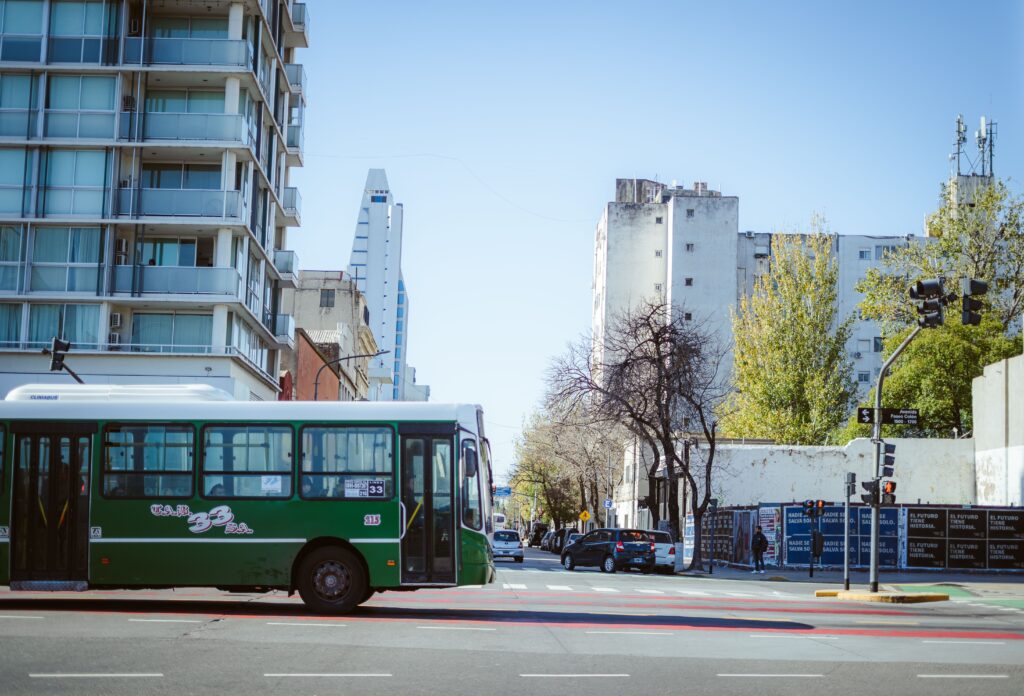
August is winter in Argentina.
That immediately removes one of Europe’s biggest problems.
While Mediterranean countries struggle through heat waves, Buenos Aires becomes pleasantly cool.
Working suddenly feels much easier.
What About Montenegro?
Montenegro deserves an honorable mention because many people assume it’s automatically one of the best places for digital nomads in August.
The reality is more complicated.
Kotor, Budva and much of the coast become extremely crowded.
Accommodation prices rise sharply.
Road traffic becomes frustrating.
Internet remains good, but daily life starts revolving around tourism.
Podgorica avoids many of these issues but doesn’t offer the same scenery.
If Montenegro appeals to you, I’d honestly recommend visiting in September instead.
Destinations That Quietly Become Better Than Expected
One thing I’ve learned after moving between countries is that avoiding the obvious choices often leads to the best experiences.
Places like Romania, Georgia and Bulgaria don’t dominate Instagram.
Nobody tells you they’re “life changing.”
Instead, they simply make everyday life easier.
Your apartment costs less.
You sleep better because evenings cool down.
You spend less time sitting in traffic.
Coworkings have available desks.
Restaurants still accept walk-ins.
The city continues functioning for residents instead of tourists.
Those small details become surprisingly important after your third or fourth week.
They’re also the reason experienced nomads often stop chasing famous destinations and start chasing practical ones.
If You’re Staying More Than One Month
August shouldn’t be viewed in isolation.
A smarter question is whether the destination still makes sense once September arrives.
Some countries become dramatically better after schools reopen and tourism slows.
Georgia remains excellent.
Romania improves even further.
Bulgaria becomes cooler.
Albania’s beaches empty.
Portugal starts becoming enjoyable again.
Croatia calms down.
That’s why many experienced travelers deliberately choose destinations that work well across both months. If you’re planning a longer stay, some of the best countries for digital nomads in August and September are Georgia, Romania, Bulgaria, Madeira and the Canary Islands because you don’t need to relocate once peak season ends.
The same thinking applies to visas. Before committing to a destination, it’s worth checking which countries offering remote work visas make it easier to stay beyond the usual tourist period. A flexible visa can save you from having to move just as the weather and prices begin improving.
A Pattern You’ll Start to Notice
There’s an interesting pattern across almost every destination we’ve discussed.
The places that receive the most social media attention are rarely the easiest places to live in August.
The countries that quietly deliver the best day-to-day experience usually receive far less publicity.
If your goal is building a routine, sleeping well, staying productive and keeping your expenses under control, practical destinations almost always outperform trendy ones.
And once you’ve lived abroad for a while, you also start realizing that the city itself isn’t the only decision. Sometimes choosing between a quieter town and a large city has a bigger impact on your happiness than changing countries altogether. A smaller city with reliable internet, reasonable rent and fewer distractions can easily outperform a famous capital that’s overwhelmed by tourists.
The same applies to accommodation. August is one of the few months when apartment prices become so inflated that staying in hotels instead of renting an apartment occasionally becomes a surprisingly competitive option, especially if you’re booking in countries with lots of business hotels that discount longer stays.
Which Country Fits Your Budget?
One mistake I see all the time is people choosing a destination because someone on YouTube said it was “cheap.” Cheap compared to what?
A freelancer earning $4,500 a month and a remote employee earning $1,200 don’t have the same definition of affordable. August makes that gap even bigger because accommodation costs rise in many popular destinations while everyday expenses stay roughly the same.
Use the table below as a realistic starting point. It assumes you’re renting a private apartment, eating out occasionally, using coworking spaces when needed, and not living like you’re permanently on vacation.
People often ask me whether August is the right month to experiment with an ultra-low budget.
Honestly, probably not.
Peak accommodation prices leave less room for mistakes. If you’re trying to spend as little as possible, Eastern Europe usually offers a much better balance than Southern Europe during August. If you’re comparing options in detail, it’s also worth looking at some of the lowest-cost countries for remote workers, because the difference between destinations can easily add up to several thousand dollars over a few months.
Which Country Fits Your Personality?
The “best” destination isn’t universal.
Some people become miserable in places that others absolutely love.
I’ve met remote workers who lasted two weeks in Bali because they couldn’t concentrate. I’ve also met people who stayed three years because they loved the constant social activity.
Here’s the breakdown I’d personally recommend.
Best Digital Nomad Countries in August for Women
Safety means different things to different people, but if a solo female traveler asked me where I’d feel most comfortable recommending, my shortlist would look like this:
- Georgia
- Romania
- Madeira
- Bulgaria
- Malaysia
All five have established remote work communities, reliable transport, good internet, and plenty of accommodation options where you’re unlikely to feel isolated. That’s why they consistently rank among the best digital nomad countries in August for women, especially for people traveling alone for the first time. If your trip falls a little later, it’s also worth comparing them with where remote workers can go in September, since changing weather, crowds and accommodation prices can make a surprisingly big difference from one month to the next.
FAQ
Is Bali good for digital nomads in August?
Yes, if your main goal is meeting other remote workers and enjoying the social scene. If your priority is deep, uninterrupted work, expect higher prices, more traffic and much busier cafés than at other times of the year.
Is Portugal too crowded for digital nomads in August?
Mainland Portugal often is, especially Lisbon and the Algarve. Madeira is usually a much better choice if you want Portugal without peak-season crowds and extreme heat.
Where should digital nomads go in August in Europe?
Georgia, Romania, Bulgaria, Serbia, Madeira and the Canary Islands are among the strongest choices because they combine reliable infrastructure with more manageable weather and fewer tourists than many Mediterranean hotspots.
What are the best places for digital nomads in August?
For overall practicality, Georgia, Romania, Bulgaria, Serbia, Madeira, Malaysia and Vietnam stand out. The right choice depends on your budget, climate preferences and working style rather than popularity.
Which country has the fastest internet?
Romania consistently ranks among the fastest, while Georgia, Malaysia, Madeira and the Canary Islands also provide excellent internet for remote work.
What are the cheapest countries for digital nomads in August?
Vietnam, Bulgaria, Georgia and parts of Albania generally provide the best value without forcing major compromises on internet quality or day-to-day comfort.
Can I live on $1,000 per month?
Yes, but your options become much more limited during August because accommodation prices increase in many destinations. Eastern Europe and parts of Southeast Asia remain your best chance of staying within budget.
What are the best countries for digital nomads in August with good internet?
Georgia, Romania, Malaysia, Madeira, Serbia and the Canary Islands all offer consistently reliable internet, making them excellent choices for people who depend on video calls and cloud-based work.
Where can I avoid the heat in August?
Madeira, the Canary Islands and Argentina (which is in winter during August) are among the most comfortable options if you’re trying to avoid Europe’s summer heat waves.
Where can I avoid tourists?
Romania, inland Bulgaria, Georgia and many Serbian neighborhoods remain much calmer than destinations built around summer tourism.
Where should I live as a digital nomad in August without crowds?
Cities like Brașov, Cluj-Napoca, Tbilisi, Sofia and Plovdiv are all strong choices if you want a normal daily routine rather than living in the middle of a peak holiday destination.
What are the best countries for remote work in August if I want to stay longer?
Georgia, Romania and Bulgaria transition smoothly into September, making them excellent bases if you don’t want to relocate once the summer season ends.
Which are the best places to work remotely in August in Europe?
Romania, Georgia, Bulgaria, Serbia, Madeira and the Canary Islands consistently provide one of the best combinations of reliable internet, comfortable weather, affordability and established remote-work communities.
Explore the Digital Nomad Life Hub
Discover more practical guides about digital nomad costs, visas, destinations, coworking spaces and the everyday reality of building a location-independent life.
Explore the Digital Nomad Life Hub →This guide is based on personal experience working remotely across multiple countries, independent editorial research, and extensive analysis of how August affects accommodation prices, weather, internet reliability, and everyday life for digital nomads.
Research sources included:
- Personal experience living and working remotely in digital nomad destinations.
- Community discussions and first-hand experiences shared on Reddit by long-term digital nomads.
- Cost of living, internet quality, and digital nomad data from Nomad List.
- European tourism trends and seasonal travel statistics published by Eurostat.
- Additional research from publicly available accommodation, weather, and connectivity resources where relevant.
Rather than ranking destinations by popularity, this article evaluates where remote workers are most likely to enjoy living and working in August, taking into account productivity, crowds, climate, affordability, and overall quality of life.

Founder & Editor
Founder of The City Theory, writing about digital nomad lifestyle, modern city culture, remote work, travel experiences, psychology and human behaviour around the world.





Good call putting Bulgaria in the August list — the split you describe works well in practice: Sofia and Bansko for the working weeks, the Black Sea for the weekends.
One tip for August specifically: coastal rentals in Varna or Burgas are at their peak price then, while Sofia actually gets quieter as locals head to the sea. Nomads who base themselves in Sofia and book short seaside trips usually pay noticeably less than those who rent on the coast for the whole month, and September flips the picture again.