

How to Live as a Digital Nomad in Vanuatu: Cost, Internet, Visa, Reality Check
There is a moment that almost every long-term digital nomad reaches. You’ve already spent time in the obvious places. Bali feels crowded. Chiang Mai no longer seems like a hidden gem. Portugal has become expensive. Mexico is getting busier every year. Eventually, you start opening Google Maps and zooming farther away, looking for places that almost nobody talks about, including destinations where a local-island trip can make an expensive-looking destination surprisingly affordable.
That is usually when Vanuatu appears.
An island nation in the South Pacific with English as one of its official languages, tropical weather throughout the year and relatively little international tourism compared with neighboring destinations. At first glance it almost looks like the perfect escape. There are beaches, volcanoes, friendly locals and a rich cultural and natural heritage, along with a pace of life that couldn’t be more different from the constant movement of Southeast Asia.
The problem is that beautiful holiday photos don’t answer the questions remote workers actually care about. Can you spend eight hours on video calls? Will your apartment have reliable electricity? Can groceries be delivered? Is there anyone else around who understands what remote work looks like? What happens if you need medical care? And perhaps the biggest question of all: is Vanuatu good for digital nomads, or is it simply an amazing place to take a vacation?
After reading countless discussions from expats, talking with remote workers who have spent time on the islands, researching local infrastructure and comparing Vanuatu with better-known nomad destinations, one thing became obvious. Vanuatu can be an incredible place to live—but only for a very specific type of person.
If you’re expecting another Bali, you’ll probably leave disappointed.
If you’re looking for something quieter and understand the compromises that come with living on a small Pacific island, your experience could be completely different. You might even prefer tropical island escapes much closer to home if your priority is beautiful beaches rather than relocating permanently.
This guide focuses on what everyday life actually looks like rather than selling the dream.
Is Vanuatu a Good Place for Digital Nomads?
The honest answer is that digital nomad Vanuatu isn’t for everyone.
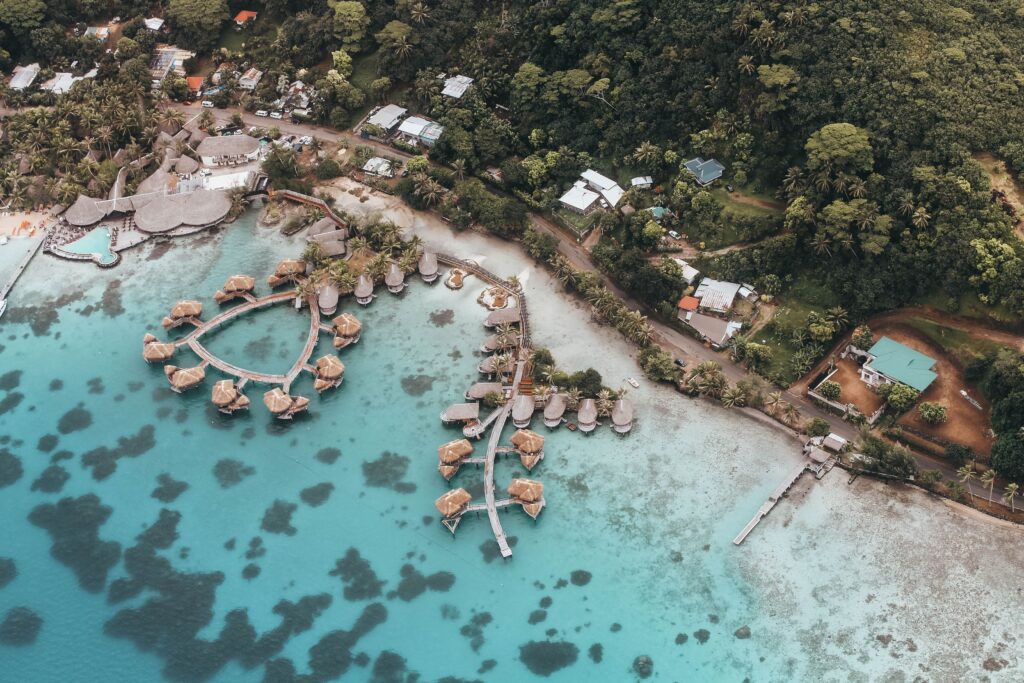
That’s probably the biggest difference between Vanuatu and destinations that dominate YouTube videos and Instagram reels. Nobody moves here because everyone else is doing it. In fact, many remote workers never even consider the country because it sits so far away from major travel routes.
That isolation is both its biggest strength and its biggest weakness.
If your ideal day involves coworking spaces filled with entrepreneurs, weekly networking events, startup meetups and dozens of cafés packed with freelancers, Vanuatu will probably feel lonely. The digital nomad scene remains very small. You won’t find entire neighborhoods built around remote workers or cafés where every second customer is working on a laptop.
On the other hand, if constant crowds have started exhausting you, Vanuatu offers something increasingly rare: silence.
People who thrive here usually value slower mornings, smaller communities and spending more time outdoors than inside coworking offices. Instead of trying a different café every day, they often develop routines around the same places and gradually get to know the people who work there.
Daily life also feels refreshingly uncomplicated.
Traffic is minimal compared with Southeast Asian capitals. Commutes are short. Many errands can be completed within a small part of town, particularly in Port Vila. The atmosphere feels relaxed rather than rushed, although that slower pace occasionally extends to customer service and administrative processes as well.
The country’s size shapes almost everything.
- Fewer restaurants.
- Fewer apartment choices.
- Fewer flights.
- Fewer entertainment options.
- Fewer opportunities to meet other remote workers.
For some people that sounds limiting.
For others, it’s exactly the reason they come.
Another important consideration is infrastructure. Many people researching can you work remotely from Vanuatu assume that internet, healthcare and shopping are similar to Fiji or New Zealand. They aren’t. Vanuatu has improved significantly over the past decade, but it remains a developing island nation where imported goods cost considerably more than many newcomers expect and occasional service interruptions are simply part of everyday life.
That’s why I’d describe Vanuatu as a destination for experienced remote workers rather than first-time digital nomads.
If you’ve already lived abroad and understand how to adapt when things don’t go according to plan, you’ll probably adjust much more easily.
Where Do Expats and Digital Nomads Live?
Unlike countries where foreigners spread across dozens of cities, Vanuatu has only a handful of realistic options for long-term residents.
The overwhelming majority of expats live in just three areas.
Port Vila
Whenever someone asks about living in Vanuatu as an expat, Port Vila is almost always the first answer.
It’s the capital, the country’s largest urban area and the place where most of the infrastructure remote workers rely on already exists. The airport is nearby, supermarkets stock imported products, healthcare facilities are concentrated here and most international businesses operate from the city.
The expat community is also strongest in Port Vila.
You’ll meet aid workers, entrepreneurs, teachers, yacht owners, NGO employees and a growing number of location-independent professionals who decided they wanted something different from the usual nomad circuit. The community is still small enough that people often recognize each other after a few weeks, which makes building friendships easier than many newcomers expect.
Most foreigners rent around neighborhoods close to the city centre or along the waterfront where cafés, grocery stores and restaurants remain within a short drive.
Walkability varies.
Who enjoys Port Vila?
Entrepreneurs.
Remote workers with stable clients.
Couples.
Retirees.
People who value convenience more than complete isolation.
Who probably won’t?
Anyone hoping for the energy of Bali, Lisbon or Medellín.
Luganville
The country’s second-largest town offers a noticeably different lifestyle.
Luganville feels quieter, smaller and even more community-oriented than Port Vila. Life moves at an even slower pace, which many retirees appreciate but some younger remote workers eventually find limiting.
Housing can sometimes be slightly cheaper, although choices remain limited. Imported groceries are generally more expensive because supply chains are smaller, and restaurant options become noticeably fewer.
The social scene also depends heavily on making personal connections rather than discovering new events every week.
Many people who relocate here stay because they enjoy diving, outdoor activities and a close-knit community rather than because they’re chasing career opportunities.
Internet is available, but remote workers whose income depends on uninterrupted video conferencing usually feel more comfortable remaining in Port Vila.
Healthcare is another consideration.
Some parts of Port Vila are comfortable to explore on foot, while others are built around driving. Scooters and small cars remain the most practical way to get around if you’re planning a longer stay.
Internet quality is also strongest here compared with the rest of the country, although “strong” should always be understood in Pacific island terms rather than Singapore standards. We’ll discuss this in much greater detail later because internet in Vanuatu for digital nomads deserves realistic expectations.
Basic medical care is available, but serious conditions often require treatment elsewhere, something worth remembering before choosing a quieter location.
Smaller Coastal Communities
Some people researching move to Vanuatu as an expat imagine renting a beachfront house in a tiny village and working with an ocean view every day.
Technically, it’s possible.
Practically, it requires compromise.
Outside the country’s main towns, accommodation becomes much harder to find, internet reliability drops significantly, imported groceries become less available and healthcare access becomes more limited.
This type of lifestyle suits writers, artists, retirees or business owners whose work doesn’t depend on constant connectivity.
Software developers running daily Zoom meetings with clients in North America may quickly discover that paradise becomes stressful when electricity or mobile data suddenly becomes unreliable.
There is also a social aspect.
Living far from Port Vila means you’re also living far from the majority of foreigners. If meeting people matters to you, complete isolation often becomes much less appealing after the first few months.
Best Place to Live in Vanuatu for Remote Workers
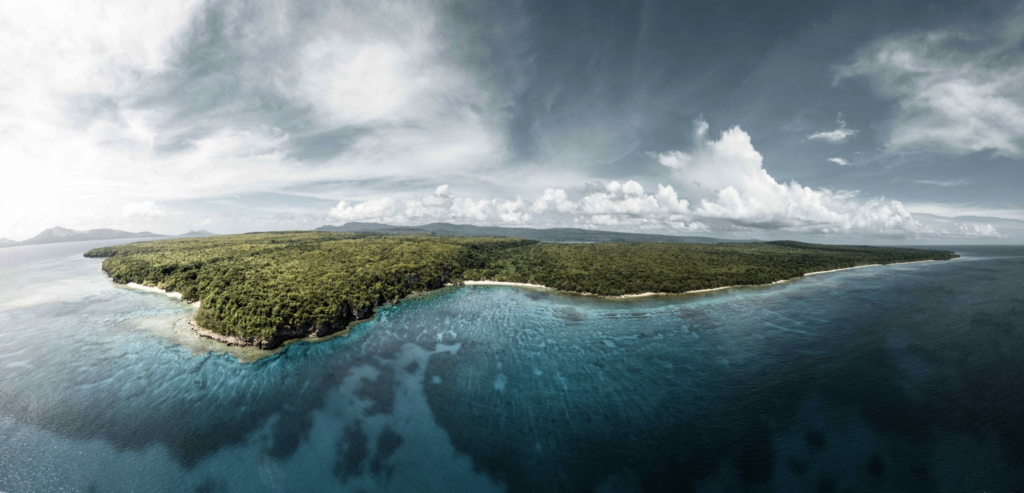
The answer depends almost entirely on what kind of remote worker you are.
If your work revolves around frequent client meetings, large file uploads and stable infrastructure, Port Vila remains the best place to live in Vanuatu for remote workers. It offers the strongest internet, the largest selection of apartments, better healthcare and the country’s most active expat community. It also provides the widest choice of cafés, supermarkets and essential services, reducing the small daily inconveniences that can gradually become frustrating over time.
Luganville suits a different personality altogether.
Someone who values quiet mornings, outdoor activities and community over convenience may actually feel happier there despite the smaller infrastructure. Writers, consultants and freelancers with flexible schedules often adapt well because they can plan work around local conditions instead of expecting everything to function exactly as it would in a major city.
The smallest coastal communities are the hardest recommendation.
They’re beautiful.
They’re peaceful.
But they’re also the places where the compromises become most noticeable. Limited shopping, fewer rental options and less reliable infrastructure mean they’re better suited to people whose income isn’t heavily dependent on technology.
One mistake many newcomers make is choosing the most isolated location immediately because it looks incredible in photographs. In reality, spending your first few months in Port Vila before deciding whether you prefer something quieter is usually the safer decision. It’s a similar idea to choosing between quieter communities and larger cities anywhere else in the world. You can always move somewhere more remote later, but starting with access to better services makes settling into a new country considerably easier.
Cost of Living in Vanuatu
The first thing that surprises many newcomers is that Vanuatu isn’t actually a cheap country.
People often assume that because it’s a developing Pacific island nation, daily expenses must be similar to Southeast Asia. In reality, many products travel thousands of kilometers before reaching local supermarkets. That means imported food, electronics, furniture and household goods often cost considerably more than people expect, which is reflected in cost of living comparisons between Vanuatu and many popular digital nomad destinations.
Housing is also more expensive than many first-time visitors imagine.
While rent remains lower than cities like Sydney or Auckland, it’s significantly higher than Bali, Chiang Mai or many parts of Vietnam.
If you’re researching the cost of living in Vanuatu, it’s useful to think of the country as affordable in some areas but surprisingly expensive in others.
Housing and local produce can be reasonable.
Imported products often are not.
Typical Monthly Costs
Naturally these figures vary depending on lifestyle.
Someone renting a modest apartment, cooking most meals and spending weekends hiking will spend far less than someone eating imported food every day and choosing premium accommodation near the waterfront.
For most people, the cost of living in Vanuatu for digital nomads ends up somewhere between $2,000 and $3,500 per month.
Living below that is possible, but usually involves compromises that many long-term remote workers eventually decide aren’t worthwhile.
One common surprise is grocery shopping.
Fresh tropical fruit, locally caught fish and seasonal vegetables can be reasonably priced.
Imported cheese, cereal, coffee brands, cosmetics and electronics often aren’t.
After several months, many expats naturally adjust their habits and begin buying more local products simply because the price difference becomes difficult to ignore.
This is one reason people asking how much money do you need to live in Vanuatu should focus less on minimum survival budgets and more on the lifestyle they actually want.
If you earn a comfortable remote income, daily life feels relaxed.
If you’re trying to stretch every dollar, Vanuatu becomes much less attractive than many Asian destinations.
That’s also why I wouldn’t include it among the absolute lower-cost destinations for remote workers, despite its many other advantages.
So, is Vanuatu expensive for expats?
Compared with Australia or New Zealand, many people would say no.
Compared with Bali, Vietnam or Thailand, the answer is usually yes.
Internet in Vanuatu for Digital Nomads
If there is one section you shouldn’t skip before booking a flight, it’s this one.
Many people researching internet in Vanuatu for digital nomads assume that because fiber cables have reached many Pacific islands, working remotely is no longer an issue.
The reality is more complicated.
Internet quality has improved dramatically over recent years thanks to international submarine cable projects and ongoing investment in telecommunications. Nevertheless, the experience still varies considerably depending on where you live, which provider you use and even the weather.
Inside Port Vila, broadband and fiber connections are increasingly common.
Outside the capital, expectations should be lower.
People asking about Vanuatu internet speed for remote work often want a single number.
Unfortunately, there isn’t one.
Some users report download speeds above 50 Mbps.
Others experience far slower connections depending on congestion and infrastructure.
More importantly, consistency matters more than peak speed.
A connection capable of downloading large files quickly isn’t necessarily stable enough for eight consecutive hours of Zoom meetings.
Most freelancers report that normal office work, email, cloud documents and moderate video conferencing are perfectly manageable inside Port Vila.
Developers downloading huge repositories, YouTubers uploading large video files or designers transferring multi-gigabyte projects may occasionally find the connection frustrating.
Power outages also deserve consideration.
They’re not constant, but they do happen.
Experienced remote workers usually prepare accordingly.
Many keep a mobile hotspot ready as backup.
Others carry portable battery stations if their work absolutely cannot stop during a short interruption.
This isn’t unique to Vanuatu.
It’s simply part of living on relatively small islands where infrastructure remains more vulnerable than in major metropolitan areas.
Mobile internet continues improving and often becomes the easiest backup solution when fixed broadband experiences temporary issues.
If your income depends entirely on uninterrupted connectivity, redundancy becomes part of your working routine.
Another important point rarely mentioned online is psychological rather than technical.
People arriving from Singapore, South Korea or major European cities often judge the internet against world-class infrastructure.
People arriving from smaller islands or rural regions usually consider it perfectly acceptable.
Expectations matter.
Can you work remotely from Vanuatu?
Absolutely.
Should someone whose entire business depends on flawless high-bandwidth connections move to a small coastal village without testing the internet first?
Probably not.
Visa Options
One of the biggest misconceptions online concerns the Vanuatu digital nomad visa.
Many articles mention it without explaining exactly what currently exists.
At the time of writing, Vanuatu does not operate a widely established, dedicated digital nomad visa comparable to programs offered by Portugal, Spain or Costa Rica.
That means people searching for a Vanuatu remote worker visa should be careful about outdated or misleading information.
Most remote workers currently enter using standard visitor arrangements if they qualify and comply with local immigration rules.
Longer stays generally require exploring residency pathways or other legal immigration categories depending on nationality and personal circumstances.
This distinction matters.
Working remotely for clients located overseas isn’t always regulated in exactly the same way as local employment, but immigration requirements still apply.
Anyone planning an extended stay should verify the latest rules directly with official immigration authorities before booking long-term accommodation.
If you’re specifically researching Vanuatu remote worker visa requirements, be cautious about websites that present speculative information as established policy.
Immigration programs evolve, and announcements sometimes appear long before practical implementation.
For comparison, there are now numerous countries offering dedicated visas for remote professionals where the legal framework is already well defined. Vanuatu may eventually expand its remote-work options, but it’s important to distinguish between official programs and internet rumors.
For anyone planning to remain several months, consulting local immigration specialists before relocating is usually worthwhile.
Visa mistakes are far more expensive than professional advice.
Housing
Finding accommodation in Vanuatu isn’t difficult.
Finding exactly the accommodation you imagined can be.
The rental market is relatively small, particularly outside Port Vila, so newcomers quickly discover that patience helps.
Many long-term foreigners initially stay in hotels, guesthouses or serviced apartments while viewing rentals in person. This approach usually leads to better decisions because photographs don’t always reflect current conditions, especially in smaller markets where listings may remain online after properties have already been rented.
One-bedroom apartments in Port Vila generally range from $900 to $1,500 per month, depending on location, furnishings and proximity to the waterfront.
Studios and simpler apartments occasionally appear for less, but competition can be strong.
Foreigners typically prefer neighborhoods that combine convenience with relative quiet. Living close enough to supermarkets, cafés and healthcare often proves more valuable than finding the absolute cheapest rent available.
Outside Port Vila, prices sometimes decrease slightly, but so do choices.
Many houses are privately rented rather than managed through large agencies, making local recommendations especially valuable.
One mistake new arrivals repeatedly make is signing a twelve-month lease immediately after arriving.
The smarter approach is spending several weeks exploring different neighborhoods before making a long-term commitment.
You may discover that being closer to reliable internet or everyday services matters far more than the ocean view that first attracted you.
Can Expats Buy Property in Vanuatu?
One question that appears surprisingly often in expat communities is Can expats buy property in Vanuatu?
The short answer is yes, but the details matter.
Unlike many countries where foreigners face significant restrictions, Vanuatu has historically been relatively open to foreign investment. However, the type of ownership is different from what many newcomers expect.
Most residential property is sold on a leasehold basis rather than freehold.
That means you’re generally purchasing the right to use the land for a long period—often 50 to 75 years or longer—rather than owning the land itself outright. For someone coming from Australia, Europe or North America, this can initially sound unusual, but long-term leasehold arrangements are common throughout many Pacific islands.
The buying process usually involves legal due diligence, title verification and registration through local authorities. Because the market is relatively small, experienced local lawyers play an important role in ensuring that lease agreements and ownership records are clear before any purchase is completed.
That said, buying property rarely makes sense for most remote workers.
Many digital nomads only stay one or two years before moving somewhere else. Purchasing a house simply ties them to a location when flexibility is one of the biggest advantages of remote work.
Property may be worth considering for retirees or entrepreneurs planning to remain in Vanuatu permanently, but someone testing the country for the first time should almost always rent first.
Living somewhere for six months teaches you far more than any real estate listing ever could.
Making Friends and Building a Social Life
One thing that separates Vanuatu from larger digital nomad hubs is that meeting people requires a little more initiative.
Nobody arrives expecting hundreds of networking events every month.
There aren’t dozens of coworking spaces where everyone introduces themselves over coffee. Instead, friendships develop gradually because the community itself is relatively small.
In Port Vila, many foreigners eventually begin recognizing familiar faces. You see the same people in cafés, restaurants, sports clubs and community events. Conversations naturally become longer because you’re likely to meet those people again the following week.
That sense of familiarity is something many long-term expats actually enjoy.
Instead of constantly introducing yourself to new arrivals, relationships often become deeper because people stay connected over longer periods.
Facebook groups remain one of the easiest ways to meet people before you even arrive. Local expat communities regularly discuss rental opportunities, buy and sell household items, organize social gatherings and answer questions from newcomers.
Volunteering is another surprisingly effective way of building friendships.
Many international organizations, environmental projects and community initiatives welcome volunteers, bringing together both locals and foreigners with similar interests.
Sports also play an important role.
Rugby, sailing, diving, running groups and fitness clubs provide opportunities to meet people outside work.
One important difference from places like Bali is that friendships tend to develop more slowly but often become more genuine.
You’re not surrounded by people who will leave in three weeks.
Many expats have lived there for years.
For remote workers looking for lasting relationships rather than constant networking, that’s actually one of Vanuatu’s hidden strengths.
Pros and Cons of Living in Vanuatu as an Expat

Every destination involves compromise.
Vanuatu is no exception.
One of its greatest advantages is the slower pace of life. Traffic is limited, daily stress feels lower and it’s much easier to disconnect from the constant pressure many people experience in larger cities.
Nature also becomes part of everyday life rather than something reserved for weekends.
Another major benefit is the sense of community.
Because the expat population is relatively small, people often know one another, making it easier to develop genuine friendships over time.
Safety is another point frequently mentioned by long-term residents. While common-sense precautions always apply, many expats describe feeling comfortable walking around Port Vila during the day and appreciate the generally relaxed atmosphere.
The disadvantages, however, are equally important.
Imported products are expensive.
International flights are limited.
Healthcare remains more restricted than in Australia, New Zealand or Singapore.
Entertainment options are fewer, especially if you’re used to major cities.
Professional networking opportunities are also limited.
Someone building a startup that depends on regular investor meetings or large business events may quickly begin missing bigger regional hubs.
There is also the issue of isolation.
Living on an island sounds appealing until you suddenly need specialist medical treatment, replacement computer equipment or an urgent international flight.
Small inconveniences can occasionally become large ones.
That’s why discussions about living in Vanuatu as an expat pros and cons should always include both perspectives.
People who move expecting simplicity often love it.
People expecting Bali with fewer tourists often don’t.
Vanuatu vs Fiji for Digital Nomads
People researching Pacific islands often compare these two countries because they’re geographically close.
In practice, they offer rather different experiences.
Fiji generally provides better tourism infrastructure, more international flights and a larger hospitality industry. It also attracts a bigger number of foreign visitors throughout the year.
Vanuatu, by comparison, feels quieter and less commercial.
Internet quality has improved in both countries, although Fiji usually has a slight advantage in larger urban areas.
Healthcare is also somewhat stronger in Fiji, particularly around Suva and Nadi.
Vanuatu, however, often wins on atmosphere.
People looking for a slower lifestyle frequently describe it as feeling more authentic and less influenced by mass tourism.
The expat community is smaller, which can either feel welcoming or limiting depending on your personality.
Cost differences aren’t dramatic.
Imported goods tend to be expensive in both countries, although local prices vary depending on availability.
If your priority is convenience, flights and infrastructure, Fiji usually comes out ahead.
If your priority is peace, smaller communities and a slower rhythm of life, Vanuatu vs Fiji for digital nomads becomes a much closer comparison.
Vanuatu vs Bali for Digital Nomads
This comparison is much easier.
Bali wins almost every category related to digital nomad infrastructure.
Coworking spaces.
Networking events.
Startup communities.
Specialty cafés.
Apartment choice.
International schools.
Healthcare.
Internet.
Meeting other remote workers.
If someone’s only goal is maximizing convenience for remote work, Bali remains the stronger option.
So why would anyone choose Vanuatu?
Because not everyone wants to live inside one of the world’s largest digital nomad communities.
Many experienced remote workers eventually become tired of constantly arriving and leaving friendships, crowded cafés filled with laptops and neighborhoods designed almost entirely around tourism.
Vanuatu offers something fundamentally different.
It’s quieter.
More local.
Less commercial.
People aren’t constantly discussing visas, productivity systems or cryptocurrency over breakfast.
That doesn’t automatically make it better.
It simply makes it different.
People comparing Vanuatu vs Bali for digital nomads are really comparing two completely different lifestyles rather than two competing destinations.
Someone searching for budget-friendly tropical alternatives to Bali may appreciate Vanuatu’s slower pace, but they should also recognize that it’s not replacing Bali’s infrastructure—it is offering an entirely different experience.
Is Vanuatu Really Worth It?
After looking at housing, internet, visas, healthcare and daily life, the answer becomes much clearer.
Vanuatu isn’t trying to compete with Bali.
It isn’t trying to become the next Chiang Mai.
It isn’t even trying to attract millions of digital nomads every year.
That may actually be one of its biggest advantages.
People who thrive here usually aren’t searching for the fastest-growing startup community or the busiest coworking space. They’re looking for somewhere they can slow down without completely disconnecting from their work. They enjoy smaller communities where people recognize one another, shorter commutes, quieter evenings and a lifestyle that doesn’t constantly revolve around tourism.
On the other hand, there are plenty of remote workers who should probably choose somewhere else.
If your job depends on flawless high-speed internet every hour of every day, if you regularly upload huge media files, if networking is essential for your business, or if you simply enjoy living in large international communities, you’ll probably feel more comfortable in destinations with stronger infrastructure.
Budget is another important consideration.
Vanuatu isn’t a low-cost destination in the way many people imagine. Someone hoping to reduce expenses dramatically may find better value elsewhere in Southeast Asia. Likewise, anyone researching living overseas on a modest remote income should understand that Vanuatu generally requires a larger monthly budget than places like Vietnam or Indonesia.
The country also isn’t the obvious choice for everyone planning a permanent move. Some retirees will appreciate the peaceful lifestyle, while others may prefer destinations with more comprehensive healthcare systems or larger expat populations. If your long-term plans include eventually settling abroad after years of remote work, it’s also worth comparing Vanuatu with other long-term retirement options for location-independent workers before making a final decision.
FAQ
Is Vanuatu a good place for digital nomads?
That depends on your priorities. If you value a quiet lifestyle, beautiful natural surroundings and a slower pace of life, Vanuatu is a good place for digital nomads who don’t need a large coworking community or constant networking events. If your work depends on ultra-fast internet, daily business meetings or an active startup ecosystem, you’ll probably find Bali, Portugal or Vietnam more practical.
Can you work remotely from Vanuatu?
Yes, you can work remotely from Vanuatu, particularly from Port Vila where internet infrastructure is strongest. However, it’s important to test your connection before committing to long-term accommodation. Video calls, cloud-based work and general office tasks are usually manageable, but people working with large media files or requiring uninterrupted high-speed connections should always have a mobile backup.
Does Vanuatu have a digital nomad visa?
At the time of writing, there is no widely available Vanuatu digital nomad visa specifically designed for remote workers. Some websites refer to a Vanuatu remote worker visa, but official immigration options remain limited compared with countries that have dedicated digital nomad programs. Always verify the latest immigration rules through official government sources before planning a long stay.
What are the Vanuatu remote worker visa requirements?
Because there is currently no established Vanuatu remote worker visa, there are no standard Vanuatu remote worker visa requirements comparable to those in countries like Portugal or Spain. Most remote workers rely on existing visitor or residency pathways, depending on their nationality and intended length of stay.
How much money do you need to live in Vanuatu?
For most remote workers, how much money do you need to live in Vanuatu depends on your lifestyle. A comfortable monthly budget is usually between $2,000 and $3,500 USD, including rent, groceries, internet, transport and occasional dining out. Living on less is possible, but imported goods and housing costs can quickly increase your expenses.
Is Vanuatu expensive for expats?
Compared with Australia or New Zealand, many people would not consider it expensive. Compared with Southeast Asia, however, Vanuatu is expensive for expats. Rent, imported groceries, electronics and healthcare generally cost more than in Thailand, Vietnam or Indonesia, although the slower lifestyle and smaller communities appeal to many long-term residents.
What is the best place to live in Vanuatu for remote workers?
There isn’t a single answer. Port Vila is generally considered the best place to live in Vanuatu for remote workers who depend on reliable internet, healthcare and convenient daily services. Luganville suits people looking for a quieter lifestyle, while smaller coastal communities are better for those whose work isn’t heavily dependent on stable connectivity.
Can expats buy property in Vanuatu?
Yes. Can expats buy property in Vanuatu? In many cases, they can, although most foreign ownership is based on long-term leasehold rather than freehold arrangements. Anyone considering purchasing property should work with a qualified local lawyer and understand the legal framework before proceeding.
Vanuatu vs Fiji for digital nomads: which is better?
The answer depends on what you value most. Vanuatu vs Fiji for digital nomads usually comes down to choosing between quieter island life and stronger infrastructure. Fiji generally offers better international connections, healthcare and tourism services, while Vanuatu appeals to people seeking a slower pace, smaller communities and less commercial development.
Vanuatu vs Bali for digital nomads: which should you choose?
When comparing Vanuatu vs Bali for digital nomads, Bali wins for coworking spaces, networking, internet reliability and remote-work infrastructure. Vanuatu, however, offers a quieter lifestyle, fewer tourists and a more relaxed daily routine. People looking for community and convenience usually prefer Bali, while those seeking peace and simplicity often find Vanuatu more rewarding.
Explore the Digital Nomad Life Hub
Discover more practical guides about digital nomad costs, visas, destinations, coworking spaces and the everyday reality of building a location-independent life.
Explore the Digital Nomad Life Hub →This article combines independent editorial research, discussions from digital nomads and expats, and practical information about everyday life, remote work, and long-term living in Vanuatu rather than focusing on tourism.
Research sources included:
- Community discussions and first-hand experiences shared on Reddit by digital nomads, expats, and long-term travellers who have lived in or visited Vanuatu.
- Cost of living, housing, and consumer price data published by Numbeo.
- Cultural, historical, and country information published by the UNESCO World Heritage Centre.
- Independent web research covering internet infrastructure, visa options, healthcare, housing, and everyday life for foreigners living in Vanuatu.
- Editorial analysis comparing Vanuatu with other digital nomad destinations across the Pacific and Southeast Asia.
The goal is to provide an honest, balanced guide for remote workers considering Vanuatu by examining the practical realities of internet reliability, housing, living costs, visa options, and daily life instead of presenting the destination as a typical tropical getaway.

Founder & Editor
Founder of The City Theory, writing about digital nomad lifestyle, modern city culture, remote work, travel experiences, psychology and human behaviour around the world.