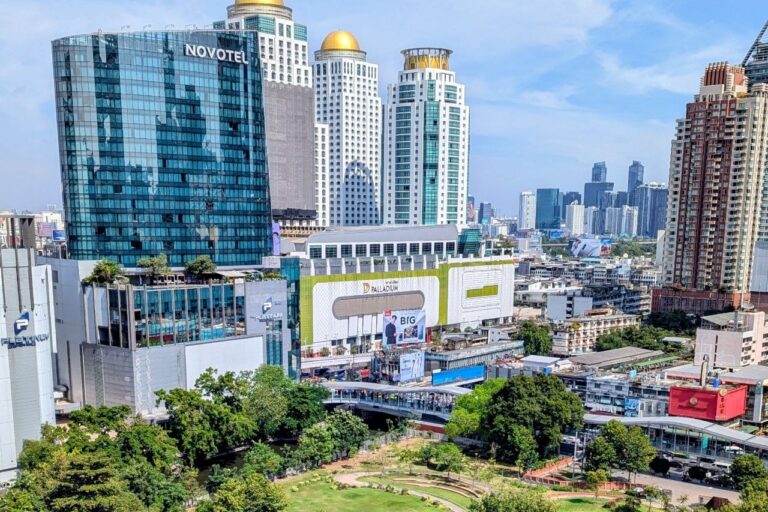

Where Do Expats Live in Vietnam? A Practical Guide Before You Move
You can spend ten minutes on YouTube and come away thinking every foreigner in Vietnam is living the same life. They’re working from beachfront cafés in Da Nang, drinking coconut coffee, paying next to nothing for rent, and somehow balancing productivity with daily sunsets. Then you join a few expat Facebook groups or spend an evening reading Reddit, and you discover something very different.
One person loves Ho Chi Minh City because they thrive on energy and business opportunities. Another moved away after six months because the traffic drove them crazy. Someone else insists Da Nang is perfect until the rainy season arrives. Families recommend Hanoi for its international schools, while retirees quietly settle in Hoi An because they no longer care about nightlife or networking events.
That is why the question where do expats live in Vietnam doesn’t have one answer. Foreigners don’t spread evenly across the country. They tend to cluster in a handful of cities, and within those cities they often choose the same neighborhoods. The reasons usually have less to do with famous attractions and much more to do with everyday life. Reliable internet, supermarkets with imported food, international healthcare, coworking spaces, easy airport access, and the local cost of living often matter far more than living close to a tourist landmark.
If you’re moving to Vietnam as an expat, this guide isn’t about where to spend a two-week holiday. It’s about choosing a place where you can build a daily routine, make friends, rent an apartment without regrets, and avoid discovering three months later that everyone you wanted to meet actually lives on the other side of the city.
Where Do Most Expats Live in Vietnam?
One of the first surprises for newcomers is how concentrated the foreign population actually is. Although Vietnam has dozens of interesting cities, the vast majority of foreigners settle in just four places:
• Ho Chi Minh City
• Da Nang
• Hanoi
• Hoi An
You’ll occasionally meet expats in Nha Trang, Hai Phong or smaller coastal towns, but the established expat communities in Vietnam are overwhelmingly found in those four locations.
There are practical reasons for this. These cities have international airports, hospitals with English-speaking staff, coworking spaces, apartments designed for foreigners, and established communities that make settling in easier. Once enough foreigners move somewhere, more tend to follow because finding housing, joining social groups, and getting recommendations becomes much simpler.
If you’ve been wondering where do foreigners live in Vietnam, the answer isn’t simply “everywhere.” Most prefer places where daily life requires fewer compromises, especially during the first year. After they’ve become comfortable with Vietnam, some move to quieter towns, but newcomers usually begin where support networks already exist.
The biggest decision isn’t choosing Vietnam itself.
It’s deciding which version of Vietnam suits your personality.
Ho Chi Minh City
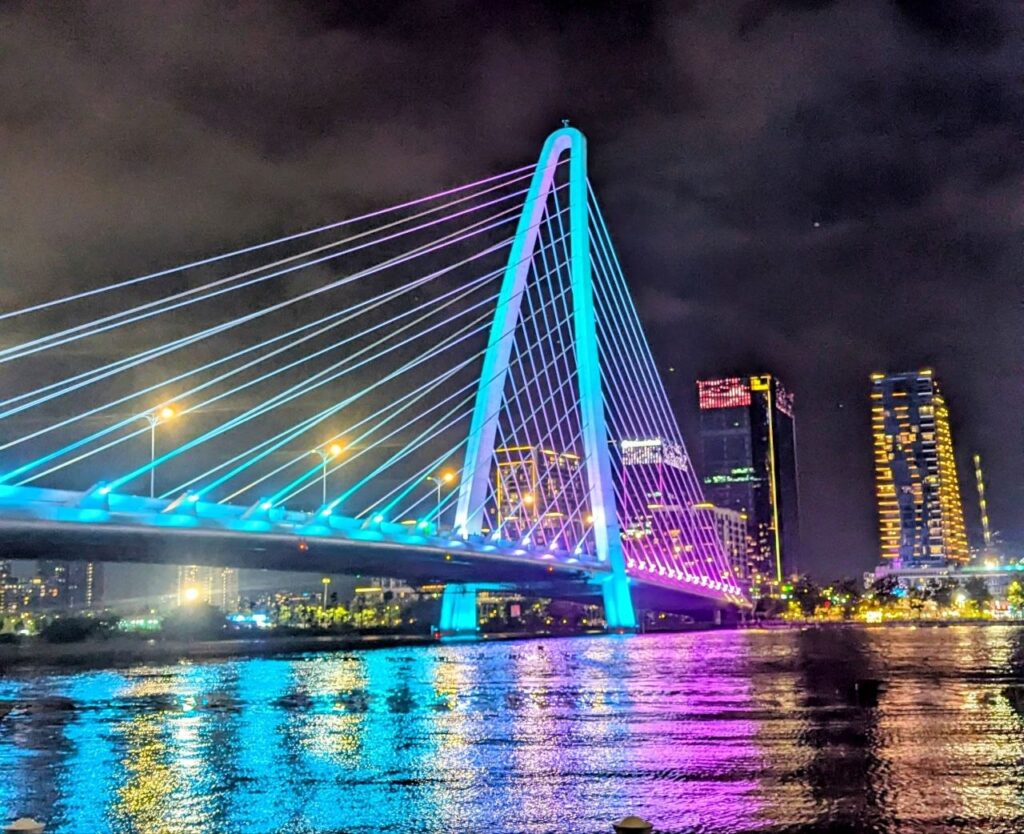
Ask long-term expats where they would recommend for someone moving to Vietnam for work, and Ho Chi Minh City usually appears first.
That doesn’t mean everyone loves it.
It means it offers the widest range of opportunities.
This is Vietnam’s business capital. Startups, international companies, entrepreneurs, English teachers, consultants, software developers and freelancers all pass through here. If networking matters to you, nowhere else in the country comes close.
People often ask where do expats live in Ho Chi Minh City, but that’s really several different questions because different neighborhoods attract very different lifestyles.
District 2 (Thao Dien)
If you’ve spent time reading expat discussions online, you’ve probably seen Thao Dien mentioned repeatedly.
There’s a reason.
This neighborhood feels noticeably different from much of the city. Wide streets, international supermarkets, yoga studios, cafés filled with remote workers, dog parks and bilingual schools make it particularly attractive for Western professionals and families. Many people asking where do western expats live in Vietnam are actually picturing Thao Dien without realizing it.
Apartments are among the most expensive in Vietnam, but residents generally accept the higher rent because almost everything they need is within walking distance.
Typical monthly rent:
- Modern studio: $500–700
- One-bedroom apartment: $700–1,000
- Luxury serviced apartment: $1,200–2,000+
Internet is excellent, coworking spaces are everywhere, and the social scene revolves around cafés, fitness studios, restaurants and weekend markets rather than late-night clubs.
Who should move here?
People working remotely, international families, entrepreneurs and anyone planning to stay for more than a year.
Who probably shouldn’t?
Travelers looking for authentic Vietnamese street life or people on very tight budgets.
District 7
District 7 attracts a different crowd.
It feels more organized, quieter and residential than the city centre. Korean families, international professionals and long-term residents often choose this area because it offers cleaner streets, modern apartment complexes and plenty of green spaces.
Nightlife is much calmer than District 1, but everyday life tends to feel more relaxed.
Typical rent:
- Studio: $450–650
- One-bedroom: $650–900
- Serviced apartment: $900–1,500
District 1
District 1 is where many newcomers begin.

You’re surrounded by restaurants, bars, coworking spaces, rooftop cafés and some of the city’s busiest streets. It’s exciting, convenient and extremely walkable by Vietnamese standards.
The downside becomes obvious after a few months.
Noise rarely stops.
Traffic feels relentless.
Tourists are everywhere.
Many people enjoy spending weekends here while eventually choosing to live somewhere quieter.
Typical rent:
- Studio: $450–700
- One-bedroom: $700–1,100
Daily commuting can be easier here because you’re already close to business districts, but don’t expect peaceful evenings.
Overall, the various expat areas in Ho Chi Minh City suit people who enjoy fast-paced city living, career opportunities and an active social calendar more than those seeking tranquility.
Da Nang
If Ho Chi Minh City attracts ambitious professionals, Da Nang tends to attract people who have already decided they don’t want their entire life revolving around work. That slower pace is one of the city’s biggest strengths, although seasonal weather can significantly change the experience, especially for short visits. Here’s what to expect if you’re planning a September trip to Da Nang.
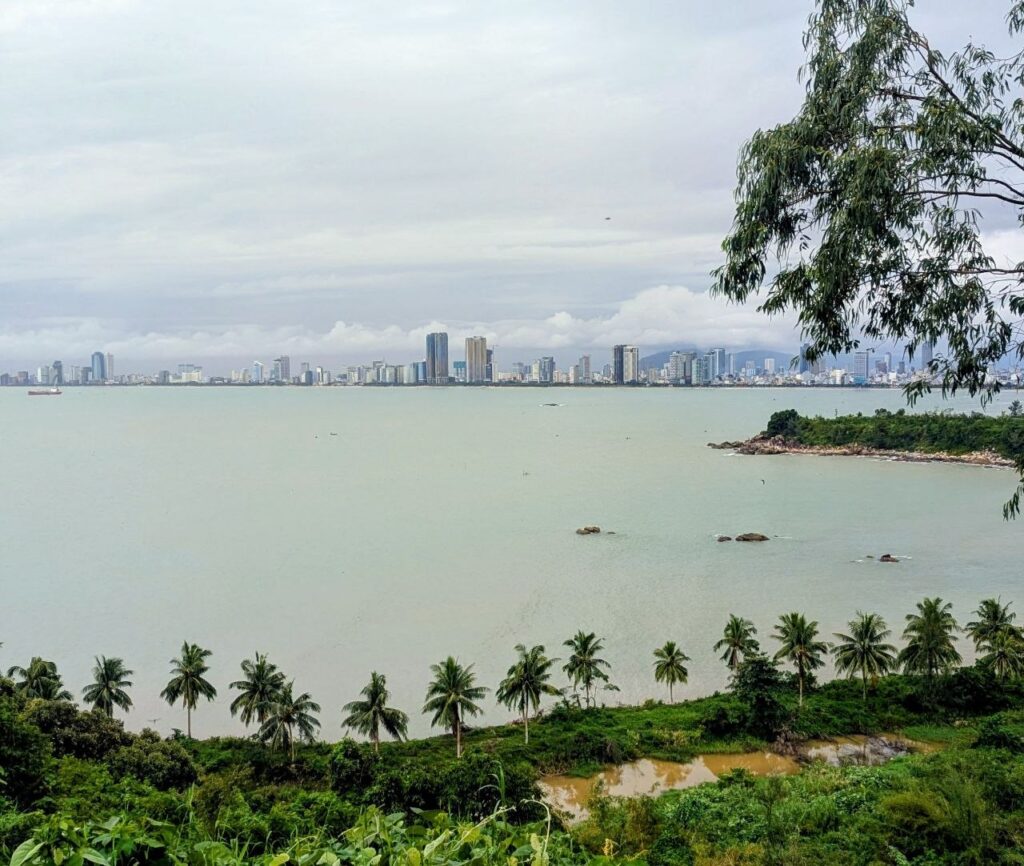
This is the city that repeatedly appears whenever someone asks where do expats live in Da Nang or where do digital nomads live in Vietnam. The atmosphere feels noticeably slower. Many people wake up early, work from cafés overlooking the beach, go surfing before breakfast or meet friends for sunset walks along My Khe Beach. The pace is calmer, but that doesn’t mean the city lacks modern infrastructure. Fast internet speeds, coworking spaces and good apartment options have made Da Nang one of the best places for digital nomads in Vietnam over the past few years.
Unlike Ho Chi Minh City, where foreigners are spread across several districts, most expats naturally gravitate toward two neighboring areas.
An Thuong
An Thuong has become the unofficial digital nomad district.
Walk through the neighborhood in the morning and you’ll pass coworking spaces, smoothie cafés, specialty coffee shops, gyms and restaurants where it’s completely normal to hear English being spoken at almost every table. New arrivals often make friends within a few weeks simply because people here follow similar routines. The community is surprisingly welcoming, and many local businesses have adapted to serving long-term foreign residents.
Typical monthly rent:
- Studio apartment: $300–500
- One-bedroom apartment: $450–700
- Serviced apartment: $700–1,200
Most apartments are within walking distance of both the beach and coworking spaces, which removes the need for daily commuting.
My An
Just north of An Thuong, My An feels slightly more residential while offering many of the same advantages. It attracts remote workers, surfers, couples and freelancers who prefer a quieter environment but still want cafés, restaurants and supermarkets nearby.
Compared with Ho Chi Minh City, traffic is dramatically lighter. You can cross much of the city in twenty minutes on a scooter instead of spending an hour sitting at traffic lights.
Internet reliability is excellent, which surprises many newcomers. Even video calls and large file uploads rarely become a problem.
The biggest strength of Da Nang isn’t necessarily its beaches.
It’s how easy daily life feels.
Most errands can be completed within a small radius. The air quality is generally better than Vietnam’s two largest cities, noise levels are lower, and many people find themselves walking much more than they expected.
Of course, there are disadvantages.
Career opportunities are more limited than Ho Chi Minh City. If your business depends on frequent networking events, conferences or international clients visiting the city, Da Nang can sometimes feel too quiet. During the rainy season, weeks of grey weather also surprise newcomers who expected permanent sunshine based on Instagram.
Still, it’s easy to understand why so many discussions about best places for digital nomads in Vietnam eventually circle back to Da Nang.
Hanoi
Hanoi often divides opinion more than any other Vietnamese city.
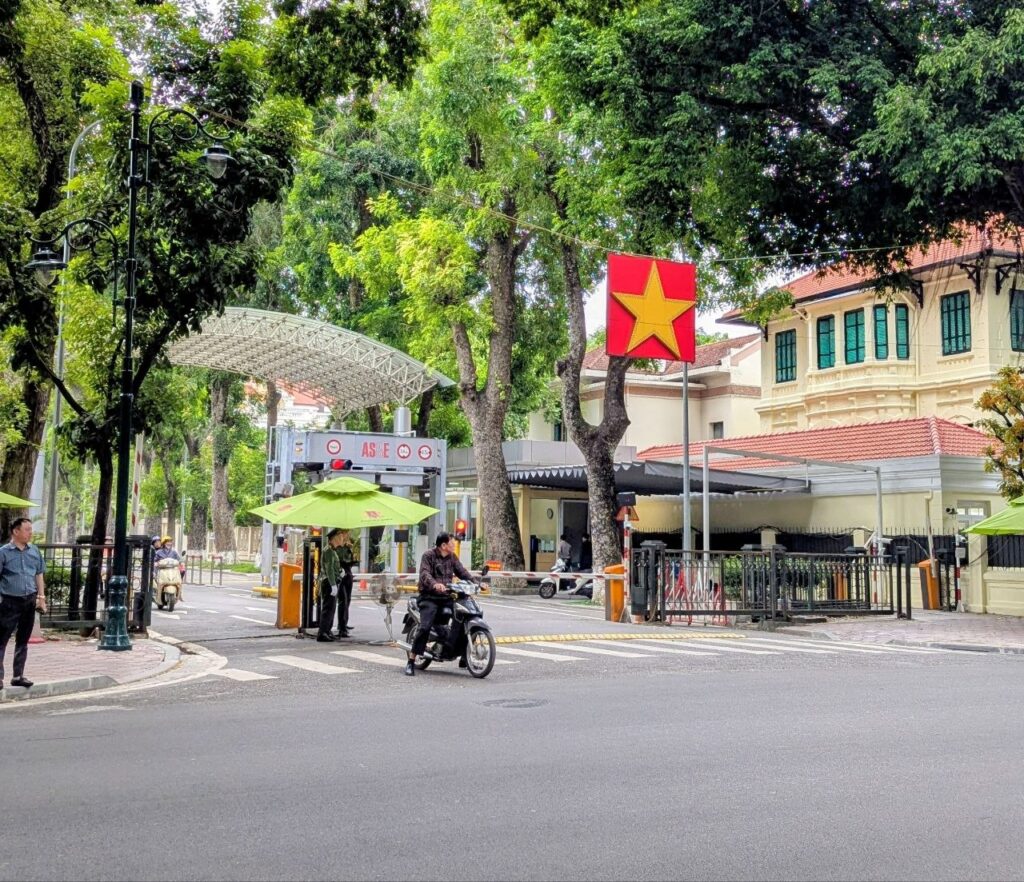
Some foreigners fall in love with it almost immediately. Others leave after a few months and never return. Much depends on what you’re looking for.
Compared with Ho Chi Minh City, Hanoi feels older, more traditional and noticeably more connected to Vietnamese culture. Daily life revolves less around beach cafés and international coworking spaces and more around local neighborhoods, history and long-established communities.
Foreign residents usually concentrate around two areas.
Tay Ho (West Lake)
Tay Ho is the best-known expat neighborhood in northern Vietnam.
If someone asks about expat neighborhoods Vietnam, this area deserves to be near the top of the list. International schools, lakeside cafés, bakeries, yoga studios, craft beer bars and imported grocery stores have attracted diplomats, teachers, families and entrepreneurs for years.
Life here feels slower than central Hanoi while still providing easy access to the city.
Typical monthly rent:
- Studio apartment: $350–550
- One-bedroom apartment: $500–850
- Serviced apartment: $900–1,500
Many apartments overlook West Lake, which creates a surprisingly peaceful atmosphere despite being inside a busy capital city.
Ba Dinh
Ba Dinh attracts professionals who prefer being closer to government offices, embassies and business districts while still enjoying quieter streets than the Old Quarter.
The neighborhood feels more local than Tay Ho, making it a good choice for foreigners hoping to experience everyday Vietnamese life without giving up convenience.
Hanoi has several strengths that people often underestimate.
Its café culture is exceptional.
The city has a large international teaching community.
Food is outstanding even by Vietnamese standards.
Winters, however, surprise many newcomers. Unlike southern Vietnam, Hanoi experiences cool, damp months that some people love and others find uncomfortable. Air pollution can also become significant during certain parts of the year.
Families often rank Hanoi among the best places to live in Vietnam for expats because of its international schools and established communities. Young remote workers, however, sometimes prefer Da Nang’s beaches or Ho Chi Minh City’s networking opportunities.
Hoi An
Hoi An occupies a unique position.
Few people move here expecting rapid career growth or endless nightlife. Those who stay usually do so because they deliberately want life to slow down.
The town attracts writers, artists, retirees, online business owners and creative professionals who no longer feel the need to live in a major city. Many people spend mornings working from quiet cafés before cycling through rice fields or walking along the river in the evening.
That peaceful lifestyle is exactly why where do retirees live in Vietnam often includes Hoi An near the top of the list.
Typical monthly rent:
- Studio: $250–450
- One-bedroom house or apartment: $400–700
- Larger villa: $800–1,500
Daily expenses remain relatively low, although prices inside the historic centre are noticeably higher because of tourism.
There are trade-offs.
Healthcare options are limited compared with Ho Chi Minh City and Hanoi, meaning many residents travel to Da Nang for specialist treatment. The international community is smaller, and after several months some younger professionals begin missing the variety of networking opportunities found elsewhere.
Hoi An isn’t the place to build a high-growth startup.
It’s a place people choose after deciding they value lifestyle more than constant activity.
Where Do Digital Nomads Live in Vietnam?
Although digital nomads can be found throughout the country, three destinations consistently dominate conversations.
Da Nang has become the favourite among remote workers who prioritise balance. Beaches, affordable apartments, reliable internet and an unusually friendly community create an environment where work fits naturally into everyday life instead of competing with it.
Ho Chi Minh City appeals to entrepreneurs, startup founders and freelancers whose work benefits from networking. The number of coworking spaces, business events and international companies creates opportunities that smaller cities simply cannot match.
Hoi An attracts a smaller but growing group of writers, designers and independent creators looking for a quieter routine. Many actually split their time between Hoi An and nearby Da Nang, enjoying the slower atmosphere while still having access to larger coworking communities.
If you’re researching where should I live in Vietnam as a foreigner, the answer often depends less on your nationality than on how you prefer spending an ordinary Tuesday. Do you enjoy busy cafés filled with entrepreneurs, peaceful mornings by the beach, or quiet afternoons overlooking rice fields? Those everyday preferences usually matter much more than famous landmarks.
One thing remains remarkably consistent across expat discussions. The people happiest with living in Vietnam as an expat tend to choose a city that matches their daily habits rather than one that simply looks beautiful in travel videos.
Where Do Retirees Live in Vietnam?
Although Vietnam isn’t traditionally viewed as a retirement destination in the same way as Portugal or Spain, its popularity among retirees has grown steadily over the last decade. Lower living costs, warm weather and a generally relaxed pace of life make it appealing for people looking to stretch their retirement income without sacrificing comfort.
When people ask where do retirees live in Vietnam, the answers are surprisingly consistent.
Hoi An attracts retirees who value walkability, cafés, quiet evenings and a slower rhythm of life. Da Nang appeals to those who want modern healthcare, a beach lifestyle and a larger international community without living in a hectic metropolis. Some retirees also choose quieter parts of Hanoi or Ho Chi Minh City because they want easier access to hospitals and international airports, especially if they travel frequently to visit family abroad.
Healthcare usually becomes the deciding factor. Saving a few hundred dollars each month on rent doesn’t matter much if specialist medical care requires hours of travel. Da Nang has earned a particularly strong reputation among expats because quality private hospitals are relatively accessible while everyday life remains much calmer than in Ho Chi Minh City.
Walkability also matters far more than many people expect. During your thirties, riding a scooter everywhere may seem normal. Twenty years later, being able to reach cafés, supermarkets, pharmacies and parks on foot often becomes much more valuable.
How Much Does Rent Cost?
One reason so many foreigners consider Vietnam is that housing remains significantly cheaper than in most Western countries. That doesn’t mean every apartment is a bargain. Prices vary dramatically depending on location, building quality and whether the property targets locals or foreigners.
Here’s a realistic comparison for long-term rentals:
Utilities usually add another $50–120 per month, depending on air conditioning usage.
If your budget is limited, Vietnam is frequently mentioned alongside other cheapest countries for digital nomads, particularly for people earning income remotely.
It’s also one of the few places where living abroad on $1,000 a month is still realistic in certain cities, provided you’re comfortable with a modest lifestyle and choose your neighborhood carefully.
One mistake many newcomers make is focusing exclusively on rent.
Saving $100 each month by living forty minutes away from the people you want to meet often turns out to be an expensive decision in terms of time, transport costs and social life.
Which City Is Best for Different Types of Expats?
No city wins every comparison.
Instead, each attracts a different type of foreign resident.
Remote workers
Da Nang usually comes first.
Reliable internet, affordable apartments, beach access and an active coworking scene create an excellent work-life balance.
Entrepreneurs
Ho Chi Minh City remains the strongest choice.
Networking events happen almost every week, international businesses continue growing, and it’s much easier to meet investors, founders and freelancers.
Families
Hanoi and District 2 in Ho Chi Minh City stand out because of their international schools, family-friendly apartment complexes and healthcare options.
Retirees
Hoi An and Da Nang generally provide the calmest environment while still offering good services and established foreign communities.
Freelancers
This depends on personality.
Creative freelancers often enjoy Hoi An or Da Nang.
Consultants and business professionals usually prefer Ho Chi Minh City because of the wider client network.
Long-term residents
Many people eventually discover that the city they loved during their first three months isn’t necessarily where they want to spend five years.
That’s why experienced expats often recommend renting first and deciding later.
Is Da Nang Better Than Ho Chi Minh City for Expats?

This debate appears constantly in expat communities.
The truth is that neither city is objectively better.
They’re simply designed for different personalities.
Da Nang feels spacious.
Ho Chi Minh City feels energetic.
Da Nang encourages routines built around beaches, cafés and outdoor activities.
Ho Chi Minh City rewards ambition, networking and career development.
If you enjoy meeting new people every week, attending business events and having endless restaurant options, Ho Chi Minh City is difficult to beat.
If you value quiet mornings, shorter commutes and finishing work with a walk by the ocean instead of another hour in traffic, Da Nang usually feels more comfortable.
This is why asking is Da Nang better than Ho Chi Minh City for expats is a bit like asking whether mountains are better than cities.
The answer depends almost entirely on the person.
Many experienced expats actually recommend trying both before making a long-term decision.
Common Mistakes People Make
After reading hundreds of discussions from people who relocated to Vietnam, certain mistakes appear again and again.
The first is choosing the cheapest apartment rather than the best neighborhood.
Saving money feels satisfying at first, but many newcomers eventually realise they’re spending far more time commuting or taking taxis because they live far away from the places they actually enjoy.
The second mistake is signing a twelve-month lease immediately.
Vietnam is very different from what most people imagine before arriving. A neighborhood that seems perfect online may feel completely different once you’ve spent several weeks there. Many experienced expats recommend using temporary accommodation before renting so you can explore several districts before committing.
Another common mistake is choosing a city purely because it looks beautiful on Instagram.
Short videos rarely show traffic, flooding during rainy season, construction noise or long daily commutes. The places that generate the best travel content aren’t always the easiest places to build an everyday life.
Finally, newcomers often underestimate how much their social circle depends on location. Living thirty minutes away from the nearest coworking space or expat café may not sound significant, but over time it can make spontaneous friendships much harder to develop.
How to Choose the Right City Before You Move
The biggest advantage you have before relocating is flexibility. Once you’ve signed a lease, bought furniture and settled into a routine, moving becomes much more expensive and stressful. That’s why experienced expats almost always recommend treating your first month as research rather than a permanent decision.
Start by visiting your preferred city for at least four weeks if your schedule allows. A weekend isn’t enough. Almost every place feels exciting when you’re on holiday. What matters is how you feel after doing ordinary things for several weeks. Grocery shopping, working from cafés, commuting during rush hour and finding your favourite coffee shop will tell you much more than sightseeing ever will.
Don’t commit to a one-year apartment immediately. Spend your first weeks exploring different neighborhoods instead. Stay in District 1 before deciding whether you’d actually prefer Thao Dien. Try central Da Nang before moving closer to the beach. Walk through neighborhoods during both weekdays and weekends because the atmosphere often changes dramatically.
Another useful step is joining local Facebook groups before you arrive. Most cities have active communities where people discuss apartment recommendations, visa updates, healthcare, coworking spaces and everyday problems. Reading those conversations often gives a much more realistic impression than polished relocation guides.
If you work remotely, test several coworking spaces before buying a monthly membership. Reliable internet isn’t difficult to find in Vietnam, but every workspace has a different atmosphere. Some are built for quiet concentration, while others function almost like networking clubs where people spend as much time chatting as working.
Perhaps the most valuable advice is simply talking to people who already live there. Ask them what surprised them after moving. Ask what they wish they had known earlier. The answers usually reveal things you won’t find in travel blogs.
Finally, if you’re planning to stay longer than a few months, spend some time researching digital nomad visa options and residency requirements before relocating. Even though Vietnam attracts thousands of remote workers, immigration rules change periodically, and understanding your long-term options early can save a lot of stress later.
People often spend weeks comparing apartment prices before moving to Vietnam.
In reality, choosing the right neighborhood usually matters far more than saving another fifty dollars on rent.
The happiest expats rarely end up in the absolute cheapest apartment or even the city’s most famous district. They choose places that fit the life they actually want to live. Someone building a startup may happily accept Ho Chi Minh City’s traffic because the business opportunities outweigh the inconvenience. Someone else may gladly earn a little less if it means finishing work five minutes from the beach in Da Nang. A retiree may discover that peaceful mornings in Hoi An are worth far more than living near the country’s busiest nightlife.
The same applies if you’re comparing Vietnam with other affordable alternatives to Bali. No destination is objectively better. Every place involves trade-offs between cost, community, climate, career opportunities and lifestyle. Vietnam simply offers more variety than many newcomers expect.
If you’re still asking yourself where should I live in Vietnam as a foreigner, don’t look for the perfect city.
Look for the city that fits your daily routine.
That’s usually where you’ll end up feeling at home.
FAQ
Where do most expats live in Vietnam?
Most foreigners settle in Ho Chi Minh City, Da Nang, Hanoi and Hoi An because these cities offer strong international communities, reliable infrastructure, private healthcare, coworking spaces and apartments designed for long-term foreign residents.
What is the best city in Vietnam for expats?
There isn’t one universal answer. Ho Chi Minh City suits entrepreneurs and professionals, Da Nang is popular with remote workers, Hanoi attracts families and teachers, while Hoi An appeals to retirees and people seeking a slower lifestyle.
Where do digital nomads live in Vietnam?
Most digital nomads choose Da Nang because of its beach lifestyle, fast internet and coworking scene. Ho Chi Minh City is another popular option for networking and business opportunities, while Hoi An attracts creatives who prefer a quieter environment.
What are the best neighborhoods for expats in Vietnam?
Some of the most popular best neighborhoods for expats in Vietnam include Thao Dien (District 2), District 7 and District 1 in Ho Chi Minh City, Tay Ho in Hanoi, and An Thuong and My An in Da Nang.
Is Vietnam affordable for foreigners?
Yes. Compared with many Western countries, Vietnam remains relatively affordable. Housing, food and transportation costs are generally low, although premium apartments in popular expat neighborhoods can cost significantly more than local housing.
Where do Western expats live in Vietnam?
Many where do western expats live in Vietnam discussions point to Thao Dien in Ho Chi Minh City, Tay Ho in Hanoi and An Thuong in Da Nang because these neighborhoods have established international communities, imported grocery stores and English-speaking services.
What are the cheapest places to live in Vietnam for expats?
Hoi An, Da Nang and some outer districts of Hanoi generally offer lower housing costs than central Ho Chi Minh City while still providing a comfortable lifestyle for long-term foreign residents.
Is Da Nang better than Ho Chi Minh City for expats?
It depends on your priorities. Da Nang offers beaches, lower stress and shorter commutes, while Ho Chi Minh City provides stronger career opportunities, a larger expat network and more international business activity.
Should I rent an apartment before arriving in Vietnam?
Most experienced expats recommend against signing a long lease before seeing the neighborhood in person. Spending several weeks exploring different districts usually leads to a much better long-term decision.
How much money do I need to live comfortably in Vietnam?
Many remote workers live comfortably on $1,200–2,000 per month, depending on the city and lifestyle. Those choosing luxury apartments or premium international services should expect to spend more.
Explore the Expat Life Hub
Discover more practical guides about moving abroad, finding the right neighbourhood, adapting to a new country and building a life as an expat around the world.
Explore the Expat Life Hub →This article combines personal travel experience, independent editorial research, and insights gathered from long-term expats, remote workers, and digital nomads living in different parts of Vietnam.
Research sources included:
- Personal travel experiences and observations from visiting Vietnam, along with conversations with expats and remote workers who have lived in Ho Chi Minh City, Da Nang, Hanoi, and Hoi An.
- Community discussions and first-hand experiences shared on Reddit, including digital nomad, expat, and Vietnam-focused communities where foreigners discuss housing, neighborhoods, and everyday life.
- Cost of living, rental, and city comparison data published by Numbeo.
- Global internet performance data and broadband speed comparisons published by Speedtest by Ookla.
- Independent editorial research covering Vietnam’s expat communities, housing market, coworking culture, healthcare access, and long-term relocation trends.
The goal is to provide practical, experience-based guidance for people planning to move to Vietnam by comparing where foreigners actually choose to live, how neighborhoods differ in everyday life, and which city is likely to be the best fit for different budgets, lifestyles, and long-term plans.

Founder & Editor
Founder of The City Theory, writing about digital nomad lifestyle, modern city culture, remote work, travel experiences, psychology and human behaviour around the world.