
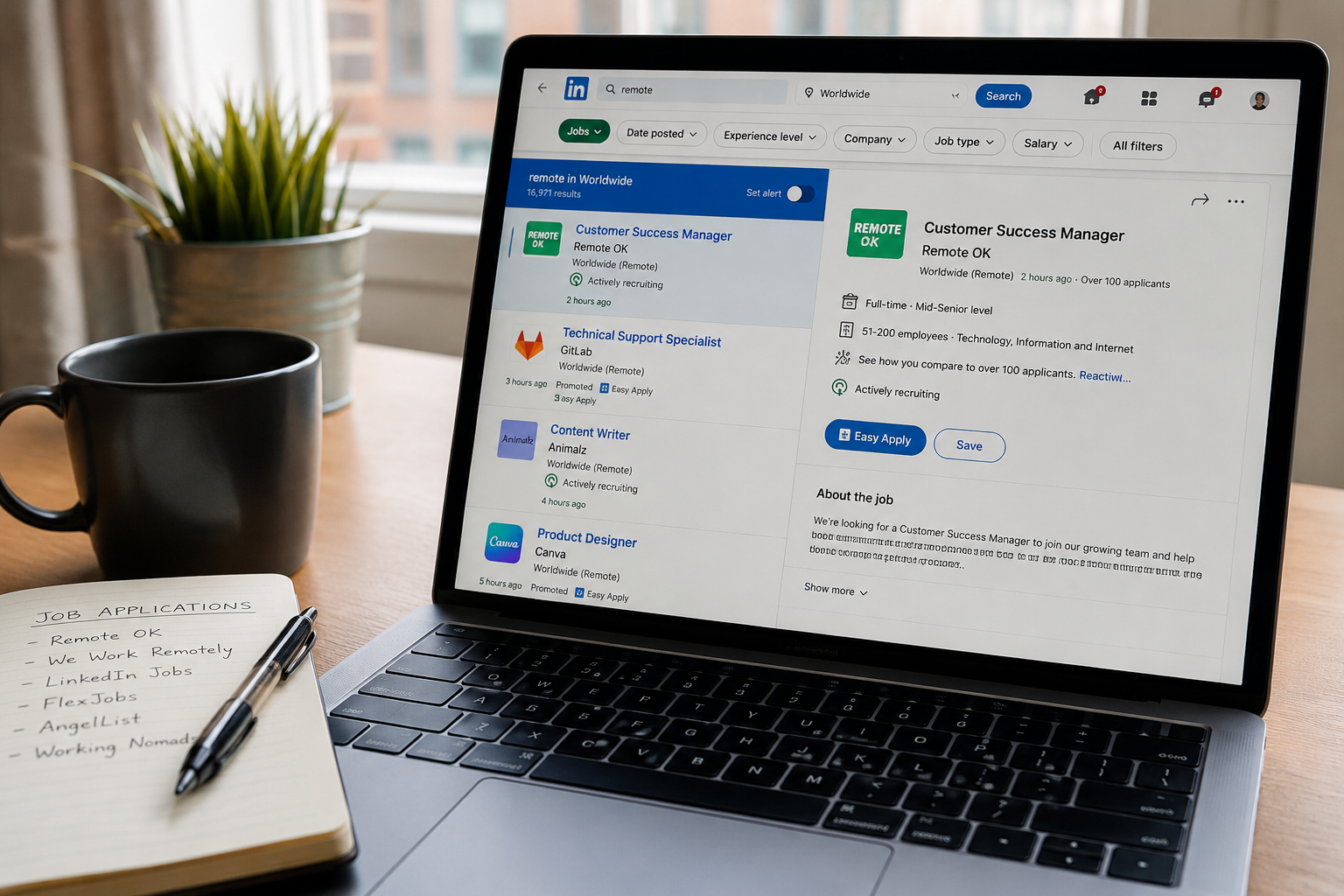
Where to Find Remote Jobs With No Experience: Websites, Strategies, and Practical Ways to Get Started
Remote work has become one of the internet’s favourite success stories. Scroll through social media and you’ll quickly find people claiming they work from beaches in Thailand, cafés in Lisbon, mountain towns in Georgia, or tropical islands in the Philippines. The message often sounds simple: get a remote job, travel the world, and never return to an office again.
The reality is less glamorous.
Remote jobs exist, but they are often much harder to find than social media makes them appear. Competition is intense. Thousands of applicants may apply for a single position. Many job boards are filled with outdated listings, duplicate advertisements, or roles that secretly require years of experience despite being marketed as beginner-friendly. This is one reason some people are turning to newer options such as entry-level AI training work, where opportunities are usually offered through specialized platforms rather than conventional job boards.
This creates a frustrating situation for newcomers. They know remote work exists, but they don’t know where to find it.
If you’re wondering where to find remote jobs with no experience, this guide focuses on practical reality rather than internet myths. We’ll look at the websites people actually use, how recruiters search for candidates, where digital nomads find jobs, and what beginners can realistically do to get started. After all, finding a remote job is only the first step. Many aspiring nomads also wonder whether they can live abroad on $1000 a month as a remote worker while building their income and gaining experience.
Why Finding a Remote Job Is More Difficult Than Most People Expect
Many people assume remote work is a separate category of employment.
It isn’t.
Most remote jobs are simply normal jobs performed from a different location.
Companies still want reliable employees. They still want skills, experience, communication abilities, and problem-solving. Many of the jobs digital nomads actually do are ordinary professional roles that happen to be performed remotely. The fact that a position is remote often makes it more competitive rather than less.
A customer support role that might receive 50 local applicants could easily attract 2,000 remote applicants from around the world.
Another challenge is visibility.
Many of the best remote positions are never posted on popular job boards. Companies often hire through referrals, LinkedIn connections, professional communities, recruiters, and existing networks before a public advertisement ever appears. This problem is particularly noticeable in highly competitive markets, where even experienced professionals can struggle to get hired despite seemingly endless vacancies online.
This is why many beginners spend months applying to jobs without success. They focus entirely on application websites while ignoring networking, recruiters, and industry communities.
There are also countless scams. Fake recruiters, cryptocurrency schemes, fake training programs, and identity theft scams have become increasingly common in remote work spaces.
Finding remote work is possible, but it requires a more strategic approach than simply clicking “Apply” hundreds of times. Many successful candidates focus on networking, skill development, and targeted applications rather than volume alone. If you’re trying to accelerate the process, our guide on how to get a job in one month covers practical strategies that can help improve your chances of getting hired faster.
Best Websites to Find Remote Jobs
Job boards remain one of the easiest places to start. However, not all remote job websites are equally useful.
Some attract high-quality employers. Others are filled with outdated listings or extremely competitive roles.
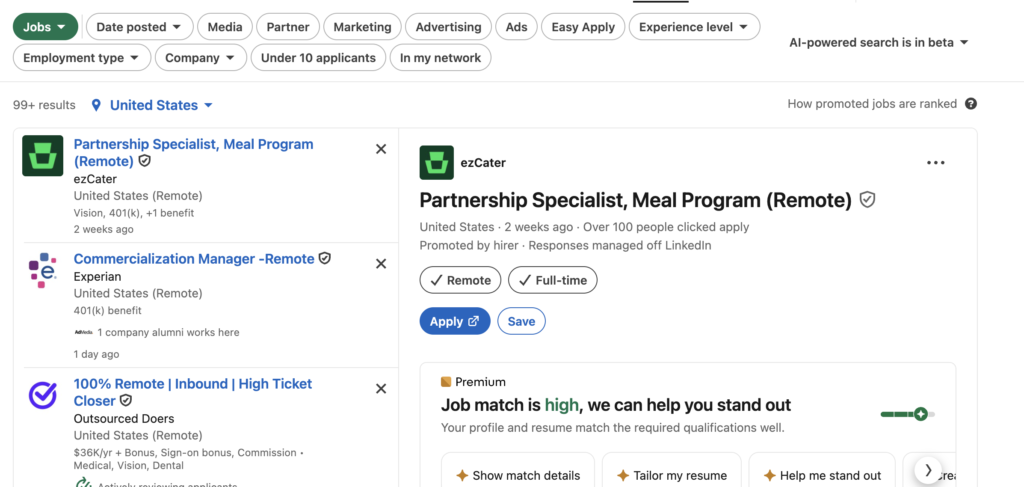
LinkedIn remains one of the strongest platforms for finding remote work.
Unlike traditional job boards, LinkedIn combines job listings with networking opportunities. Recruiters actively search for candidates, hiring managers publish openings, and employees often share positions before they appear elsewhere. This is one of the reasons why finding remote opportunities through LinkedIn can be far more effective than relying on job boards alone.
Common jobs include:
• Customer Support
• Marketing
• Sales
• Project Management
• Recruiting
• Content Writing
• SEO
• Software Development
• Operations
Pros
- Massive number of listings
- Recruiters actively search profiles
- Strong networking opportunities
- Direct contact with hiring teams
Cons
- Extremely competitive
- Many duplicate listings
- Some positions receive thousands of applications
How to stand out
Optimise your headline, build a complete profile, add relevant skills, and engage with industry content regularly.
Remote OK
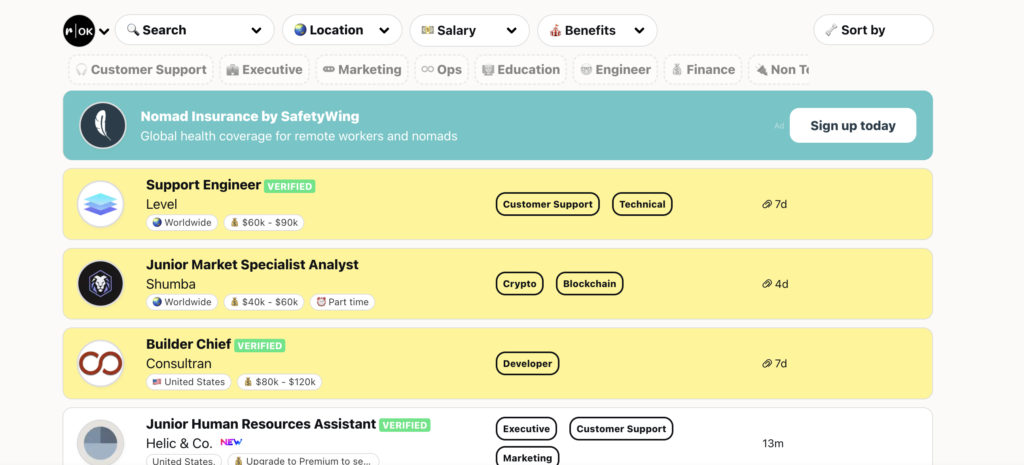
Remote OK has become one of the most recognised remote job boards among digital nomads.
The platform focuses entirely on remote opportunities and includes positions across technology, marketing, writing, design, customer support, and operations.
Common jobs include:
• Developers
• Designers
• Content Marketers
• Customer Support Specialists
• SEO Specialists
Pros
- Fully remote focus
- International opportunities
- Easy filtering
Cons
- Strong focus on technology
- High competition
How to stand out
Apply quickly. Many remote positions receive the majority of applications within the first few days.
We Work Remotely
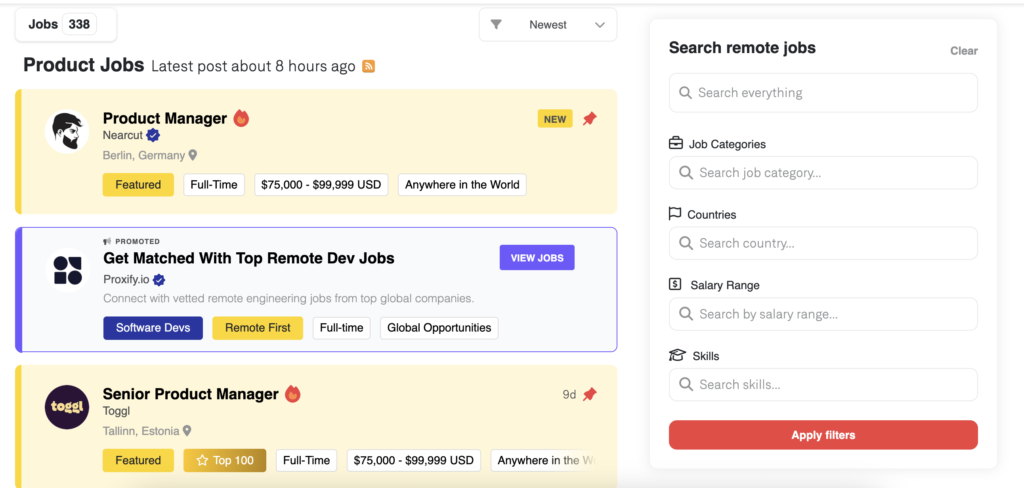
We Work Remotely remains one of the oldest and most respected remote job websites.
The platform attracts startups, remote-first companies, and international employers.
Common jobs include:
• Customer Support
• Marketing
• Programming
• Product Management
• Writing
Pros
- High-quality employers
- Long-established reputation
- Strong remote-work culture
Cons
- Fewer beginner positions
- Competitive applicant pools
How to stand out
Customise every application instead of using generic templates.
Working Nomads
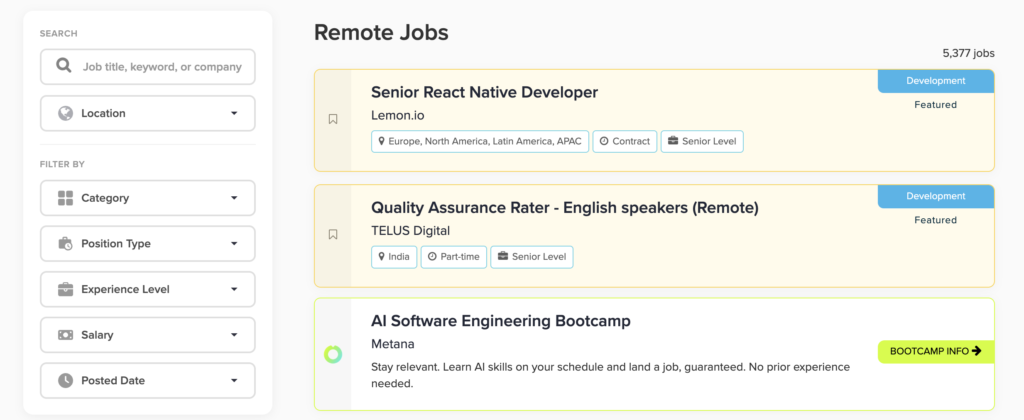
Working Nomads curates remote opportunities from multiple sources.
It is particularly useful for people interested in location-independent careers and long-term remote work.
Common jobs include:
• Marketing
• Sales
• Customer Success
• Recruiting
• Finance
• Operations
Pros
- Curated listings
- Daily updates
- Useful email alerts
Cons
- Smaller volume of jobs
- Less useful for highly specialised industries
How to stand out
Set up alerts and apply early before listings become saturated.
Remote.co
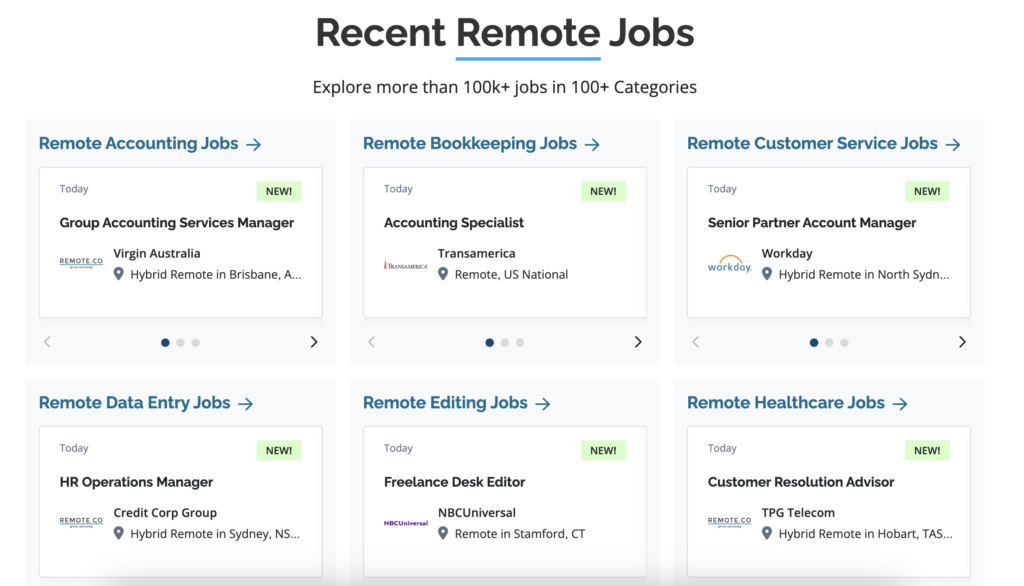
Remote.co combines remote job listings with educational resources and remote work guidance.
It is often overlooked compared to larger platforms but contains many legitimate opportunities.
Common jobs include:
• Virtual Assistant Positions
• Customer Service
• Administrative Support
• Recruiting
• Content Creation
Pros
- Beginner-friendly categories
- Good educational content
- Remote-focused employers
Cons
- Smaller selection compared to LinkedIn
- Fewer international opportunities
How to stand out
Focus on demonstrating communication skills and reliability. Many employers hiring through Remote.co are looking for dependable team members rather than impressive résumés.
The biggest mistake people make when using these platforms is relying on only one website. Successful candidates usually monitor several job boards simultaneously while also building a presence on LinkedIn and within professional communities.
Wellfound (Formerly AngelList)
If you’re interested in startups, Wellfound is one of the most useful platforms available.
Unlike traditional job boards, Wellfound focuses on startup companies, many of which operate remotely by default. These companies are often more flexible when it comes to experience requirements because they care more about skills and adaptability than formal credentials.
Common jobs include:
Common jobs include:
• Customer Success
• Marketing
• Content Writing
• Recruiting
• Sales
• Operations
• Product Support
• Entry-Level Tech Positions
Pros
- Startup culture
- Direct access to founders
- Transparent salary information on many listings
- Remote-friendly employers
Cons
- Startups can be less stable
- Benefits may be limited
- Some roles require wearing multiple hats
How to stand out
Don’t apply like you’re applying to a corporation. Startup founders often respond well to personalised applications that show genuine interest in the company.
Dynamite Jobs
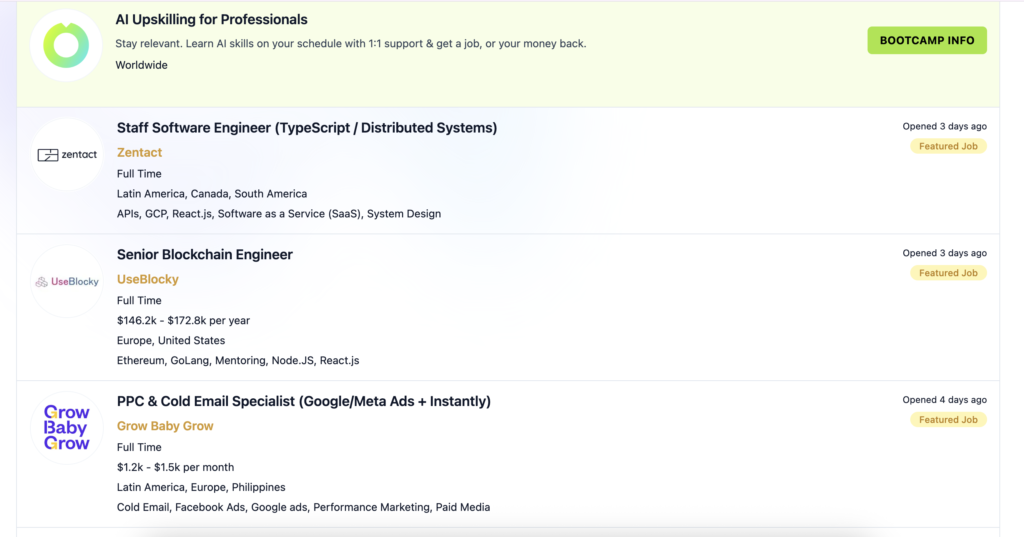
Dynamite Jobs was created specifically for remote-first businesses and digital entrepreneurs.
Many of the companies advertising there are founded by people who work remotely themselves.
Common jobs include:
• Virtual Assistants
• Customer Support
• Content Management
• Marketing
• Operations
• Executive Assistant Roles
• Community Management
Pros
- Strong focus on remote work
- Fewer scam listings
- Quality employers
Cons
- Smaller number of jobs
- Positions fill quickly
How to stand out
Read the entire job description carefully. Many employers deliberately include instructions to test attention to detail.
FlexJobs
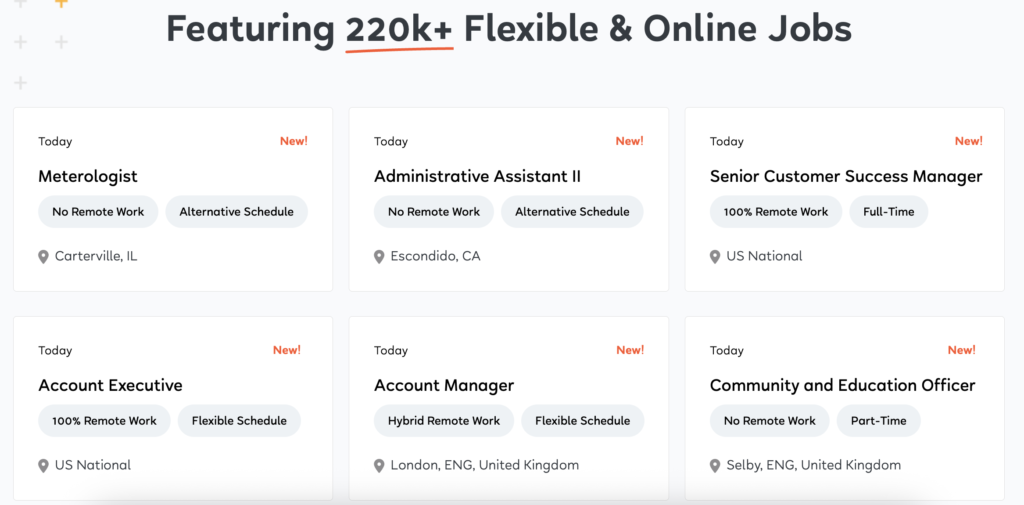
FlexJobs is one of the few major job boards that charges users.
This often creates mixed opinions.
However, the advantage is that FlexJobs manually screens listings, which reduces scams significantly.
Common jobs include:
• Administrative Support
• Customer Service
• Data Entry
• Writing
• Project Management
• Education
• Healthcare Administration
Pros
- Fewer scams
- Curated opportunities
- Good beginner categories
Cons
- Paid subscription
- Some jobs appear elsewhere for free
How to stand out
Treat FlexJobs as one source rather than your only source. The biggest value is often the quality control rather than exclusive listings.
Indeed
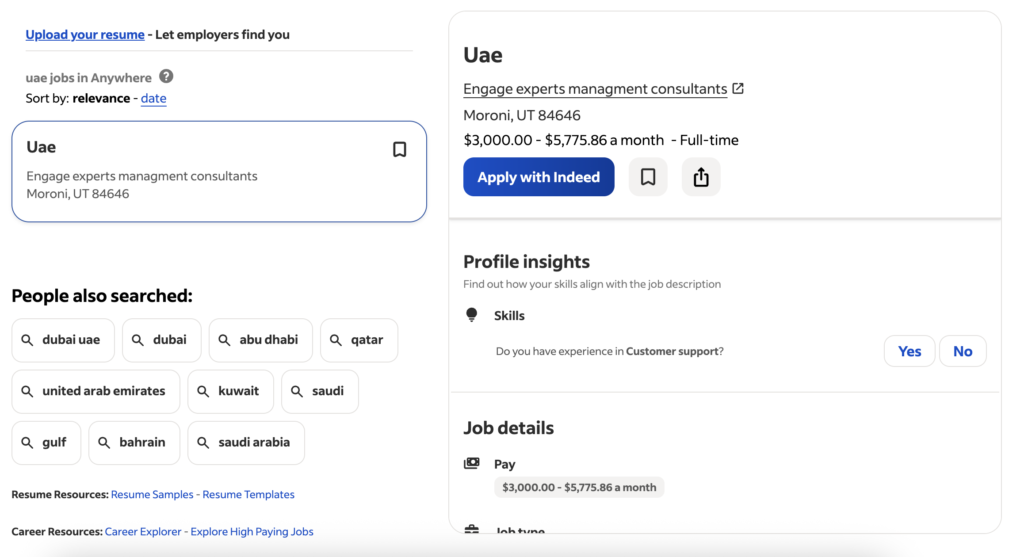
Many people overlook Indeed when searching for remote work because they associate it with traditional employment.
That is a mistake.
Indeed remains one of the largest job databases in the world.
Searches such as:
• Remote Customer Support
• Remote Content Writer
• Remote Recruiter
• Remote Sales Representative
• Virtual Assistant
can reveal thousands of opportunities.
Pros
- Massive database
- Frequent updates
- Suitable for beginners
Cons
- Large number of duplicate listings
- Some outdated jobs
- Heavy competition
How to stand out
Apply quickly and customise your CV for each role.
Telegram Groups for Remote Jobs
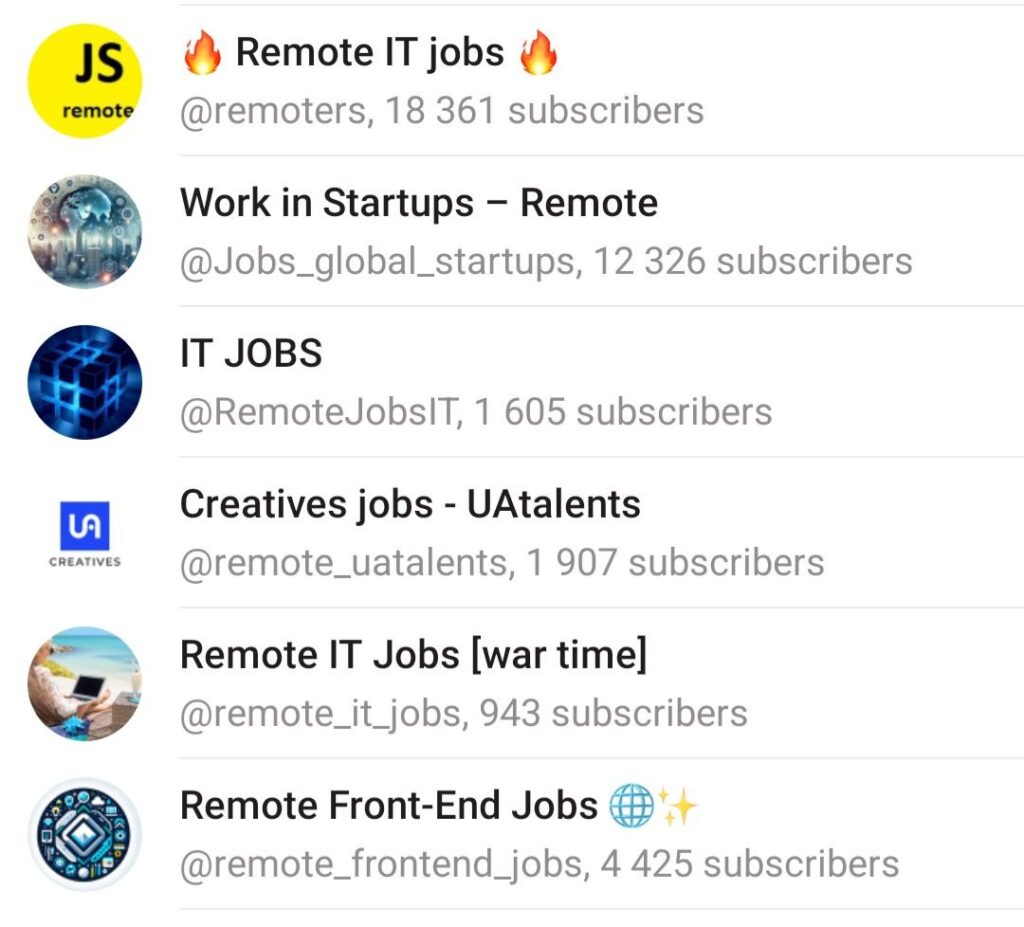
While most people focus on job boards, many remote workers find opportunities through Telegram communities. The platform has become particularly popular among freelancers, startup founders, digital nomads, and remote-first companies because job postings can be shared instantly and often reach candidates before they appear on larger platforms.
Searching Telegram can feel chaotic at first. There is no central job board, and group quality varies significantly. However, using keywords such as “remote jobs”, “digital nomad jobs”, “virtual assistant jobs”, “remote marketing jobs”, and “freelance opportunities” can help uncover active communities.
The types of jobs commonly shared include customer support, content writing, social media management, virtual assistant work, sales, recruiting, design, and various freelance projects.
The biggest risk is scams. Be cautious of groups promising unrealistically high salaries, requiring upfront payments, or offering vague cryptocurrency-related opportunities. Legitimate employers do not ask candidates to pay for training, software, or access to job listings.
Other Places Where People Actually Find Remote Work
One of the biggest misconceptions about remote work is that all jobs appear on job boards. In reality, many positions are filled through communities, referrals, and professional networks long before they become public.
Reddit remains surprisingly useful. Communities such as r/digitalnomad, r/remotework, r/freelance, and industry-specific subreddits frequently contain discussions about hiring opportunities, client referrals, and companies that actively recruit remote workers.
Discord communities have also become important, particularly in technology, marketing, design, gaming, and creator industries. Many startups recruit directly from communities where professionals already spend their time.
Facebook groups continue to generate opportunities despite their declining popularity. Niche groups focused on freelancing, remote work, content creation, and digital nomad lifestyles often contain job posts that never reach traditional job boards. They can be especially useful for finding less conventional opportunities, including text-based remote work for beginners, which is often advertised outside the major recruitment platforms.
Slack communities can be even more valuable. Many professional groups have dedicated hiring channels where members share opportunities with trusted community participants.
The lesson is simple: many remote jobs are never publicly advertised. The more professional communities you join, the more opportunities you are likely to discover. For people who are still at the beginning of their journey, learning how to become a digital nomad with no experience often starts with building connections in exactly these kinds of communities.
FAQ
Where can I find remote jobs with no experience?
The best places to start include LinkedIn, Remote OK, We Work Remotely, Working Nomads, Remote.co, Wellfound, Dynamite Jobs, FlexJobs, and Indeed. Many beginners also find opportunities through Reddit communities, Telegram groups, Discord servers, Facebook groups, and professional Slack communities. The key is using multiple sources rather than relying on a single website.
What are the best remote job sites for beginners?
Some of the best remote job sites for beginners include LinkedIn, Remote.co, Indeed, FlexJobs, and Wellfound. These platforms regularly feature customer support, virtual assistant, content writing, recruiting, and administrative roles that can be accessible to people with limited professional experience.
How do digital nomads find remote jobs?
Many people assume digital nomads only use job boards, but that is rarely the case. Successful nomads often combine job boards, networking, LinkedIn outreach, freelancing platforms, referrals, online communities, and direct contact with recruiters. Some opportunities are never publicly advertised and are filled through personal connections.
Where do digital nomads find remote jobs while travelling?
Digital nomads commonly find work through LinkedIn, Remote OK, We Work Remotely, freelance marketplaces, Telegram groups, Reddit communities, and industry-specific networks. Coworking spaces and professional communities can also lead to job opportunities through referrals and networking.
How can I get a remote job without experience?
If you’re wondering how to get a remote job without experience, focus on building practical skills, creating a simple portfolio, gaining experience through freelance or volunteer projects, improving your LinkedIn profile, and applying consistently. Entry-level roles such as customer support, virtual assistant work, content moderation, and social media assistance are often good starting points.
What are the best remote jobs for people who want to travel?
Some of the most popular remote jobs for people who want to travel include content writing, SEO, customer support, virtual assistance, recruiting, project coordination, sales, social media management, and various freelance services. These jobs are generally location-independent and can often be performed from anywhere with a stable internet connection.
Are remote jobs on Telegram legitimate?
Some Telegram groups share genuine remote opportunities, but scams are common. Be cautious of employers asking for money, promising unrealistic salaries, offering cryptocurrency-related positions, or requesting sensitive personal information before an interview. Always research the company before applying.
What are the signs of a remote job scam?
Common warning signs include requests for payment, fake interview processes, cryptocurrency schemes, promises of unusually high salaries for simple work, poor company websites, and recruiters who refuse to communicate through professional channels. Legitimate employers do not charge candidates to apply or begin working.
How do I find work from anywhere jobs?
Work-from-anywhere jobs are most commonly found on remote-focused platforms such as Remote OK, We Work Remotely, Working Nomads, and Dynamite Jobs. Searching specifically for “location independent” or “work from anywhere” positions can help identify companies that do not require employees to live in a particular country.
How can I find remote jobs while living abroad?
Living abroad can actually provide networking opportunities. Join local coworking spaces, digital nomad communities, Facebook groups, Slack communities, and industry events. Many remote workers discover new clients, recruiters, and job opportunities through personal connections rather than traditional job applications.
This article combines personal experience, independent editorial research, and observations gathered while searching for remote work opportunities, speaking with remote workers, and studying how digital nomads actually find jobs.
Research sources included:
- My own experience searching for remote jobs, communicating with recruiters, and applying through remote job platforms.
- Personal conversations and experiences shared by successful digital nomads, remote workers, freelancers, and expats.
- Community discussions, job search advice, and first-hand experiences shared on Reddit remote work, freelancing, and digital nomad communities.
- Direct research conducted on the job platforms mentioned in this article, including LinkedIn, Remote OK, We Work Remotely, Working Nomads, Remote.co, Wellfound, Dynamite Jobs, FlexJobs, and Indeed.
- Observations of how recruiters, hiring managers, and remote-first companies advertise and fill remote positions.
- Editorial research into beginner-friendly remote careers, work-from-anywhere jobs, remote hiring trends, and common remote job scams.
The goal is to provide practical and realistic guidance on where to find remote jobs with no experience, how digital nomads find work, which websites are worth using, and how beginners can avoid common mistakes while building a remote career.

Founder & Editor
Founder of The City Theory, writing about digital nomad lifestyle, modern city culture, remote work, travel experiences, psychology and human behaviour around the world.