
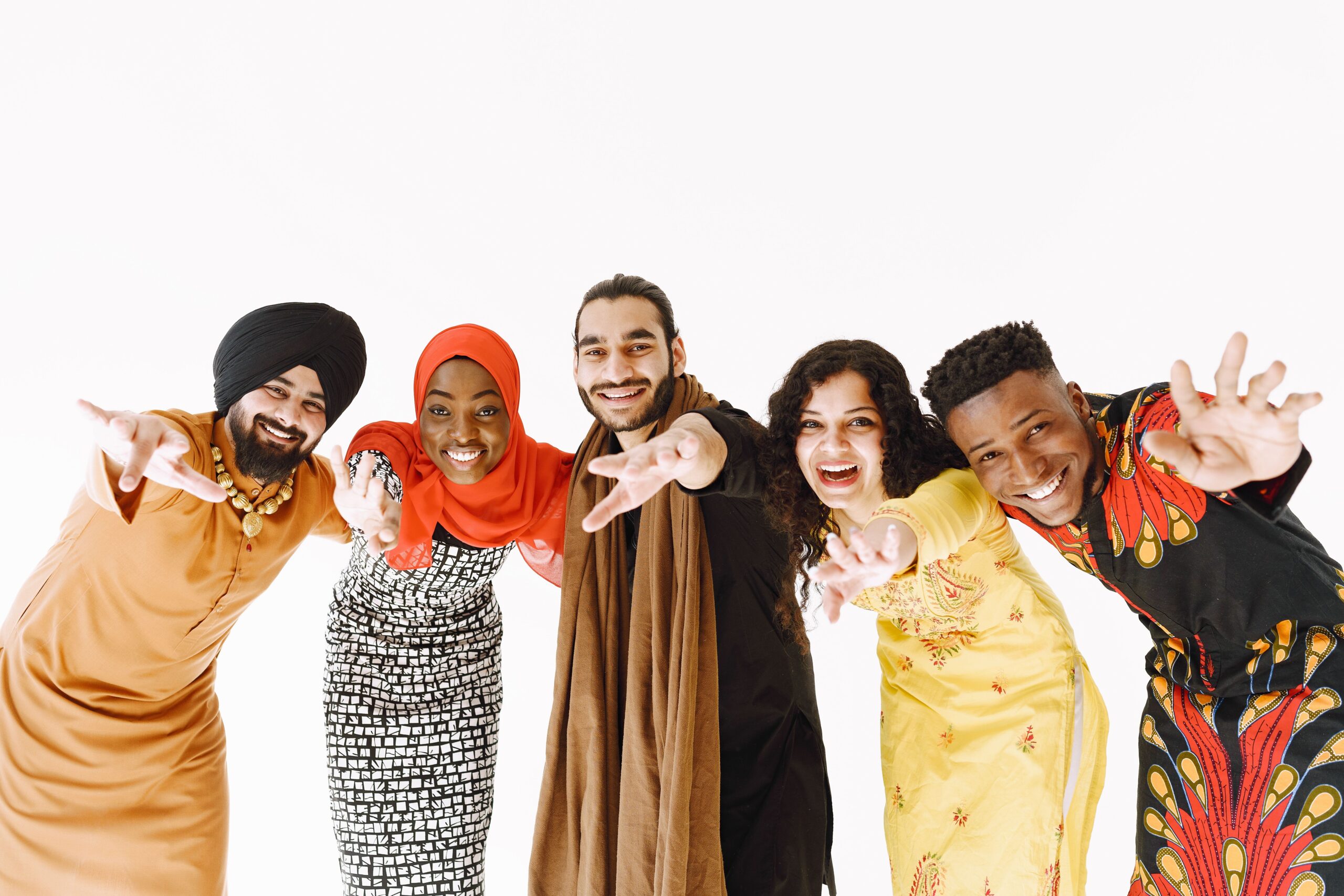
Culture & Society
Some of the most interesting things about a country are not found in guidebooks, but in the habits, languages and social rules people rarely stop to explain.
Culture & Society is where The City Theory looks at the everyday questions that appear when you spend enough time around people from different countries. Why does one language remain important generations after colonial rule ended? Why do certain cities develop unusual relationships with animals, sport or migration? Why can behaviour that feels rude to an outsider be completely normal locally?
These stories focus on the cultural details that often become visible only after travelling, living abroad or talking to people whose everyday assumptions are different from your own. The aim is not to reduce countries to stereotypes, but to understand where those differences come from and why they continue to shape modern life.
Culture & Society brings together The City Theory’s stories about language, identity, migration, social behaviour and modern digital culture. The articles below explore why people, cities and societies develop habits that can seem surprising from the outside.
Why Do Some Lebanese People Look European?
Lebanon sits at the crossroads of the Mediterranean, the Middle East and centuries of migration. This story looks at why Lebanese appearance can be so diverse and why simple racial categories often fail to describe the region.
Read the story →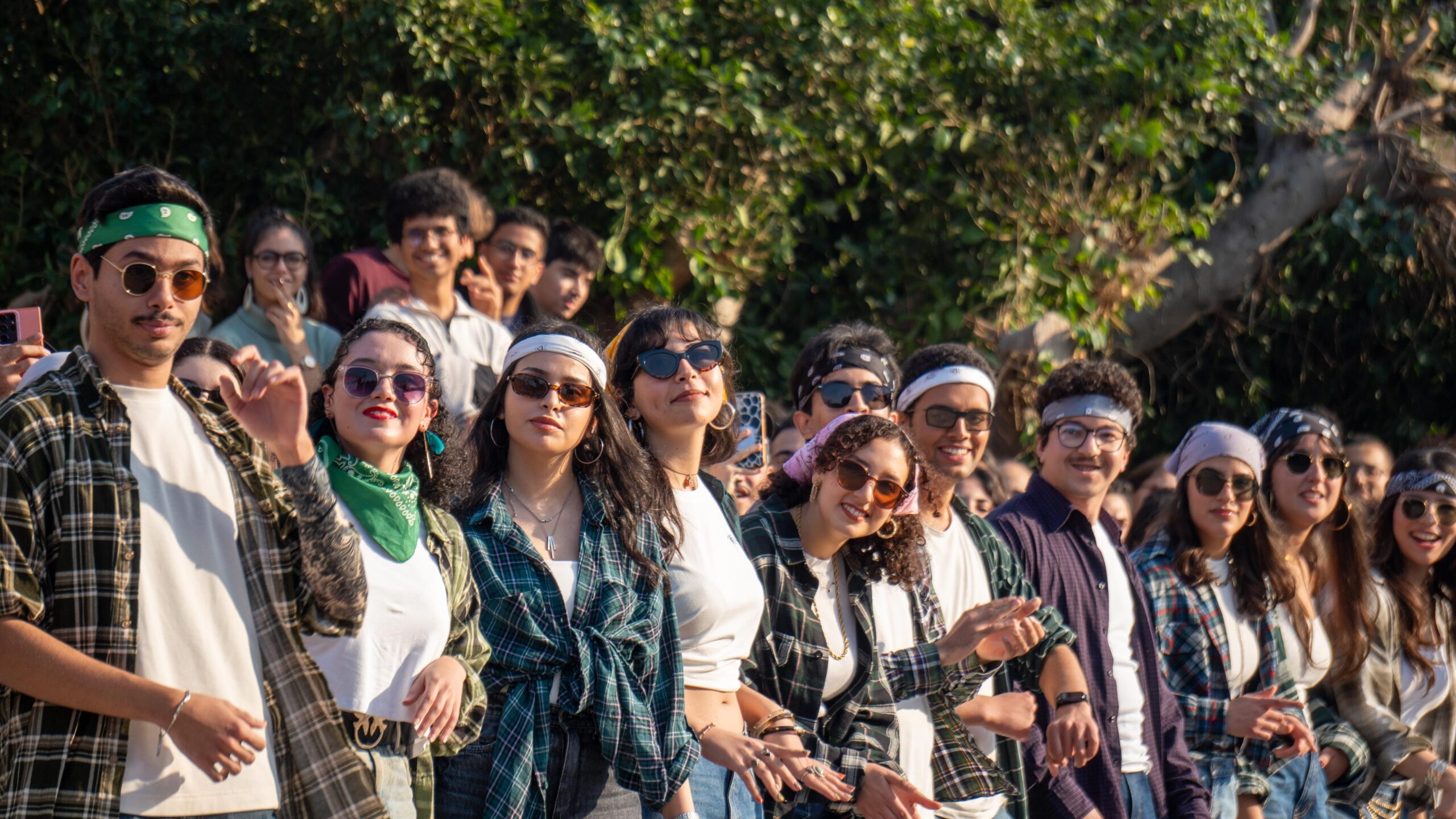
Languages & Identity
Languages rarely exist in isolation from history. Colonialism, trade, migration, education and politics can leave linguistic traces that remain visible for generations. These stories explore why certain languages continue to shape identity in places where they are not the native language of the majority.
Why Do Moroccans Speak French?
French remains deeply visible in Moroccan education, business and urban life even though Arabic and Amazigh are the country’s official languages.
Read the story →Why Do Lebanese People Speak French?
Lebanon’s relationship with French stretches across education, politics, family background and the country’s long historical relationship with France.
Read the story →Why Do Some Lebanese People Look European?
A look at Mediterranean ancestry, migration and why the appearance of people from Lebanon is far more diverse than many outsiders expect.
Read the story →Society Around the World
The most memorable differences between countries often appear in ordinary behaviour: how people speak, travel, dress, treat animals, follow sport or interact with strangers. These stories explore those patterns through history, personal observations and the social context behind them.
Why Do Arab Men Wear White?
White kanduras and thobes are one of the most visible parts of everyday life in the Gulf, but the reason goes beyond desert heat. A look at climate, modesty, tradition and Emirati identity from the perspective of living in Dubai.
Read the story →Why Do Turkish People Love Cats?
Turkey’s relationship with street cats is shaped by religion, port-city history and a neighbourhood culture in which animals are often treated as shared community residents.
Read the story →Why Do Some Turkish People Have Blue Eyes?
Blue eyes are not the dominant eye colour in Turkey, but they occur naturally within a population shaped by centuries of migration, regional diversity and complex genetics.
Read the story →Why Is Morocco So Good at Football?
Football success in Morocco reflects youth development, diaspora talent, investment and a sporting culture that reaches far beyond major tournaments.
Read the story →Why Do Women Travel More Than Men?
A look at how travel motivations, social networks, lifestyle priorities and the modern tourism industry may help explain differences in travel behaviour.
Read the story →What Is Considered Rude in Thailand?
Everyday behaviour around respect, body language and public interaction can work very differently in Thailand than many visitors expect.
Read the story →Why Is Morocco Called MAR in Football?
The abbreviation looks strange to English speakers, but its origin makes sense once Morocco’s French name and international sporting codes are considered.
Read the story →Why Does Everyone Seem So Angry in Malta?
A personal look at communication style, traffic, density and culture shock after living in different parts of Malta.
Read the story →Why Do Dutch People Travel So Much?
Geography, paid holidays, income and a strong travel culture help explain why Dutch travellers seem to appear almost everywhere.
Read the story →Why Are There So Many Indians in Dubai?
The large Indian community in Dubai is the result of migration, trade links, employment and economic connections that developed over generations.
Read the story →Modern Society & Technology
Technology has changed much more than the devices we use. It has altered attention, communication, relationships and even what people consider normal social behaviour. These stories examine some of the habits that have emerged from living permanently connected to screens.
Why Are People So Addicted to TikTok?
Short videos, endless recommendations and unpredictable rewards make TikTok unusually effective at keeping attention longer than people expect.
Read the story →Why Does Generation Z Hate Phone Calls?
Texting, asynchronous communication and changing expectations around availability have transformed the way younger generations think about phone calls.
Read the story →Understanding Parasocial Relationships
Social platforms make it possible to feel close to people we have never met, creating emotional relationships that may be one-sided but still feel surprisingly real.
Read the story →Culture Is Hidden in Everyday Life
New stories about language, identity, migration, behaviour and modern society will continue to be added as The City Theory explores the small cultural details that explain why places and people around the world feel so different.