
Why Turkish people love Cats? My Experience Living in Turkey
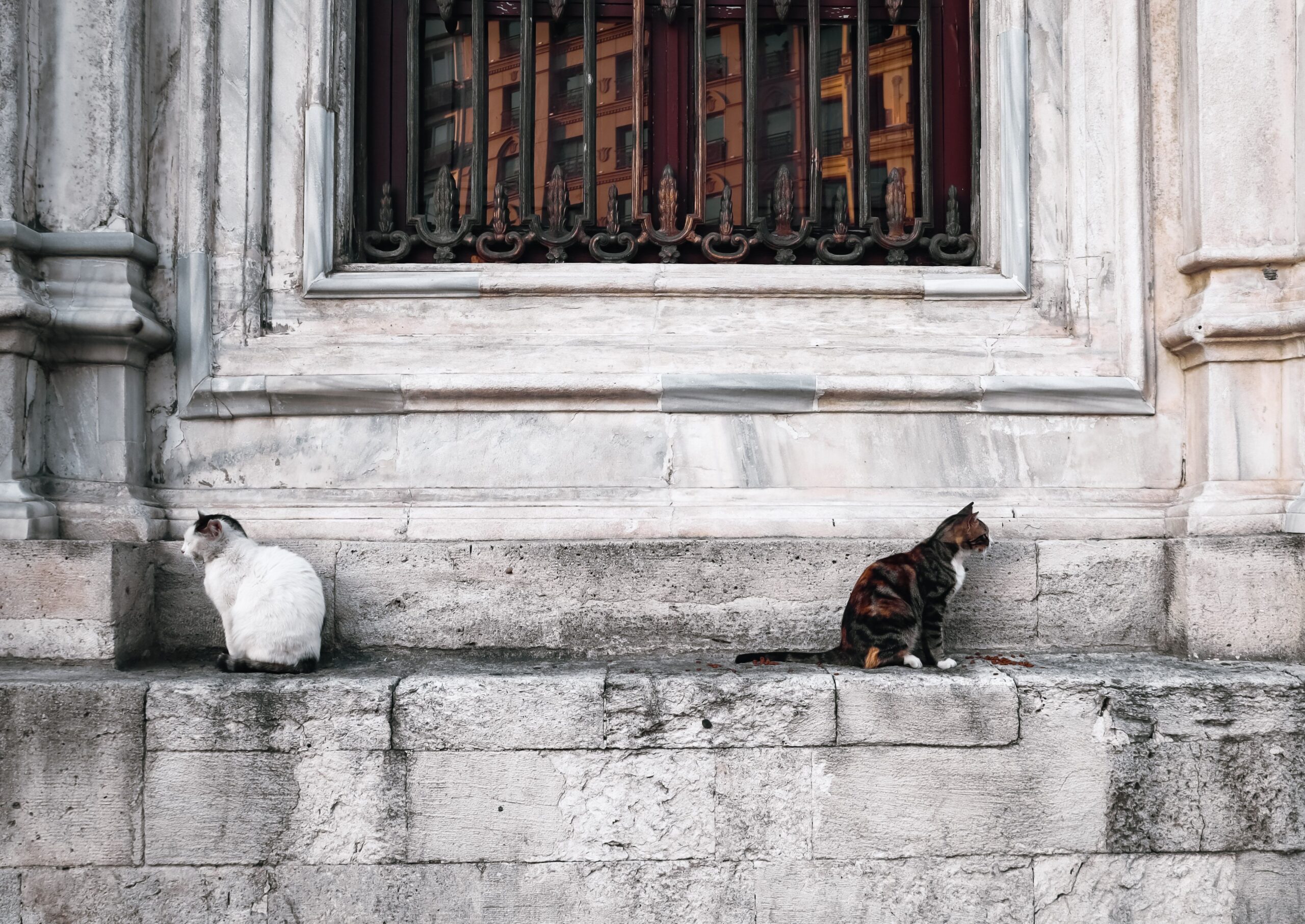
If you’ve ever wondered why Turkish people love cats, the answer is much more interesting than most articles make it seem. Almost every website immediately says it’s because of Islam, but after living in Turkey myself, I don’t think that’s the full story at all. Religion certainly influenced how people see cats, but what surprised me much more was how deeply they are woven into everyday life. Cats aren’t treated like abandoned animals waiting to be rescued. They’re treated as if they simply belong there. They have their own places outside supermarkets, cafés know them, neighbours recognize them, and nobody seems to question why they’re sleeping on a restaurant chair or wandering into a shop. After spending six months in Alanya and another month in Istanbul, I stopped asking why do Turkish people love cats and started wondering why other countries don’t treat animals the same way.
Before moving to Turkey, I had seen countless videos of Turkish street cats on social media. There were photos of cats sleeping inside mosques, sitting on café tables or riding ferries across the Bosphorus. Honestly, I assumed the internet was exaggerating. Every country has something that gets turned into a tourist cliché, and I expected the same thing here. I thought I’d see a few friendly cats around Istanbul, take a couple of pictures, and that would be it. What I hadn’t expected was how many other small everyday traditions would feel just as distinctive, including the country’s deeply rooted culture of drinking çay, which I encountered constantly in cafés, shops and ordinary social situations.
Instead, the cats became one of the first things I noticed every single day.
I lived in Alanya for about six months before spending time in Istanbul, so I had the chance to see that this wasn’t something unique to one city. Living in both places also made me notice the diversity of Turkish appearance much more than I had expected before moving to Turkey. It didn’t matter whether I was walking through a busy tourist street, a quiet residential neighbourhood or a local market. Cats were everywhere. They were sleeping beside ATM machines during the afternoon heat, stretching across café chairs while customers drank coffee around them, sitting outside pharmacies and grocery stores as if they had worked there for years. Outside almost every supermarket I visited there were bowls of fresh water and plates of dry food that somebody had quietly put there. Nobody was standing nearby feeding the cats for social media videos. It was simply part of everyday life.
One thing that really stayed with me happened during my first weeks in Alanya. I walked into a small bakery and noticed a cat sleeping on one of the outdoor chairs. People came in and out, families sat down with tea, staff carried trays between the tables, yet nobody even considered moving the cat. Instead, customers simply chose another chair. It wasn’t treated like something unusual or funny. It felt completely normal, as if the cat had as much right to be there as everyone else.
When I later arrived in Istanbul, I expected the atmosphere to be different because it’s one of the largest cities in Europe. Instead, I found exactly the same attitude, only on a much bigger scale. While exploring different neighbourhoods and spending time in cafés where people work remotely, I kept seeing cats wandering between tables, sleeping near libraries and relaxing in parks where students were studying. Some of the laptop-friendly cafés I later included in my post to places to work remotely in Istanbul had their own regular feline visitors that employees clearly recognized. Nobody chased them away unless they became a nuisance, which honestly seemed rare because most of them behaved as though they already understood the rules.
That was the moment I started realizing that asking why are there so many cats in Turkey is actually the wrong question. The real question is why they’re allowed to stay. Plenty of countries have stray cats. I’ve seen them across Southern Europe, Southeast Asia and the Middle East. The difference is that in many places people either ignore them or see them as a problem that should eventually disappear. In Turkey, people seem to accept that cats are simply another part of the neighbourhood, almost like the local park or the corner grocery store. Once I understood that, everything else about Turkey cat culture started making much more sense.
It started long before modern Turkey
Most articles explain why does Turkey love cats by mentioning religion and then stop there, but the story actually began centuries earlier when cats were an important part of everyday survival. Long before modern apartment buildings, shopping centres and tourist cafés existed, Istanbul was one of the busiest trading ports in the world. Its strategic position between the Black Sea and the Mediterranean helped turn the city into a major crossroads for ships and commerce for centuries. Ships constantly arrived carrying grain, spices, textiles and food from across Europe, Asia and North Africa. Wherever large amounts of food were stored, rats inevitably followed, and keeping rodents under control wasn’t just about cleanliness. It protected businesses, prevented disease and saved valuable supplies from being destroyed.
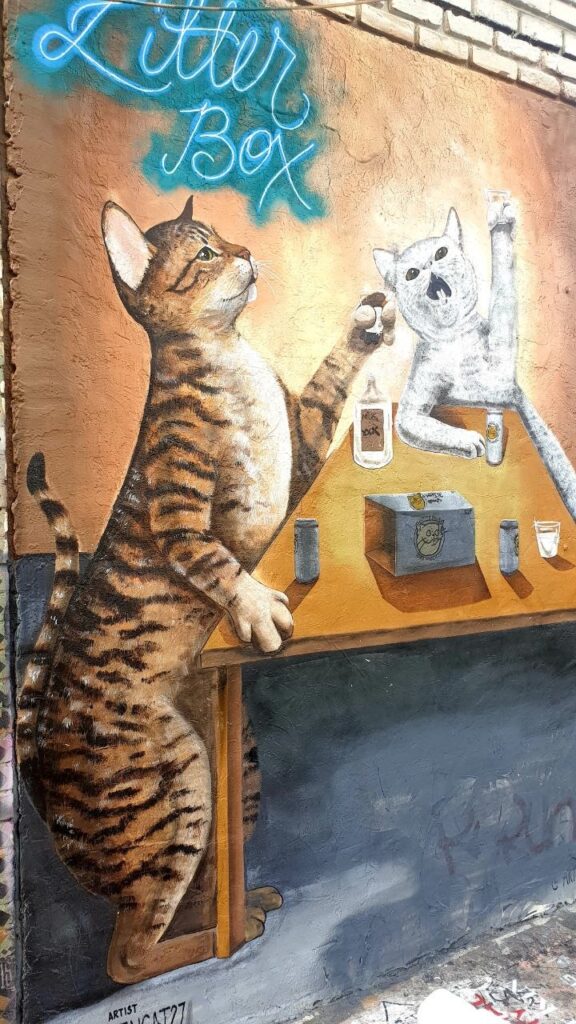
Cats became the simplest and most effective solution. Unlike many working animals, they didn’t require much maintenance and naturally hunted rodents in warehouses, ports and aboard ships. Over time they became permanent residents of Ottoman cities because they were genuinely useful. Generations of people grew up seeing cats not as unwanted animals wandering the streets but as helpful companions that quietly made city life work a little better. That practical relationship gradually evolved into something much deeper, and I think it’s one of the biggest reasons why are there so many stray cats in Istanbul today. The cats never disappeared because people never stopped seeing value in having them around.
Religion is only part of the story
Religion certainly deserves to be mentioned because it’s impossible to understand cats in Islam Turkey without acknowledging the respect cats receive in Islamic tradition. In fact, Islamic teachings concerning cats and cleanliness include a well-known hadith in which the Prophet Muhammad describes cats as not unclean and as animals that regularly intermingle with people. Many Turks grow up hearing stories about the Prophet Muhammad’s kindness towards cats, and that has undoubtedly shaped cultural attitudes over generations. However, after spending time in Turkey, I became convinced that religion alone doesn’t explain what you actually see on the streets.
If Islam were the only reason, then every Muslim-majority country would have the same relationship with cats. They don’t. I’ve travelled to other Muslim countries where cats exist but don’t receive nearly the same level of community care. In Turkey, the tradition goes much further than religious teachings. It combines history, neighbourhood culture and a genuine sense of shared responsibility. People don’t feed cats because someone tells them they should. They feed them because that’s simply what everyone around them has always done. It’s one of those small everyday habits that quietly becomes part of a country’s identity without anyone really thinking about it.
Cats belong to the neighbourhood, not to one person
This was probably the biggest cultural difference I noticed after moving to Turkey. In many countries, if people see a cat living outside, the first reaction is usually, “Whose cat is that?” If nobody owns it, people assume it’s abandoned or that somebody should take it to a shelter. Turkey seems to approach the whole idea differently.
Many stray cats in Turkey don’t really belong to anyone, but at the same time they somehow belong to everybody. They’re community cats. One neighbour leaves fresh water outside their apartment building, another buys food from the supermarket once a week, the local butcher gives away scraps, and somebody else takes an injured cat to the vet. Nobody organizes this. There isn’t a neighbourhood schedule saying who feeds the cats on Tuesday or Wednesday. It just happens naturally because everyone contributes a little.
I realized this after seeing the same cats every morning outside the supermarket near my apartment in Alanya. They weren’t wandering randomly around the city looking for food. They had their own territory and seemed to know exactly where to go at different times of the day. The employees inside the supermarket clearly recognized them, and I often saw people stopping for a few seconds to refill the water bowls before continuing with their shopping. Nobody made a big deal out of it or posted it on social media. It was simply another small task that had become part of daily life.
I think this also explains why do Turkish people care for stray cats. They don’t necessarily see themselves as rescuing homeless animals. Instead, they’re taking care of animals that already belong to the neighbourhood. Once I started looking at it from that perspective, many things that had seemed unusual during my first weeks in Turkey suddenly became completely logical.
Why are cats everywhere in Turkey?
One question I kept asking myself during those first months was why are cats everywhere in Turkey, even outside the famous tourist areas. Most travel blogs focus almost entirely on Istanbul, but I saw exactly the same thing in Alanya, just on a smaller scale. Whether I walked near the beach, through residential streets or around local shopping areas, cats were always nearby.
After living there for several months, I realized that Turkey has created conditions where cats can comfortably coexist with people. The climate is relatively mild for much of the year, food is widely available because so many residents feed community animals, and municipalities often provide shelters or feeding stations. That doesn’t mean every cat has an easy life, but it does mean they aren’t constantly forced to hide from people.
One thing I found particularly interesting was how relaxed the cats themselves seemed to be. They weren’t behaving like frightened stray animals that immediately ran away as soon as somebody approached. Many of them would simply watch people walk past before going back to sleep. That naturally makes visitors ask why are Turkish cats so friendly.
I don’t think it’s because Turkish cats are somehow genetically different from cats anywhere else. They’re friendly because they grow up surrounded by people who rarely treat them as a threat. If a kitten spends its entire life seeing neighbours quietly refill water bowls instead of chasing it away with a broom, it eventually learns that humans are usually safe to be around.
Why do cats live in Turkish cafés?
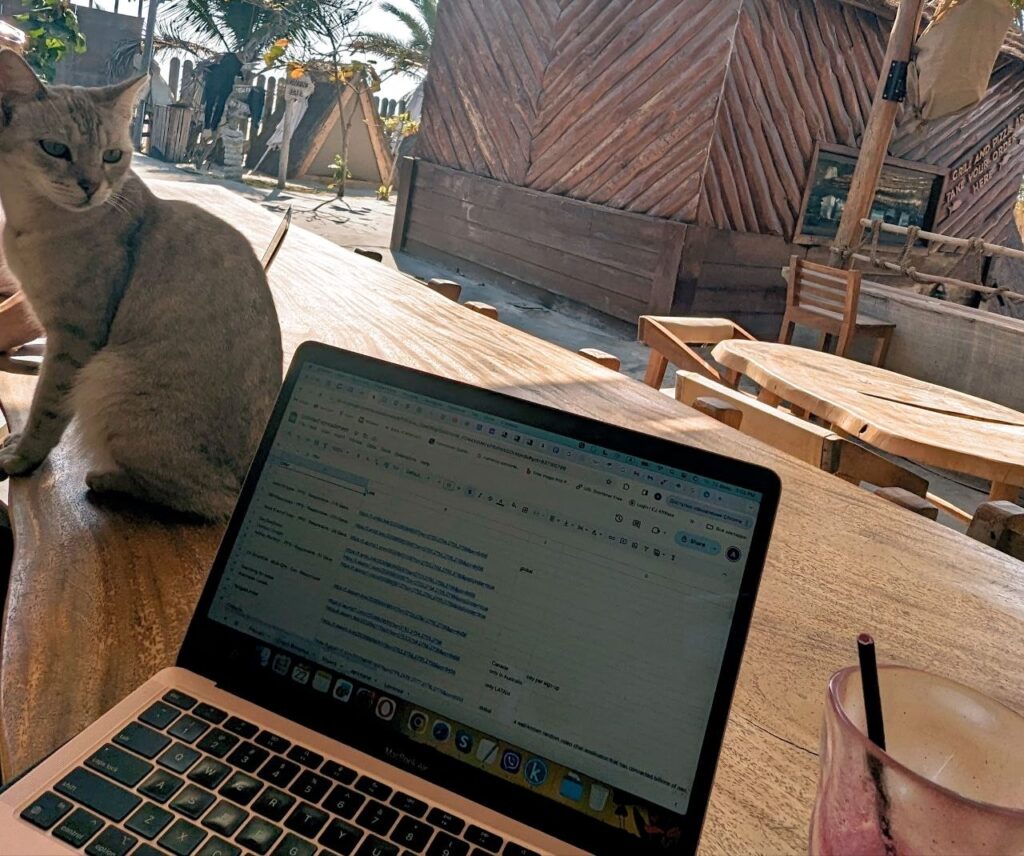
This was honestly one of my favourite parts of living in Turkey because it happened so often that after a while I completely stopped noticing how unusual it actually was.
Back home, seeing a cat walk into a café would probably end with somebody calling the staff within thirty seconds.
In Turkey, the staff often already knew the cat.
I remember sitting in a café one afternoon when a cat casually walked inside, jumped onto an empty chair and curled up for a nap. Nobody panicked. Nobody asked whose cat it was. The waiter walked past several times without paying much attention because this clearly wasn’t the first time it had happened.
That’s why people search why do cats live in Turkish cafes. They aren’t actually living there in the literal sense. They simply move around neighbourhoods where they feel comfortable, and cafés often become part of that routine because they provide shade during the summer, shelter when it rains and, occasionally, a friendly customer willing to share a piece of chicken.
I found this much easier to understand after spending more time in the country. Turkish cafés aren’t treated as isolated private spaces separated from the street. Especially in neighbourhood cafés, there’s often a much stronger connection between public life and the businesses around it. The cats become part of that environment rather than something that needs to be removed.
Why are cats allowed inside mosques in Turkey?
Another thing that surprises many visitors is seeing cats walking around mosque courtyards or even entering the buildings themselves. That’s why why are cats allowed inside mosques in Turkey is searched so frequently.
Again, religion is part of the explanation, but not the whole story. Cats are generally considered clean animals in Islamic tradition, which is one reason they are treated differently from many other animals. This view is reflected in Islamic teachings about cats, including a hadith describing cats as not impure because they regularly move among people. At the same time, the relaxed attitude you see today also reflects centuries of coexistence between people and cats in Turkish cities.
During my time in Istanbul, I saw several cats sleeping peacefully in mosque courtyards while tourists walked around taking photographs. Nobody seemed surprised. It wasn’t presented as a tourist attraction or an unusual event. It simply felt like another ordinary part of city life.
The same attitude extended far beyond religious places. Cats rested in parks, outside museums, beside tram stops and under benches. The more time I spent in Turkey, the more I realized that the country doesn’t divide space into “human areas” and “animal areas” as strictly as many other places do.
Are cats protected in Turkey?
People often ask are cats protected in Turkey, and the answer is yes, although perhaps not in the way many visitors imagine. There are animal welfare laws, municipalities operate veterinary services in many cities, and it’s common to see local governments providing feeding stations or small shelters for community animals.
What impressed me more than the official support, however, was how much ordinary people contributed themselves. I regularly saw neighbours refilling water bowls outside apartment buildings without expecting praise or recognition. During hot summer days, people made sure fresh water was available, and if a cat looked injured, somebody usually knew which local veterinarian could help.
This community involvement is probably one of the strongest reasons why are cats important in Turkish culture. Looking after them isn’t seen as the responsibility of one organization. It’s something that many people quietly participate in because they’ve grown up seeing others do exactly the same thing.
One thing I found especially interesting after living both in Alanya and Istanbul was that this attitude wasn’t limited to one type of place. Whether I was in a busy metropolitan neighbourhood or a quieter coastal town, the overall mentality remained remarkably similar. That actually reminded me of something I noticed while comparing life in smaller towns versus larger cities. Although the pace of life changes dramatically depending on where you live, some cultural habits remain surprisingly consistent, and caring for community cats felt like one of them.
Why tourists fall in love with Turkish cats
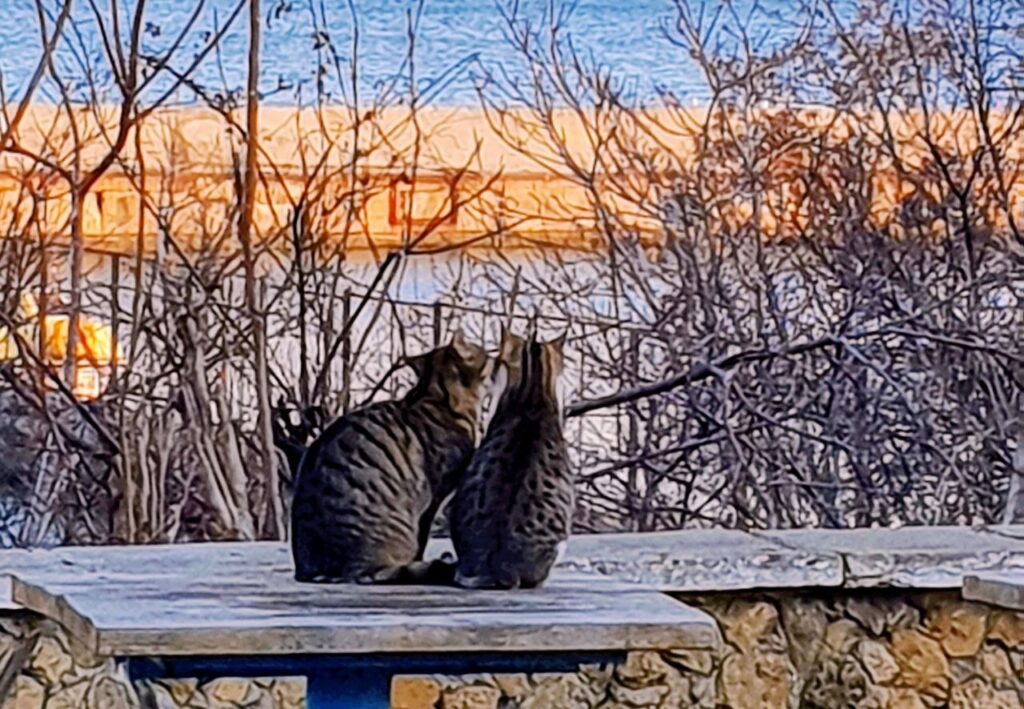
I don’t think it’s possible to spend more than a few days in Turkey without eventually becoming attached to the cats. Even people who normally don’t care much about animals seem to leave with dozens of photos on their phones. I definitely did.
At first I thought it was simply because there are so many of them, but after a while I realized that’s not what makes the experience memorable. Plenty of countries have stray cats. The difference is that in Turkey they aren’t hiding from people. They’re part of daily life, and because they feel safe, visitors naturally end up interacting with them.
I remember sitting outside a café in Alanya one evening when a cat casually jumped onto the empty chair next to me and stayed there for almost half an hour while I finished my coffee. Nobody working there tried to remove it, and none of the customers seemed bothered. It almost felt as though the cat had become another customer waiting for someone to order another tea.
The same thing happened repeatedly in Istanbul. Sometimes a cat would sleep on a chair outside a restaurant while tourists quietly walked around it. Other times one would be stretched out on a windowsill of a small shop, completely ignoring the crowds passing by. Eventually I stopped seeing these moments as unusual because they happened every single day.
I think that’s one of the biggest reasons people become so attached to Istanbul cats. They’re not treated as attractions created for tourists. They simply live their lives, and visitors are the ones entering their world.
Turkey taught me to look at stray animals differently
Before moving to Turkey, I honestly never spent much time thinking about street animals. If I saw a stray cat somewhere else, my first thought was usually that it probably had a difficult life and needed to be rescued.
Turkey completely changed that perspective.
Of course, life on the street isn’t perfect, and many community cats still need veterinary care or medical treatment. I’m not trying to romanticize it. However, I also realized that my understanding of what a “stray” animal looked like had been shaped by experiences from other countries where abandoned animals are often frightened, hungry and constantly avoiding people.
Many street cats in Turkey live very different lives. They know exactly where food will appear every morning. They have familiar people looking after them, regular sleeping places and neighbourhoods they rarely leave. Some even become local celebrities.
One orange cat near my apartment in Alanya seemed to spend every afternoon outside the same supermarket entrance. Customers greeted him almost like an old neighbour. Children walked over to pet him before going inside with their parents, while employees occasionally left food nearby without making a fuss about it. Nobody referred to him as “poor.” Nobody talked about finding him a home because, in a way, the neighbourhood already was his home.
That’s probably the biggest misunderstanding visitors have when asking are street cats owned by anyone in Turkey. Technically, most of them don’t have one legal owner. Socially, though, many of them are looked after by dozens of people at the same time.
Turkey and Malta showed me two completely different attitudes
Living in different countries inevitably makes you compare small everyday things that tourists often overlook.
One comparison that stayed with me was between Turkey and Malta.
When I lived in Malta, I often felt that public spaces were treated very differently. People seemed more protective of their own private space, while community areas sometimes felt less shared than what I experienced in Turkey. I wrote about some of those cultural differences in my article about my experience adapting to life in Malta, but one detail I didn’t fully appreciate until later was how differently people interacted with animals.
In Turkey, I constantly saw residents quietly improving the space around them, even if it wasn’t technically their responsibility. Someone would refill a water bowl outside a shop. Another person would place cardboard under a sleeping cat during colder weather. A restaurant owner might leave food outside after closing.
These weren’t organized charity projects.
They were simply small acts repeated thousands of times every day by ordinary people.
That creates a completely different atmosphere, not only for animals but for the neighbourhood itself.
Why are cats special in Turkey?
After living there, I don’t think the answer is that cats are “special.” I think what’s actually special is the relationship people have built with them over generations.
If someone asks me why are cats special in Turkey, I wouldn’t immediately mention religion or history anymore.
I’d probably tell them about the tiny things I noticed every day instead.
The water bowls outside supermarkets.
The old man carrying cat food in his shopping bag.
The waiter who knew exactly which cat always appeared around lunchtime.
The pharmacist who left food outside before locking the door.
The children who already knew every cat living on their street.
None of those moments are particularly dramatic on their own, but together they explain Turkish cat culture much better than any historical timeline ever could.
FAQ
Why are there so many cats in Turkey?
One of the biggest misconceptions is that Turkey simply has “more cats” than other countries. In reality, many countries have large stray cat populations, but Turkey is different because those cats are accepted as part of everyday urban life instead of being removed from the streets whenever possible. Historically, cats protected food warehouses, ports and ships from rodents, especially during the Ottoman period when Istanbul was one of the world’s busiest trading cities. Over time, people became used to living alongside them rather than treating them as unwanted animals. This relationship makes even more sense when you look at it alongside other aspects of Turkish society, and some books that explore Turkey’s culture and everyday traditions provide useful context for understanding how history still shapes ordinary life today.
Today, community support also plays a huge role. Residents regularly leave food and water outside shops and apartment buildings, municipalities provide shelters and veterinary care in many cities, and local businesses often look after the cats living nearby. That’s why visitors immediately notice why are there so many cats in Turkey, even though the real difference is often the way people care for them rather than the actual number of cats.
Why do Turkish people feed stray cats?
People often assume everyone feeds cats because of religion, but after living in Turkey, I think the answer is much broader than that. Feeding cats has simply become part of everyday neighbourhood life. One person leaves fresh water outside a supermarket, another buys dry food while shopping, and café owners often put bowls near their entrance. Nobody tells them to do it, and most people don’t expect praise for it either.
This tradition has been passed down through generations, so many Turks grow up seeing adults care for community animals and naturally continue doing the same themselves. That’s one of the biggest reasons why do people feed cats in Turkey so consistently across both large cities and smaller coastal towns.
Why are there so many cats in Istanbul?
If you’re wondering why are there so many cats in Istanbul, history explains a lot. For centuries Istanbul served as one of the world’s most important trading ports. Ships constantly arrived carrying grain, food and valuable goods that attracted rats, making cats an essential part of city life. Instead of disappearing as the city modernized, the cats remained and gradually became part of Istanbul’s identity.
Today, Istanbul street cats are looked after by local communities rather than a single owner. You’ll find them sleeping in parks, resting outside shops, walking through university campuses and relaxing near cafés. Visitors often think they’re seeing something unusual, but for residents it’s simply another ordinary day in the city.
Are cats sacred in Turkey?
No. One of the most common myths is that why are cats sacred in Turkey has a religious answer. Cats are not considered sacred in Turkish culture or in Islam.
However, they are widely respected. Islamic tradition contains several well-known stories that encourage kindness towards cats, and because cats are generally considered clean animals, they have always occupied a positive place within Muslim societies. At the same time, Turkey’s modern cat culture developed through centuries of history, neighbourhood traditions and everyday coexistence. Religion is part of the explanation, but it isn’t the whole story.
Are Turkish street cats owned by anyone?
Usually, no. Most Turkish street cats don’t belong to a single person in the way pets do. Instead, they’re often described as community cats. They live in a particular neighbourhood where many different people help care for them.
One neighbour might provide food, another fresh water, while a local veterinarian occasionally treats injured cats. Shop owners often recognize individual cats, and residents sometimes even give them names. So although are street cats owned by anyone in Turkey is technically answered with “no,” many of these cats are cared for by dozens of people every single day.
Why are Turkish cats so friendly?
After spending months in Turkey, I think the answer is actually very simple. Most cats grow up surrounded by people who rarely threaten them. They’re regularly fed, spoken to and gently approached by adults and children alike, so they learn from an early age that humans are usually safe.
That’s why why are Turkish cats so friendly is less about the cats themselves and more about the environment they’ve grown up in. A cat that has spent years receiving food from local residents naturally behaves very differently from one that has spent its life avoiding people.
Is it legal to feed stray cats in Turkey?
Yes. Feeding community animals is completely normal throughout Turkey, and in many cities local authorities actively support animal welfare through feeding stations, shelters and municipal veterinary services.
Of course, visitors should always feed animals responsibly and avoid leaving food that could create hygiene problems, but generally speaking, nobody will look at you strangely for putting fresh water outside on a hot summer day. In fact, you’ll probably notice many locals doing exactly the same thing.
Can tourists pet the street cats in Turkey?
In most cases, yes. Many stray cats in Turkey are very comfortable around people because they’re used to daily human interaction. Some will happily walk over for attention, while others prefer sleeping undisturbed.
The best approach is to let the cat decide. If it comes towards you or rubs against your legs, it’s usually happy to be petted. If it’s sleeping or clearly wants to be left alone, it’s better to admire it from a distance. One thing I quickly learned while living in Turkey is that locals tend to respect the cats’ space, and tourists should do the same.
Explore the Culture & Society Hub
Discover more stories about language, identity, traditions, social habits and the cultural details that shape everyday life around the world.
Explore the Culture & Society Hub →This article combines my own experience of living in Turkey, first-hand observations of everyday life with street cats, and independent research into the historical and cultural reasons behind Turkey’s unusual relationship with cats.
Research sources included:
- My own experience of living in Turkey and observing how cats are treated in neighbourhoods, cafés, restaurants, and other public spaces.
- Islamic historical and religious sources available through Sunnah.com, including traditional references concerning cats and their place around people.
- Historical and cultural background from the UNESCO World Heritage Centre, including information about Istanbul’s development as an important crossroads between Europe and Asia.
- Personal photographs and observations documenting how naturally street cats form part of everyday life in modern Turkey.
The goal is to explain why cats have such a distinctive place in Turkish culture by combining personal experience with historical and cultural context rather than reducing Turkey’s love of cats to religion alone.

Founder & Editor
Founder of The City Theory, writing about digital nomad lifestyle, modern city culture, remote work, travel experiences, psychology and human behaviour around the world.