Best Countries in Latin America for Digital Nomads in September — Where I’d Actually Go
If you’re trying to choose between the countries in Latin America for digital nomads in September, the weather matters much more than most generic digital nomad lists admit. September can mean the end of the dry season in Peru, the beginning of spring in Argentina and Uruguay, wetter weeks in Medellín, rainy afternoons in Mexico City, and completely different conditions again in southern Brazil. That is why I would never choose a September base simply because a city appears on every “best digital nomad destinations” list. For me, the practical question is much simpler: can I work comfortably there for a month without fighting the weather, bad internet, expensive short-term accommodation or a daily routine that becomes annoying after the first week?
I also think month-specific recommendations are more useful than another permanent ranking of Medellín, Mexico City and Buenos Aires. A place can be excellent for remote work in February and a much less attractive choice in September. I already take this approach when comparing how digital nomad destinations change with the season, because weather affects far more than sightseeing. It affects whether you can walk to a café, whether you want to leave your apartment after work, how easy weekend trips become, and sometimes even how much you spend because constant rain pushes everyday life indoors.
If I had to choose the best countries in Latin America for digital nomads in September, my shortlist would be Argentina, Peru, Colombia, Uruguay, Brazil and Mexico. I would not rank them purely by popularity. I would rank them by how practical they actually feel in September. The same approach applies when choosing where to work remotely in September, because seasonal weather, crowds and everyday costs can matter much more than a destination’s reputation among digital nomads.
Why September Changes the Best Digital Nomad Destinations in Latin America
The biggest mistake with digital nomad destinations Latin America September is treating Latin America as if it had one climate. It doesn’t. September sits at a completely different point in the year depending on where you are.
In the Southern Cone, Argentina and Uruguay are moving out of winter and toward spring. In Buenos Aires, daytime temperatures gradually rise through September, while the city’s own tourism authority describes spring in Buenos Aires as mild enough for normal city life even though rain is possible. Uruguay follows a similar pattern, with September marking the beginning of the spring period and longer, gradually warmer days.
Peru works differently. September is still at the tail end of the dry season in much of the Andes, which is one reason it remains attractive for combining remote work with Cusco, the Sacred Valley or hiking trips. Rain starts becoming more frequent as the month progresses, but conditions are still generally much better than the heart of the wet season.
Then you have places like Medellín, where September is not the “perfect spring weather” month that generic nomad descriptions sometimes suggest. Medellín’s official tourism guide specifically notes September and October as part of a wetter period, particularly for trips toward Guatapé. Mexico is even more complicated because September falls close to the peak of hurricane season in the surrounding Atlantic and eastern Pacific basins, which can mean disruption in some coastal areas, while Mexico City remains much more manageable for everyday urban life.
So if you’re asking where to go in Latin America in September as a digital nomad, the answer depends less on which country is fashionable and more on what kind of month you want to have.
1. Argentina — Best Overall
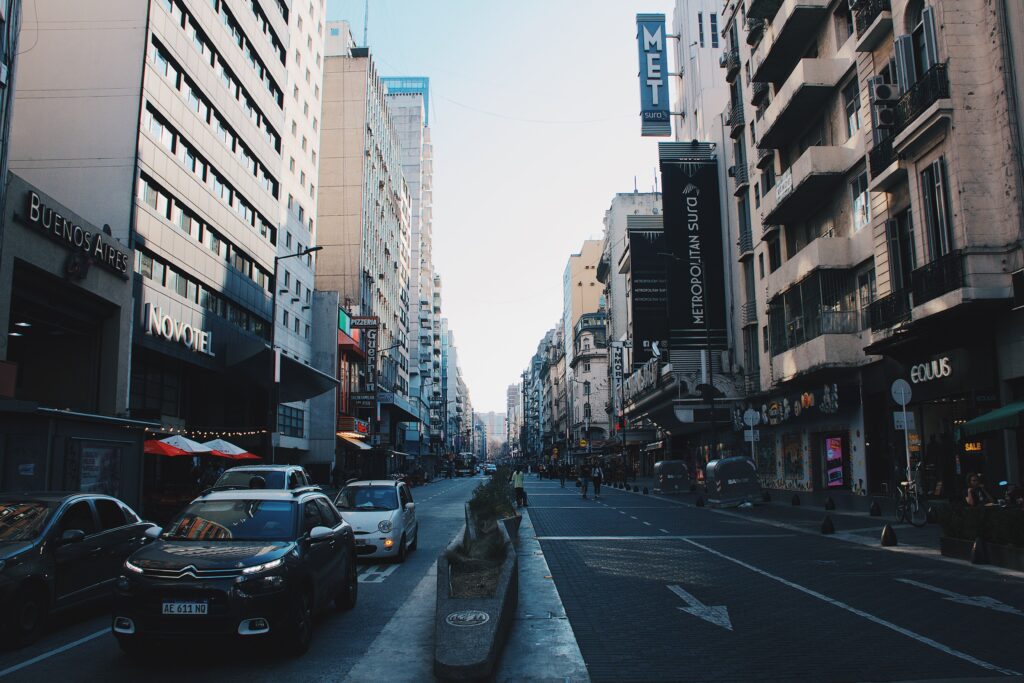
If I had to choose only one country from this list, I would probably choose Argentina, with Buenos Aires as the base.
Argentina for digital nomads in September makes sense because the timing is unusually convenient. You’re arriving as winter starts losing its grip, but before the hotter summer period. Buenos Aires becomes gradually milder through the month, with average daytime highs moving upward from roughly the low-to-mid 60s°F. Rain exists, but it is not the tropical pattern of spending every afternoon waiting for a storm to pass.
For actual remote work, Buenos Aires also solves many of the problems I care about most in a city. You can structure your week around cafés, coworking spaces, restaurants, supermarkets and public transport rather than having to plan every movement like a tourist. The city is large enough that you can choose a neighbourhood based on your routine rather than simply booking wherever tourists normally stay.
Palermo will usually be the obvious first choice for someone new because it gives you cafés, restaurants and a large international crowd. Recoleta is calmer and feels more traditional, while neighbourhoods outside the most obvious expat areas can be better value if you’re staying longer.
The main issue I would research carefully before booking is accommodation pricing, because short-term rental markets can behave very differently from local long-term rents. I never assume that a country described as “cheap” automatically means a central Airbnb for one month will also be cheap. The same principle applies when looking at how far a digital nomad budget actually stretches in cheaper destinations: the city, neighbourhood and booking model matter as much as the country.
For me, Buenos Aires is the strongest answer to best places in Latin America for digital nomads in September if what you want is normal urban life rather than a beach destination.
Best for: city life, cafés, culture, long stays and people who want to work during the week and still have a huge city available after work.
2. Peru — Best for Budget and Travel
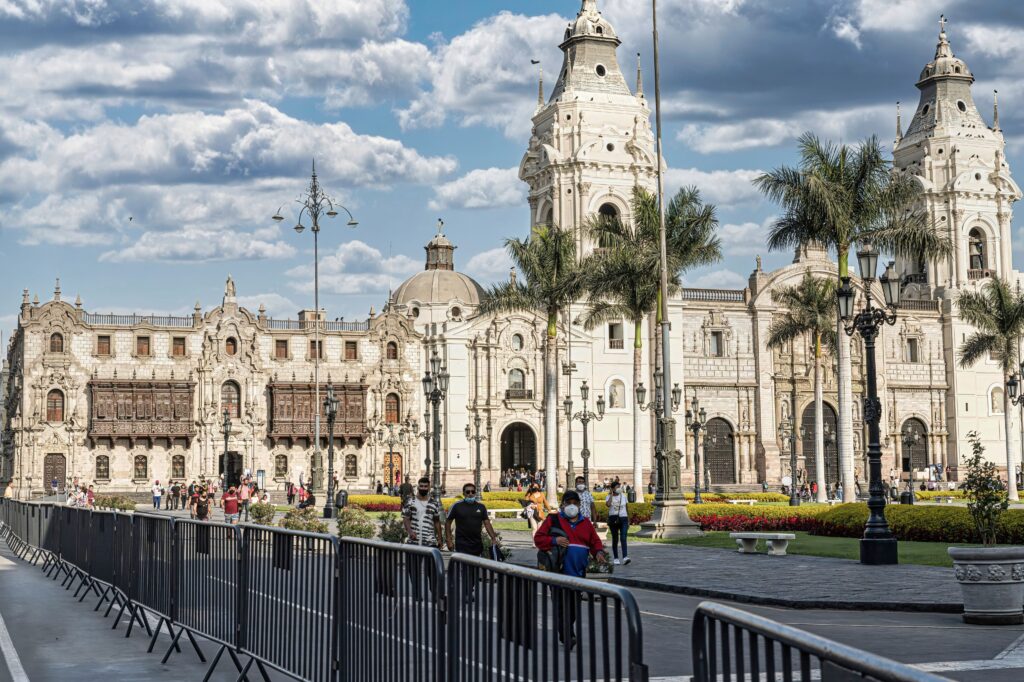
Peru is probably my second choice, but I would separate Lima and Cusco because they serve very different purposes.
Peru for digital nomads in September is attractive because September still falls at the end of the Andean dry season. In practical terms, that makes it one of the better months if you want remote work during the week and hiking or cultural trips around Cusco and the Sacred Valley when you’re free.
For everyday work, however, I would personally choose Lima as the main base and treat Cusco as a shorter stay.
Lima gives you a more predictable work routine, especially in neighbourhoods such as Miraflores or Barranco, where cafés, restaurants, accommodation and services are easy to find. The weather is not the classic sunny postcard version of Peru; Lima can be grey and cool at this time of year, but for working I would rather have cool, stable weather than heavy tropical rain every afternoon.
Cusco is much more exciting if the point of the trip is travel rather than productivity. The problem is altitude. Some people adjust quickly, while others lose several days feeling exhausted or sleeping badly, which is not ideal if you arrive on Monday with a full work schedule.
This is also one of the cheap countries in Latin America for digital nomads where a modest budget can still go further than in many Western European cities, although I would not advertise any fixed monthly amount without looking carefully at accommodation. If your budget is tight, it is worth comparing your expected rent and daily spending against what living abroad on around $1,000 a month actually looks like for a remote worker.
Peru is therefore one of the best South American countries in September for someone who wants the trip itself to matter as much as the laptop work.
Best for: budget-conscious nomads, history, hiking and people who want weekends to feel completely different from their workdays.
3. Colombia — Best for Digital Nomad Community
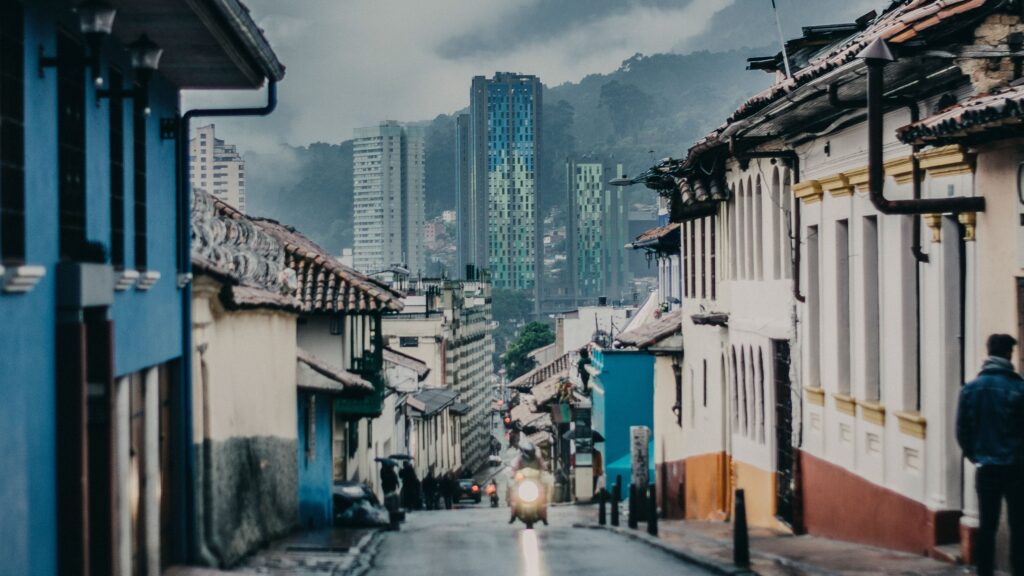
Medellín is going to appear on almost every list of best digital nomad destinations in South America, and there are good reasons for that. The city has a large remote-work community, plenty of furnished apartments, cafés, coworking options and neighbourhoods where newcomers can establish a routine quickly.
But I would not oversell Colombia for digital nomads in September.
September is wetter than some of Medellín’s more comfortable months. The city’s official tourism information specifically points to September and October as months when rain is more frequent, especially if you’re considering nearby Guatapé. That does not make Medellín unusable, but it changes the experience.
If I were staying for a month, I would choose accommodation based much more on walkability than on a spectacular balcony view somewhere isolated. Rain becomes much less annoying when your supermarket, gym, café and coworking space are within ten minutes.
For first-time visitors, El Poblado is still the easiest landing point because everything is nearby, although it can feel international and expensive compared with other parts of the city. Laureles usually makes more sense to me for a longer, more residential stay.
The bigger advantage of Medellín is social life. If your question is about the best Latin America digital nomad destinations for solo travelers, Colombia is one of the places I would seriously consider because there are so many other newcomers, language exchanges, coworking communities and regular events.
That matters more than people realise. A cheap apartment with perfect Wi-Fi can still become miserable after three weeks if you know nobody and spend every evening alone.
Best for: community, solo nomads, meeting people and anyone who prioritises an established remote-work scene over perfect September weather.
Mexico or Colombia for Digital Nomads?
This is one of the more useful comparisons because both Mexico City and Medellín are strong urban choices, but September changes the balance.
If someone asked me Mexico or Colombia for digital nomads in a random month, I would need much more information before answering. In September, I would lean toward Medellín for community and Mexico City for big-city infrastructure, museums, food and sheer variety.
Weather isn’t perfect in either destination. Medellín can be wet, while September remains part of Mexico’s rainy period. Mexico City itself is far easier than many coastal parts of the country because the worst hurricane-related problems are concentrated elsewhere, although afternoon rain still needs to be part of your routine. Mexico City’s official tourism site describes September to November as part of a generally pleasant period, while broader Mexico travel information warns that August and September can bring significantly heavier rain, particularly along the Pacific coast.
For remote work specifically, I would choose the city, not the country. Mexico in September can mean completely different things depending on whether you’re in Mexico City, Oaxaca, Puerto Vallarta or the Caribbean.
4. Uruguay — Best for Stability
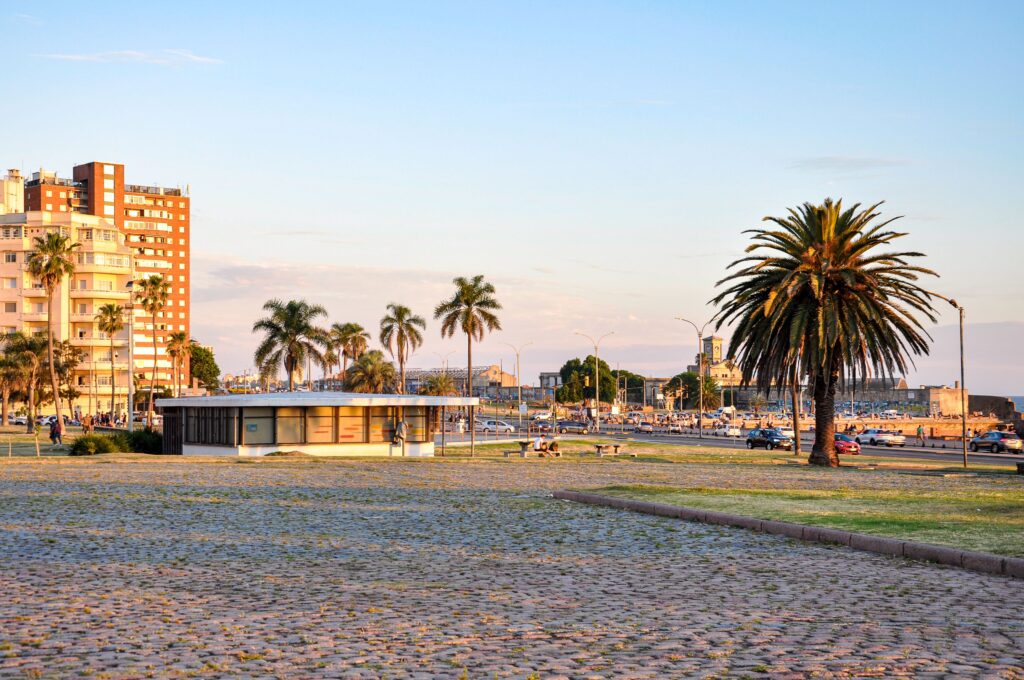
Uruguay rarely gets the same excitement as Colombia, Mexico or Argentina in digital nomad discussions, but that is exactly why I think it deserves a place here.
Uruguay for digital nomads in September works best for someone who values routine, infrastructure and a calmer city rather than an enormous nomad scene.
Montevideo is the obvious base. September marks the beginning of the spring period, with gradually longer and warmer days before the busier summer season. It is not a tropical escape, and you should expect cool days, but that can be an advantage if your priority is actually working.
I would look at Pocitos, Punta Carretas and central areas depending on budget and how important being close to the waterfront is to you. Montevideo has the kind of scale I like for a one-month stay: large enough that you have plenty to do, but not so large that normal errands consume half the day.
The obvious downside is price. Uruguay is not the country I would choose if the primary goal were stretching every dollar as far as possible. But people searching for the safest Latin American countries for digital nomads often care about predictability as much as cheap rent, and Uruguay regularly attracts exactly that kind of traveller.
Before committing to a long stay anywhere in the region, I would also look at which countries currently provide formal remote-work visa options, particularly if a one-month experiment might turn into several months.
Best for: stability, calmer city life, reliable routines and people who do not need a huge expat party scene.
5. Brazil — Best for Lifestyle
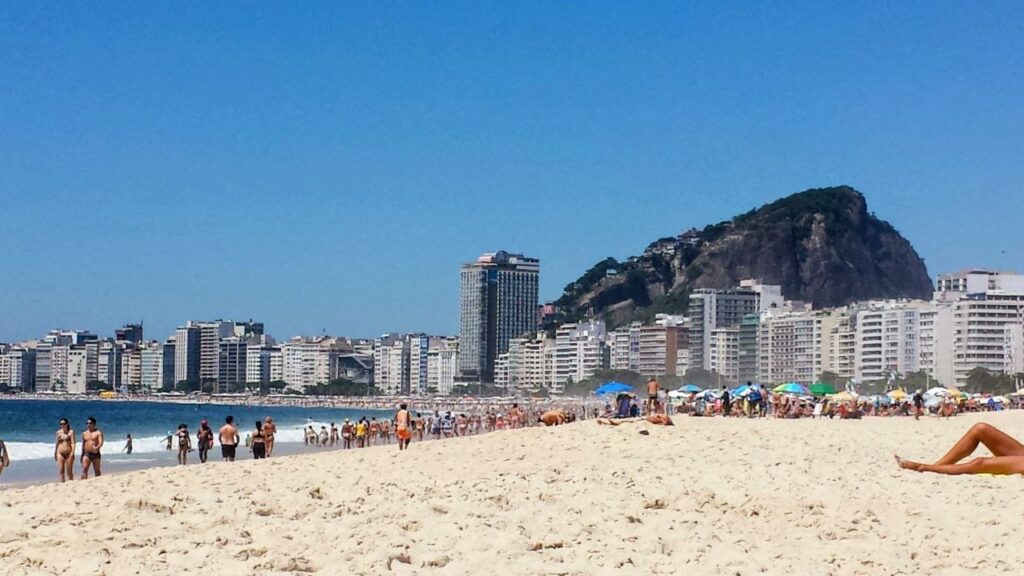
Brazil is difficult to rank as one digital nomad destination because choosing São Paulo and choosing Florianópolis are almost like choosing different countries.
For Brazil for digital nomads in September, I would look first at Florianópolis if lifestyle matters most and São Paulo if work infrastructure matters most.
September marks the beginning of spring in Florianópolis. Temperatures are generally mild rather than intensely hot, although rain can still appear and the ocean remains cool compared with summer. That makes it a very different proposition from coming in January expecting beaches every day.
What appeals to me about Florianópolis for remote work is the possibility of having a normal laptop routine while still living somewhere where the outdoors matters. You can work during the week and have beaches, trails and different neighbourhoods available without needing a major trip.
São Paulo is almost the opposite. It is enormous, busy and far less “digital nomad fantasy,” but if I needed excellent services, endless cafés, business infrastructure and a city where almost anything is available, I would trust it more than a small beach town.
That is why Brazil makes my list of best Latin America countries for remote workers, but I would choose the base according to the job. Someone working six hours a day with flexible calls may love Florianópolis. Someone with a corporate schedule and constant meetings may prefer São Paulo.
Best for: lifestyle, variety and people who want to balance work with outdoor life.
6. Mexico — Best for Big-City Remote Work
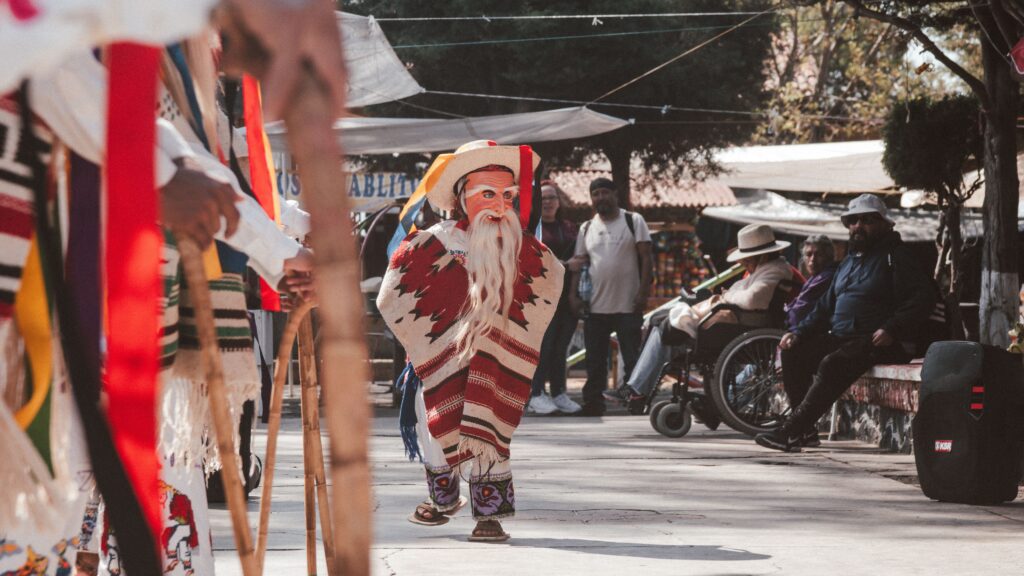
Mexico stays on my shortlist because Mexico City remains one of the most practical cities in the region for someone who genuinely needs to work.
Mexico for digital nomads in September requires more careful planning than a generic Mexico recommendation because September is still part of the rainy season, and some coastal areas can be much less attractive at this point in the year. Mexico City, however, is much easier to manage because the city itself remains highly functional regardless of an afternoon shower.
Roma Norte and Condesa are the usual first choices for newcomers, although prices reflect their popularity. If I planned to stay longer, I would look beyond the most obvious international areas because living in the same few streets as every other foreign remote worker can become expensive surprisingly quickly.
Mexico City is one of the best Latin America digital nomad cities with good internet because you are not sacrificing urban infrastructure for a nomad lifestyle. Coworking, cafés, delivery, transport, gyms and furnished accommodation are easy to find.
The weather is the compromise. If sunshine and beaches are the entire reason you’re travelling, Mexico would not be my first September choice. If you want museums, food, nightlife and a city where working remotely is easy, it remains extremely strong.
Best for: big-city nomads, food, culture and people who need reliable everyday infrastructure.
Where Is Dry in Latin America in September?
People searching where is dry in Latin America in September often discover that there is no simple regional answer. Peru’s Andes are still near the end of their dry season, while parts of Mexico and Colombia are much wetter. Southern destinations such as Buenos Aires and Montevideo are entering spring rather than tropical wet or dry seasons.
This is why I would not use “best weather” as a synonym for “hottest weather.” The best weather in Latin America in September for remote work may actually mean cool mornings, occasional rain and temperatures that let you walk around without arriving at a coworking space exhausted.
For me, Buenos Aires wins that balance. Lima works if you do not mind grey skies. Peru’s Andean destinations are particularly attractive if hiking matters. Medellín remains completely workable but requires more tolerance for rain.
That is a much more useful way to answer is September a good time to visit South America than simply saying yes. September is excellent in some parts of the continent and merely acceptable in others.
What the Rainy Season in Latin America Really Means for Remote Workers
The phrase rainy season Latin America September sounds dramatic, but rainy season does not always mean twelve hours of rain.
In some cities, the practical pattern is a normal morning followed by heavy afternoon rain. That may barely affect someone who works from a coworking space until 5 p.m. In another location, prolonged rain can make beach life, weekend trips and walking around much less enjoyable.
I care about this because digital nomads are not tourists moving on after three days. If you’re living somewhere for a month, repeated small inconveniences matter. Having to order a taxi every time you leave the apartment, constantly drying clothes inside or cancelling weekend trips eventually changes how much you enjoy the destination.
That is also why I sometimes prefer staying in a serviced apartment or hotel for the first few days rather than committing immediately to a month-long rental. I have written separately about what actually works when a hotel becomes your temporary home, and the same approach can be useful when you’re testing a new city before choosing a neighbourhood.
For September, I would therefore think about rain as part of your daily routine, not as a weather statistic.
Countries I Would Avoid for a September Nomad Stay
There are places I like in Latin America that I simply would not put at the top of a September list. Costa Rica in September for digital nomads is the clearest example because much of the country is deep into the rainy season, and if your ideal month involves beaches, hiking and being outdoors after work, the weather can become frustrating. The Caribbean side can behave differently, but for a first-time stay I would rather choose a destination with more predictable conditions.
I would also be cautious with Panama for digital nomads in September if the plan is built around outdoor life rather than Panama City itself. Panama remains practical for remote work, but September is part of the wetter period, and that matters more when you are staying for weeks rather than passing through for a short trip. For anyone specifically searching Central America digital nomad September, I would compare individual cities and coastlines instead of assuming Central America has one weather pattern.
The point is not that these countries are bad. They may be excellent at another time of year. I just would not choose them ahead of Argentina, Peru or Uruguay for this particular month.
Which Country Would I Actually Choose?
If I wanted one answer for where to live in Latin America in September, I would choose Buenos Aires. It gives me the best balance of September weather, city life, reliable work infrastructure and enough things to do that a one-month stay would not start feeling repetitive.
For a lower budget, I would choose Lima and use weekends to explore Peru. For the strongest social scene, Medellín would still be difficult to beat. Montevideo would be my choice if I wanted a quieter and more predictable month, while Florianópolis would make more sense if lifestyle mattered more than being in a major city. Mexico City remains one of the best cities in Latin America for digital nomads in September when the priority is urban infrastructure rather than perfect weather.
So my ranking of the best Latin American countries for digital nomads in September would be:
- Argentina
- Peru
- Colombia
- Uruguay
- Brazil
- Mexico
That does not mean the sixth country is bad. It simply means that once September weather is included, some destinations make more sense than others.
FAQ
What are the best countries in Latin America for digital nomads in September?
Argentina, Peru, Colombia, Uruguay, Brazil and Mexico are my strongest choices. Argentina offers one of the best overall combinations of spring weather and city life, while Peru is particularly attractive for people combining remote work with travel.
Is September a good time to visit South America as a digital nomad?
Yes, but the answer depends heavily on location. September can be excellent in Argentina, Uruguay and parts of Peru, while other destinations may be wetter. That is why the best South American countries in September are not necessarily the same places that dominate year-round digital nomad rankings.
Where are the best places to work remotely in Latin America in September?
Buenos Aires, Lima, Medellín, Montevideo, São Paulo, Florianópolis and Mexico City are among the best places to work remotely in Latin America in September because they combine internet, accommodation, cafés and enough infrastructure for a normal work routine.
Which Latin American destinations have the best weather in September?
For me, Buenos Aires and Montevideo offer one of the most comfortable balances as spring begins, while Peru’s Andean regions remain attractive near the end of the dry season. The Latin America digital nomad destinations with good weather in September depend on whether you prefer mild city temperatures, dry mountain conditions or warmer tropical climates.
What are the best Latin America digital nomad destinations for solo travelers?
Medellín, Buenos Aires and Mexico City stand out because they offer larger social scenes and plenty of opportunities to meet other people. For solo nomads, that can matter just as much as rent or internet speed.
Are there cheap countries in Latin America for digital nomads?
Yes, although costs vary enormously by neighbourhood and accommodation type. Peru and Colombia can still offer good value, while Argentina can also be attractive depending on current prices. I would compare real short-term rent rather than relying on generic country-level cost estimates.
Explore the Smart Travel Hub
Discover more practical travel guides about cheaper destinations, flight hacks, long-term travel and smarter ways to explore the world without spending more than necessary.
Explore the Smart Travel Hub →This article combines practical travel planning for digital nomads with seasonal weather research for Latin America in September. The goal is to explain which countries are realistically comfortable for remote work during this month, rather than relying on generic year-round destination recommendations.
Research sources included:
- NOAA Atlantic Oceanographic and Meteorological Laboratory for hurricane-season timing and tropical weather patterns affecting parts of Latin America in September.
- Buenos Aires Tourism for local information about spring weather, seasonal conditions and everyday travel in Buenos Aires.
The aim is to help digital nomads choose a Latin American destination for September by combining seasonal weather data with practical considerations such as climate, remote-work comfort and city life.

Founder & Editor
Founder of The City Theory, writing about digital nomad lifestyle, modern city culture, remote work, travel experiences, psychology and human behaviour around the world.