Is It Safe to Be a Digital Nomad in India? Cities, Risks and Daily Reality
If you’re asking is it safe to be a digital nomad in India, the short answer is: it depends far more on where you stay and how you travel than on the country as a whole. Living in Kochi or a quiet part of Bangalore can feel completely different from arriving alone in central Delhi late at night or booking the cheapest room on the edge of an unfamiliar city.
India is not a destination that fits neatly into a “safe” or “unsafe” category. Millions of locals, expats, business travellers and backpackers move around the country every day without becoming victims of serious crime. At the same time, many visitors describe everyday challenges that have little to do with official crime and criminal justice data from the United Nations Office on Drugs and Crime (UNODC). Heavy traffic, constant noise, unwanted attention, crowded transport, unfamiliar neighbourhoods and the need to stay alert can make daily life feel more demanding than in many other digital nomad destinations.
The experience also changes depending on your budget, accommodation, gender, travel experience and even the time you arrive in a new city. A serviced apartment near a coworking space offers a very different level of comfort from a budget guesthouse on the outskirts of town. For solo women, factors such as evening transport, accommodation location and neighbourhood choice often have a much greater impact on daily confidence than the city name itself.
Rather than asking whether India is safe, a better question is which parts of India offer the right balance of security, convenience and lifestyle for the way you work remotely. Understanding those differences is far more useful than looking for a simple yes-or-no answer.
Is India Safe for Digital Nomads?
Overall, is India safe for digital nomads? For many experienced remote workers, yes—but it is rarely considered one of the easiest countries to start a nomadic lifestyle.
India offers fast-growing coworking communities, affordable living costs compared with many Western countries and a huge variety of cities, climates and lifestyles. However, daily life can require more planning than destinations such as Malaysia, Portugal or Thailand. Finding reliable accommodation, dealing with traffic, choosing safe transport after dark and adapting to local conditions are all part of the experience.
The biggest mistake is to think of India as one place with one level of safety. Conditions vary significantly between states, cities and even neighbourhoods. A modern residential district in Bangalore may feel organised and comfortable for remote work, while another area only a few kilometres away may have poor lighting, limited pedestrian infrastructure or much heavier congestion. The same is true across many other Indian cities.
Another important distinction is the difference between three separate ideas that are often mixed together.
The first is serious crime. Most digital nomads will never experience violent crime during their stay, although theft, scams and harassment do occur and official travel advisories recommend taking precautions, particularly in crowded areas and when travelling alone.
The second is the feeling of personal safety. A person may never become the victim of crime but still feel uncomfortable because of persistent attention, aggressive traffic, unfamiliar surroundings or travelling after dark. This difference is especially important for women, whose daily experience can differ significantly from that of male travellers.
The third is everyday stress. Even when nothing dangerous happens, constantly negotiating prices, navigating busy streets, protecting valuables, checking transport options and adapting to noise and pollution can become mentally exhausting over a long stay. Many experienced nomads describe this accumulated mental load as one of India’s biggest challenges rather than crime itself.
Comfort also depends on budget. Some travel blogs suggest that India is one of the cheapest places to live, but very low budgets often mean sacrificing accommodation quality, neighbourhood choice or transport convenience. Spending a little more on housing, app-based transport and reliable internet usually has a much bigger impact on daily wellbeing than saving a few dollars per day.
Official travel advice also deserves attention. The U.S. Department of State’s travel advisory for India advises increased caution and specifically warns women against travelling alone in certain areas. The UK Foreign, Commonwealth & Development Office travel advice for India similarly highlights risks of sexual harassment and assault, including in major cities and tourist destinations. These advisories do not mean that every visitor will encounter problems, but they reinforce the importance of choosing destinations carefully rather than assuming the same conditions exist across the entire country.
The Main Risks Digital Nomads Actually Face
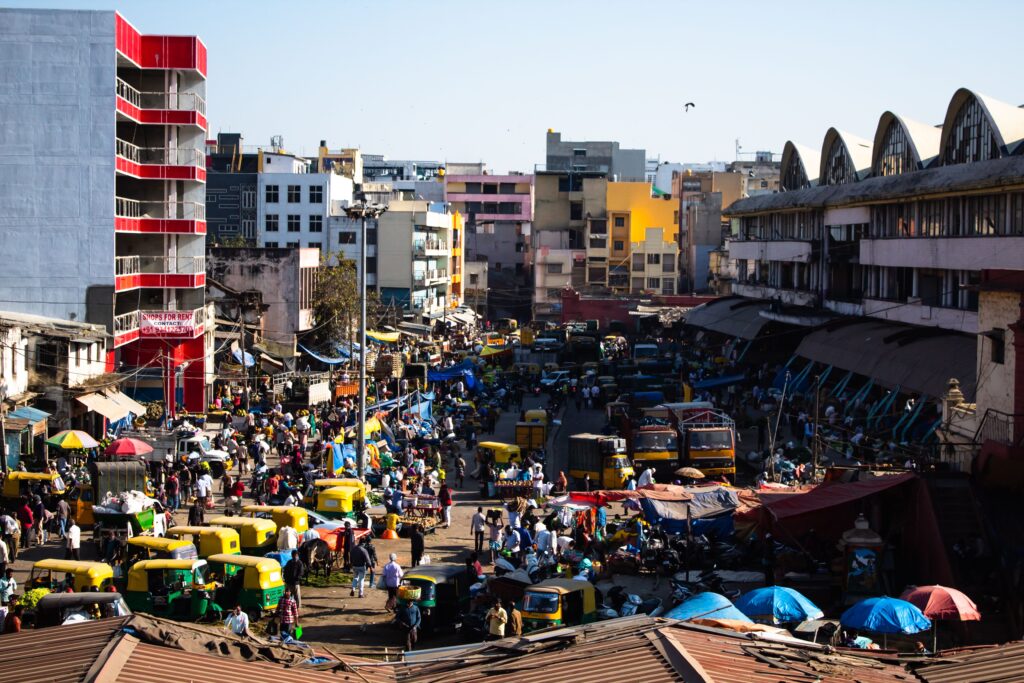
Most remote workers who spend time in India are more likely to deal with everyday inconveniences than serious crime. The biggest challenges usually involve scams, transport, protecting expensive equipment, avoiding food-related illness and maintaining reliable internet. Understanding these risks before arriving makes daily life much easier than trying to solve problems after they happen.
Scams and inflated prices
One of the first questions travellers ask is how common are scams for foreigners in India. They are common enough that you should expect to encounter attempts at overcharging or misleading information, especially in busy tourist areas, but most scams are opportunistic rather than sophisticated.
A classic example happens immediately after arriving at an airport or railway station. A driver may claim that your hotel has closed, is fully booked or has changed its address. The conversation often ends with a recommendation to visit a “better” hotel or a shop owned by someone paying commission. Similar situations happen around fake “official tourist offices” that advertise transport, tours or train tickets but are actually private businesses charging inflated prices.
Taxi scams also appear in different forms. A driver may ask you to cancel the booking and pay cash instead, arguing that the app is not working or that they will receive too little money. While this is not always an attempt to scam passengers, paying outside the platform removes the journey record and customer support if something goes wrong.
SIM cards, currency exchange and travel agencies can present similar issues. Some visitors are offered unnecessary packages or services that cost much more than local rates simply because they are unfamiliar with the market.
Knowing how to avoid scams in India is usually straightforward. Book accommodation through established platforms, ignore anyone claiming your hotel has suddenly become unavailable unless you confirm it directly with the property, use official booking offices where possible and compare prices before accepting transport or tours. Politely refusing unsolicited assistance often ends the conversation quickly.
These experiences explain why common scams in India for tourists remain one of the country’s most discussed travel topics. They are frustrating, but they are usually preventable with preparation rather than something that should discourage remote workers from visiting altogether.
Transport and evening movement
Many first-time visitors wonder is public transport safe in India and is public transport safe for foreigners in India. The answer depends on the type of transport, the city and the time of day.
In large cities, metro systems are generally the easiest option. Networks in cities such as Delhi and Bangalore are widely used, inexpensive and often faster than travelling by road during rush hour. Stations can become extremely crowded, so keeping phones and wallets secure is important, particularly during peak commuting hours.
App-based transport such as Uber generally offers more transparency than negotiating with street taxis because routes, fares and driver details are recorded. That does not mean every ride is perfect, but when people ask is Uber safe in India, it is usually considered a better option than accepting random offers outside stations or airports. Before entering the vehicle, confirm that the licence plate, driver’s name and car model match the booking, and avoid switching to another vehicle even if someone claims it is the correct one.
Auto-rickshaws remain a convenient way to travel short distances, especially where ride-hailing apps are unavailable. However, agreeing on the fare beforehand or booking through an app where available helps avoid misunderstandings.
Long-distance trains are a memorable part of travelling across India but require additional awareness. Busy platforms create opportunities for theft, and arriving late at night in an unfamiliar city without arranged transport can add unnecessary stress. Intercity buses vary greatly in quality depending on the operator, so established companies with recent reviews are usually a safer choice than the cheapest available ticket.
Scooter rental is popular in places such as Goa, but visitors sometimes underestimate local driving conditions. Heavy traffic, unpredictable road behaviour and unfamiliar road rules make riding much more demanding than on quieter islands elsewhere in Asia. Unless you already have experience riding scooters in busy environments, relying on app-based transport is often the less stressful option.
Whatever transport you choose, share your live trip with someone when possible, keep your phone charged and avoid arriving at unfamiliar stations after midnight without having a transfer arranged.
Laptop, phone and valuables
For remote workers, the question is not only is it safe to carry a laptop in India, but also whether it is practical to do so every day.
Most digital nomads carry expensive electronics without incident, but visible devices naturally attract attention in crowded places. The highest risk is usually theft of unattended belongings rather than someone stealing a laptop directly from your backpack while walking down the street.
Reports of laptop theft in India most commonly involve airports, railway stations, buses or accommodation where valuables were left unattended. Hostel common areas can be convenient for meeting people, but they also mean more strangers moving through shared spaces. If you rely on expensive equipment for work, a serviced apartment or private room often provides greater peace of mind.
Railway stations deserve particular attention because pickpockets in India train stations continue to be reported, especially where large crowds gather around ticket counters or platforms. Keep backpacks zipped, avoid displaying expensive cameras unnecessarily and never leave your laptop beside a café table while ordering food or using the restroom.
Understanding how to keep valuables safe in India is mostly about developing consistent habits. Carry only the electronics you need that day, store passports and backup cards separately, enable device tracking, keep encrypted cloud backups of important work and avoid leaving equipment visible through accommodation windows. Losing hardware is inconvenient; losing the files stored on it can be much worse.
Food, water and health
Many travellers ask is Indian street food safe for foreigners. The answer depends less on whether the food is sold on the street and more on hygiene, storage and preparation.
Food that is freshly cooked in busy stalls with high customer turnover is often a better choice than dishes that have been sitting in the heat for hours. Problems are frequently linked to untreated water, contaminated ice or poor food handling rather than local cuisine itself.
If you want to know how to avoid getting sick in India, focus on drinking sealed bottled water where tap water is not considered safe, avoiding raw foods that may have been washed in untreated water, choosing freshly prepared meals and introducing spicy food gradually if you are not used to it. Heat, humidity and seasonal air pollution can also affect productivity, especially during the first weeks of a long stay, so travel insurance that covers medical treatment is well worth considering.
Wi-Fi and digital security
Reliable internet is one reason many people ask is it safe to work remotely from India, but cybersecurity deserves attention alongside connection speed.
From a technical perspective, is Wi-Fi safe in India is the same question as in many other countries. Open public networks in cafés, airports or shopping centres should not be trusted for sensitive work. If you are wondering can digital nomads safely use public Wi-Fi in India, the safest approach is to treat public networks as convenient rather than secure.
Use a VPN whenever handling work files or financial information, enable two-factor authentication on important accounts and avoid logging into online banking through unsecured public hotspots. Many remote workers also keep a local SIM card or eSIM with a generous data plan so they can create a personal hotspot whenever café internet becomes unreliable.
Before renting an apartment for several months, test the connection yourself rather than relying only on the host’s description. Having a mobile backup connection can prevent missed meetings if broadband service temporarily fails.
Is India Safe for Female Digital Nomads?
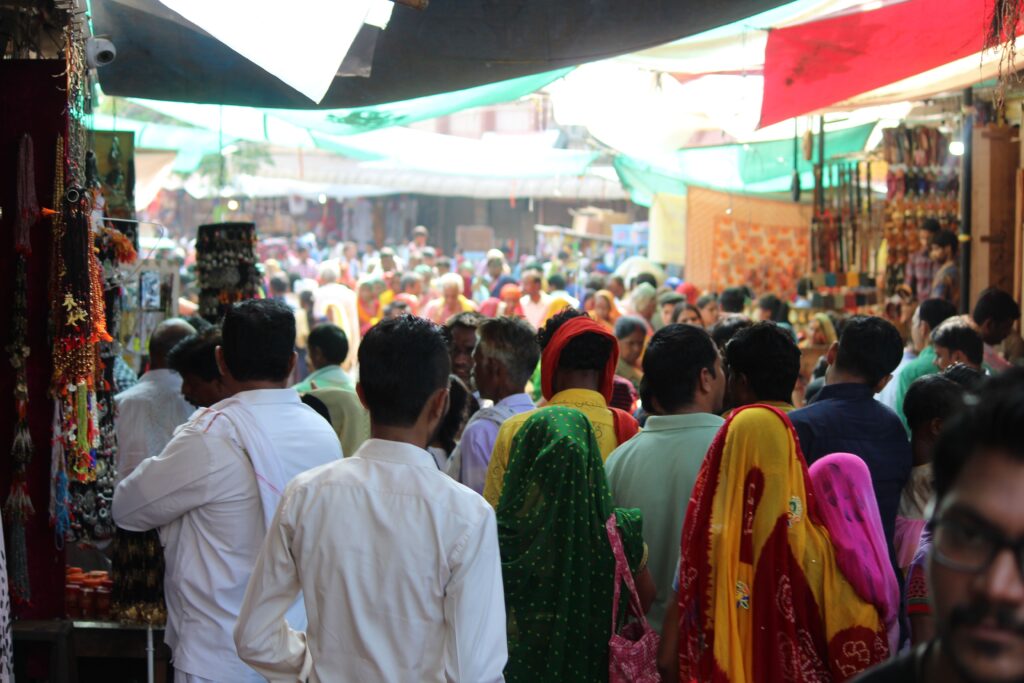
Questions about is India safe for female digital nomads deserve a separate discussion because women’s experiences often differ from those of men, even when they stay in the same city. Official travel advisories from both the U.S. Department of State and the UK’s Foreign, Commonwealth & Development Office note that women face additional risks of harassment and sexual assault in India, including in major cities and tourist destinations. That does not mean every solo woman will have a negative experience, but it does mean that planning accommodation and transport deserves more attention than it might in some other countries.
One of the biggest differences is the gap between daytime and nighttime mobility. A neighbourhood that feels comfortable for walking during the day can feel completely different after dark if streets become quiet, lighting is poor or transport options become limited. For this reason, the exact location of your accommodation often matters more than the city itself.
Many women who ask can a solo woman work remotely from India successfully spend months in the country, but they often choose accommodation near coworking spaces, cafés and busy commercial streets rather than isolated residential districts. Living within walking distance of daily essentials reduces the need for late-night transport and makes everyday routines simpler.
Solo female travellers also report experiences that male visitors may never encounter. These include prolonged staring, intrusive personal questions, requests for selfies or photographs without permission and unwanted attempts to continue conversations. These situations are uncomfortable rather than dangerous in many cases, but dealing with them every day can become emotionally tiring during a long stay. This is another example of how daily stress and the feeling of safety are not always the same as the actual risk of serious crime.
When people search for the safest places in India for solo female travellers or the best cities in India for female digital nomads, destinations in South India frequently receive more positive feedback than some larger northern cities. Kerala, parts of Goa, Mysuru and residential areas of Bangalore are often described by travellers as calmer and easier to navigate. However, these are general observations rather than guarantees. South India is not automatically safe, just as Delhi is not automatically unsafe for everyone.
Take three common situations.
A woman staying in a serviced apartment near a coworking space in Bangalore, using app-based transport after dark and working from cafés during the day will usually have a very different experience from someone renting the cheapest apartment on the city’s outskirts. The second traveller may spend more time waiting for transport, walking through poorly lit streets and dealing with unfamiliar neighbourhoods.
A similar difference exists in Goa. People often ask is Goa safe for solo female travellers because it has a relaxed international reputation. Popular beach towns with active tourism infrastructure can feel comfortable during the day, but isolated beaches, quiet roads and poorly lit areas become much less appealing after sunset. Choosing accommodation near restaurants, cafés and regular transport usually provides a better experience than staying in a remote property simply because it is cheaper.
Kerala also attracts frequent questions such as is Kerala safe for solo female travellers. Many visitors appreciate its slower pace, organised tourism and welcoming atmosphere, making it one of the stronger candidates for first-time remote workers. Even so, arriving at an unfamiliar railway station late at night without arranged transport or booking isolated accommodation far from town creates unnecessary risks that apply almost anywhere.
Another common question is is Bangalore safe for women. Compared with many other large Indian cities, Bangalore benefits from an established international workforce, extensive coworking infrastructure and widespread use of ride-hailing apps. Even there, safety depends heavily on the neighbourhood, time of day and transport choices rather than the city’s reputation alone.
Finally, many people ask is India safe to travel alone. The answer depends partly on previous travel experience. Someone who has already travelled independently through countries with busy cities and unfamiliar transport systems will probably adapt more quickly than a first-time solo traveller. India rewards careful planning, but it is not usually the destination that experienced nomads recommend as a first solo trip for women without previous international travel experience.
Which Cities Are Easier for Digital Nomads?
Instead of asking for the single safest city, it is more useful to look for places that provide an easier introduction to everyday life. The safest cities in India for digital nomads are not necessarily those with the lowest crime rates, but those where accommodation, transport, internet access and daily routines are easier to manage.
How to Make a Long Stay Safer and Easier
Many people ask is it safe to work remotely from India or is India safe for a long-term remote work stay, but the answer often depends less on the country itself than on the routines you build during your first few weeks. A carefully planned arrival usually leads to a much smoother experience than trying to save money from the first day.
One of the smartest decisions is to spend your first five to seven nights in a reputable hotel or serviced apartment before committing to a monthly rental. This gives you time to explore different neighbourhoods, test your commute and understand how the area feels during both the day and the evening. In fact, starting a long stay from a serviced hotel can be a practical way to avoid signing a lease in a location that turns out to be noisy, inconvenient or poorly connected.
When viewing accommodation, don’t focus only on the apartment itself. Walk around the neighbourhood after sunset, check whether streets are well lit, see if grocery stores and cafés remain open in the evening, and confirm that ride-hailing services are readily available. Reliable mobile coverage is also worth testing because it becomes your backup internet connection whenever broadband fails.
Many newcomers underestimate how much location affects daily comfort. An apartment that costs $150 less per month may look attractive online, but if it requires long taxi rides, unreliable transport or walking through isolated streets after dark, the savings disappear quickly. This is especially true for solo travellers and anyone working late because of time-zone differences.
Budget expectations also deserve adjustment. India is often listed among the cheapest places for digital nomads, but the lowest prices usually reflect basic accommodation rather than the level of comfort many remote professionals expect. Choosing a modern apartment with good security, stable internet and convenient transport can cost significantly more than the figures often quoted in backpacker blogs. Anyone planning remote work abroad on a limited budget should include room for occasional Uber rides, coworking passes, mobile data and backup accommodation if an apartment turns out to be unsuitable.
Internet deserves its own backup plan. Before confirming a long-term rental, ask the host which broadband provider serves the building and run your own speed tests if possible. Even in cities with excellent infrastructure, temporary outages happen. Keeping a local SIM card with generous mobile data allows you to continue working by using your phone as a hotspot during interruptions.
Protecting your work equipment should become part of your routine rather than something you think about only when travelling. Store laptops out of sight when leaving your accommodation, use encrypted cloud storage for important files and enable automatic backups. Hardware can usually be replaced; months of client work often cannot.
It is also worth remembering that regional conditions can change. Weather, political demonstrations, flooding or transport disruptions occasionally affect parts of the country. Before travelling between states, consult official travel advisories rather than relying only on social media or travel forums. Government guidance is usually updated more quickly when local conditions change.
Finally, think carefully about what you are trying to optimise. Some travellers choose India almost entirely because of low living costs, but inexpensive accommodation in an inconvenient area can easily create more stress than it saves. If your goal is how to stay safe as a digital nomad in India, spending slightly more on a central neighbourhood, dependable transport and reliable internet is often a better investment than chasing the lowest monthly rent. Knowing what should digital nomads avoid in India is not only about avoiding scams—it also means avoiding decisions based solely on price. Likewise, if official advisories recommend caution or advise against travel to particular regions, it is sensible to postpone those plans until conditions improve rather than assuming that which parts of India should tourists avoid has a permanent, one-size-fits-all answer.
Is India the Right Choice for You?
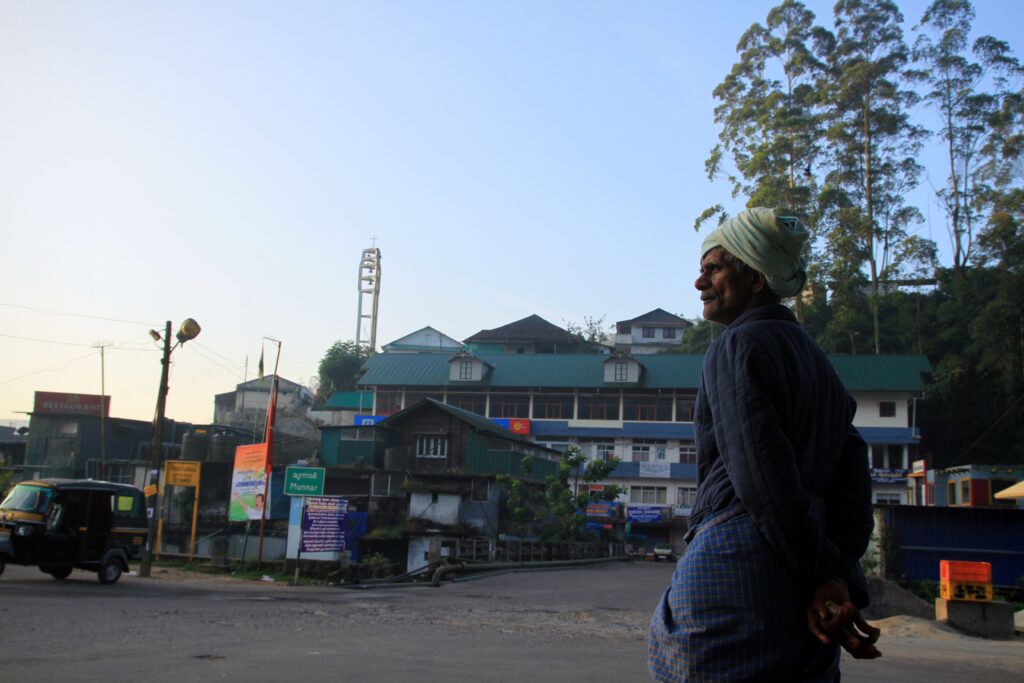
India can be an incredibly rewarding place to live and work remotely, but it is not the easiest destination for everyone. The experience depends as much on your personality and travel habits as it does on the city you choose.
For experienced independent travellers, India often offers exactly what they are looking for: diverse regions, affordable daily expenses compared with many Western countries, excellent food, fast-growing coworking communities and the chance to experience very different lifestyles without leaving one country. Remote workers with enough budget for quality accommodation and app-based transport usually find it much easier to build a comfortable routine than those trying to minimise every expense.
India is also a good fit for people who enjoy solving practical challenges, don’t mind busy cities and are comfortable adapting to situations that may not always follow a predictable schedule. If you naturally research neighbourhoods, compare accommodation carefully and plan transport in advance, many of the common frustrations become manageable rather than overwhelming.
On the other hand, India may not be the best first destination for someone starting their digital nomad journey alone. Solo female travellers, particularly those with little international travel experience, often find countries with more predictable infrastructure easier for a first long stay. People who value quiet streets, the freedom to walk anywhere late at night or highly organised public services may also need time to adjust.
Budget is another consideration. Choosing India simply because it appears inexpensive can lead to disappointment. The difference between a very cheap lifestyle and a comfortable one is often much smaller than the difference in quality of life. For many remote workers, paying more for the right neighbourhood, dependable internet and safer transport delivers far greater value than reducing monthly expenses to the absolute minimum.
This article combines independent editorial research, official government travel guidance, publicly available crime data, personal travel experience in Kerala and Goa, and discussions shared by digital nomads and travellers to provide a balanced view of what everyday safety in India is really like for remote workers.
Research sources included:
- Personal travel experience from visits to Kerala and Goa, focusing on everyday transport, accommodation and remote work conditions.
- Official travel advisories published by the U.S. Department of State.
- Travel advice and safety guidance published by the UK Foreign, Commonwealth & Development Office (FCDO).
- Crime and criminal justice data published by the United Nations Office on Drugs and Crime (UNODC).
- First-hand experiences and discussions shared by travellers and digital nomads on Reddit communities, used to illustrate individual experiences rather than as evidence of general safety trends.
The purpose of this article is to distinguish between official safety guidance, reported crime risks and the everyday realities of living and working remotely in different parts of India, helping readers make informed decisions based on their destination, travel style and personal circumstances.

Written by
Anna
Founder of The City Theory — writing about digital nomad lifestyle, modern city culture, remote work, travel experiences, psychology, and human behavior around the world.