Why Do Dutch People Travel So Much? What I Noticed After Spending Time in the Netherlands
Dutch people travel so much because several advantages overlap: paid holiday allowance, relatively strong incomes, generous time off, excellent transport links, a central European location, strong English skills and a culture in which foreign travel is treated as a normal part of life rather than a rare luxury. The answer to why do Dutch people travel so much is therefore not simply that they are richer or more adventurous than everyone else. For many people in the Netherlands, travelling is built into the annual routine in the same way that other households plan home improvements, family visits or summer activities.
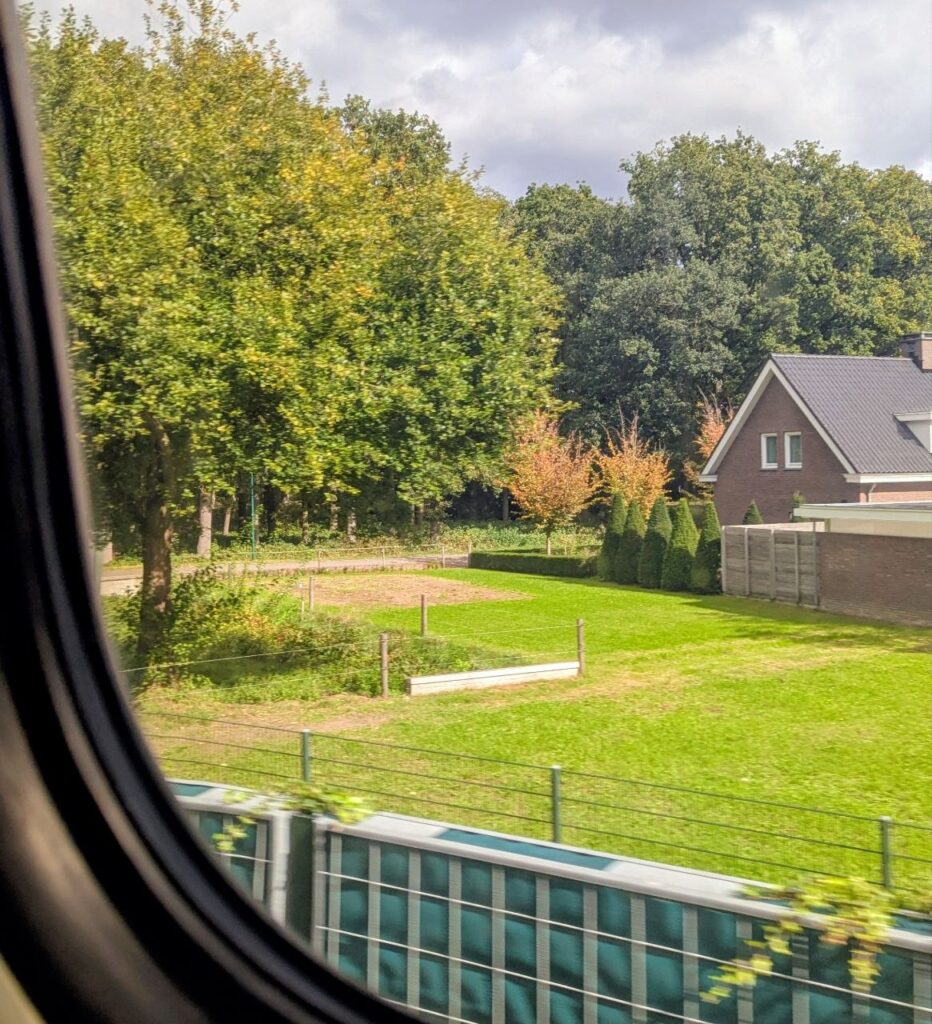
I started noticing Dutch travellers long before I began thinking seriously about the reasons behind it. I would see cars with NL number plates in places where I did not expect them, from small coastal towns to rural roads far away from the obvious tourist routes. Dutch families appeared in campsites, on ferries, near remote beaches and in towns that rarely featured on international travel websites. They were not always staying in expensive resorts or behaving like people on a once-in-a-lifetime holiday. Very often, they had bicycles attached to the back of the car, food packed for the journey, children in the back seat and a clear plan for the next few days.
Later, I frequently travelled to the Netherlands to visit my boyfriend, who lived not far from the borders with Germany and Belgium. That experience made the whole pattern much easier to understand. From where he lived, crossing into another country did not feel like planning a major international trip. Germany was close, Belgium was close, and several other European countries could be reached without flying at all. A drive that might still leave you inside one large country elsewhere could take you across two national borders in that part of Europe.
That was when I stopped asking only why are Dutch tourists everywhere and started looking at the system that makes frequent travel so practical for them.
The short answer
When people ask why do the Dutch travel so much, the most common explanation is money. There is some truth in that, but it is incomplete. Income matters, yet money alone does not explain why travelling is so deeply integrated into Dutch habits, why families keep taking road trips even with small children, or why older Dutch couples appear in caravans across France, Spain and Germany every summer.
The real explanation is a combination of practical advantages and cultural habits. Dutch workers generally receive paid time off, many employees receive holiday allowance, the country is small and internationally connected, and foreign travel is logistically easy. English is widely spoken, European borders are relatively simple to cross, and online booking is familiar rather than intimidating. Travel also has a strong social presence. People talk about where they went, where they are going next and which routes, campsites or airlines offer the best value.
In some countries, one large international holiday may be treated as the main event of the year. In the Netherlands, it is more common for people who can afford it to take several different trips: a summer road trip, a short city break, a winter holiday and perhaps a long weekend across the border. This is one reason why are Dutch people always on holiday can feel like a reasonable question even though they are obviously not literally travelling all year.
They are simply good at distributing travel throughout the year.
It is not only because Dutch people are wealthy
The Netherlands is a high-income country, and average household purchasing power is stronger than in many parts of the world. That undeniably helps explain why can Dutch people afford to travel, but it would be misleading to imagine that every Dutch traveller is booking luxury hotels and expensive long-haul flights.
Many of the Dutch tourists I noticed were travelling quite practically. They drove instead of flying, stayed in campsites or holiday parks, brought food from home and booked accommodation well in advance. The goal did not always appear to be luxury. More often, it was about finding a comfortable way to travel regularly without paying more than necessary.
This practical approach matters because travel costs are not only determined by income. They are also shaped by habits. Someone who plans six months ahead, drives with the family, books a mobile home at a campsite and prepares some meals independently can travel for much less than someone booking a last-minute resort package during peak season.
Dutch travellers often seem very aware of that difference. They compare prices, check driving distances and calculate whether flying is really faster once airport transfers, luggage fees and parking are included. This same planning mentality is useful for anyone trying to understand how to find cheaper flights close to departure, because frequent travellers tend to think in terms of total cost rather than the first price shown on a booking page.
So, how can Dutch people afford to travel so much? Stronger incomes help, but cost-conscious planning, early booking, road travel, camping and short distances make the money go further.
Holiday allowance makes travel part of the annual budget
One of the most interesting parts of the Dutch system is vakantiegeld, commonly translated as holiday allowance or vacation pay. This is often mentioned when people ask do Dutch workers receive extra money for holidays or search for Dutch vacation money explained.
In simple terms, many employees receive holiday allowance calculated as a percentage of their annual salary, commonly paid separately around May or June. According to the official Dutch holiday allowance rules, this payment is usually made at least once a year, often before the main summer holiday season. This means a worker may receive a larger payment shortly before the summer holiday season. The system does not force anyone to spend that money on travel, and plenty of people use it for bills, savings, household expenses or other priorities. Still, receiving a predictable extra payment before summer can make it easier to plan a holiday without taking the entire cost from one normal monthly salary.
That is why the relationship between Dutch holiday allowance and travel culture is important but should not be exaggerated. Holiday allowance does not magically make every trip affordable, nor does every Dutch household use it for a vacation. What it does is make holiday spending feel like something that can be planned in advance rather than an unexpected financial shock.
When people ask does holiday allowance make Dutch people travel more, I would say it probably supports the habit, especially when combined with stable employment and paid vacation time. It creates a natural annual moment when families review their summer plans, pay remaining balances and prepare for travel.
The difference is psychological as well as financial. If holiday money arrives regularly and holiday planning is already culturally normal, taking a trip feels less like an irresponsible luxury and more like one legitimate use of annual income.
How much vacation do Dutch workers get?
Another major factor is time. People often search for how much vacation do Dutch workers get or how many vacation days do Dutch people get, expecting to find an unusually huge number. The legal minimum is connected to the number of hours worked per week, while many employment contracts provide additional days beyond that minimum.
The exact number varies by employer, sector and contract, so it would be wrong to claim that every Dutch worker has the same generous schedule. However, paid leave is a normal and protected part of employment rather than something workers must feel guilty about using.
This affects travel behaviour more than it may seem. Having money for a trip is not enough when taking time off is difficult, discouraged or likely to create problems at work. In the Netherlands, holiday planning is generally expected. Colleagues may coordinate their summer leave months in advance, families plan around school calendars, and employers understand that people will actually use their vacation days.
That helps answer how many holidays do Dutch people take each year. Official statistics distinguish between holidays, trips and nights away, so the exact answer depends on the definition being used. Still, Dutch residents commonly take more than one holiday or leisure trip in a year, with combinations of domestic trips, short European breaks and longer journeys abroad.
The more useful question is not only how many times a year do Dutch people travel, but how they divide their available time. Instead of saving every vacation day for one major trip, many people use several long weekends and shorter holidays throughout the year.
The Netherlands is unusually well positioned for travel
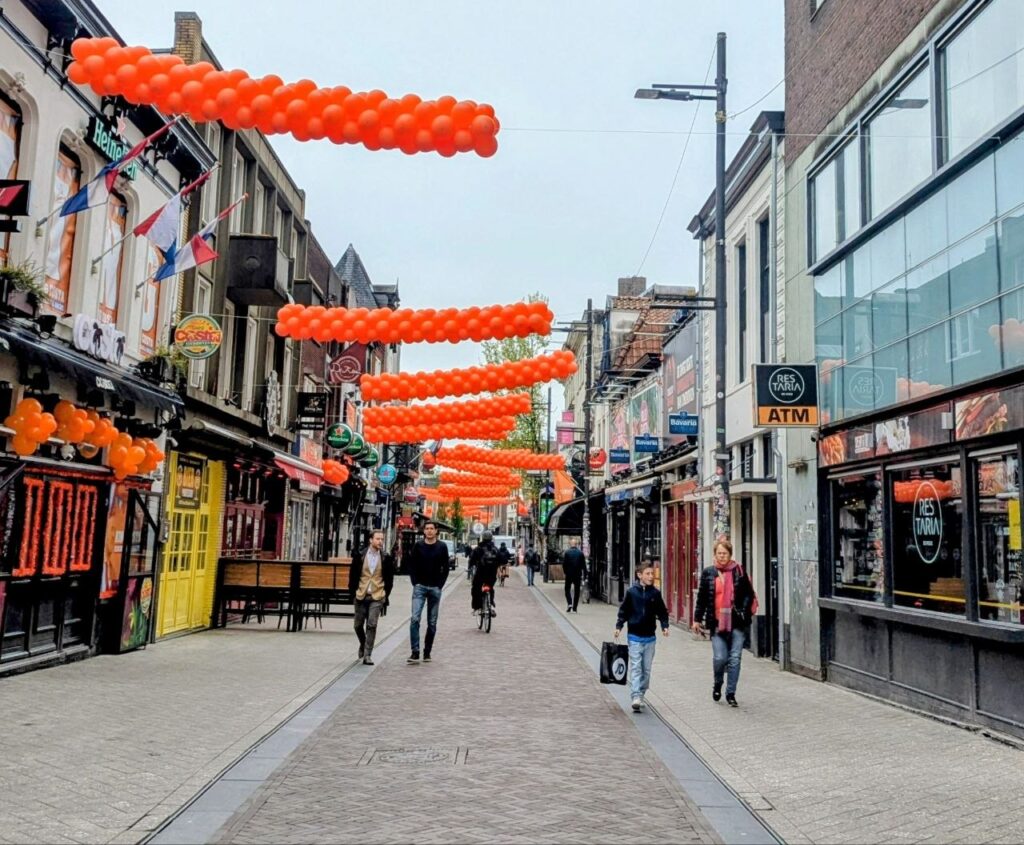
My boyfriend lived in an area where Germany and Belgium felt genuinely close. When I visited, I understood how much geography influences behaviour. Going abroad did not require a long flight, visa research or a major financial commitment. Sometimes it simply required getting into a car and driving in the right direction.
This geographical advantage is one of the most practical answers to why do people from the Netherlands travel so much.
The Netherlands is compact, and no part of the country is extremely far from an international border or major transport connection. Thanks to the EU rules on travelling within Europe, crossing into neighbouring countries is relatively straightforward for Dutch residents. Belgium and Germany are immediate neighbours. Northern France and Luxembourg are accessible by road, while Denmark, the United Kingdom and wider parts of France are realistic destinations for a short trip. Longer drives open up Switzerland, Austria, Italy and the south of France.
For people living near the eastern or southern borders, a trip abroad can feel less significant than travelling from one distant region to another inside a much larger country. That changes the mental threshold for travel. Crossing a border is not automatically a complicated event. It may be part of shopping, visiting friends, attending a concert or spending a weekend somewhere different.
The country also has strong rail connections, busy airports and good road infrastructure. Amsterdam Schiphol provides access to destinations across Europe and beyond, while other airports in the Netherlands, Belgium and Germany create additional options. Someone living in the south or east may compare departures from several countries before booking.
This is also why why do Dutch people prefer international holidays is slightly misleading. Domestic tourism exists and Dutch people do travel within their own country, but the Netherlands is small enough that international travel can offer a much bigger change of landscape without requiring a dramatically longer journey.
A trip from one Dutch city to another may still involve similar weather, architecture and flat scenery. Drive a little farther, and you can reach Belgian historic towns, German forests, French countryside or Alpine landscapes.
Foreign travel does not feel intimidating
Another thing I repeatedly noticed was how easily Dutch travellers communicated abroad. They would switch to English without making the interaction feel stressful, ask practical questions and continue with whatever they were doing. It did not necessarily mean their English was perfect, but they were comfortable using it.
This helps explain why are Dutch people comfortable travelling abroad and why do Dutch people speak English so well when travelling. English-language television, education, international trade and the relatively small global reach of the Dutch language all contribute to strong exposure. Many people grow up knowing that outside the Netherlands, they will often need another language.
That removes a significant barrier. Travelling becomes much easier when you are confident that you can check into a hotel, rent a car, read transport information, solve a booking problem or ask for help.
The Dutch economy has also been internationally connected for centuries. The Netherlands developed through trade, shipping and commercial relationships that extended far beyond its borders. Modern Dutch businesses remain internationally oriented, and many professionals work with colleagues, clients or companies from other countries. Foreign interaction therefore feels normal in both work and private life.
This historical internationalism should not be romanticised, especially because parts of Dutch colonial and trading history were deeply exploitative. Still, it shaped a society in which looking beyond national borders became economically and culturally significant.
For many Dutch people, arranging a trip abroad is not an intimidating project requiring special expertise. Flights, campsites, ferry tickets and apartments are booked independently. Routes are checked online, prices are compared, and accommodation and transport may be purchased separately rather than through one package.
According to travel behaviour research, a large share of Dutch travellers prefer combining transport and accommodation themselves. That practical independence is one reason are Dutch people frequent travellers is easier to answer than it first appears. Experience creates confidence, and confidence makes the next trip easier to organise.
Why do you see Dutch people everywhere?
The question why do you see Dutch people everywhere is partly about how much they travel, but it is also about how visible they are.
A Dutch family travelling by car is easy to notice because of the NL number plate. A caravan remains visible for hundreds of kilometres. Several Dutch vehicles parked together at a French campsite create a much stronger impression than tourists who arrived individually by plane and blended into a city crowd.
They also return to many of the same routes and regions year after year. France, Germany, Spain, Austria, Italy and Belgium are particularly convenient for road trips. During school holidays, large numbers of families travel south along similar motorways, stop in similar towns and stay in established camping areas.
That creates the impression that Dutch tourists are present in every corner of Europe.
I noticed them not only in famous destinations but also in places that required effort to reach. They were in small coastal towns, less obvious rural regions and campsites far from major airports. They seemed comfortable with long drives and rarely appeared surprised by the logistics of travelling with children.
This relates to another broader question about why travel patterns differ between men and women. Travel behaviour is rarely explained by personality alone; work structures, family responsibilities, social expectations and access to money all affect who travels, how often and in what way. In the Dutch case, the infrastructure and social acceptance surrounding holidays make family travel unusually manageable.
It also explains why do Dutch people travel even with children. They do not necessarily wait until children are old enough to manage airports or formal tours. Road trips, holiday parks and campsites are already designed around families, making children part of the travel routine from an early age.
Why Dutch tourists are everywhere in Europe
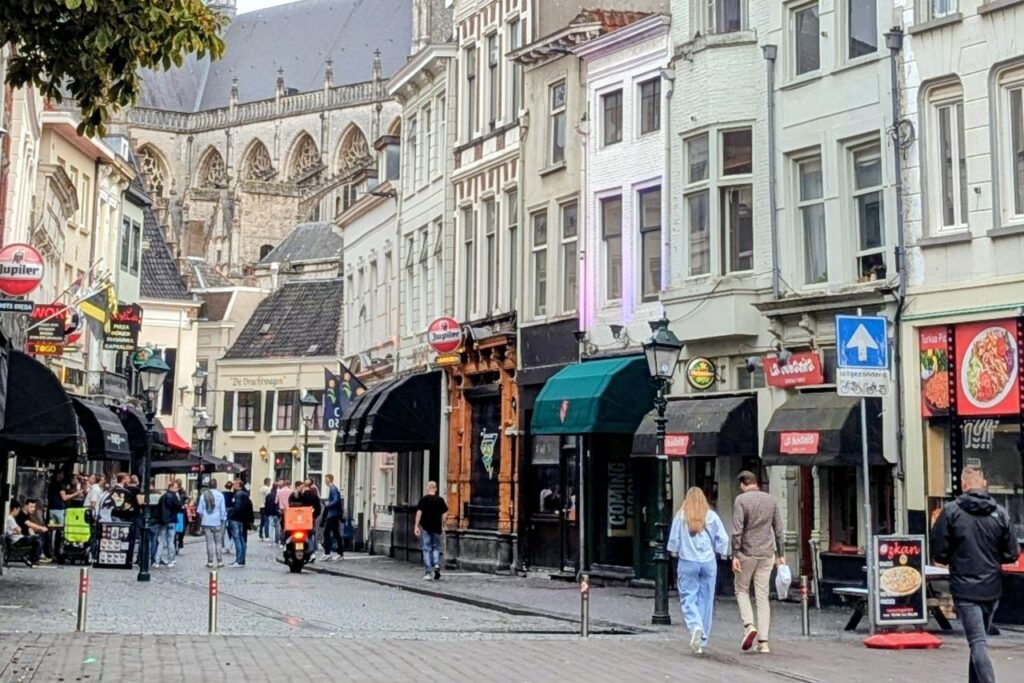
When people ask why are Dutch tourists everywhere in Europe, they often assume the Netherlands must be empty every summer. The reality is less dramatic, but outbound travel is extremely common. CBS has reported that more than 85% of Dutch residents take holidays, while a large share of holidaymakers choose foreign destinations.
Germany, France and Spain consistently appear among the most popular holiday destinations for Dutch tourists. Germany is close enough for both short and long trips, France has a strong camping tradition and easy motorway access, while Spain offers the reliable sun and beaches many Dutch travellers want.
The Netherlands also has a population large enough to create visible tourist flows but small enough that those travellers stand out abroad. Add caravans, bicycles, roof boxes and recognisable number plates, and Dutch tourists become particularly noticeable.
That does not mean they travel more than every other European population under every possible measurement. Claims about why do Dutch people travel more than other Europeans need comparable statistics covering the same definitions, periods and types of trips. What we can say is that international holidays are widespread in the Netherlands and that Dutch travellers are highly visible across European road and camping networks.
Their travel is also spread across different formats. Some fly to southern Europe, others drive to neighbouring countries, some camp for several weeks, and others take repeated city breaks. This mix helps explain why Dutch travellers seem to appear in so many unrelated places.
Dutch people do not always treat travel as an escape
This is the biggest difference I noticed.
Travel did not always seem to represent an escape from an unbearable daily life. It often looked like an extension of normal life. People brought familiar routines with them, cooked simple meals, cycled, spent time outdoors and planned the next trip without turning the current one into a dramatic life event.
That is why why is travel such a big part of Dutch culture cannot be answered only through salary or vacation days. The practical conditions support travel, but culture turns those conditions into habits.
People grow up taking family holidays, learn how campsites work, become accustomed to long road journeys and continue travelling as adults. They may later take their own children on similar routes. Travel knowledge is passed through families and social circles: which motorway becomes congested, which French region offers good campsites, when to book, what to pack and whether driving overnight is worthwhile.
The result is a system in which frequent travel feels achievable because people already know how to do it.
The role of Dutch weather
Weather is not the main reason Dutch people travel, but it does influence where they go and how they plan holidays. The Netherlands has a mild maritime climate, which means winters can feel grey and damp while summers are not always reliably warm. A week booked at home can still turn into several days of wind and rain, so the promise of predictable sunshine in Spain, southern France, Italy or Portugal has obvious appeal.
This helps explain why are Dutch tourists common in southern Europe. They are not simply chasing heat at any price. Many want a dependable outdoor holiday after spending much of the year in changeable weather. A campsite, apartment or modest hotel near a beach can offer exactly that without requiring a luxury budget.
When I visited the Netherlands, I noticed how quickly people reacted when the weather became pleasant. Terraces filled, bicycles appeared everywhere and parks became busy almost immediately. That made it clear that outdoor life matters, but reliable weather cannot be taken for granted. Travelling south allows people to plan around sunshine rather than hoping it arrives.
Why camping and caravans remain so popular
One of the clearest answers to why do Dutch families travel by caravan is that caravans make long family holidays more affordable and predictable. Families can carry more luggage, prepare food, bring bicycles and avoid paying restaurant prices every day. They also gain a familiar private space while still moving between regions.
The Dutch camping tradition is not only about saving money. It fits several cultural preferences at once: independence, organisation, outdoor activity and value for money. A family can book the same campsite every summer, know exactly what facilities are available and still take day trips to different towns, beaches or natural areas.
This is also what explains the Dutch love of road trips. Travelling by car gives people control over departure time, route, luggage and stops. It is especially practical with children, camping equipment or bicycles. A flight may look faster on paper, but a family of four can face expensive tickets, baggage restrictions, airport transfers and car rental costs after arrival.
The question why do Dutch people love camping in France has a particularly practical answer. France is reachable by road, offers a huge variety of landscapes and has a well-developed camping industry. Dutch families can choose between the Atlantic coast, the Alps, Provence, Dordogne or smaller inland regions without changing the basic travel method.
Even the journey itself becomes part of the annual ritual. People know the routes, motorway stops and traffic patterns. Children grow up with these trips and may later repeat them with their own families.
Dutch people plan travel pragmatically
Dutch travel culture can look spontaneous from the outside because people travel frequently, but many trips are planned carefully. Flights, accommodation and transport are compared separately, and the cheapest headline price is not always treated as the best deal.
Travellyze reported that 73.8% of the Dutch travellers in its research preferred arranging accommodation and transport independently. Price was also an important factor when choosing a destination. This matches what I observed: people did not necessarily want the cheapest possible holiday, but they wanted to understand what they were paying for.
They booked campsites early, compared airports in the Netherlands, Belgium and Germany, checked whether driving made more sense than flying and looked at the full cost of a destination. A cheap flight becomes less attractive when baggage, airport parking and transfers double the final price.
This practical mindset also shapes what people pack. Dutch travellers often seem prepared for changing weather, cycling, walking and long travel days rather than dressing only for photographs. Anyone planning similar multi-purpose trips may find that choosing practical clothing for a long flight matters more than creating a perfect airport outfit.
The same pragmatic attitude appears in decisions about where to live. During my visits, I understood why the difference between life in a smaller town and a major city matters so much in the Netherlands. Someone living outside Amsterdam may have lower everyday costs, easier parking and faster access to international roads, while still being close enough to major airports and rail connections.
Where do Dutch people go on holiday?
Official Dutch outbound tourism statistics show that neighbouring and nearby European countries dominate many holiday choices. According to CBS data for 2023, Germany was the most popular foreign destination, receiving approximately 3.6 million Dutch holiday trips. France and Spain followed among the leading choices.
That answers both where do Dutch people go on holiday and where do Dutch people travel most often. Germany is convenient for short breaks, nature trips and city visits. France works particularly well for camping and longer summer holidays. Spain offers beaches and more dependable sunshine, while Belgium remains accessible for very short trips.
Other popular options include Austria, Italy, Greece, Portugal and destinations farther abroad. The exact ranking changes by year and by whether statistics count holidays, overnight trips or all international departures, but the larger pattern is stable: Dutch travellers make extensive use of the rest of Europe.
They also travel domestically. The Dutch coast, islands, holiday parks and countryside attract plenty of local visitors. International travel is simply unusually accessible, so domestic and foreign trips can exist in the same year rather than competing for one annual holiday.
People considering a longer stay in the Netherlands often focus only on Amsterdam, although the practical experience varies significantly by neighbourhood and surrounding municipality. Understanding where international residents settle around Amsterdam also helps explain why travel access differs: some areas offer faster airport connections, while others make driving toward Belgium or Germany more convenient.
Do Dutch people travel more than other Europeans?
The phrase Dutch vacation habits compared with other Europeans sounds simple, but comparisons need care. Countries measure trips differently, and the results change depending on whether the data includes domestic holidays, international departures, overnight stays or business travel.
It would therefore be too strong to claim that the Dutch always travel more than every other European nationality. Residents of Luxembourg, Germany, the Nordic countries and several other wealthy European states also travel extensively.
What is clear is that holiday participation in the Netherlands is high, foreign travel is common and the country produces a very visible stream of road travellers. This makes the question why do Dutch people travel more than other Europeans feel true to people who repeatedly encounter Dutch tourists, even when the statistical comparison is more complicated.
Visibility matters. Travellers arriving by plane may disappear into a destination, while Dutch cars, caravans, bicycles and licence plates remain recognisable. A group of Dutch campers staying for three weeks is also more noticeable than several people taking separate weekend flights.
Does everyone in the Netherlands travel frequently?
No. Any article asking do Dutch people travel a lot has to avoid turning a broad pattern into a statement about every individual.
Not everyone has the same income, health, family support or job security. Housing costs in the Netherlands are high, and some households use holiday allowance for rent, debt, savings or essential expenses. People with caring responsibilities, insecure work or limited mobility may travel rarely or not at all.
There is also a difference between travelling frequently and travelling expensively. Some people take several budget road trips, while others save for one larger holiday. Some prefer staying in the Netherlands. Others travel mainly to visit family abroad rather than for leisure.
This is why are Dutch people frequent travellers can be answered only at a population level. Travel is common and culturally normal, but it is not universal.
Why frequent travel becomes easier over time
The first international trip can feel complicated because everything is unfamiliar. After ten trips, most of the process becomes routine. You know how early to arrive, what insurance you need, how much luggage you actually use and which booking problems are worth worrying about.
Dutch children often begin learning this routine early. They sit through long drives, stay in campsites, cross borders and hear adults speaking other languages. By adulthood, foreign travel may feel familiar rather than intimidating.
This creates a self-reinforcing cycle. Frequent travel builds experience, experience reduces anxiety, and lower anxiety makes future travel easier. It partly explains why do Dutch people travel abroad so often and why do Dutch people go on holiday several times a year.
The same effect can later influence retirement. People who have spent decades travelling may not want retirement to mean staying permanently in one location. Some begin considering lower-cost destinations for a nomadic retirement, especially when they already feel comfortable managing accommodation, transport and daily life abroad.
So, how come Dutch people travel so much? It is not one national personality trait and it is not simply wealth. It is a system in which several practical advantages reinforce one another: relatively strong incomes, paid leave, holiday allowance, a central location, short distances, road access, inexpensive European flights, strong English skills and generations of experience organising holidays independently.
The most important thing I noticed during my visits was that Dutch people do not necessarily treat travel as an escape from real life. They often build it into normal life. A foreign trip may be exciting, but it does not always need to be dramatic, luxurious or rare.
That is ultimately why do people from the Netherlands travel so much. Travel is easier when the border is close, the route is familiar, time off is expected and the cost has been planned months in advance. Add cultural openness and a long international history, and going abroad starts to feel less like leaving normal life and more like another ordinary part of it.
FAQ
How can Dutch people afford to travel so much?
Relatively strong incomes help, but many Dutch travellers also book early, compare prices, drive instead of flying, stay in campsites and cook some of their own meals. Frequent travel does not always mean luxury travel.
Do Dutch people get extra money for holidays?
Many employees receive holiday allowance, often called vakantiegeld. It is commonly calculated as a percentage of annual salary, although the exact arrangement depends on employment conditions. People may spend it on travel, savings, bills or anything else.
Why are Dutch tourists everywhere in Europe?
The Netherlands is centrally located, international borders are close and road travel is extremely practical. Dutch cars, caravans and bicycles are also easy to recognise, making the travellers more visible.
Why do Dutch people love camping and caravans?
Camping offers independence, outdoor space and good value for families. Caravans allow travellers to carry equipment, bicycles and food while avoiding airline baggage limits and repeated hotel costs.
How many holidays do Dutch people take per year?
The number varies depending on income, work and family circumstances. Official data has shown that Dutch residents commonly take more than one holiday or leisure trip annually, although definitions differ between studies.
Where do Dutch people travel most often?
Germany, France and Spain are consistently among the leading international destinations. Belgium, Austria and Italy are also common, particularly for road trips and camping holidays.
Why do Dutch people travel so much?
They benefit from paid leave, holiday allowance, strong transport connections, a central European location, widespread English skills and a culture where foreign travel is considered normal.
Do Dutch workers receive holiday money?
Many do. Holiday allowance is a standard feature of Dutch employment, though the amount and payment method depend on the worker’s contract and circumstances.
Can most Dutch people afford international travel?
International travel is widespread, but not everyone can afford it regularly. Housing costs, income differences, health and family responsibilities affect how often people travel.
Do Dutch people travel more than other Europeans?
They travel extensively, but direct comparisons require consistent statistics. What makes Dutch travellers especially noticeable is their strong presence in European road trips, campsites and caravan tourism.
Why do Dutch people speak English so well abroad?
English is widely taught and frequently encountered through television, education, international business and online culture. Because Dutch is spoken by a relatively small global population, using other languages abroad is expected.
Is travel an important part of Dutch culture?
For many people, yes. Family holidays, camping, road trips and short international breaks are established habits, but individual experiences and financial circumstances still vary.
Explore the Culture & Society Hub
Discover more stories about language, identity, traditions, social habits and the cultural details that shape everyday life around the world.
Explore the Culture & Society Hub →This article combines personal observations from travelling to the Netherlands, independent editorial research, and first-hand experience of seeing Dutch tourists across Europe, including road trips, campsites, coastal towns, and cross-border travel.
Research sources included:
- Personal experience from frequent visits to the Netherlands and observations of Dutch travel habits in different European destinations.
- Official information from the European Union on travelling within Europe, cross-border mobility, and travel rights for EU residents.
- Official guidance from the Government of the Netherlands on holiday allowance, paid leave, and employment-related vacation payments.
The goal is to explain why travel is such a normal part of life for many Dutch people by exploring holiday allowance, vacation time, geography, road travel, language skills, camping culture, and the practical advantages of living in a well-connected part of Europe.

Founder & Editor
Founder of The City Theory, writing about digital nomad lifestyle, modern city culture, remote work, travel experiences, psychology and human behaviour around the world.