What to Wear on a Plane: Best Clothes for Long Flights
Most people spend more time researching airline tickets than thinking about what to wear on a plane. That usually feels like a reasonable decision until hour seven of a long-haul flight when the cabin suddenly becomes cold, your jeans feel tighter than they did at the airport, and you realize sleeping in your chosen outfit is almost impossible.
Frequent travellers eventually learn that flying is less about looking good and more about feeling comfortable for ten, twelve, or even fifteen hours in an environment that constantly works against your body. Airplane cabins are dry, temperatures change throughout the flight, circulation slows, and sitting in the same position for long periods creates its own set of problems.
The question of what to wear on a plane sounds simple, but anyone who flies regularly knows it can make the difference between arriving refreshed and arriving exhausted.
Why What You Wear on a Plane Matters More Than You Think
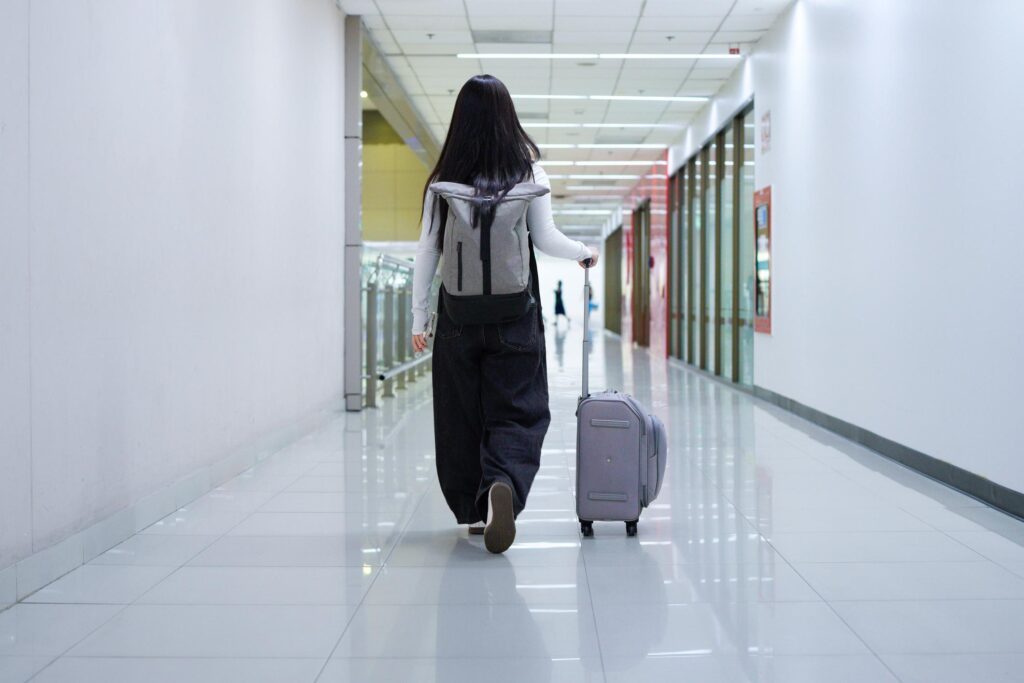
Flying places your body in a situation it was never designed for. For hours at a time, you remain seated in a confined space while cabin pressure, dry air, and limited movement affect everything from hydration to circulation.
One of the biggest surprises for inexperienced travellers is swelling. Long flights often cause feet, ankles, and legs to expand slightly due to reduced circulation. According to the NHS guidance on deep vein thrombosis (DVT), sitting for long periods can affect blood flow and increase discomfort during extended journeys. Clothes that feel comfortable before boarding can become noticeably less comfortable halfway through the journey.
Temperature is another issue. Airports are often warm, boarding areas vary dramatically, and aircraft cabins can shift from chilly to surprisingly warm throughout a single flight. A traveller wearing only a T-shirt may spend hours feeling cold, while somebody dressed too heavily may struggle to sleep comfortably.
Sleep itself is another reason clothing matters. Whether you are taking a six-hour overnight flight across Europe or a fourteen-hour journey between continents, comfortable clothing can significantly improve your chances of getting meaningful rest.
This becomes even more important for remote workers, expats, and people embracing a digital nomad lifestyle, who often spend a large portion of their year moving between countries and cities. For them, airports are not occasional experiences but part of everyday life.
Best Clothes for Travelling on Plane
The best clothes for travelling on plane are usually the least exciting ones.
Experienced travellers rarely board long flights wearing complicated outfits. Instead, they focus on flexibility, comfort, and layering.
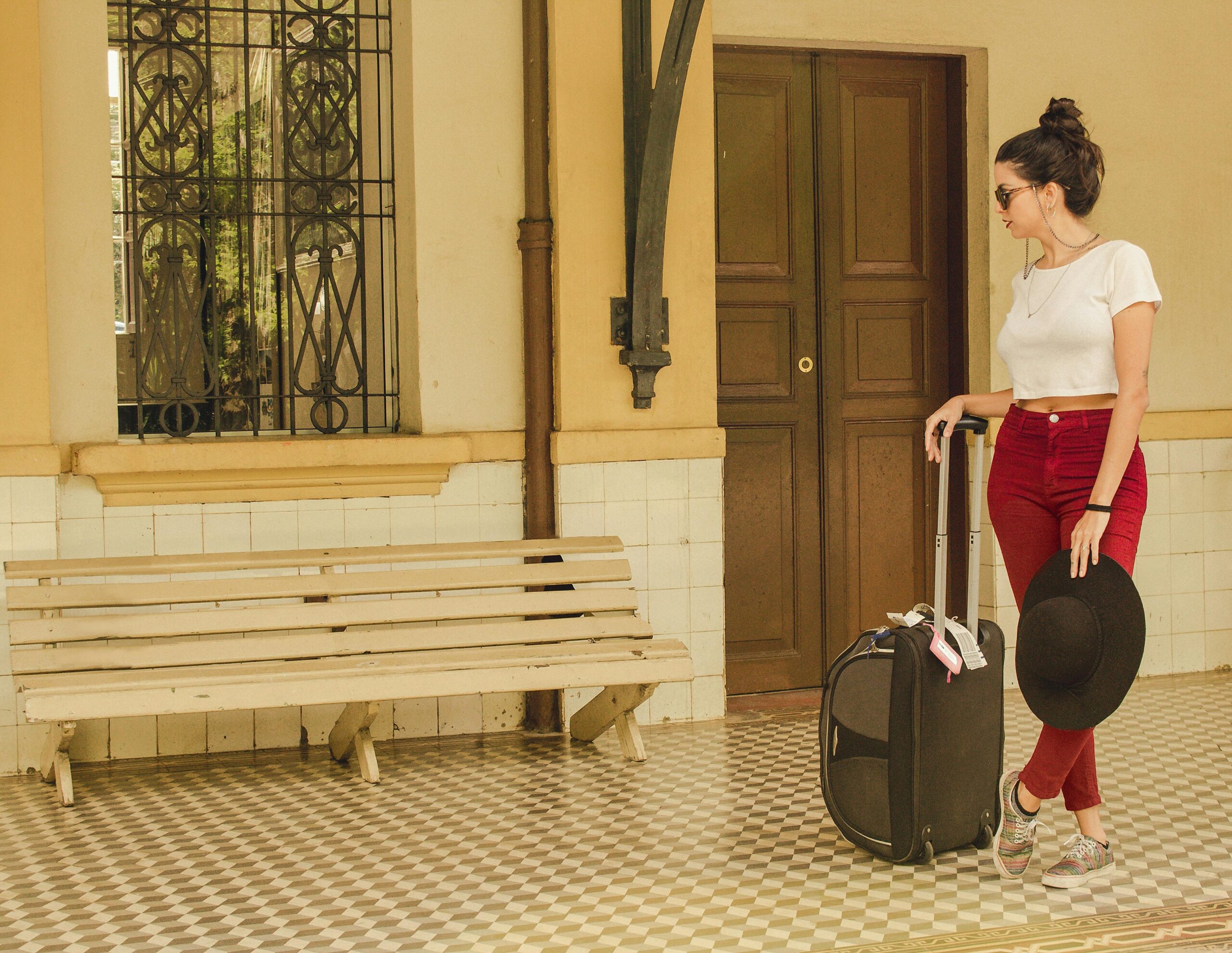
Loose trousers remain one of the safest choices. Soft travel trousers, joggers, athletic pants, and lightweight stretch fabrics allow freedom of movement while reducing pressure on the legs during extended periods of sitting.
Leggings are another popular option, particularly on long-haul routes. They take up little space, remain comfortable for hours, and work well with layered clothing.
The most important principle is avoiding restrictive clothing. Tight waistbands, stiff fabrics, and clothes designed primarily for appearance often become uncomfortable much faster than people expect.
Layering is perhaps the single most useful travel strategy. A simple T-shirt combined with a lightweight hoodie, cardigan, or zip-up jacket allows travellers to adjust to changing temperatures throughout the journey.
The best clothes for travelling on plane are rarely fashionable in the traditional sense. Instead, they are practical, adaptable, and comfortable enough to wear for an entire day if necessary.
When thinking about comfortable clothes to wear on a plane, imagine clothing you would happily wear while relaxing at home for twelve hours. That mental test usually produces the correct answer surprisingly quickly.
What to Wear on a Long Flight
The answer to what to wear on a long flight depends partly on destination and partly on flight duration.
A two-hour flight and a fourteen-hour flight are completely different experiences.
For long-haul travel, comfort becomes increasingly important because minor irritations become major problems over time. A slightly uncomfortable waistband may be tolerable for ninety minutes. It feels very different after ten hours.
A reliable travel outfit for long flight situations usually includes breathable trousers, a comfortable top, and at least one additional layer. Many experienced travellers prefer soft joggers, performance fabrics, merino wool clothing, or lightweight athletic wear because these materials remain comfortable even after long periods of sitting.
An airport outfit for long flight travel should also take into account the destination climate. Someone leaving winter in Europe and arriving in Southeast Asia faces very different conditions from someone flying between two cold-weather destinations. Checking the destination’s weather forecast before travelling can help you choose layers that remain comfortable both during the flight and after arrival.
The ideal solution is often clothing that can adapt. Lightweight layers allow travellers to stay comfortable both inside an air-conditioned aircraft and outside in a completely different climate.
One useful rule is simple: if you would not choose the outfit for a ten-hour train journey, it probably is not ideal for a long-haul flight either.
What Shoes to Wear on a Plane
Many travellers focus heavily on clothing while ignoring footwear, even though shoes can dramatically affect comfort during a flight.
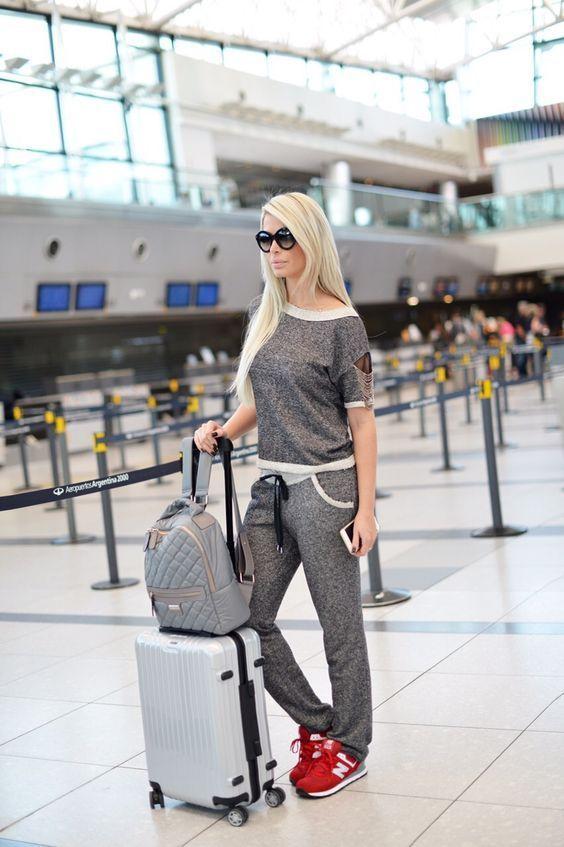
The best answer to what shoes to wear on a plane is usually lightweight footwear that is easy to remove and put back on.
Slip-on trainers, comfortable sneakers, and lightweight travel shoes remain among the most popular choices. Security checks become easier, boarding feels less stressful, and swelling during long flights becomes less problematic.
Tight shoes can become uncomfortable surprisingly quickly once feet begin to swell. For this reason, many frequent flyers intentionally choose footwear with a little extra room.
Heavy boots are generally less practical unless required by weather conditions. They take up more space, become uncomfortable during long periods of sitting, and can make airport security more complicated.
Some travellers carry compression socks on longer journeys. While not essential for everyone, they can improve comfort during extended flights and are particularly popular among people who fly regularly.
The goal is not fashion. The goal is arriving with feet that still feel normal after ten hours in the air.
What to Wear on an Overnight Flight
What to wear on an overnight flight is slightly different from what works during daytime travel.
The primary objective changes from simply remaining comfortable to actually sleeping.
Overnight flights often involve dimmed cabin lights, lower temperatures, and attempts to rest in an environment that is far from ideal. Clothing should support that goal rather than work against it.
Soft fabrics become particularly valuable during overnight travel. Hoodies, comfortable sweatshirts, lightweight travel trousers, and breathable T-shirts generally perform much better than structured clothing.
Many experienced travellers also bring an extra layer specifically for sleeping. Aircraft cabins frequently become cooler overnight, and having a hoodie or lightweight jacket available can make a significant difference.
Another overlooked factor is simplicity. Clothing with multiple buttons, belts, or restrictive elements becomes surprisingly irritating when trying to sleep in a confined seat.
The best travel outfit for long flights often resembles something between casual weekend clothing and comfortable loungewear. That may not sound glamorous, but most people care far more about sleep than style once they are halfway through an overnight journey.
What Not to Wear on a Plane
Travel advice often focuses on what travellers should wear, but avoiding certain choices can be equally important.
The most common mistake involves prioritising appearance over comfort. Air travel has changed dramatically over the decades. Modern flights are no longer glamorous events requiring formal attire. For most travellers, practicality matters far more.
One frequently debated question is: should you wear jeans on a plane?
The answer depends on the jeans.
Loose, comfortable jeans may be perfectly acceptable for shorter flights. Tight jeans, however, often become uncomfortable during long-haul travel because they restrict movement and become increasingly noticeable as hours pass.
Another common mistake is wearing clothing that is difficult to layer. Travellers dressed for a warm departure city often underestimate how cold aircraft cabins can become.
High heels are another questionable choice for long journeys. They may look good while walking through the terminal but rarely improve comfort during hours of sitting, standing in queues, and navigating airports.
Heavy jewellery, restrictive clothing, and complicated outfits can also become surprisingly annoying during long travel days.
The simplest rule is this: if your outfit would feel uncomfortable after spending an entire day sitting, walking, waiting, and sleeping, it is probably not ideal for a flight.
Many frequent travellers eventually discover that airports reward practicality far more than style.
This is especially true among people embracing a long-term travel lifestyle, where comfort, efficiency, and adaptability gradually become more valuable than appearances.
Travellers who spend months moving between countries quickly learn that the best airport outfit is often the one that attracts the least attention while delivering the most comfort.
For some, this means joggers and trainers. For others, it means athletic clothing or lightweight travel gear. The exact outfit matters less than the principle behind it.
The best travel clothing is clothing that allows you to focus on the journey rather than constantly adjusting what you are wearing.
FAQ
What are the best clothes to wear on a plane?
The best clothes to wear on a plane are comfortable, breathable, and easy to layer. Many travellers prefer joggers, leggings, soft trousers, T-shirts, and lightweight hoodies that adapt to changing temperatures during the journey.
Should you wear jeans on a plane?
Comfortable, loose-fitting jeans can work for shorter flights. However, tight jeans often become uncomfortable during long-haul journeys because they restrict movement and may feel tighter as swelling occurs.
What shoes are best for flying?
Lightweight trainers, sneakers, and slip-on shoes are generally considered the best options. They are comfortable, easy to remove during security checks, and practical for long travel days.
What should you wear on a long-haul flight?
A long haul flight outfit should prioritise comfort and flexibility. Soft trousers, breathable tops, and additional layers such as hoodies or lightweight jackets help travellers remain comfortable throughout the journey.
What should you not wear on a plane?
Avoid restrictive clothing, tight jeans, uncomfortable shoes, heavy jewellery, and outfits that cannot adapt to changing temperatures. Practicality usually matters more than appearance during long flights.
This article combines personal travel experience, independent editorial research, and discussions from frequent travellers and digital nomad communities.
Research sources included:
- First-hand observations from long-haul and international flights.
- Traveller experiences and discussions from Reddit communities including r/travel, r/onebag, r/digitalnomad, and r/solotravel.
- Travel health recommendations published by NHS UK.
- Weather and climate information from the U.S. National Weather Service (weather.gov).
The goal is to provide practical and realistic outfit recommendations focused on comfort, mobility, changing cabin temperatures, and long travel days.

Written by
Anna
Founder of The City Theory — writing about digital nomad lifestyle, modern city culture, remote work, travel experiences, psychology, and human behavior around the world.