Best Places for Expats in Malta: What Nobody Tells You Before Moving
The best places for expats in Malta are not always the ones people expect when they first land on the island. Malta sells a very specific fantasy online. Endless Mediterranean sunshine, cafés by the sea, English-speaking locals, digital nomads working from laptops near the water, quick commutes across a tiny island, and a relaxed European lifestyle that feels more affordable and easier than cities like London, Amsterdam, or Berlin. For many remote workers and travellers, the dream often begins after finding cheap last-minute flights to Europe and impulsively booking a Mediterranean escape that slowly starts looking like a possible new life abroad.
And for the first few weeks, Malta can absolutely feel like that fantasy.
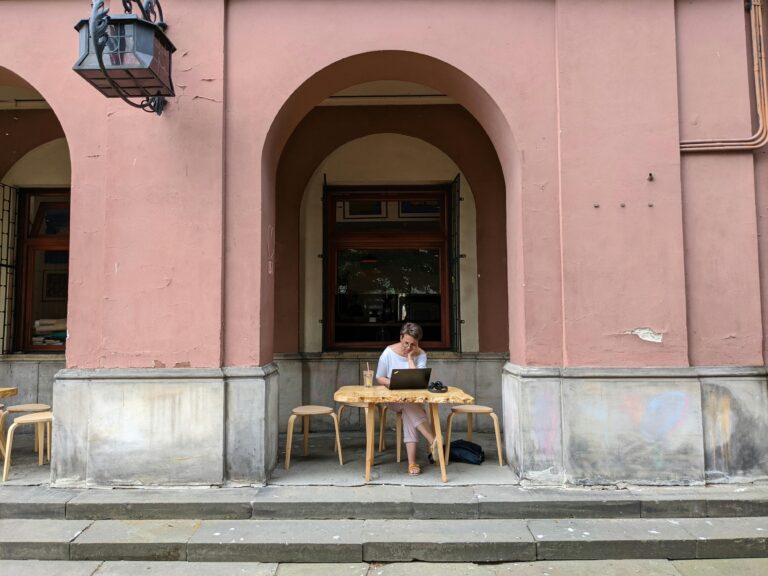
I remember that I once seriously considered moving to Malta and working remotely from there. During my very first week on the island, I was completely charmed by it. Everywhere I looked felt beautiful. The architecture looked cinematic, the sea was always nearby, and there was this strange feeling of permanent vacation that made everyday life feel lighter. I loved how many cafés there were where people worked remotely for hours with laptops open while the sun reflected off old limestone buildings outside. Malta initially felt like one of those rare places where life somehow becomes slower and more aesthetic at the same time — almost like the emotional contrast people describe when discussing small town vs big town living and the psychological difference between calmer coastal places and overwhelming megacities.
But then reality slowly appeared in front of me.
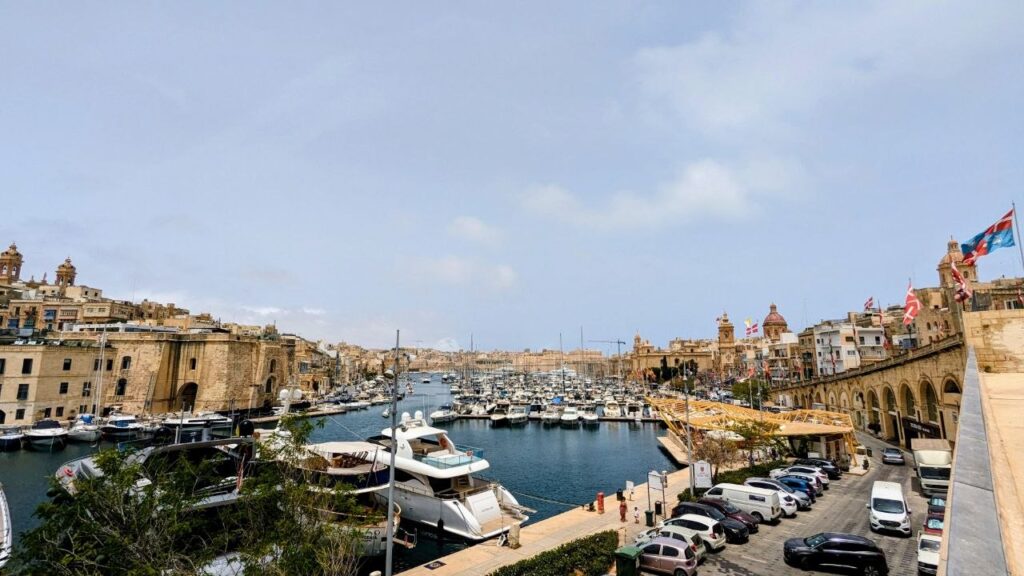
The prices were much higher than I expected. Rent felt surprisingly expensive for such a small island. And once I started researching legal residency, paperwork, and long-term living logistics, my romantic image of Malta started changing very quickly. The island that originally felt effortless suddenly began looking much more complicated and emotionally expensive long term. And honestly, after that, I changed my opinion completely.
After analysing dozens of Reddit discussions from long-term expats, remote workers, foreign professionals, and even Maltese locals themselves, I realised my experience was actually very common.
The real question is not simply where do most expats live in Malta. The real question is which areas still allow people to maintain a decent quality of life once the holiday feeling disappears and daily reality begins.
Because this is where Malta becomes emotionally complicated.
For some people, the island becomes one of the best lifestyle decisions they ever made. For others, it turns into a place that slowly drains them through traffic, overcrowding, noise, bureaucracy, construction, and constant low-level stress that tourists rarely notice during a short visit.
The truth is that Malta is no longer just a small Mediterranean island. It has become a strange mix of digital nomad hotspot, financial services hub, iGaming economy, tourism machine, and rapidly expanding expat destination all compressed into one of the smallest countries in Europe. That pressure has changed the island dramatically over the past decade, and nowhere is that transformation more visible than in the places expats choose to live.
Is Malta Good for Expats?
Before talking about the best cities for expats in Malta, it is important to understand something that appears constantly in expat discussions online.
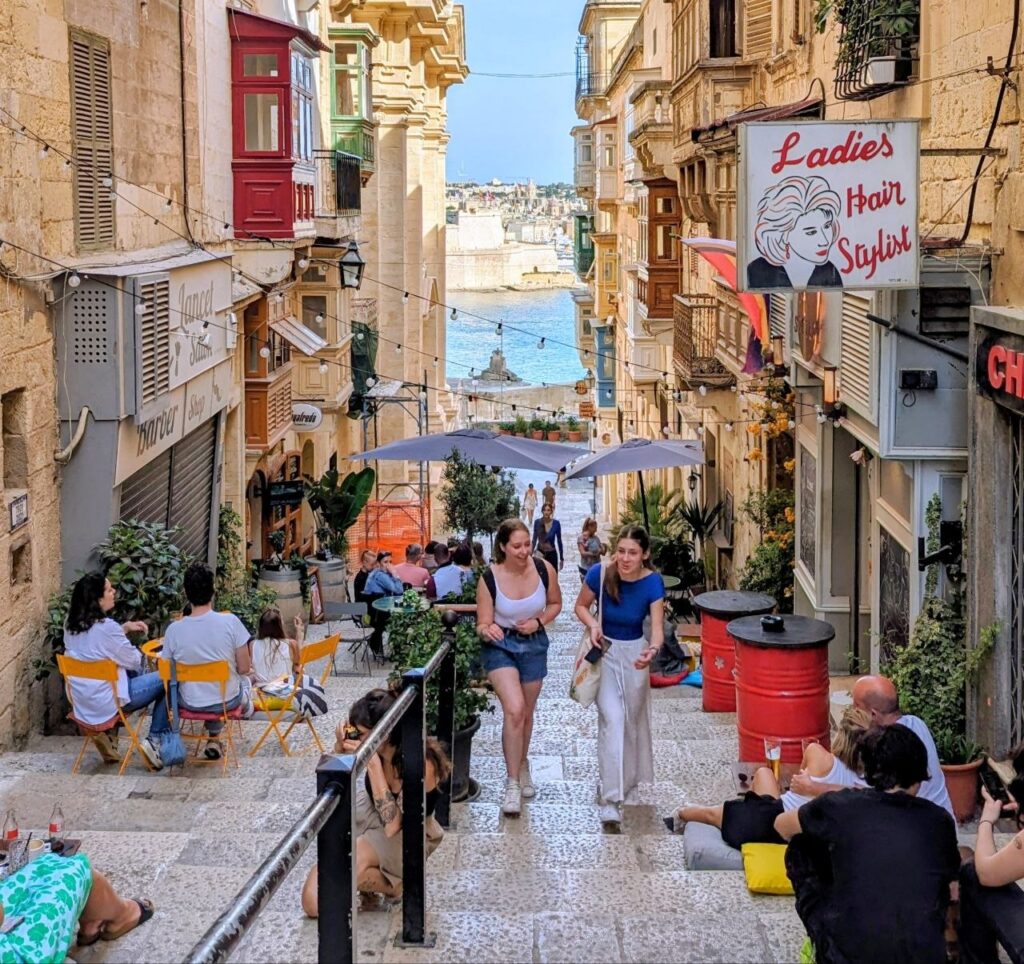
People do not experience Malta in the same way.
Your experience here depends almost entirely on:
It depends on:
• Your salary
• Your expectations
• Your tolerance for chaos
• Your work location
• How much daily convenience matters to you psychologically
Expats earning international salaries while working remotely often describe Malta as exciting, social, sunny, and full of energy. They enjoy the café culture, swimming after work, international community, nightlife, and easy travel around Europe.
But many long-term residents describe something else entirely. They talk about mental exhaustion from traffic, endless construction, overcrowded roads, unreliable infrastructure, poor urban planning, and the feeling that even simple daily tasks require too much effort.
One Reddit user described Malta perfectly as a place where “nothing completely breaks, but everything slowly drains your energy.”
That sentence captures the emotional tone of many discussions about Malta for life.
The island can feel magical if your lifestyle matches it correctly. But if your daily routine depends heavily on commuting, organisation, quietness, or predictable systems, Malta can become frustrating surprisingly fast.
That is why choosing the right area matters more here than in many other countries.
Where Do Most Expats Live in Malta?
The majority of expats moving to Malta end up concentrated around a relatively small part of the island.
The Most Common Expat Areas Include:
• Sliema
• St Julian’s
• Gzira
• Msida
• Ta’ Xbiex
• Swieqi
There are obvious reasons for this.
Most international companies, iGaming firms, financial services offices, and co-working spaces are located nearby. These areas are also highly walkable compared to the rest of Malta and offer easier access to cafés, restaurants, gyms, supermarkets, nightlife, and social circles, which is one of the reasons Malta has become increasingly attractive for digital nomads and remote workers worldwide.
For newcomers, this convenience initially feels ideal.
But interestingly, many long-term expats later move away from these exact locations.
Why?
Because the same areas that feel exciting at first eventually become associated with:
The Most Common Complaints Include:
• Heavy traffic
• Noise
• Construction
• Overcrowding
• Lack of parking
• Constant overstimulation
This creates a very noticeable migration pattern inside Malta itself. People often arrive in the “popular” expat zones, then gradually search for calmer areas once they understand how the island actually functions day to day.
Best Places for Expats in Malta Who Want Social Life and Convenience
Sliema
Sliema remains one of the most popular answers when people ask where to live in Malta as an expat.
And honestly, it makes sense.
If you want:
• Walkability
• Seaside cafés
• Gyms
• International restaurants
• Quick access to offices
• Networking opportunities
• Nightlife nearby without necessarily living inside it
Many expats choose Sliema specifically because it reduces dependence on Malta’s transport system. That alone can dramatically improve quality of life.
But Sliema also represents modern Malta at its most intense.
The area is busy almost constantly. Construction is common. Rent prices remain high. During summer, tourists flood the area heavily. Finding peace and quiet can become difficult, especially if you are sensitive to noise or overstimulation.
Several expats online describe Sliema as a place they enjoy socially but struggle with emotionally long term.
It Works Best For:
• Younger professionals
• Remote workers
• Highly social people
• Newcomers wanting easy integration
It Works Less Well For:
• Families
• People seeking calmness
• Anyone dreaming of a quiet Mediterranean lifestyle
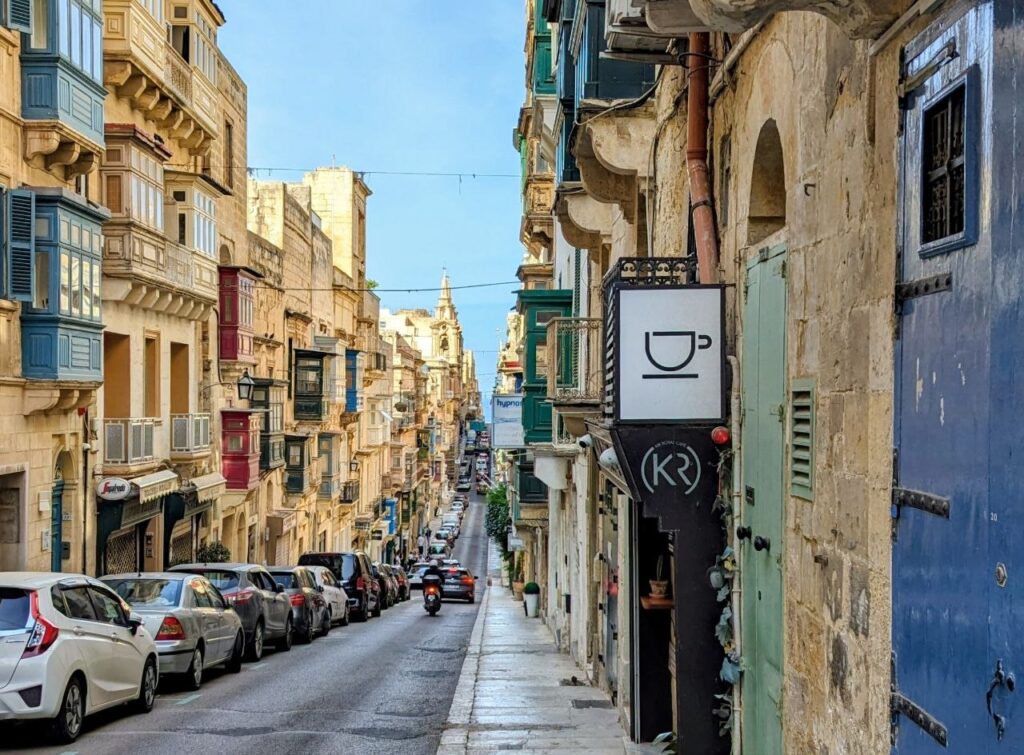
Gzira
Gzira has become one of the strongest “practical compromise” areas for expats.
It sits close enough to Sliema and Ta’ Xbiex to remain convenient for work, while often feeling slightly more residential and less tourist-heavy.
Many expats appreciate:
• Easier access to offices
• Slightly lower prices
• Decent café culture
• Walkability
• Central positioning
But Gzira also suffers from some of Malta’s biggest structural problems:
• Dense construction
• Traffic
• Noise
• Overcrowding
People who thrive in Gzira usually prioritise convenience over aesthetics.
Best Places for Expats to Live in Malta for Quietness and Balance
This is where the conversations become more interesting.
When expats stay longer in Malta, many begin recommending completely different areas from the typical relocation blogs online.
Instead of promoting the busiest coastal zones, they start talking about:
📍 Naxxar
📍 Balzan
📍 Attard
📍 Lija
📍 Gharghur
📍 Siggiewi
These places repeatedly appear in Reddit discussions as “emotionally easier” places to live.
Naxxar
Naxxar is probably one of the strongest answers for people searching for the best places for expats in Malta long term.
Expats consistently describe it as:
• Central
• Calmer
• Practical
• Family-friendly
• Connected without being overwhelming
Unlike Sliema or St Julian’s, Naxxar still feels more like a residential town rather than a constantly moving tourism zone.
People mention:
• Cafés
• Supermarkets
• Schools
• Quieter streets
• Easier parking
• More space
• Less chaos
It still provides relatively easy access to major work hubs without forcing residents into the most stressful parts of island life.
Many long-term expats describe Naxxar as the point where Malta finally starts feeling sustainable rather than exciting.
Attard, Balzan and Lija
These central towns appear repeatedly in discussions from families and older expats.
The atmosphere changes noticeably here.
The streets feel calmer. The buildings feel more residential. The lifestyle becomes slower and more stable. These areas are often associated with:
• Local cafés
• Greenery
• Family homes
• Quieter evenings
• Traditional neighbourhood feeling
For expats wanting a more peaceful version of Malta while still staying connected to the island’s main business areas, these towns often become the most recommended compromise.
They are not exciting in the influencer sense.
But that is exactly why many people eventually prefer them.
The Hidden Reality of Gozo
Almost every major Malta expat discussion eventually mentions Gozo.
And emotionally, Gozo represents something very important.
It represents the version of Malta many people hoped to find originally.
People describe Gozo as:
- cleaner,
- slower,
- calmer,
- greener,
- less crowded,
- more connected to nature.
Expats there often speak about:
- hiking,
- swimming,
- outdoor life,
- reduced stress,
- community feeling.
For remote workers especially, Gozo can feel dramatically healthier mentally.
But there is also a trade-off.
Living in Gozo means accepting partial isolation from Malta’s business and social hubs. Ferry dependency becomes part of life. Career flexibility can become harder. And despite its calmer atmosphere, Gozo is becoming more expensive every year as more people search for a quieter island lifestyle. Malta’s official statistics show that the Residential Property Price Index rose by 5.7% year-on-year in Q1 2025, which reflects the wider pressure on housing across Malta and Gozo.
Still, for many long-term residents, Gozo symbolises something larger:
a slower Mediterranean lifestyle that the main island is gradually losing.
Why Malta Creates Such Divided Opinions
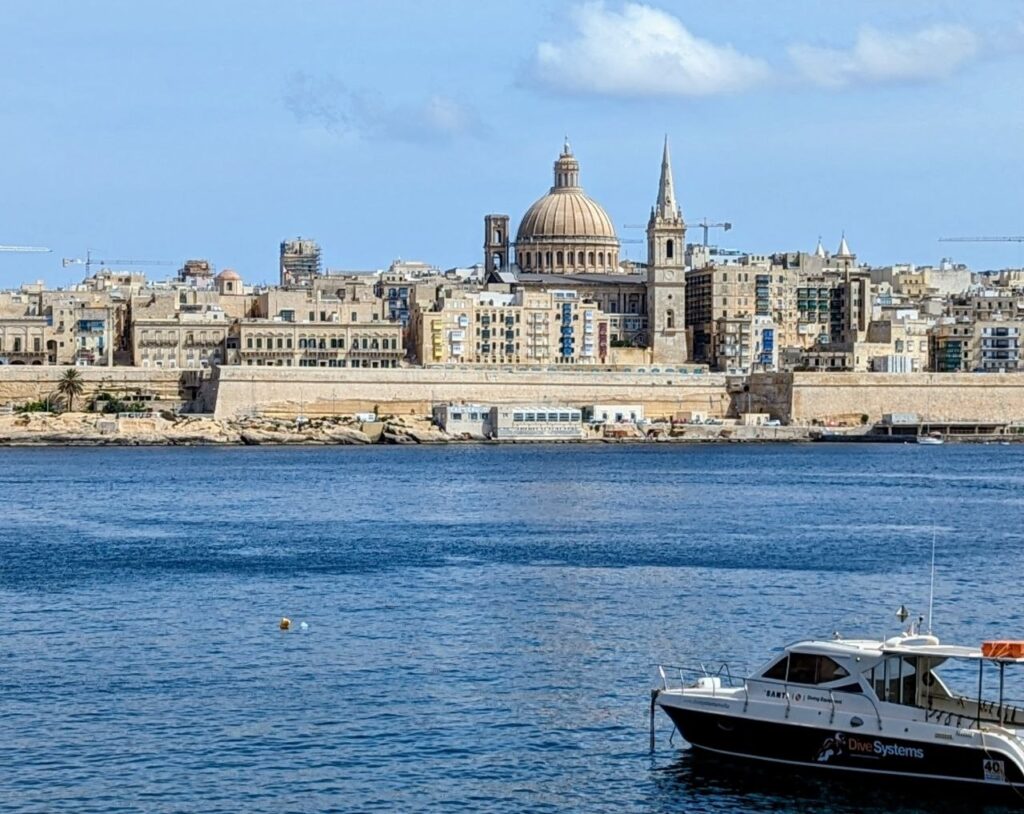
What makes Malta fascinating is how emotionally polarising it has become.
Some expats absolutely love it.
Others become deeply frustrated after a few years.
And strangely, both groups are often describing the same island.
Malta rewards people who:
- value weather over infrastructure,
- prioritise social life,
- adapt easily,
- work remotely,
- earn above-average salaries,
- can minimise commuting.
But it becomes exhausting for people who highly value:
- urban planning,
- efficiency,
- walkability,
- quietness,
- organisation,
- predictable systems.
That is why some expats describe Malta as paradise while others describe it as mentally draining.
Both experiences are real.
Malta for Life
The biggest mistake people make before relocating is imagining Malta as a permanent holiday destination.
It is not.
Malta works best when approached realistically rather than romantically.
The island offers:
Why So Many Expats Choose Malta:
• Incredible weather
• Strong international communities
• English-speaking convenience
• Beautiful sea access
• European mobility
• Social energy
• A lifestyle many people genuinely enjoy
But it also demands compromise.
The best places for expats in Malta are ultimately the places that reduce friction in your daily life. The people happiest here are usually not the ones chasing the “most exciting” neighbourhoods. They are the ones who carefully designed a lifestyle that protects their energy from the island’s most stressful elements.
And that may be the most important lesson hidden inside all those Reddit discussions.
In Malta, your quality of life is often decided less by the island itself and more by whether you chose the right corner of it.
FAQ
Is Malta a good place for expats?
Malta can be an excellent place for expats, especially those who value warm weather, English-speaking environments, Mediterranean lifestyle, and easy access to Europe. However, long-term satisfaction often depends on income level, housing costs, commuting needs, and choosing the right area to live.
What are the best places for expats in Malta?
Popular expat areas include Sliema, Gzira, St Julian’s, Msida, and Ta’ Xbiex for convenience and social life. For people seeking a quieter lifestyle, Naxxar, Attard, Balzan, Lija, and Gozo are often recommended by long-term residents.
Where do most expats live in Malta?
Most expats live in the central and northeastern parts of Malta, particularly around Sliema, Gzira, St Julian’s, Swieqi, and Ta’ Xbiex. These areas are close to international companies, coworking spaces, restaurants, nightlife, and expat communities.
Is Malta good for digital nomads?
Yes. Malta remains attractive for digital nomads because of its climate, café culture, international community, English-speaking environment, and reliable internet. However, some remote workers eventually become frustrated with rising costs, traffic, and overcrowding.
What is the best area to live in Malta for remote workers?
The answer depends on lifestyle preferences. Sliema and Gzira are often preferred by social remote workers who enjoy convenience and networking. Naxxar, Attard, and Gozo are frequently recommended for people seeking a calmer and more sustainable long-term lifestyle.
Is Malta expensive for expats?
Many newcomers are surprised by how expensive Malta has become. Housing costs, rent, dining, and everyday expenses have increased significantly over the past decade. While Malta may still be cheaper than some major Western European cities, it is no longer considered a low-cost destination.
What are the disadvantages of living in Malta?
Common complaints from expats include traffic congestion, construction noise, overcrowding, limited public transport efficiency, rising property prices, and urban development that sometimes outpaces infrastructure improvements.
Is Gozo better than Malta for expats?
Many expats prefer Gozo for its slower pace, cleaner environment, lower stress levels, and stronger sense of community. However, living in Gozo often means accepting fewer career opportunities, fewer social events, and dependence on ferry connections to the main island.
Why do expats have mixed opinions about Malta?
Malta tends to amplify personal priorities. People who value sunshine, social life, international communities, and flexibility often love living there. Those who prioritize efficiency, quietness, urban planning, and predictable systems may find daily life more frustrating.
Is Malta worth moving to in 2026?
For many expats and remote workers, yes. Malta continues to offer attractive weather, European residency opportunities, English-speaking convenience, and a strong international community. However, success often depends on realistic expectations rather than viewing the island as a permanent holiday destination.
What is the best town in Malta for families?
Attard, Balzan, Lija, and Naxxar are frequently recommended for families because they offer quieter residential environments, schools, local amenities, and a slower pace of life compared to the busier coastal expat hubs.
How do I choose the right place to live in Malta?
The best approach is to focus on your daily lifestyle rather than the most popular locations. Consider your work situation, commute, budget, social needs, tolerance for noise, and long-term goals. In Malta, choosing the right neighborhood often has a bigger impact on quality of life than choosing the island itself.
This article combines personal observations from travelling in Malta, independent editorial research, and discussions from expats, remote workers, and long-term residents living on the islands.
Research sources included:
- First-hand travel observations from Malta and Gozo.
- Community discussions and personal experiences shared on Reddit by expats, digital nomads, and residents.
- Economic, demographic, and quality-of-life insights published by the World Economic Forum.
- Population, housing, and social statistics published by Malta’s National Statistics Office (NSO Malta).
The goal is to provide realistic insights into expat life in Malta, including lifestyle, housing, affordability, community, and the practical realities of living on a small Mediterranean island.

Written by
Anna
Founder of The City Theory — writing about digital nomad lifestyle, modern city culture, remote work, travel experiences, psychology, and human behavior around the world.