How I Visited the Maldives on a Budget: What 4 Days Really Cost Me
Ever since I was a child, I dreamed of visiting the Maldives. The islands seemed almost mythical because they appeared everywhere I looked—travel agency posters, Instagram photos, postcards in souvenir shops, and of course those famous Bounty chocolate commercials. For years I genuinely believed the Maldives were reserved for millionaires, honeymooners and celebrities. If someone had asked me back then whether a Maldives on a Budget trip was possible, I would have laughed and said absolutely not.
That changed after I moved to Dubai. I kept hearing colleagues casually mention that they were flying to the Maldives for a long weekend. At first I assumed they were earning far more than I was, but eventually curiosity got the better of me. One evening I opened a flight search website just to see what tickets actually cost. I expected to close the page immediately after seeing four-digit prices. Instead, I found return flights with Etihad for around AED 600 per person. It completely changed the way I thought about the destination. Suddenly, what had felt impossible for most of my life looked surprisingly realistic. It also made me understand why many remote workers eventually look beyond Dubai for a lower-cost lifestyle while still taking advantage of how well connected the UAE is to destinations like the Maldives.
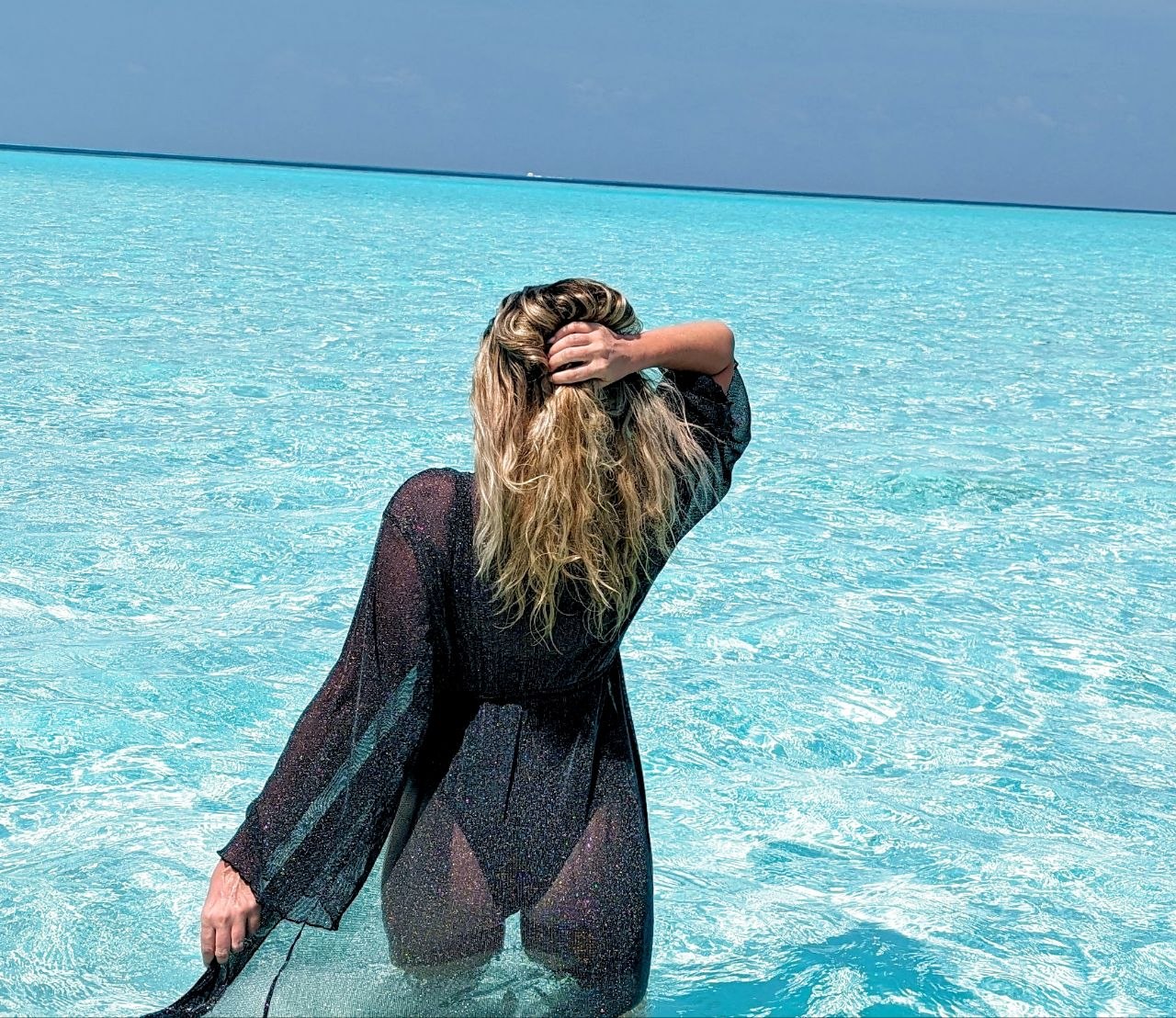
I wasn’t trying to create the cheapest possible trip, nor did I want to pretend I was backpacking through the islands on an incredibly small budget. I wanted a comfortable holiday that still made financial sense. Looking back now, the biggest surprise wasn’t how beautiful the Maldives were. It was discovering that an affordable Maldives vacation was actually possible without sacrificing the experience that had fascinated me since childhood. The only thing I wish I had planned better was choosing the right outfit for the flight and tropical climate, especially knowing how quickly the weather changes between an air-conditioned cabin and the intense heat and humidity of the islands.
Flights from Dubai: Much Cheaper Than I Expected
The first thing that convinced me to book the trip was the flight price. Living in Dubai makes a huge difference because the Maldives are only a relatively short flight away. We booked round-trip Etihad tickets for approximately AED 600 each, which honestly cost less than some weekend trips I’ve taken to Europe.
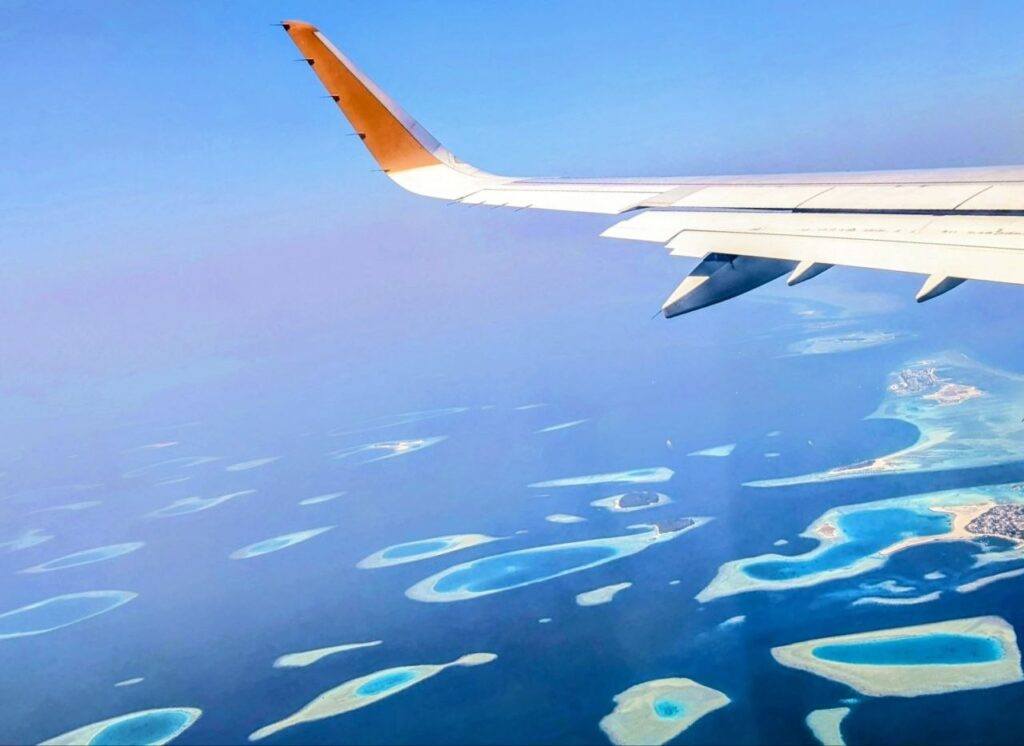
That price completely changed my perception of budget travel Maldives. When people calculate the cost of visiting from Europe or North America, flights often become the biggest expense. Flying from the UAE is different. The short flight distance and strong competition between regional airlines on well-established Middle East aviation routes mean that tickets are often much cheaper than most people expect, especially if you’re flexible with your travel dates.
For anyone wondering is Maldives expensive, my answer is that it depends heavily on where you’re flying from. Starting in Dubai removes one of the biggest financial obstacles.
Day 1: Arrival and Why We Chose Maafushi
Before booking accommodation, we had to answer one important question.
Would we stay at one of the famous luxury resorts, or would we choose one of the local islands Maldives are becoming known for?
The answer was easy once we started researching.
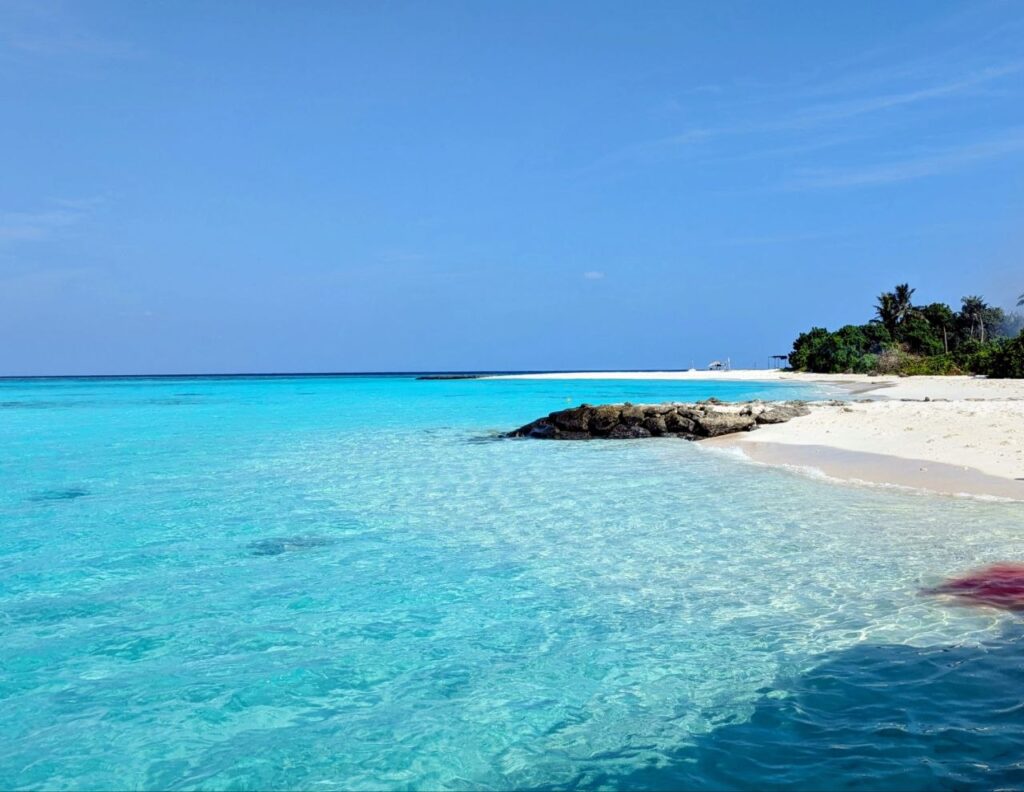
We chose Maafushi, and I would probably make exactly the same decision again.
Maafushi has become one of the most popular local islands because it offers something that private resorts don’t: normal life. People actually live there. There are small cafés, supermarkets, local restaurants, dive shops, souvenir stores and children riding bicycles through the streets. Instead of feeling isolated on a tiny private island, you get a much better sense of everyday life in the Maldives.
The island is also incredibly easy to explore on foot. Within a few minutes you can walk from one side to the other, which means you never need taxis or additional transport. Most hotels, restaurants and excursion offices are within walking distance of each other, making it an excellent choice for anyone planning a budget Maldives itinerary.
Another reason we picked Maafushi was the number of excursion companies. Almost every day there were boats leaving for snorkelling trips, sandbanks, resort day passes and dolphin cruises. Staying on a resort island would have meant paying significantly more for similar activities.
If someone asks me about the cheapest island in Maldives, I wouldn’t necessarily say Maafushi is the absolute cheapest, because there are smaller local islands with even lower accommodation prices. However, I do think it’s one of the best value choices because it combines affordability with plenty of restaurants, hotels and activities.
Our Hotel: Kaani Palm Beach
For accommodation we chose Kaani Palm Beach, one of the better-known hotels on Maafushi.
There were three of us sharing one room, which made a noticeable difference to the overall budget. The room cost around $400 in total for our stay, including breakfast, so the price per person was much lower than many people imagine when they think about the Maldives.
One of the biggest advantages was the location. The hotel sits directly opposite the beach, so every morning we only had to cross a small road before reaching the water. The rooftop infinity pool also became one of our favourite places to relax in the evenings after spending hours in the sun.
Breakfast was included, which saved us both money and time. It wasn’t the kind of luxury buffet you’d expect from a five-star private resort, but there was enough variety to start the day without immediately looking for a café.
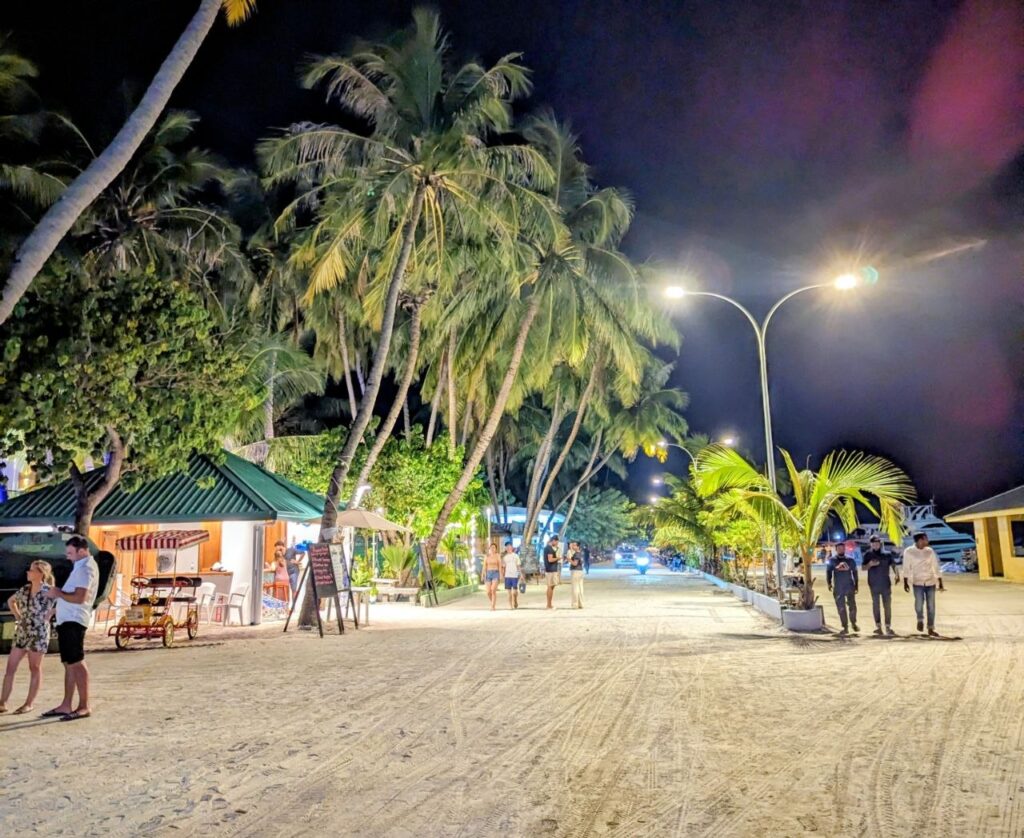
Of course, it wasn’t perfect. Because Kaani Palm Beach is one of the largest hotels on the island, breakfast could become quite busy during peak hours. Elevators sometimes took longer than expected, and the hotel naturally felt more commercial than a small guesthouse.
Even so, I still think it offered excellent value. If you’re looking at budget hotels Maldives has to offer without wanting to compromise on comfort or location, I’d happily recommend it.
How Much We Spent on Food
One thing that surprised me was how reasonable food prices were once we left the idea of resort restaurants behind. Since breakfast was already included at Kaani Palm Beach, we only had to pay for lunch, dinner and the occasional coffee or cold drink during the day.
Most of our meals were in local cafés and small restaurants around Maafushi. A typical lunch or dinner usually cost somewhere between $8 and $15 per person, depending on whether we ordered seafood or something simpler like fried rice, noodles or grilled chicken. Fresh fruit juices were everywhere and generally cost around $3–5, while soft drinks and bottled water were inexpensive.
We never felt like we had to compromise just because we weren’t eating at luxury resorts. In fact, some of our favorite meals came from small family-run restaurants where the food felt much more authentic than the polished menus aimed at honeymooners. Looking back, I would estimate our food budget at around $35–45 per person per day, including drinks and the occasional dessert.
If you’re planning a cheap trip to Maldives, eating on local islands instead of private resorts is probably one of the easiest ways to keep your budget under control.
Day 2: The Shark Snorkelling Tour
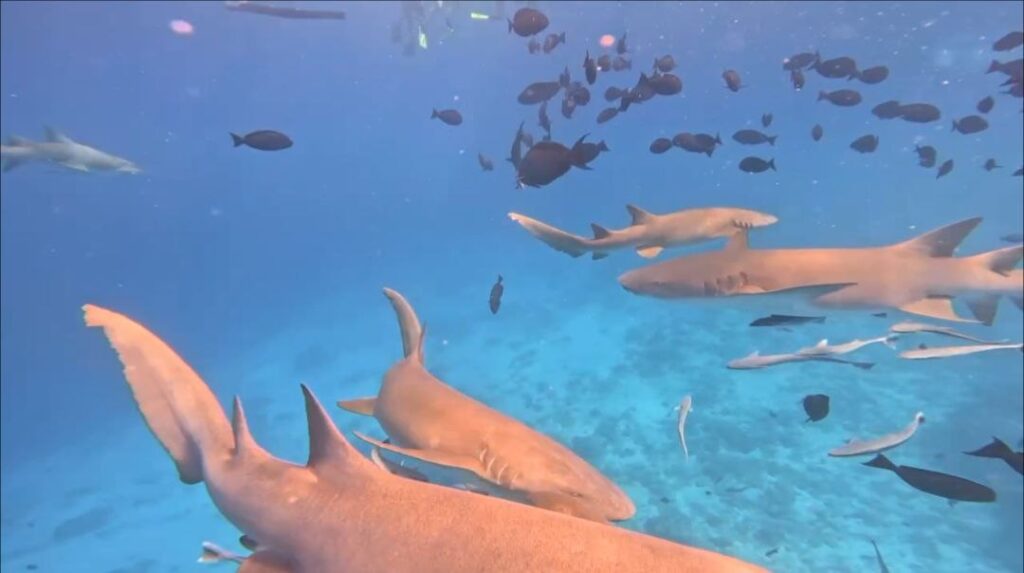
If I had to recommend only one excursion from the entire trip, this would probably be it.
We booked a full-day snorkelling tour that cost approximately $60 per person, and considering everything that was included, I still think it was one of the best value activities of the holiday.
The first stop was the famous nurse shark area. Before arriving, I wasn’t entirely sure what to expect, but seeing dozens of sharks calmly swimming around us was unforgettable. Nurse sharks are generally harmless to people, but being surrounded by so many at once is still an experience that gets your heart racing for the first few minutes.
The tour didn’t stop there. We also snorkelled around a shipwreck covered with coral and surrounded by colourful tropical fish. At another stop we saw stingrays gliding across the sandy bottom in surprisingly shallow water, and throughout the day we visited several tiny sandbanks and deserted islands that looked exactly like the Maldives I had imagined as a child.
There was one downside.
The boat was quite crowded.
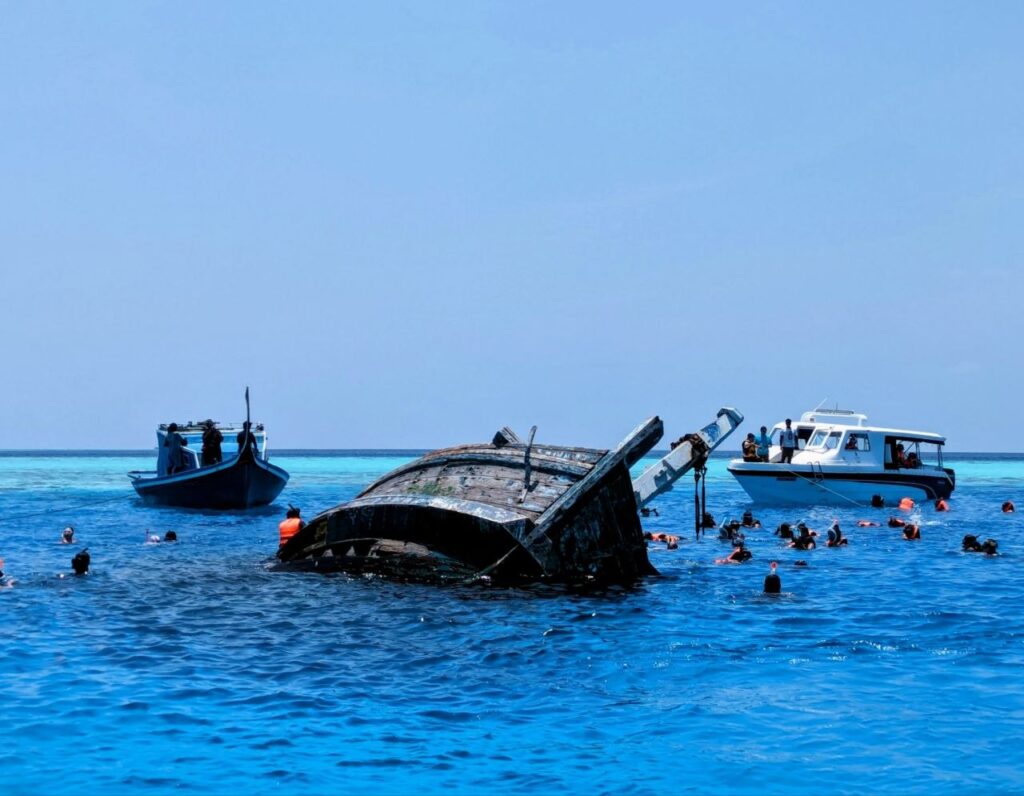
That seems to be common on many budget excursions, especially during busy travel periods. It never completely ruined the experience, but there were moments when I wished there had been fewer people in the water at the same time.
The other thing I underestimated was the sun.
Even though you’re swimming, the tropical sun reflects off the water all day long. I strongly recommend wearing a UV-protection T-shirt or rash guard while snorkelling. Several people on our boat ended the day with severe sunburn, and it’s much easier to prevent than to spend the rest of the holiday trying to recover.
Day 3: Was the Luxury Resort Day Pass Worth It?
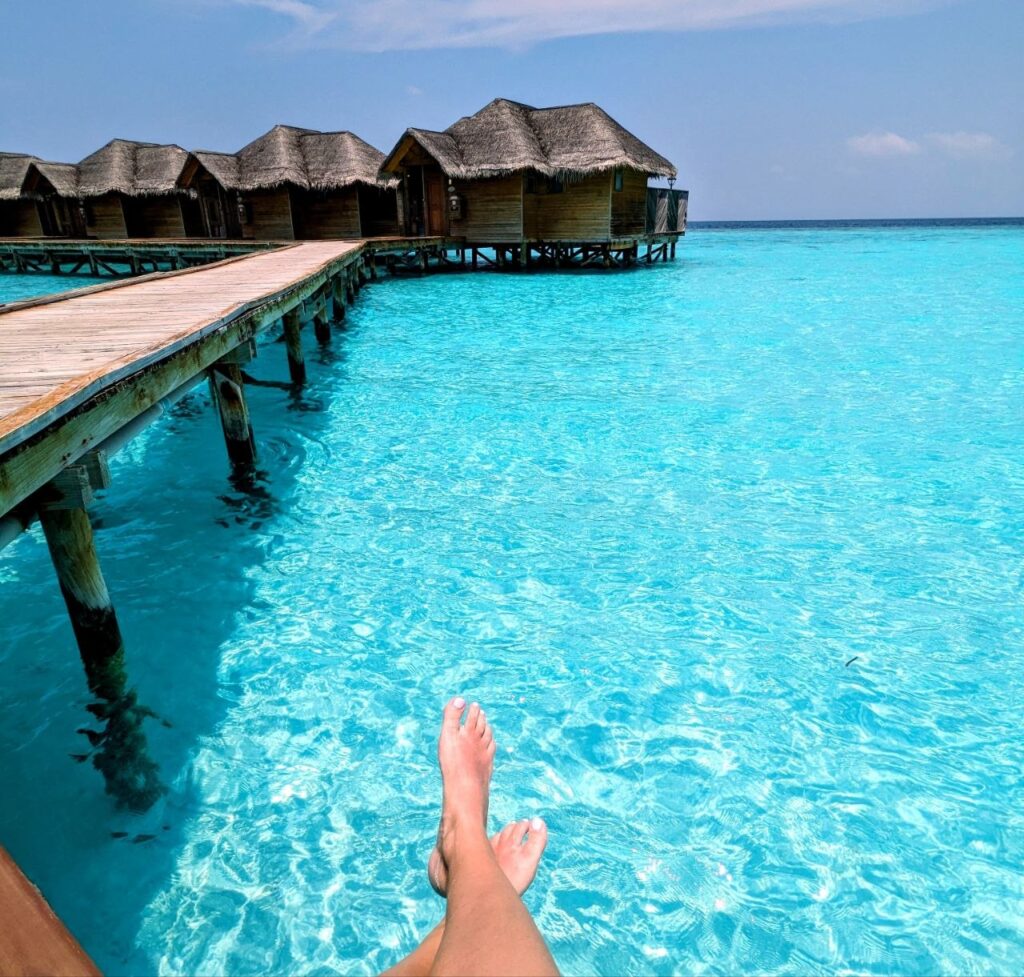
One thing I didn’t want to regret was leaving the Maldives without ever seeing one of the famous luxury resorts.
Instead of paying several thousand dollars to stay overnight, we booked a day pass that cost around $100 per person.
For me, this was the perfect compromise.
The pass included access to the beach, swimming pool, unlimited food and drinks, including alcohol, which isn’t generally available on local islands because of local regulations.
The difference between the resort and Maafushi was immediately obvious.
Everything felt quieter.
The beaches were almost empty.
Staff seemed to outnumber guests.
Most visitors were couples celebrating honeymoons or anniversaries, and the atmosphere was much calmer than on the busy public beaches.
It was also the best place for photography. The iconic overwater villas, turquoise lagoons and white sand beaches looked exactly like the postcards that had made me dream about the Maldives for so many years.
Was it worth paying for?
I honestly think yes.
Would I spend several nights there?
Probably not.
Experiencing a luxury resort for one day gave me everything I wanted without completely changing my Maldives travel budget. I left feeling satisfied rather than wondering what I had missed.
Day 4: Our Last Day in Malé
Instead of risking missing our return flight, we decided to spend our final night in Malé.
We took a boat back from Maafushi during the afternoon and booked a simple hotel that cost around $50 total for the three of us. It wasn’t luxurious, but it was clean, comfortable and perfectly adequate for one night before flying home.
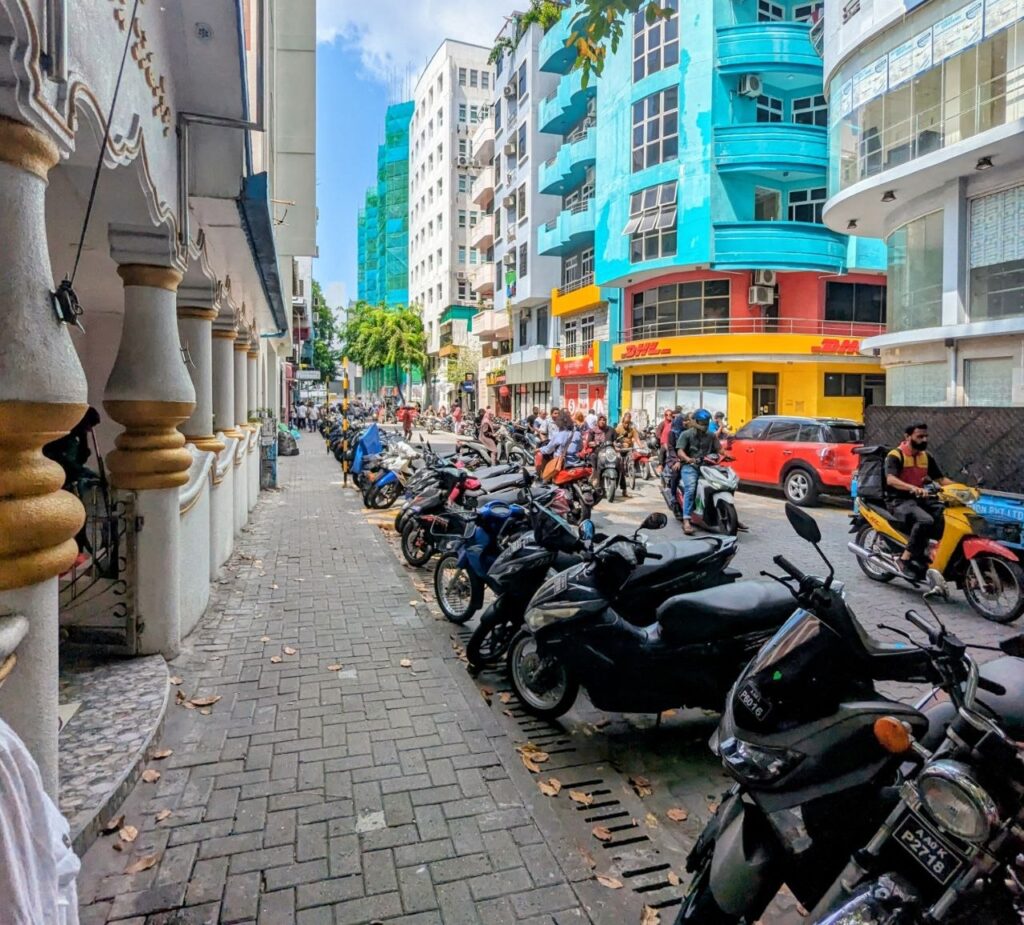
Walking around Malé felt completely different from the rest of the trip.
After several quiet days on Maafushi, the capital suddenly felt busy and energetic. Motorbikes seemed to be everywhere. Narrow streets were filled with local shops, cafés and people going about their daily lives. It was interesting because it reminded me that the Maldives isn’t only luxury resorts and beaches—it’s also a country where people live and work every day.
That evening we wanted to have one final drink before leaving.
Because alcohol isn’t generally available on local islands, we went to Hulhule Island Hotel, located near the airport. It’s one of the few places where visitors staying on local islands can realistically enjoy a drink without booking an expensive resort.
The outdoor terrace overlooking the water was a great place to end the trip. There was a swimming pool, a relaxed atmosphere and even live music later in the evening. It wasn’t something we had originally planned, but it turned out to be one of those small memories that stayed with me long after returning home.
The Unexpected Expenses Nobody Talks About
When people calculate how much does a Maldives trip cost, they usually look at flights and hotels first. That’s exactly what I did, and I completely overlooked all the smaller expenses that slowly add up over four days.
The biggest one was transport between the airport and Maafushi. Depending on your arrival time, you’ll either use the public ferry or a speedboat. Public ferries are much cheaper but operate on limited schedules, while speedboats are faster and far more convenient if your flight doesn’t line up with the ferry timetable. We chose the speedboat because it saved several hours, but it also became one of the largest extra costs of the trip.
There were also small taxes, drinks throughout the day, sunscreen, snacks, souvenirs and little things you don’t think about before leaving home. I don’t remember every receipt, so the figures below are approximate and based on typical prices that travelers pay today rather than exact amounts from my trip.
Here’s a rough idea of the unexpected costs per person:
None of these expenses is particularly large on its own, but together they can easily add another $100–150 to your total if you aren’t expecting them.
Where You Can Save Money
If I planned exactly the same trip again, there are several places where I would happily save money because they don’t reduce the overall experience very much.
The biggest saving comes from staying on Maafushi or another local island instead of booking an expensive resort. That single decision cuts thousands of dollars from the cost while still allowing you to swim in crystal-clear water, join snorkelling tours and even spend a day at a luxury resort if you want to.
Sharing a room also made a noticeable difference. Since there were three of us, accommodation became much more affordable without feeling crowded.
Food is another easy place to save. Local restaurants serve generous portions for reasonable prices, and honestly, we rarely felt like we were missing anything by skipping resort dining.
Finally, compare excursion companies before booking. Most offer very similar trips, but prices can vary depending on the season and what’s included.
Where You Shouldn’t Try to Save Money
Some things simply aren’t worth cutting from the budget.
Travel insurance is one of them. Nothing happened during our trip, but boat excursions, water sports and international travel always involve some risk. Compared to the overall cost of the holiday, insurance is inexpensive.
I also wouldn’t try to save money on sun protection.
The Maldivian sun is far stronger than many first-time visitors expect, especially when you’re spending hours on a boat. Good sunscreen, sunglasses and a UV-protection shirt are much cheaper than dealing with painful sunburn for the rest of your holiday.
If you plan to snorkel frequently and already own good-quality equipment that fits properly, bringing your own mask can also make the experience much more enjoyable. Rental equipment is generally fine, but comfort matters when you’re spending long periods in the water.
Finally, don’t automatically book the absolute cheapest accommodation available. A clean room, reliable air conditioning and a good location can make a surprisingly big difference after a full day in tropical heat.
My Complete Maldives Cost Breakdown
The figures below combine the prices I remember with realistic estimates based on current costs where I no longer have exact receipts. They’re intended to answer the question I was asking before I booked the trip: how much money do you need for Maldives?
Estimated Total Per Person: approximately $700–800
Of course, you could spend much less or considerably more.
If you skip the luxury resort day pass and choose public ferries instead of speedboats, the total drops noticeably. On the other hand, staying at a private resort for even one night could easily double or triple the overall budget.
For me, this Maldives cost breakdown felt like the right balance. It wasn’t backpacking, but it also wasn’t the luxury version of the Maldives that dominates Instagram.
Can You Visit the Maldives Without Staying in a Resort?
Before this trip, I honestly thought the answer was no.
Every photo I had ever seen of the Maldives showed overwater villas, private pools and luxury resorts that cost more per night than my monthly rent when I was younger. It never occurred to me that an entirely different side of the country existed.
After spending four days on Maafushi, my answer is simple: yes, you absolutely can visit the Maldives without staying in a resort.
The experience is different, but not necessarily worse.
On a local island, you’ll see children riding bicycles after school, fishermen bringing in their catch, cafés filled with residents and tourists sitting together, and small family-run businesses instead of perfectly curated luxury experiences. It feels more like visiting a real community than staying inside a private resort bubble.
Of course, there are compromises.
The beaches on local islands are generally smaller, alcohol isn’t freely available because of local laws, and you’ll share parts of the island with residents going about their everyday lives. Luxury resorts offer more privacy, quieter beaches, premium service and those iconic overwater villas that appear in every travel advertisement.
Personally, I think the combination worked perfectly. Staying on Maafushi allowed us to experience the Maldives at a realistic price, while the resort day pass satisfied my curiosity about the luxury side without destroying the budget.
If you’re planning your first Maldives on a Budget trip, I’d recommend exactly the same approach.
- Fly from Dubai to Malé.
- Take a speedboat transfer to Maafushi.
- Check into Kaani Palm Beach.
- Walk around the island.
- Swim at the beach and have dinner at a local restaurant.
- Join a full-day shark snorkelling excursion.
- Swim near nurse sharks.
- Snorkel around a shipwreck.
- See stingrays up close.
- Visit sandbanks and deserted islands.
- Return to Maafushi for dinner.
- Spend the day at a luxury resort using a day pass.
- Enjoy all-inclusive food and drinks.
- Relax by the pool and on the beach.
- Return to Maafushi for sunset.
- Take a morning speedboat to Malé.
- Explore the capital on foot.
- Visit Hulhule Island Hotel.
- Take an evening flight back to Dubai.
It never felt rushed, but we also never had time to get bored. If anything, I would probably add one extra day next time simply because four days passed much faster than I expected.
Would I Change Anything?
Looking back, there are only a few things I would do differently.
First, I would pack more sun protection. I underestimated just how intense the tropical sun becomes when you’re on a boat all day, surrounded by water reflecting the sunlight from every direction.
Second, I would probably spend one additional day on Maafushi. Four days were enough to convince me that the Maldives aren’t only for luxury travellers, but they weren’t quite enough to relax completely before flying home.
Finally, I would compare excursion companies more carefully. Most of them offer almost identical tours, and although we were happy with ours, I suspect it would have been possible to find a smaller group or slightly better itinerary for a similar price.
Those are relatively small things, though. None of them changed my overall impression of the trip.
FAQ
Is it really possible to visit the Maldives on a budget?
Yes. A Maldives on a Budget trip is absolutely possible if you stay on a local island instead of a private resort. Accommodation, food and excursions are much cheaper on islands like Maafushi, while flights from Dubai can often be surprisingly affordable, especially if you know how to find discounted last-minute airfare. You won’t get an overwater villa, but you’ll still enjoy beautiful beaches, snorkelling and the famous turquoise water.
Is the Maldives expensive?
The answer depends entirely on how you travel. Luxury resorts can easily cost several hundred or even thousands of dollars per night, which is why many people think the Maldives are unaffordable. However, local islands, guesthouses and budget hotels Maldives offer a completely different price range, making the destination accessible to ordinary travellers.
How much does a Maldives trip cost?
For our four-day trip, the total came to approximately $750–800 per person, including return flights from Dubai, accommodation, food, excursions, boat transfers and one night in Malé. Your Maldives cost breakdown may be lower if you use public ferries or skip the luxury resort day pass.
Can you visit the Maldives without staying in a resort?
Absolutely. One of the biggest surprises of our trip was discovering that you can visit Maldives without staying in a resort and still have an incredible experience. Local islands such as Maafushi offer comfortable hotels, beautiful beaches, snorkelling tours, cafés and easy access to nearby luxury resorts through day passes.
Which is the best local island for budget travellers?
For a first visit, I think Maafushi is one of the best local islands Maldives has for budget travellers. It has plenty of hotels, restaurants, excursion companies and regular speedboat connections from Malé, making it easy to organize a short holiday without spending a fortune.
How much money do you need for the Maldives?
If you’re travelling from Dubai and following a similar Maldives travel budget, I would plan on around $750–900 per person for four comfortable days. That includes flights, hotel, food, activities and transport. Backpackers can spend less, while travellers staying at resorts will usually spend much more.
Are four days enough for the Maldives?
Yes, especially if you’re travelling from Dubai. Our 4 day Maldives itinerary gave us enough time to explore Maafushi, go snorkelling with nurse sharks, spend a day at a luxury resort and visit Malé before flying home. If you have more time, I’d recommend adding one or two extra days simply to relax.
Is the luxury resort day pass worth it?
In my opinion, yes. Spending around $100 for a full day at a luxury resort let us experience the famous overwater villas, quiet beaches, unlimited food and drinks without paying resort accommodation prices. It was one of the highlights of the trip and something I would book again.
This article is based entirely on my own four-day trip to the Maldives from Dubai. Every hotel, excursion, opinion, recommendation and budget estimate comes from my personal experience. Where I no longer remembered an exact price, I checked current market rates to ensure the estimated costs remain realistic for travelers planning a similar trip today.
Research sources and planning tools included:
- My personal experience visiting Maafushi, Malé and a luxury resort during a four-day trip to the Maldives from Dubai.
- Accommodation research and price comparisons using Booking.com.
- Flight searches and airfare comparisons using Skyscanner.
- General aviation information and international air transport resources published by the International Air Transport Association (IATA).
The goal of this article is to show what a realistic four-day Maldives trip actually costs, what surprised me the most, where I saved money, where I would spend more next time, and whether visiting the Maldives on a budget is genuinely possible without staying at an expensive private resort.

Written by
Anna
Founder of The City Theory — writing about digital nomad lifestyle, modern city culture, remote work, travel experiences, psychology, and human behavior around the world.