
Best Places to Live in Beirut: 7 Neighborhoods Compared
Choosing where to live in Beirut is not as simple as picking the nicest-looking neighborhood or finding an apartment within your budget. Two streets in the same area can offer completely different living experiences, especially when it comes to traffic, nighttime noise, parking, electricity, and the condition of residential buildings. An apartment overlooking a busy street might look fantastic in photos, but living there becomes less appealing when you discover that getting home involves a daily parking battle or that the building’s backup generator doesn’t cover air conditioning.
The best places to live in Beirut depend on what your everyday routine looks like. Achrafieh works well for people who want a relatively central residential base, Hamra appeals to students and anyone who prefers having everything within walking distance, while Badaro and Mar Mikhael offer two very different versions of Beirut’s café and social scene. Then there are Verdun and Raouché, where apartment quality, shopping facilities, and proximity to the Mediterranean can matter more than nightlife.
This comparison focuses on what it’s actually like to live in seven Beirut neighborhoods, including the practical inconveniences that property listings tend to leave out, from unreliable electricity to traffic and parking problems. Before deciding where to settle, it’s also worth understanding the local culture and everyday routines, since adjusting to life in Lebanon involves much more than choosing the right apartment.
Best Neighborhoods in Beirut at a Glance
Rental prices in Beirut vary considerably depending on the building’s age, furnishings, backup electricity, parking, and whether the apartment is advertised for a short or long-term lease. Rather than presenting unverified neighborhood averages as current market rates, the table below focuses on the differences you can use to narrow your search.
| Neighborhood | Best For | Rent | Noise | Walkability |
|---|---|---|---|---|
| Achrafieh | Expats & professionals | Mid-range to expensive | Moderate; varies by street | Good |
| Hamra | Students & car-free living | Budget to mid-range; some expensive options | Moderate to high | Very good |
| Mar Mikhael | Singles & nightlife | Mid-range to expensive | High near nightlife | Good |
| Badaro | Professionals & quiet living | Mid-range to expensive | Low to moderate away from bars | Good locally |
| Gemmayzeh | Culture & social life | Mid-range to expensive | High near busy venues | Good |
| Verdun | Upscale living & families | Mid-range to expensive | Moderate on main roads | Good near shops |
| Raouché | Sea views & coastal walks | Mid-range to luxury | Moderate to high on main roads | Good near Corniche |
The best areas to live in Beirut depend on how you spend your days, not simply on which neighborhoods are the most popular. Among the best neighborhoods in Beirut, Achrafieh is a practical choice for many expats, Hamra appeals to people who prefer a busy and walkable environment, and Verdun offers a more residential atmosphere. If you’re wondering where expats live in Beirut, you’ll find international residents across several parts of the city rather than in one particular district. For newcomers comparing the best places to live in Beirut for expats, the right choice usually comes down to budget, commuting needs, and how much nightlife or quiet you want around your apartment.
1. Achrafieh — Best Overall for Expats
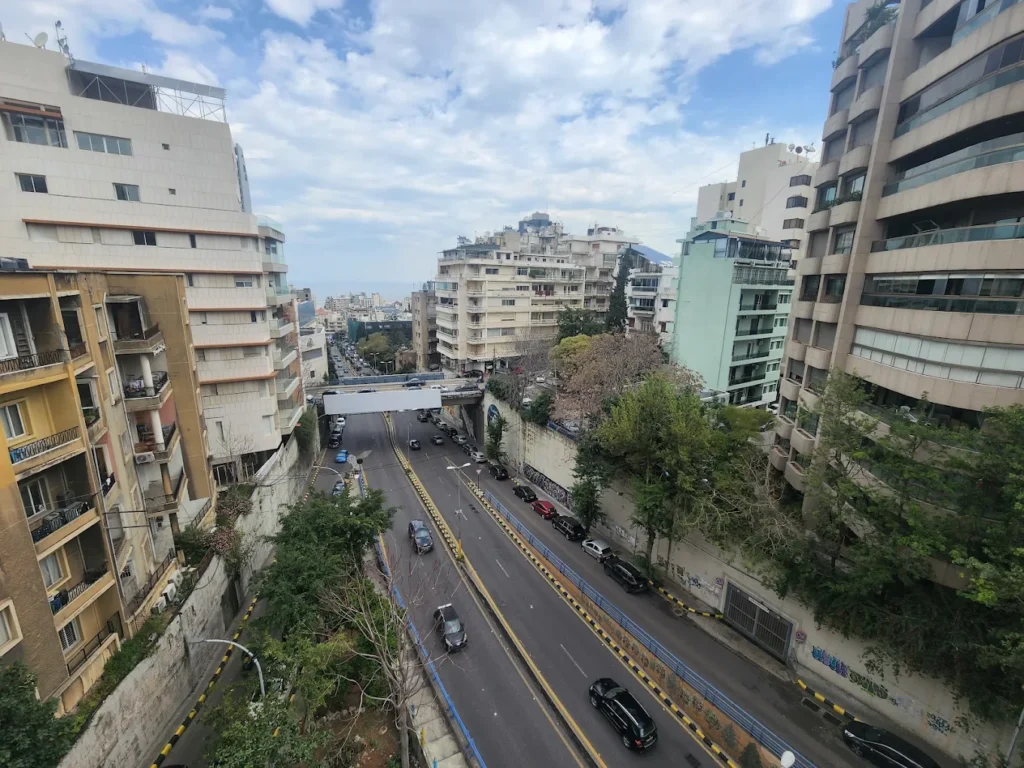
Achrafieh is one of the first neighborhoods worth considering if you’re moving to Beirut for work and want a reasonably central location without living directly in the middle of the city’s busiest nightlife. The area has supermarkets, pharmacies, hospitals, restaurants, cafés, and residential streets, although its hilly layout means that a short distance on Google Maps isn’t always an effortless walk.
One thing newcomers should understand is that Achrafieh isn’t a single, uniform neighborhood. Living close to Sassine Square feels different from renting near Sursock or on a quieter residential street. Around Sassine, everyday errands are relatively convenient, but traffic can be frustrating, particularly during busy commuting hours. Some of the smaller streets have attractive older apartment buildings, while newer developments offer lifts, underground parking, and other facilities that may make daily life easier.
Achrafieh’s international atmosphere also reflects Beirut’s long history of cultural exchange. Lebanon has been influenced by different civilizations for centuries, something that continues to shape the country’s languages, traditions, and social identity. Questions about Lebanon’s diverse ancestry often come up among foreigners who are unfamiliar with the region, although appearance alone cannot reliably tell you someone’s ethnic background.
Older Apartments vs Newer Buildings
An older Achrafieh apartment can be spacious, with high ceilings, balconies, and architectural details that are difficult to find in newer buildings. The trade-off is that you need to inspect the plumbing, water pressure, electrical wiring, windows, and backup power arrangements rather than assuming everything works because the apartment has been renovated.
Newer apartments may offer better parking arrangements and more modern building systems, but that doesn’t automatically mean electricity is available around the clock or that the generator fee is included in the rent. Ask exactly which appliances the backup system can run, how many hours it operates, and what the monthly charges have been over the previous few months.
Achrafieh also makes sense for foreigners who want to settle into a multilingual environment. French and English are commonly encountered alongside Arabic in parts of Beirut, although language use varies between households and social circles. The city’s French-speaking heritage helps explain why French remains so visible in education, business, and everyday conversation.
The downside: Achrafieh can be expensive for what you get, especially when parking and building charges are added. If you don’t drive, check the actual walking route to your supermarket and workplace before choosing an apartment simply because it’s described as centrally located.
2. Hamra — Best for Students and City Life
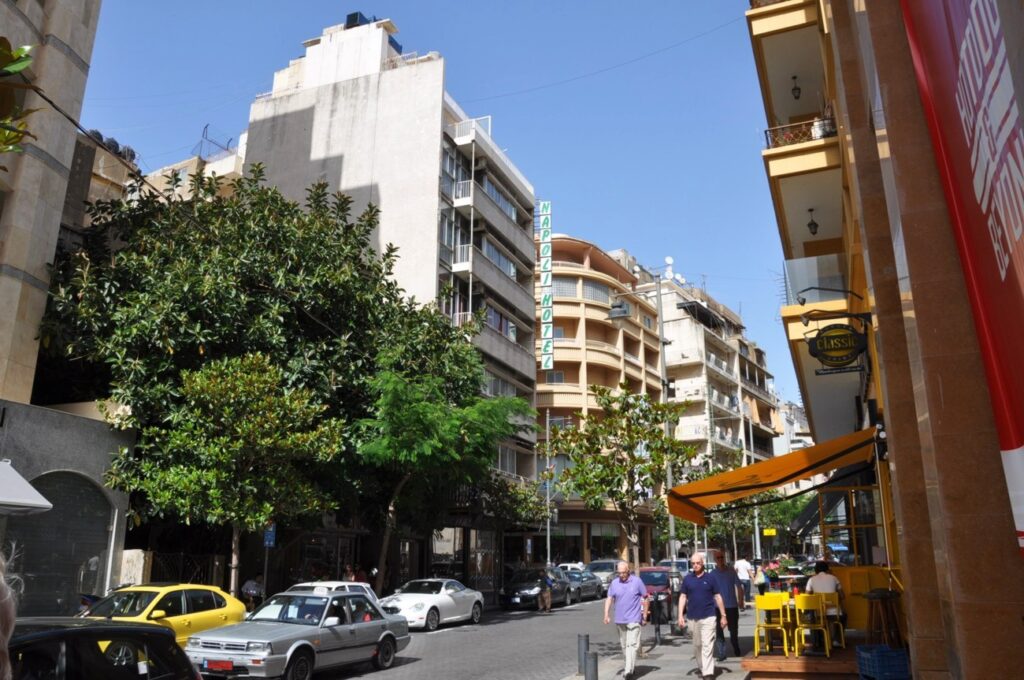
Hamra is one of the best areas to live in Beirut if you want to get through most of your day without constantly arranging transportation. The neighborhood around Hamra Street and the American University of Beirut has grocery stores, pharmacies, restaurants, cafés, banks, and plenty of everyday services packed into a relatively compact area.
This makes Hamra particularly appealing to students, younger residents, and foreigners who don’t own a car. You can leave your apartment, pick up groceries, meet someone for coffee, and have dinner without planning a journey across the city. The streets aren’t necessarily quiet or particularly comfortable for pedestrians everywhere, but having essential businesses nearby can make life much easier.
Where to Live in Hamra Without a Car
If you’re studying at AUB or working nearby, start your apartment search around the university and the streets connecting Hamra to Bliss Street. Living within a manageable walking distance of your main destination can save you a considerable amount of time and transportation expense.
However, don’t assume that every apartment advertised as being in Hamra offers the same convenience. Some listings use the neighborhood name loosely, and a property that looks close on a map might involve steep streets, difficult crossings, or unpleasant walking conditions during the summer.
Hamra also has a wide variety of apartment buildings, including older residential blocks and furnished units aimed at students or temporary residents. The advertised monthly rent is only part of the calculation, so ask about electricity, internet, water, building maintenance, and whether the landlord expects payment in US dollars.
The downside: Traffic, horns, delivery motorcycles, and street noise can be exhausting if your windows face a busy road. Hamra is convenient, but anyone who works from home should visit the apartment during the daytime and again in the evening before signing a lease.
Hamra or Achrafieh: Where to Live?
If you’re choosing between Hamra and Achrafieh, think about how much you want to rely on walking. Hamra is one of the best walkable neighborhoods in Beirut for everyday errands, with supermarkets, cafés, restaurants, and shops concentrated within a relatively small area. It’s also worth considering if you’re deciding where to live in Beirut without a car, although traffic and uneven sidewalks remain frustrating.
Achrafieh offers a different experience, with a mix of quieter residential streets and lively commercial areas. It can be more comfortable for people who want a balance between city life and privacy, but its hills and the distances between some residential streets and services can make walking less convenient.
3. Mar Mikhael — Best for Nightlife and Young Professionals
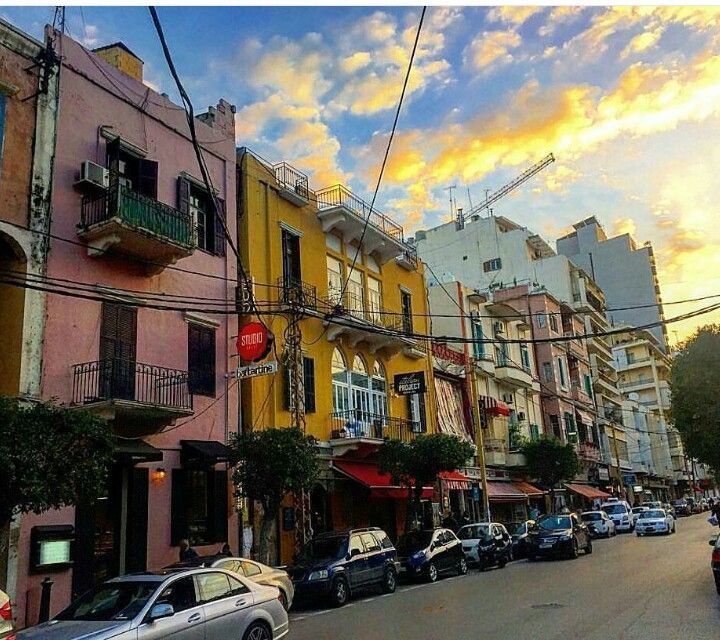
Mar Mikhael is an obvious candidate when looking for the best areas to live in Beirut for singles, particularly if you enjoy meeting friends after work and want restaurants, cafés, and bars within walking distance. Armenia Street is one of the area’s best-known social streets, and living nearby can make spontaneous evenings out much easier.
The appeal isn’t only nightlife. Mar Mikhael has a mix of older buildings, creative businesses, small shops, and places where people gather throughout the day. For someone new to Beirut, that can make the neighborhood feel socially accessible, although living near popular venues doesn’t automatically mean you’ll find it easy to build a social circle.
Is Mar Mikhael Practical for Remote Workers?
Mar Mikhael can work for freelancers and remote workers who like taking their laptops to cafés, but choosing an apartment here requires more attention to noise than choosing somewhere quieter. A property directly above a bar or facing a busy restaurant street may be unsuitable if you regularly have early meetings or need uninterrupted sleep.
Check the internet connection inside the apartment rather than relying on the landlord’s description of it as fast. Ask which provider serves the building, whether the router continues working during power interruptions, and whether the connection is stable enough for video calls. A café with good Wi-Fi is useful as a backup, but it shouldn’t be your only reliable place to work.
For a sense of the area’s wider cultural atmosphere, Beirut’s alternative music scene offers an interesting perspective on the city. The story of Mashrou’ Leila, a Lebanese indie rock band known for challenging social conventions, reflects some of the conversations that have shaped contemporary Lebanese culture.
The downside: Noise is the main compromise, followed by parking and the possibility of paying a premium for an apartment in a fashionable location. Mar Mikhael is a better choice for someone who actively enjoys its social scene than for someone who only visits restaurants occasionally.
4. Badaro — Best for a Quieter Lifestyle
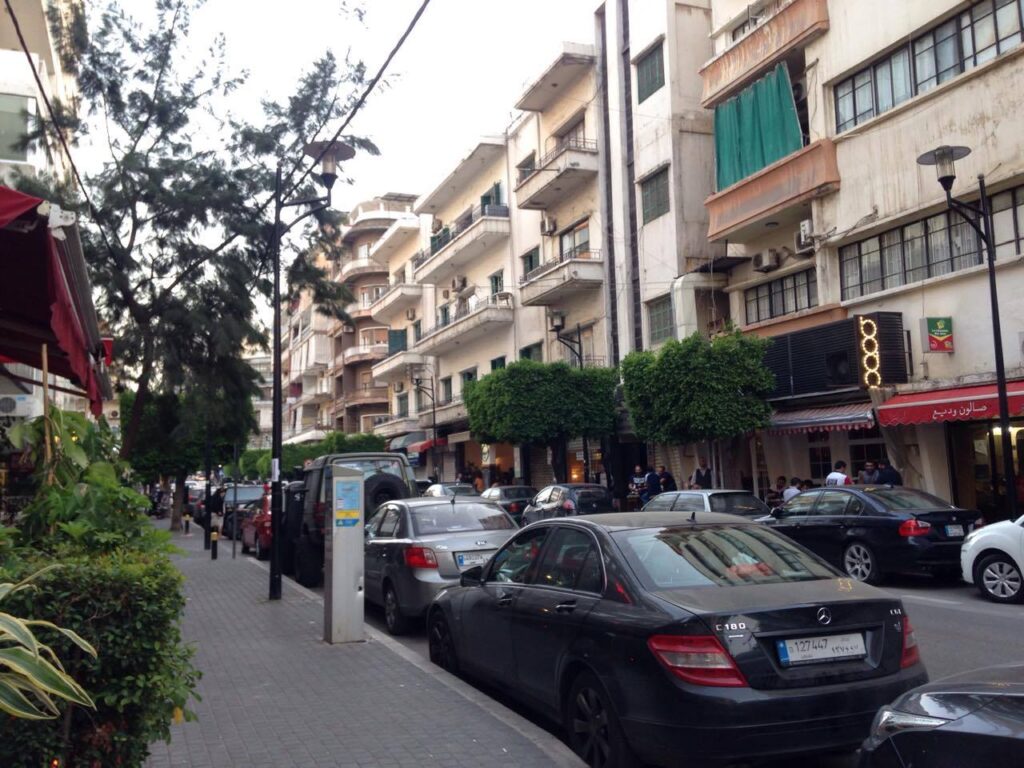
Badaro is worth considering if you like the idea of living near cafés and restaurants but don’t want your entire neighborhood to revolve around late-night entertainment. It has a more residential atmosphere on many of its side streets, with apartment buildings, local shops, and places where you can develop a regular daily routine.
For professionals working from home, Badaro can offer a reasonable balance between having somewhere to go during the day and being able to retreat to a quieter apartment afterward. That doesn’t mean every street is peaceful, though, because the main commercial strip also has busy restaurants and bars.
Badaro vs Mar Mikhael for Living
The choice between Badaro and Mar Mikhael comes down to how you spend your evenings. If you regularly go out late and want to walk home from bars, Mar Mikhael is likely to be more convenient. If your routine involves morning coffee, working during the day, shopping locally, and occasionally going out for dinner, Badaro may be more comfortable.
Badaro’s proximity to the National Museum area is another useful reference point when comparing locations, but you should still check travel times to your workplace. Beirut’s traffic can make relatively short cross-city journeys unpredictable, and being close to one landmark doesn’t necessarily make the rest of the city easy to reach.
When viewing apartments, pay attention to whether the building faces a busy road or a residential side street, and ask about parking even if you don’t currently own a car. Finding a space for visitors or arranging regular taxis can become an inconvenience if the street is consistently congested.
The downside: Badaro isn’t necessarily a cheap alternative to Mar Mikhael, and its more desirable residential apartments can still be expensive. If your workplace or social circle is concentrated in western Beirut, you may also find yourself spending more time in traffic than expected.
5. Gemmayzeh – Best for Culture, Cafés, and Social Life
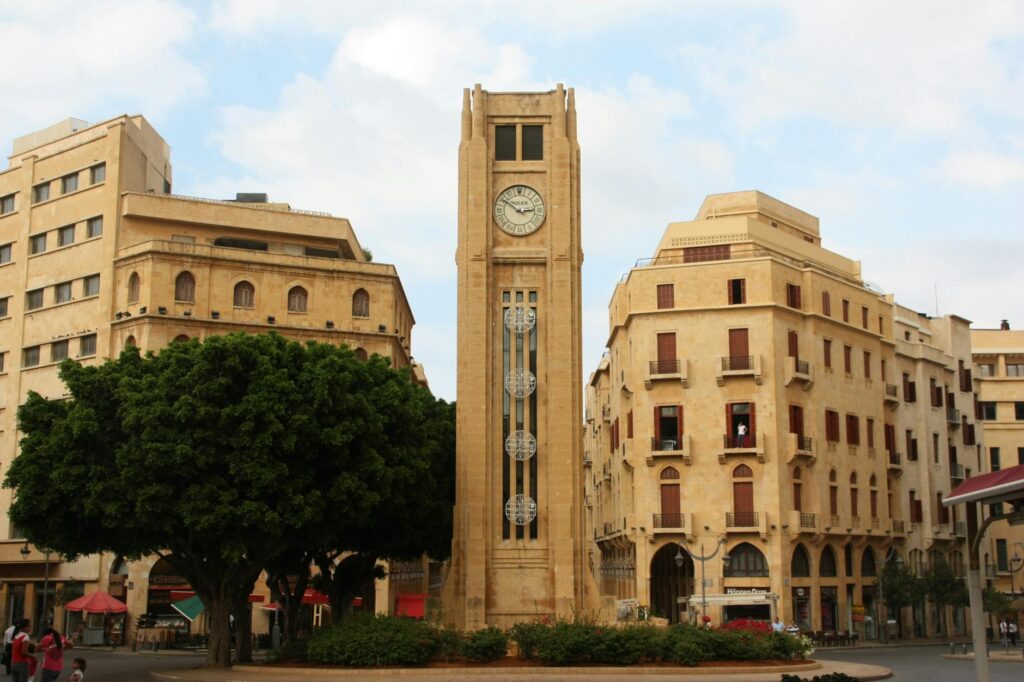
Gemmayzeh is one of Beirut’s most recognizable neighborhoods, especially among people who enjoy historic architecture, independent cafés, small galleries, and an active social life. Located between Downtown Beirut and Mar Mikhael, it has a mix of traditional Lebanese houses, older apartment buildings, restaurants, and bars. The neighborhood feels particularly lively in the evenings, when people gather along Gouraud Street for dinner or drinks.
Living in Gemmayzeh can be convenient if you enjoy going out regularly and prefer having restaurants and cafés within walking distance. You can easily reach parts of Mar Mikhael on foot, and Downtown Beirut is relatively close. However, the neighborhood is less practical for people who need a quiet environment throughout the day. Apartments overlooking busy sections of Gouraud Street can experience considerable noise, particularly on weekends.
Housing varies from older apartments with high ceilings and traditional balconies to renovated properties marketed toward expats and higher-income tenants. The renovated apartments can be expensive, especially in attractive historic buildings. Older properties may offer more space for the money, but they can also come with maintenance problems, limited parking, and outdated electrical or plumbing systems.
If you’re considering Gemmayzeh, pay attention to the exact location of the apartment rather than choosing based on the neighborhood’s reputation. A residential street a few minutes away from the main nightlife area can feel noticeably different from an apartment directly above a bar. It’s worth visiting the building in the evening to understand how much noise reaches the property.
The Downside: Gemmayzeh can be noisy, particularly around Gouraud Street, where bars and restaurants attract crowds late into the evening. Parking is limited, and some of the older residential buildings lack modern facilities or require additional maintenance. It’s also worth checking the condition of the building carefully, as renovations and infrastructure quality can vary considerably from one property to another.
6. Verdun – Best for Professionals and Residential Convenience
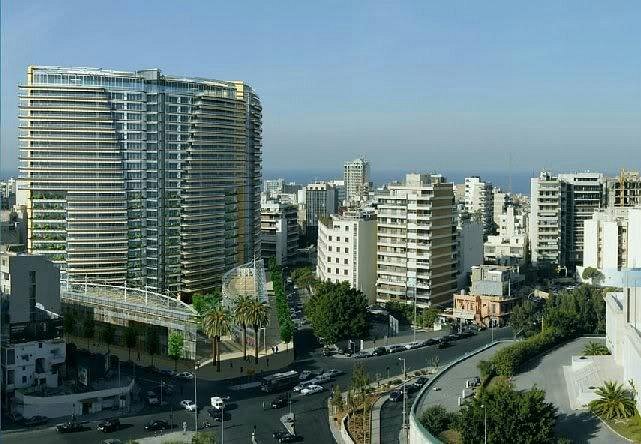
Verdun is a good option for people who prefer a more conventional residential environment, with apartment buildings, shopping facilities, supermarkets, and everyday services nearby. Unlike Mar Mikhael or Gemmayzeh, the neighborhood isn’t primarily known for nightlife. Its appeal comes from the convenience of living in an established urban area where many daily errands can be handled without traveling across Beirut.
The neighborhood has a mixture of residential streets and busy commercial roads, including the area around ABC Verdun. You’ll find cafés, restaurants, pharmacies, shops, and medical services, which can make life easier for professionals and families. However, walkability depends on the particular street. Some parts are convenient for short errands, while major roads, traffic, and inconsistent sidewalks can make walking less pleasant.
Apartments in Verdun range from older residential units to modern buildings with elevators, security arrangements, and dedicated parking. Properties with newer interiors and additional facilities generally command higher rents, but an expensive apartment doesn’t necessarily guarantee reliable electricity or good building management. These are details worth checking independently before signing a lease.
Traffic is probably the biggest everyday inconvenience for people living near Verdun’s main roads. During busy periods, getting in and out of the neighborhood can take longer than expected, and apartments facing major intersections may experience constant vehicle noise. If you work outside the area, test the commute during your normal working hours rather than relying on the distance shown on a map.
The Downside: Traffic is one of Verdun’s main disadvantages, especially around its commercial streets and major intersections. Apartments facing busy roads may experience constant vehicle noise, while newer buildings with parking and modern facilities can be relatively expensive. The neighborhood is also less appealing for people who want a creative atmosphere or an active nightlife scene within walking distance.
7. Raouché – Best for Sea Views and Coastal Living
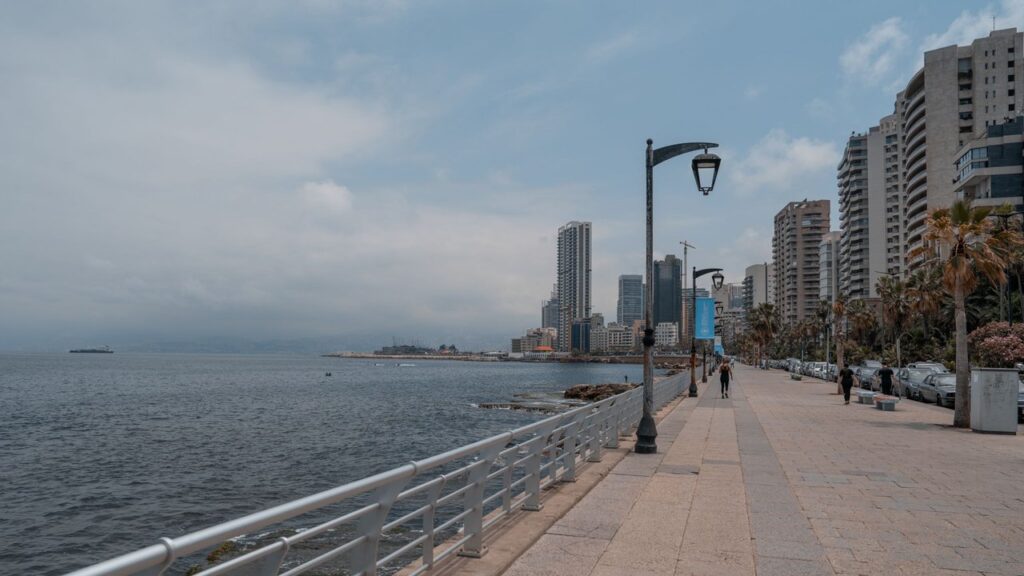
Raouché is one of Beirut’s most recognizable coastal neighborhoods, famous for the Pigeon Rocks and its position along the Mediterranean. For people who enjoy spending time outdoors, the biggest advantage is having access to the Corniche, where residents can walk, exercise, or watch the sunset without leaving the area. Compared with the tightly packed streets of Hamra or Gemmayzeh, the waterfront can make Raouché feel more open.
The neighborhood attracts residents who appreciate coastal scenery but still want to remain within Beirut. Restaurants, cafés, hotels, and residential buildings are spread around the area, although the atmosphere changes depending on how close you live to the seafront. Apartments directly overlooking the Mediterranean can be particularly desirable, while properties farther inland may offer a more affordable alternative without the same views.
Sea-facing apartments often come at a premium, especially in buildings with large balconies and unobstructed views. However, living close to the coast isn’t always as peaceful as it looks in property photographs. The waterfront attracts visitors, and roads around popular viewpoints can become congested. Traffic, car horns, and activity around nearby restaurants may be noticeable, particularly during evenings and weekends.
Raouché is also less consistently walkable than it might initially appear. The Corniche itself is excellent for walking, but getting to supermarkets, pharmacies, and other everyday services may require navigating busy roads or traveling beyond the immediate waterfront. Before renting, check how easily you can manage your normal routine from the apartment, rather than choosing the location solely for the sea view.
The Downside: Apartments with unobstructed sea views can be expensive, and living close to the Corniche doesn’t necessarily mean living somewhere quiet. Traffic, visitors, and activity around popular coastal viewpoints can create noise, particularly during evenings and weekends. While the waterfront is pleasant for walking, everyday errands may be less convenient depending on the apartment’s location.
Where to Live in Beirut Based on Your Lifestyle
For singles: Mar Mikhael and Gemmayzeh are among the best areas to live in Beirut for singles who enjoy meeting people, going out, and having restaurants and bars nearby. Hamra is another option for those who prefer a busy neighborhood with plenty of everyday activity.
For families: Verdun and quieter parts of Achrafieh are worth considering when comparing the best neighborhoods in Beirut for families, particularly if access to schools, services, and larger apartments matters more than nightlife.
For a smaller budget: If you’re searching for affordable neighborhoods in Beirut, look beyond renovated apartments on the most fashionable streets. Older properties in Hamra and less central parts of the neighborhoods covered here may offer better value, although individual listings and additional utility costs need careful comparison.
For digital nomads: Hamra and Achrafieh are reasonable starting points when looking for the best area in Beirut for digital nomads, thanks to their cafés and everyday amenities. Reliable electricity and internet, however, should be checked at the apartment level rather than assumed from the neighborhood.
For coastal living: Raouché is an obvious place to consider if you’re looking for the best area to live in Beirut near the beach. Its main attraction is access to the Mediterranean waterfront and the Corniche, although this is primarily a coastal promenade rather than a sandy swimming beach.
How Much Does It Cost to Rent an Apartment in Beirut?
Rental prices in Beirut vary considerably depending on the neighborhood, apartment size, building condition, furnishing, and whether utilities or additional services are included. Even within the same area, a renovated apartment with dedicated parking and backup electricity may cost significantly more than an older property without those features. This makes neighborhood-wide rental averages less useful than comparing actual apartments with similar specifications.
You can start by checking advertised properties on PropertyFinder or OLX, but advertised prices should be treated as asking rents rather than verified market averages. Listings may be outdated, and some landlords negotiate depending on the lease duration, payment arrangements, and property condition.
Before agreeing to rent, clarify the currency, deposit, payment schedule, building maintenance charges, and electricity arrangements. Ask whether the apartment includes generator power, parking, internet, and other services, because these additional expenses can make a seemingly affordable property considerably more expensive.
What to Check Before Renting in Beirut
One of the biggest mistakes newcomers can make is judging an apartment entirely by its appearance. A renovated kitchen, attractive balcony, or modern furniture may look impressive in photographs, but the building’s electricity supply, water availability, internet connection, and general maintenance can have a much greater impact on everyday comfort.
Electricity deserves particular attention because Lebanon has experienced prolonged problems with its public power supply. Many residential buildings rely on private generators or other backup systems, and the arrangements can differ significantly between properties. Ask how many hours of electricity are available, whether air conditioning and major appliances work on backup power, and how charges are calculated.
Internet is another essential consideration, especially if you work remotely. Don’t assume that an apartment advertised with Wi-Fi has a reliable connection suitable for video calls or uploading large files. Request an actual speed test from inside the property, and if possible, ask current residents whether interruptions are common.
Parking and street noise are equally important. In neighborhoods such as Mar Mikhael and Gemmayzeh, parking can be difficult, while apartments near busy roads in Verdun or Raouché may experience traffic noise throughout the day. Try to visit a property at different times, including after dark, before making a decision.
Is Beirut Safe to Live In?
Safety is an important consideration when choosing where to live in Beirut, but it shouldn’t be assessed solely through neighborhood reputation. Regional conflict, political developments, and security conditions can affect the city as a whole, and circumstances may change quickly. A neighborhood that feels comfortable for ordinary daily activities is not necessarily insulated from wider security risks.
Before relocating, consult current official guidance from the Travel State and the Gov. UK. These advisories should take priority over lifestyle recommendations when assessing whether travel or relocation is appropriate.
At the individual property level, check building security, lighting around the entrance, access to transport, and the surrounding streets after dark. Speaking with current residents can also help you understand practical concerns that may not be obvious during a short apartment viewing.
FAQ
What is the best neighborhood in Beirut for expats?
Achrafieh is often a practical starting point because of its residential atmosphere, cafés, restaurants, and everyday services. However, Hamra may suit people who prefer a busier, more walkable environment, while Verdun can appeal to those looking for modern apartments and residential convenience.
Which neighborhood in Beirut is best for nightlife?
Mar Mikhael and Gemmayzeh are among the city’s best-known nightlife areas, with numerous bars, restaurants, and places to socialize. The main disadvantage is noise, particularly if your apartment is close to busy venues.
Where should digital nomads live in Beirut?
Hamra, Achrafieh, and Mar Mikhael can appeal to remote workers because of their cafés and social environments. However, electricity and internet reliability should be checked for each individual apartment before renting.
Is Achrafieh expensive to live in?
Achrafieh has both expensive renovated apartments and older residential properties that may be more affordable. Rental costs depend heavily on the building, street, apartment size, and included facilities.
Is Hamra a good neighborhood without a car?
Hamra is one of Beirut’s more convenient areas for walking to shops, cafés, restaurants, and everyday services. Nevertheless, traffic, uneven sidewalks, and limited public transport can still make some journeys inconvenient.
Is Mar Mikhael too noisy for residential living?
Some parts can be, particularly around Armenia Street and popular nightlife venues. Quieter residential streets exist nearby, so the exact location of the apartment matters more than the neighborhood name alone.
Which Beirut neighborhood is best for families?
Verdun and quieter parts of Achrafieh may appeal to families because of their residential buildings and access to services. School locations, commuting arrangements, and building facilities should also influence the decision.
Explore the Expat Life Hub
Discover more practical guides about moving abroad, finding the right neighbourhood, adapting to a new country and building a life as an expat around the world.
Explore the Expat Life Hub →This article combines independent editorial research, property market information, and practical insights into living in Beirut. It compares seven neighborhoods based on lifestyle, housing, affordability, walkability, everyday convenience, and considerations for expats and long-term residents.
Research sources included:
- Property Finder – residential property listings and rental market information.
- dubizzle – apartment listings, housing options, and advertised rental prices.
- U.S. Department of State – official travel advisories and security information for Lebanon.
- UK Foreign, Commonwealth & Development Office (FCDO) – travel safety guidance and country-specific security advice.
The goal is to help readers choose where to live in Beirut by comparing neighborhood atmosphere, rental considerations, walkability, access to everyday services, and the practical challenges of settling into the city. Rental prices and security conditions can change, so current listings and official advisories should always be checked before making a decision.

Founder & Editor
Founder of The City Theory, writing about digital nomad lifestyle, modern city culture, remote work, travel experiences, psychology and human behaviour around the world.