Why Is Everyone So Angry in Malta? My Honest Experience After Living There
When people ask Why Is Everyone So Angry in Malta?, I don’t think the answer is that Maltese people are naturally angry or unfriendly. After living on the island myself, I came to believe that what visitors often interpret as anger is actually the result of several pressures overlapping at the same time: one of the highest population densities in Europe, constant traffic, construction noise, summer heat, rising living costs, and a communication style that is much more direct and expressive than many foreigners are used to. None of those things automatically make people unpleasant, but together they can create an atmosphere that feels more tense than expected, especially if you have just arrived from a quieter country.
I know exactly why this question keeps appearing online because I asked myself the same thing during my first weeks on the island. I had imagined Malta as a relaxed Mediterranean destination where everyone would be smiling, drinking coffee by the sea and living slowly. Instead, my first impression was completely different. People seemed impatient, drivers leaned on their horns constantly, construction started early in the morning, buses were packed, and simple errands sometimes felt surprisingly stressful.
The funny part is that my opinion changed several times while I was living there.
At first I thought everyone disliked foreigners.
Then I thought maybe I had simply chosen the wrong neighbourhood.
Eventually I realised the situation was much more complicated than either of those explanations.
My first weeks in Sliema and Gżira
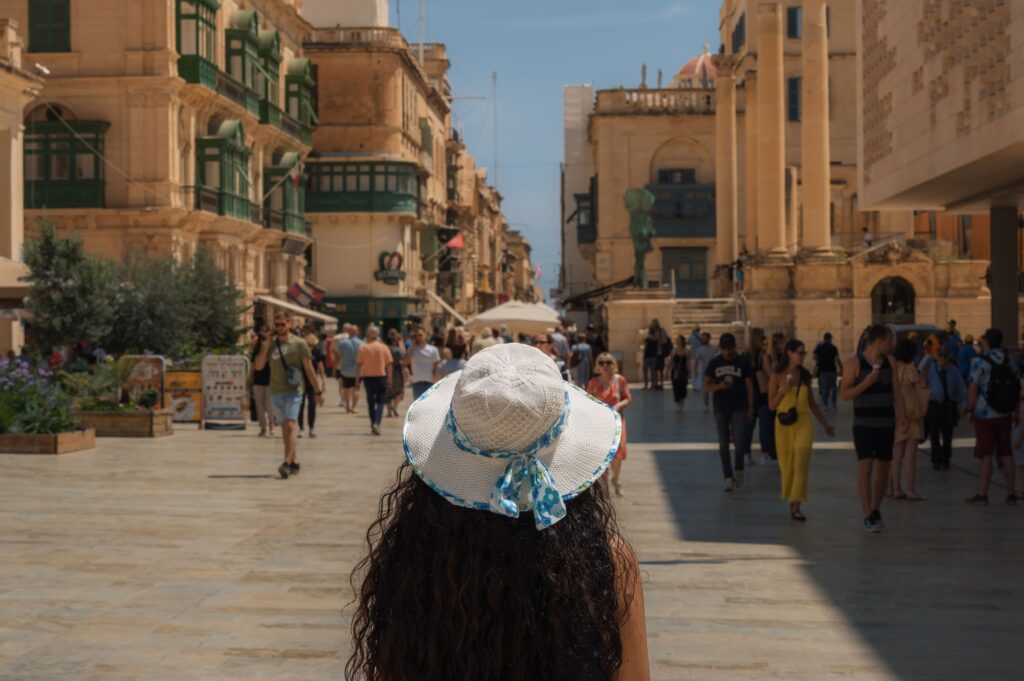
Like many newcomers, I rented an apartment in Sliema because every relocation guide described it as one of the best places for foreigners. It was close to the sea, cafés, supermarkets and public transport, so it looked like the obvious choice.
The reality felt very different.
The first thing that surprised me was the noise. I had lived in large cities before, so I thought I knew what urban life looked like. Malta completely changed my definition of constant background noise. Construction seemed to be happening everywhere at once, buses squeezed through narrow streets, motorcycles echoed between buildings, delivery vans stopped every few minutes, and car horns became part of everyday life. Even late at night the streets rarely felt completely quiet.
After several weeks I moved closer to Gżira hoping things would improve.
Some aspects did.
Others became even more noticeable.
That was when I experienced my first real Malta culture shock. It wasn’t one dramatic event that made me question my move. Instead, it was dozens of tiny moments throughout the day. Someone speaking very loudly in a supermarket. A driver stopping in the middle of the road while everyone behind started honking immediately. Construction workers shouting instructions across the street. People parking wherever they found a small gap. None of these situations were directed at me personally, but together they created a feeling that the whole island was permanently rushing somewhere.
For someone coming from a calmer environment, it is easy to start wondering why do people in Malta seem unfriendly.
Are Maltese people actually angry?
The longer I stayed, the less convinced I became that anger was the right explanation.
Many situations that initially looked aggressive turned out to be surprisingly ordinary once I understood the local rhythm. Two neighbours could appear to be having a serious argument, only to laugh together a minute later. Shop assistants often spoke briefly without the small talk that British or American visitors might expect, yet if I genuinely needed help, most people were willing to explain things patiently.
That made me rethink one of the most common online questions: are Maltese people rude?
Sometimes they can certainly appear that way, especially during a first visit.
But appearing rude and actually being rude are not always the same thing.
Mediterranean cultures often communicate more directly than Northern European ones. Voices are naturally louder, conversations involve more interruptions, and facial expressions are stronger. Someone from Scandinavia may interpret that as confrontation, while someone from southern Italy or Greece may barely notice anything unusual. This kind of difference has been widely discussed in cross-cultural communication research, including Geert Hofstede’s cultural dimensions, which helps explain why communication styles vary significantly between societies
The same misunderstanding happens in many countries. I had experienced something similar while travelling in Asia, where completely different social rules define polite behaviour. Something that feels normal in Europe may seem extremely disrespectful elsewhere, which is why understanding different cultural expectations around politeness can completely change how you interpret people’s behaviour.
Why does Malta feel so stressful?
One thing that completely changed my perspective was looking at the numbers rather than relying only on my own impressions.
Malta has the highest population density in the European Union. According to Eurostat population statistics, there are roughly 1,700 people living on every square kilometre. That statistic sounds abstract until you actually spend several months on the island.
Suddenly everything begins making sense.
There is very little unused space.
Roads pass close to apartment buildings.
Construction happens because demand for housing continues growing.
Cars compete for limited parking.
Tourists, language students, cruise passengers, digital nomads, foreign workers and locals all share the same relatively small urban areas.
It becomes surprisingly difficult to find moments of complete silence.
When people ask is Malta overcrowded, I honestly understand why.
The island itself is beautiful.
The problem is that many people are trying to enjoy the same limited space at exactly the same time.
That affects daily life far more than many tourists realise during a weekend holiday.
Why is Malta so noisy?
If there is one thing that influenced my mood more than anything else, it was the constant noise.
Before moving there I had read occasional Malta expat complaints mentioning construction, but I assumed people were exaggerating.
They were not.
New buildings seemed to appear everywhere. Sometimes one construction project finished only for another one to begin nearby. Add motorcycles, delivery vehicles, buses, fireworks during festas, loud cafés and heavy traffic, and the result is an environment where your brain rarely gets a proper break.
I noticed something interesting about myself after a few months.
I became less patient too.
Nothing dramatic happened.
I wasn’t suddenly angry.
I simply realised that after listening to drilling from early morning, walking through traffic, waiting for buses and dealing with crowded streets, my own stress level had quietly increased without me noticing.
That made me much more careful before assuming that Malta rude people were simply choosing to behave badly.
Sometimes people are just mentally tired.
Research across many countries has shown that constant environmental noise can increase stress levels and reduce patience. It doesn’t automatically make someone aggressive, but it certainly doesn’t help people stay relaxed all day either.
This is one reason why why is Malta so stressful has become such a common search query among people considering relocation.
Why are Maltese drivers so aggressive?
If there is one topic where both tourists and expats tend to agree, it is driving.
I don’t particularly enjoy driving anywhere, but Malta was one of the few places where I genuinely felt relieved not to own a car.
The roads are narrow.
Parking is limited.
Traffic builds up surprisingly quickly considering the island’s size.
Roundabouts become confusing if you are unfamiliar with local habits.
Drivers often make quick decisions because hesitating for even a few seconds can create a queue behind them.
That doesn’t excuse dangerous behaviour, but it helps explain why so many newcomers search for why are Maltese drivers so aggressive, why do Maltese drivers honk so much, road rage in Malta, or even is driving in Malta dangerous.
After spending enough time observing traffic, I realised something else.
Many of the drivers who seemed impatient weren’t actually driving fast.
They were simply driving under constant pressure.
Every small delay affected dozens of cars behind them because the road network has limited capacity. When hundreds of thousands of residents, tourists and workers depend heavily on private vehicles every day, frustration naturally becomes more visible.
The European Commission has repeatedly pointed to Malta’s dependence on private cars as one of the country’s biggest transport challenges. Traffic congestion has become part of everyday life rather than an occasional inconvenience.
That explains why visitors often ask why is traffic in Malta so bad or why is everyone angry when driving in Malta.
It doesn’t mean every driver is aggressive.
It means many people are spending a significant part of their day stuck in traffic before work, after work and sometimes even during short journeys that look simple on the map.
Why do Maltese people speak so loudly?
This was another misunderstanding I had during my first month.
More than once I genuinely thought strangers were arguing.
They weren’t.
They were simply having an energetic conversation.
One evening I sat outside a café watching two older men talking animatedly with large hand gestures and raised voices. I was convinced an argument was about to start until they both laughed, shook hands and continued drinking coffee together.
After seeing similar situations repeatedly, I realised I had been interpreting volume as emotion.
Many foreigners ask why do Maltese people speak so loudly or why do Maltese people seem angry, but loud speech alone tells you very little about someone’s actual mood.
Language also plays a role. Maltese has strong rhythms and expressive intonation influenced by both Semitic and Mediterranean traditions. Conversations can sound intense even when everyone involved is perfectly relaxed.
I eventually stopped paying attention to volume and started paying attention to facial expressions instead.
That made everyday interactions much easier because I no longer assumed every loud conversation was a conflict.
In fact, some of the friendliest people I met on the island were also among the loudest.
The island has changed faster than many people realise
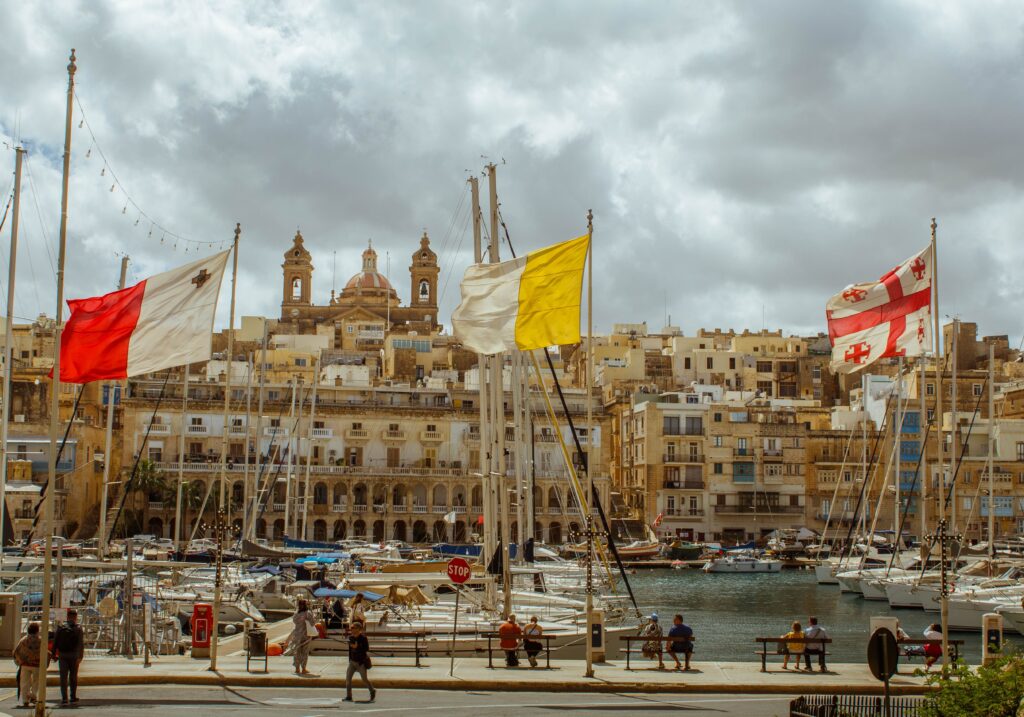
The longer I lived in Malta, the more I felt that many conversations about local attitudes were actually conversations about how quickly the country has changed. If you only visit for a week, you mostly notice beaches, old towns and restaurants. If you stay for months, you begin noticing the pressure that rapid growth has placed on everyday life.
Over the past decade Malta has transformed from a relatively quiet island into an international hub for tourism, iGaming, finance, remote workers and foreign employees. Thousands of people arrive every year looking for jobs, better weather or a Mediterranean lifestyle, while millions of tourists pass through during the busiest months.
For the economy this has brought obvious benefits.
For everyday life it has also created new challenges.
Housing became more competitive.
Roads became busier.
Parking became harder.
Public transport became more crowded.
Popular neighbourhoods changed incredibly quickly.
When people ask why expats leave Malta or why do foreigners dislike living in Malta, the answer usually has much more to do with these practical issues than with local people themselves.
Living in Malta culture shock isn’t only about the people
One thing I wish I had understood before moving is that living in Malta culture shock often comes from expectations rather than reality.
Many of us imagine Mediterranean life as permanently relaxed.
We picture quiet afternoons, empty beaches and slow conversations over coffee.
Malta can certainly be like that.
The problem is that newcomers often choose exactly the busiest places to live because those are the neighbourhoods recommended to foreigners.
Sliema, Gżira and St. Julian’s are convenient, but they are also among the most crowded parts of the island. They attract tourists, language students, office workers and digital nomads all at once.
If your first experience of Malta is based entirely on those districts, it is easy to believe the whole country feels stressed.
Later, after spending more time in other parts of the island, I realised how different the atmosphere could be depending on where you lived. Quieter residential areas felt calmer, neighbours seemed less rushed and even traffic became more manageable outside peak hours. That completely changed my perspective on the downsides of living in Malta because many of them were connected to location rather than the country as a whole.
If you’re planning a move, choosing the right neighbourhood makes a much bigger difference than most relocation guides admit, which is why researching the best areas for long-term expats in Malta before signing a lease can save a lot of frustration.
Are Maltese people friendly to expats?
This is probably the question I changed my mind about the most.
During my first month I honestly wasn’t sure.
People rarely smiled at strangers the way they sometimes do in smaller towns elsewhere.
Cashiers often worked quickly without much conversation.
Government offices felt busy.
Traffic affected everyone’s mood.
It was easy to interpret all of that as personal coldness.
Then small experiences slowly started changing my opinion.
A neighbour helped me carry heavy bags upstairs without being asked.
A café owner remembered my coffee order after only a few visits.
Several locals spent ten minutes explaining bus routes when I looked confused.
One landlord even recommended cheaper supermarkets instead of the expensive stores tourists usually use.
None of these interactions were dramatic.
They were simply kind.
That is why I no longer agree with broad statements like are Maltese people rude to foreigners or are Maltese people friendly to expats.
The answer depends enormously on where you meet people.
If your only interactions happen during rush hour in crowded commercial districts, you’ll probably leave with a different impression than someone who joins local activities, speaks with neighbours or spends time outside tourist hotspots.
Tourists often meet Malta at its busiest
This is another point I rarely see discussed.
Most visitors stay in exactly the places where pressure is highest.
Sliema.
St. Julian’s.
Valletta.
The ferry terminals.
The cruise port.
Busy beaches.
Popular restaurants.
These are also the places where local residents are dealing with traffic, crowds, limited parking, deliveries and thousands of visitors every day.
So when someone asks are Maltese people rude to tourists, I think the question itself can be misleading.
Tourists usually experience Malta during its most hectic moments.
If someone working in hospitality serves hundreds of customers every day during the peak season, they may sound brief simply because they are exhausted rather than unfriendly.
The same thing happens in many famous destinations across southern Europe.
Why do so many expats complain?
Reading online forums before moving almost convinced me not to come.
The number of Malta expat complaints is enormous.
Some people describe Malta as paradise.
Others say they cannot wait to leave.
After living there myself, I understand why opinions are so divided.
The biggest complaints I heard repeatedly included:
- rising rent prices;
- construction near residential buildings;
- traffic congestion;
- limited green spaces;
- noise;
- overcrowding;
- bureaucracy;
- difficulty finding parking.
Interestingly, very few people complained only about Maltese personalities.
Instead, most frustrations were connected to everyday infrastructure.
That’s an important distinction because it changes the whole discussion around problems living in Malta.
Infrastructure problems affect everyone equally.
Is Malta a bad place to live?
Personally, I don’t think is Malta a bad place to live is the right question.
A better question would be:
“What type of person enjoys Malta?”
If you love quiet countryside, large apartments, empty roads and lots of personal space, Malta may become exhausting after a while.
If you enjoy sunshine, international communities, short travel distances, English-speaking workplaces and Mediterranean weather, you may absolutely love it despite its imperfections.
Even international expat surveys show that opinions change over time. Malta performed poorly in some quality-of-life rankings in previous years, particularly regarding transport and the urban environment. More recent surveys showed noticeable improvements in work-life balance and overall satisfaction, proving that experiences are not fixed and can evolve as the country adapts.
That is another reason I hesitate whenever someone asks why do foreigners dislike living in Malta.
Many don’t.
Some leave because housing becomes expensive.
Some leave because career opportunities change.
Some simply realise island life isn’t for them.
Others stay for years.
One mistake many newcomers make
Looking back, I think I made one mistake that increased my own stress.
I tried to compare Malta with places that were completely different.
Instead of accepting the island on its own terms, I kept thinking about how things worked somewhere else.
Why is public transport different?
Why is everyone driving this way?
Why are conversations louder?
Why is everything happening so close together?
Once I stopped expecting Malta to behave like another country, everyday life became much easier.
The same lesson applies almost everywhere. Whether you’re moving to Southeast Asia or Southern Europe, understanding local social norms usually reduces frustration far more effectively than expecting everyone to behave according to your own cultural standards. That’s something I also realised while learning how people define polite behaviour in different countries, because what feels abrupt in one place may simply be normal somewhere else.
Making local friends helped even more. Once I had people to ask simple questions without relying on internet forums, many situations suddenly made sense. If you’re relocating anywhere, learning how to build friendships after moving abroad is honestly one of the best investments you can make because it changes your experience far more than finding the perfect apartment.
At the same time, moving abroad can make people vulnerable to unhealthy relationships because loneliness sometimes pushes us towards the wrong people. I saw this happen to several newcomers who stayed in friendships that made them miserable simply because they didn’t know anyone else. Recognising the signs of emotionally unhealthy friendships is just as important as making new connections when starting over in another country.
So, Why Is Everyone So Angry in Malta?
After living there, I honestly don’t think everyone is.
What many visitors interpret as anger is often the visible result of several structural pressures happening simultaneously: one of Europe’s highest population densities, constant traffic, construction, environmental noise, rising housing costs, tourism, immigration, hot summers and a communication style that is naturally more expressive than many foreigners expect.
None of those factors prove that Maltese people personality is unusually aggressive.
They simply create an environment where stress is easier to notice.
The biggest lesson Malta taught me was to separate personality from circumstances. A driver who honks in heavy traffic may still be the neighbour who helps you carry your groceries upstairs. A cashier who sounds direct may still spend five minutes helping you find the product you need. A loud conversation between friends may have nothing to do with conflict at all.
That is why I no longer ask whether are Maltese people friendly.
I ask whether I understood the context before judging the behaviour.
Very often, the answer is no.
FAQ
Are Maltese people actually rude?
Not necessarily. Many newcomers mistake direct communication, louder voices and busy urban life for rudeness. Most experiences depend on context, location and individual personalities rather than nationality.
Why do Maltese people sound angry?
Many conversations are naturally expressive and louder than visitors from Northern Europe or North America expect. Volume does not automatically indicate anger, and is shouting normal in Maltese culture is often answered with yes—it is usually a normal communication style rather than a sign of conflict.
Are people in Malta friendly to tourists?
Yes, many are. However, tourists usually spend time in the busiest districts where workers deal with heavy crowds every day. Brief service does not necessarily mean someone dislikes visitors.
Why are Maltese drivers so aggressive?
Heavy dependence on private cars, frequent congestion, limited parking and dense road networks create stressful driving conditions. That helps explain why are drivers in Malta so aggressive, why do Maltese drivers honk so much, and why are Maltese drivers rude to pedestrians sometimes becomes a common perception, although individual behaviour varies.
Is Malta an easy place for expats to live?
It depends on your expectations. English is widely spoken and international communities are large, but problems foreigners face in Malta often include housing costs, traffic, noise and crowded neighbourhoods.
Why does Malta feel so overcrowded?
Malta has the highest population density in the European Union. Combined with tourism and rapid migration, this creates crowded roads, busy public spaces and limited personal space.
Is shouting normal in Maltese culture?
Often yes. Conversations can sound much more animated than they actually are. What sounds like an argument to foreigners may simply be an enthusiastic discussion between friends.
Do Maltese people dislike foreigners?
In my experience, no. Most negative impressions come from stressful urban conditions rather than hostility towards outsiders. Many locals are welcoming once you move beyond quick interactions during the busiest parts of the day.
Explore the Expat Life Hub
Discover more practical guides about moving abroad, finding the right neighbourhood, adapting to a new country and building a life as an expat around the world.
Explore the Expat Life Hub →This article combines personal experience of living in Malta, independent research, and cultural analysis to explore why people may sometimes appear more stressed or direct than visitors expect, while avoiding stereotypes about Maltese society.
Research sources included:
- First-hand observations and personal experience of living in Malta, including everyday interactions in Sliema and Gżira.
- Official European Commission and Eurostat data on Malta’s population density, transport, and quality-of-life indicators.
- Cross-cultural communication research and cultural dimensions developed by Geert Hofstede.
- Public reports, expat surveys, and discussions reflecting the experiences of both residents and newcomers living in Malta.
The goal is to explain how population density, traffic, urban development, cultural communication styles, and rapid social change shape everyday experiences in Malta while distinguishing structural challenges from stereotypes about Maltese people.

Founder & Editor
Founder of The City Theory, writing about digital nomad lifestyle, modern city culture, remote work, travel experiences, psychology and human behaviour around the world.