Mashrou’ Leila: Why the Lebanese Band Became So Influential and Controversial
Mashrou’ Leila were a Lebanese alternative rock band formed in Beirut in 2008, known for combining Arabic lyrics with indie rock, electronic influences and unusually direct songs about politics, identity, sexuality, relationships and social pressure. Their music attracted a large following across the Arab world and internationally, but the same openness that made them influential also made them deeply controversial.
The band became especially associated with a younger generation of Arab listeners who wanted music that felt modern without abandoning Arabic language and identity. Their songs dealt with subjects that mainstream regional pop often avoided, while lead singer Hamed Sinno’s public identity and the band’s support for LGBTQ visibility brought them into repeated conflict with conservative groups and authorities.
Mashrou’ Leila were eventually banned or prevented from performing in several countries, and the pressure surrounding the band became part of their story. But their importance goes beyond controversy: they helped make alternative Arabic music more visible and gave a generation of listeners a cultural reference point that felt both Arab and globally contemporary.
Who Were Mashrou’ Leila?
Mashrou’ Leila formed in Beirut in 2008 while several of the members were students at the American University of Beirut. The group became known for its mix of indie rock, electronic music and Arabic songwriting, with Hamed Sinno as its lead singer and one of its most recognisable public figures. Over the following decade, the band built an audience across the Middle East, Europe and North America while becoming increasingly associated with debates about artistic freedom, censorship and identity in the Arab world.
Why Was Mashrou’ Leila So Controversial?
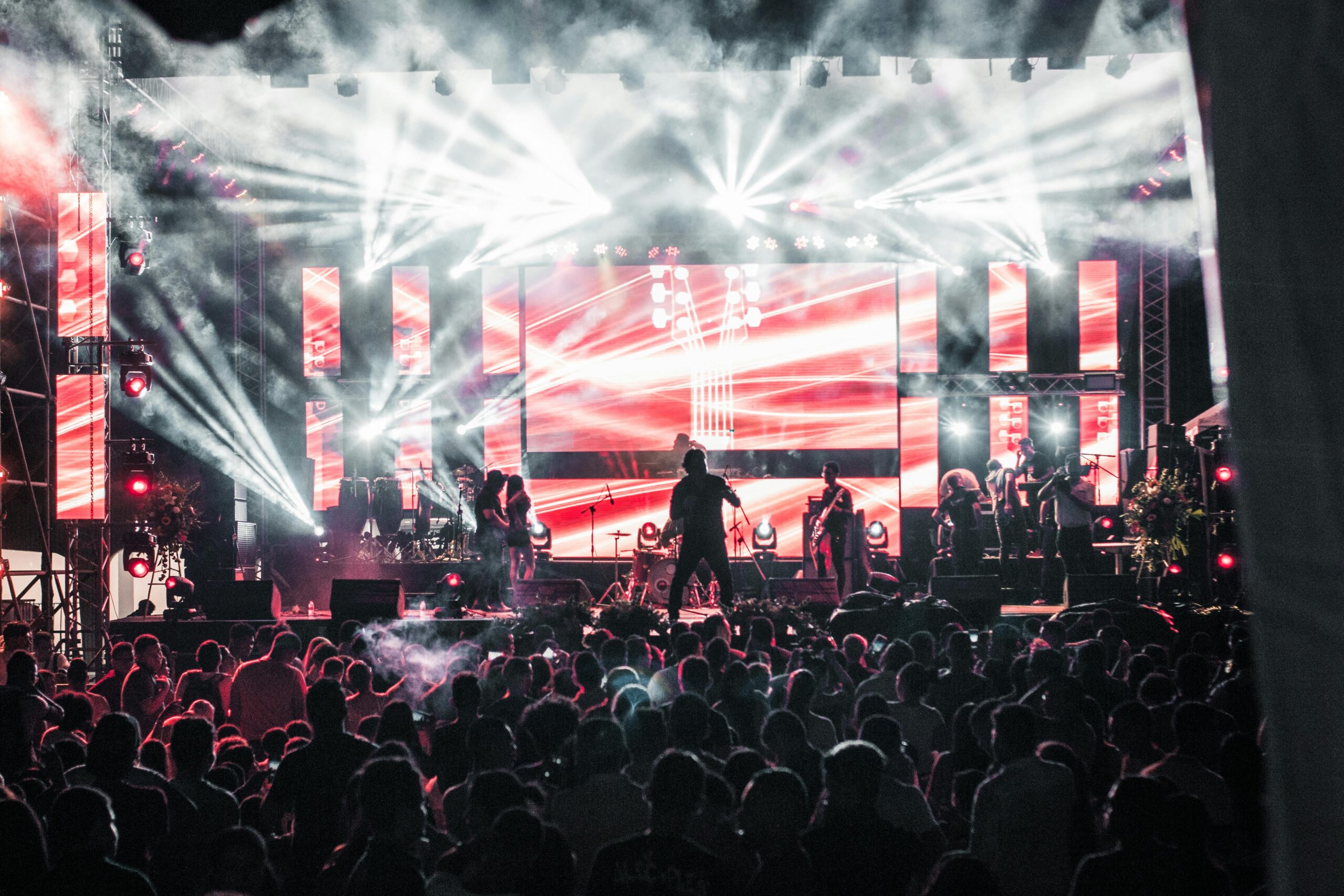
Mashrou’ Leila became controversial because their music and public image challenged several social and political boundaries at once. Their songs addressed sexuality, religion, political frustration and social hypocrisy, while Hamed Sinno was openly gay at a time when LGBTQ representation remained highly sensitive across much of the region. Concerts therefore became more than music events; they were often treated as symbols in wider debates about censorship, morality and cultural change.
They Made Arabic Music Feel Modern Without Copying the West
For years, many Arab listeners felt stuck between two worlds. On one side was traditional Arabic music: legendary artists, romantic ballads, and polished commercial pop. On the other side was Western indie rock, electronic music, and alternative culture that many young Arabs secretly related to more emotionally.
Mashrou’ Leila connected those two worlds.
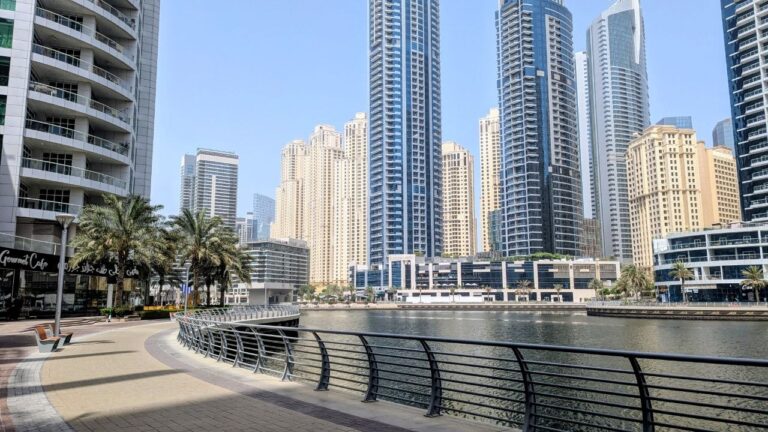
As someone living in the United Arab Emirates, I had honestly never heard Arabic music in this style before. Most Arabic songs I grew up hearing followed familiar patterns — romantic pop, classic ballads, or heavily commercial sounds. Then I discovered Mashrou’ Leila, and I got completely involved in their music almost immediately. Listening to them also made me curious about Lebanon itself, including its unique Mediterranean heritage and diverse population.
What made them different was that they sounded both Arab and international at the same time.
Their music carried Lebanese identity, Arabic lyrics, regional emotions, and cultural references, but musically it felt influenced by European indie music, alternative rock, synth-pop, and electronic scenes. Listening to them felt almost surreal at first because it did not sound like the “traditional image” of Arabic music many people were used to. That blend of influences reflects Lebanon’s long-standing connection with French culture, which extends far beyond language into education, arts and everyday life.
And that is exactly why they impacted so many young people.
They gave many younger listeners a version of Arabic-language music that felt contemporary, experimental and culturally familiar at the same time.. Suddenly Arabic music did not have to sound old-fashioned, overly commercial, or culturally restricted. It could be artistic, experimental, emotional, intellectual, dark, modern, and globally relevant while still remaining deeply Arab.
For many young listeners, especially those living between cultures or exposed to global music online, Mashrou’ Leila felt like the first Arab band that truly reflected modern identity.
Radio Romance is one of Mashrou’ Leila’s most emotional and visually memorable songs. The track perfectly captures the band’s unique mix of modern indie sound, nostalgia, vulnerability, and Arab identity. Even listeners who do not understand Arabic often connect deeply with its atmosphere, cinematic music video, and raw emotional energy:
How Mashrou’ Leila Changed Arabic Music and Youth Culture
Mashrou’ Leila did something rare in mainstream Arabic music: they openly addressed topics most artists avoided.
Their songs discussed:
• loneliness
• mental health
• political frustration
• social hypocrisy
• nightlife culture
• religious pressure
• sexuality
• queer identity
• alienation
• modern relationships
And they did it poetically rather than preaching.
That mattered because many young Arabs were already thinking about these issues privately, but rarely saw them reflected in popular culture. The band created a feeling of recognition. People heard emotions and experiences they thought were “only happening to them.”
Their lyrics often felt like conversations happening inside Arab youth culture for the first time in public.
Hamed Sinno’s Sexuality Became a Cultural Earthquake
One of the biggest reasons Mashrou’ Leila became controversial was the openness of lead singer Hamed Sinno about his sexuality.
Sinno openly identified as gay — something extremely rare for a major Arab artist with a large regional audience. He did not hide behind vague statements or coded interviews. Queer themes appeared directly in the music itself.
Songs like Shim El Yasmine openly explored same-sex love, heartbreak, longing, and emotional intimacy. For many queer Arabs, this was revolutionary. It was one of the first times they saw themselves represented emotionally in Arabic music without mockery or stereotypes.
One of the most powerful examples of Mashrou’ Leila’s style and political storytelling is the song Lil Watan:
For conservative audiences and religious authorities, however, this visibility became deeply controversial.
Mashrou’ Leila were accused by critics of promoting “immorality,” “Western values,” or attacking religion. Their concerts became political controversies rather than simply musical events.
But for supporters, the band represented honesty and freedom of expression.
Why Was Mashrou’ Leila Banned in Egypt and Jordan?
The controversy eventually moved beyond the music itself. In 2016, Mashrou’ Leila’s ban in Jordan became international news after authorities withdrew permission for the band to perform in Amman, with the dispute focusing on their political and religious views, gender equality and sexual freedom.
The backlash against Mashrou’ Leila intensified throughout the late 2010s.
The band faced bans, cancelled concerts, online harassment campaigns, and threats across parts of the Middle East.
The consequences were far more serious in Egypt. After audience members raised rainbow flags during the band’s 2017 Cairo concert, the crackdown after the Mashrou’ Leila concert in Cairo led to arrests and prosecutions of people suspected of being LGBTQ or supporting LGBTQ rights.
Religious groups and conservative media increasingly portrayed the band as dangerous or anti-religious. In some countries, authorities claimed their performances threatened “public morality” or social values.
Concerts were cancelled in countries including Egypt and Jordan, while pressure campaigns made performances difficult across the region. Reports of threats and security concerns also surrounded the band.
Eventually, the constant pressure affected both the band’s finances and mental health. Public hostility, censorship, and political pressure transformed music from a creative refuge into a source of exhaustion.
Their breakup felt symbolic to many fans — not just the end of a band, but the loss of a rare space for artistic freedom in the Arab world.
What Happened to Mashrou’ Leila?
After years of touring and repeated controversy, Mashrou’ Leila announced an indefinite hiatus in 2022. By that point, the band had faced cancelled concerts, political pressure, online harassment and increasingly difficult conditions for performing in parts of the Middle East. Their pause was therefore widely interpreted not simply as the end of one musical project, but as a symbol of the pressures facing independent and outspoken artists in the region.
Who is Hamed Sinno?
Hamed Sinno is the Lebanese-American singer and songwriter who became the public face of Mashrou’ Leila. His distinctive voice, songwriting and openness about his sexuality made him one of the most visible figures in contemporary Arab alternative music. That visibility also contributed to the band’s controversial status in conservative environments.
Best Mashrou’ Leila Songs to Start With
If you are discovering Mashrou’ Leila for the first time, I would start with three songs that show very different sides of the band:
Radio Romance — for their emotional, cinematic side.
Lil Watan — for political frustration and social commentary.
Shim El Yasmine — for intimacy, longing and the queer themes that became central to discussions around the band.
Together, these tracks explain much more about Mashrou’ Leila than simply calling them an “Arab indie band.”
Mashrou’ Leila’s Influence on Arab Youth Culture
Mashrou’ Leila’s influence went far beyond playlists.
They helped normalise alternative Arab identity itself.
Before them, many Arab young people felt forced to choose between being “traditional” or “Westernised.” Mashrou’ Leila represented a third option: modern, Arab, emotionally vulnerable, politically aware, and culturally hybrid.
After their rise, more young Arabs became open to:
The movement influenced:
• indie Arabic music
• alternative aesthetics and fashion
• experimental Arab art
• discussing taboo topics publicly
• independent artists outside mainstream media
• questioning social expectations
• blending Arab identity with global culture
You can still see their influence today in younger Arab indie artists, alternative music scenes in Beirut, Cairo, Amman, and among diaspora creators online.
Even people who disagreed with their politics or image often admit that the band became an important reference point in conversations about music, identity and artistic freedom.
Why Their Legacy Still Feels Relevant
The reason Mashrou’ Leila still matter is simple: the issues they sang about never disappeared.
Young Arabs are still dealing with censorship, identity conflicts, loneliness, migration, social pressure, political frustration, and generational exhaustion. The difference is that Mashrou’ Leila gave those emotions a soundtrack.
Their music made many people feel less isolated.
And maybe that is why the band still feels emotionally present years later. Not because they were perfect musicians or flawless activists, but because they represented a generation trying to imagine a freer version of itself — even if the region around them was not always ready for it.
FAQ
Why was Mashrou’ Leila banned?
Mashrou’ Leila faced bans, concert cancellations, and restrictions in several Middle Eastern countries because of their outspoken views on politics, religion, freedom of expression, and LGBTQ+ rights. Their music and public image challenged social norms that remain highly sensitive in parts of the Arab world.
Why is Mashrou’ Leila controversial?
The band became controversial because they openly discussed topics that are often avoided in mainstream Arab entertainment, including identity, sexuality, censorship, mental health, and political frustration. Supporters saw them as a voice for a new generation, while critics viewed their message as provocative or culturally challenging.
Who is Hamed Sinno?
Hamed Sinno is the Lebanese singer, songwriter, and frontman of Mashrou’ Leila. Known for his distinctive voice and outspoken public positions, Sinno became one of the most recognizable cultural figures associated with alternative Arab music and debates about identity, freedom, and self-expression in the Middle East.
Was Mashrou’ Leila a Lebanese band?
Yes. Mashrou’ Leila formed in Beirut and became one of the most internationally recognised alternative bands to emerge from Lebanon in the 2010s.
What genre was Mashrou’ Leila?
Mashrou’ Leila are usually described as an alternative or indie rock band, although their music also incorporated electronic, synth-pop and other contemporary influences alongside Arabic-language songwriting.
What happened to Mashrou’ Leila?
After years of growing popularity across the Arab world and internationally, Mashrou’ Leila gradually became the target of political pressure, public controversies, and concert bans. In 2022, the band announced an indefinite hiatus, leaving many fans wondering whether one of the most influential Arab indie groups of the 21st century would ever return.
How did Mashrou’ Leila influence Arab youth culture?
Mashrou’ Leila influenced Arab youth culture by creating music that reflected issues many young people were already discussing privately. Their songs explored identity, relationships, social pressure, migration, loneliness, and life in rapidly changing Arab cities. For many listeners, the band provided a rare sense of representation and cultural honesty.
Why was Mashrou’ Leila important?
Mashrou’ Leila was important because they expanded what Arab music could talk about. Beyond their sound, they became a symbol of artistic freedom, independent culture, and generational change. Their influence extended far beyond music, helping shape conversations about identity, belonging, censorship, and modern Arab society.
Why did young Arabs connect with Mashrou’ Leila?
Many young Arabs connected with the band because their lyrics reflected real experiences that were often absent from mainstream media. Themes such as loneliness, social expectations, urban life, love, and personal identity resonated with a generation navigating cultural change and uncertainty.
Did Mashrou’ Leila change Arab music?
Many critics and fans believe they did. Mashrou’ Leila helped popularize independent alternative music across the region and inspired a new wave of artists to experiment with subjects that traditional pop music rarely addressed.
Why are Mashrou’ Leila still discussed today?
Even after their hiatus, Mashrou’ Leila remain an important cultural reference point because the issues they explored—freedom of expression, identity, generational conflict, and modern Arab life—continue to shape discussions across the Middle East and among Arab communities worldwide.
Is Mashrou’ Leila’s legacy bigger than their music?
For many people, yes. While their songs remain influential, the band’s broader cultural impact may be even more significant. Mashrou’ Leila became part of a larger conversation about what it means to be young, creative, and independent in the modern Arab world.
Explore the Country Guides Hub
Planning your next move or trip? Browse our complete collection of country guides covering expat life, digital nomad destinations, local culture and practical advice from around the world.
Explore the Country Guides Hub →This article combines personal reflections on Mashrou’ Leila’s music and cultural impact, independent editorial research, and discussions from listeners reflecting on identity, freedom of expression, and youth culture in the Arab world.
Research sources included:
- Personal observations and reflections on Mashrou’ Leila’s music, lyrics, and cultural influence.
- Community discussions and audience perspectives shared on Reddit.
- Background information on the band’s history, members, and legacy from Wikipedia.
- Interviews, performances, and audience reactions available through YouTube.
- Historical and cultural reference material from Encyclopaedia Britannica.
- Reporting from The Guardian on Mashrou’ Leila’s concert bans, censorship, controversies, cultural influence, and Hamed Sinno’s public role.
- Human rights reporting from Human Rights Watch on the crackdown following Mashrou’ Leila’s Cairo concert and restrictions on artistic and LGBTQ expression in the region.
The goal is to explore how Mashrou’ Leila became one of the most influential cultural phenomena in the modern Arab world and why their music continues to resonate with discussions about identity, belonging, freedom, and social change.

Founder & Editor
Founder of The City Theory, writing about digital nomad lifestyle, modern city culture, remote work, travel experiences, psychology and human behaviour around the world.