
Morocco
Morocco is one of North Africa’s most layered destinations for travellers, expats and remote workers. Our Morocco guides are designed to cover the country from several angles: where foreigners live, how practical different cities are for longer stays, remote work and coworking, everyday costs, culture, language, travel and the social details that make life in Morocco feel different from a short holiday.
Morocco as a Place to Live, Work and Understand
Morocco is usually presented to international visitors through Marrakech, desert trips, riads, souks and Atlantic beaches, but the experience becomes much more complicated once you start thinking about staying for weeks or months rather than a short holiday. Casablanca, Rabat, Marrakech, Tangier and Essaouira offer very different versions of Moroccan life, from large business-oriented cities to smaller coastal environments where the pace can feel much slower.
For expats and remote workers, the questions are also different from those of a typical tourist. Neighbourhood choice, internet reliability, access to cafés or coworking spaces, accommodation costs, transportation and the availability of everyday services can matter more than proximity to major attractions. A city that works perfectly for a weekend may not necessarily be the place you would choose for several months of normal working life.
The City Theory’s Morocco hub is being built around those practical questions as well as the country’s culture and society. The collection now includes practical guides to expat life and coworking in Casablanca alongside Moroccan cities, language, culture and society, with more coverage of remote work, cost of living and longer stays planned as the hub grows.
Why Do Moroccans Speak French?
A closer look at the historical and modern reasons French remains so visible in Moroccan education, business and urban life, and why language in Morocco is more complicated than a simple French-versus-Arabic divide.
Read the guide →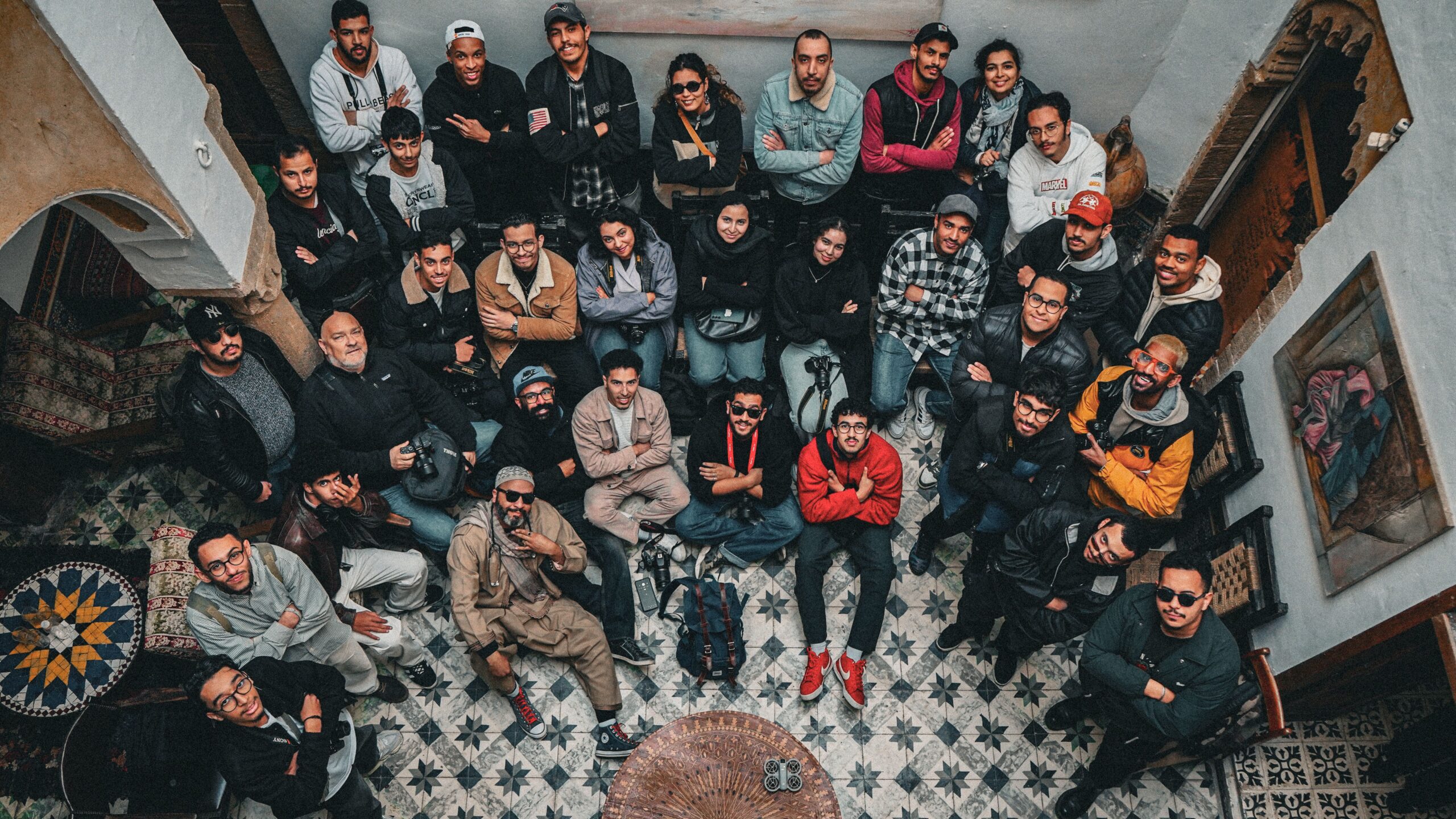 Culture · Language
Different Moroccan Cities Offer Very Different Experiences
Morocco is not a country where one city can easily represent the whole experience. Casablanca is the country’s largest economic centre and feels very different from the tourism-driven atmosphere of Marrakech. Rabat has the functions and rhythm of a capital, while Tangier has its own Mediterranean and Atlantic identity shaped by geography and a long history of international connections.
For someone considering life in Morocco, those differences matter. A remote worker may prioritise reliable internet, cafés, walkability and accommodation suitable for a longer stay, while an expat moving for work may care much more about commuting, neighbourhood services and proximity to professional centres. A traveller staying for several weeks may value an entirely different balance between social life, cost and access to the coast.
The City Theory now also compares where expats tend to live across Morocco, including Marrakech, Casablanca, Rabat, Tangier, Agadir and Essaouira. Looking at individual neighbourhoods makes the differences between these cities much clearer than treating Morocco as a single lifestyle, especially when work, walkability, social life, transport and access to the coast matter more than tourist attractions.
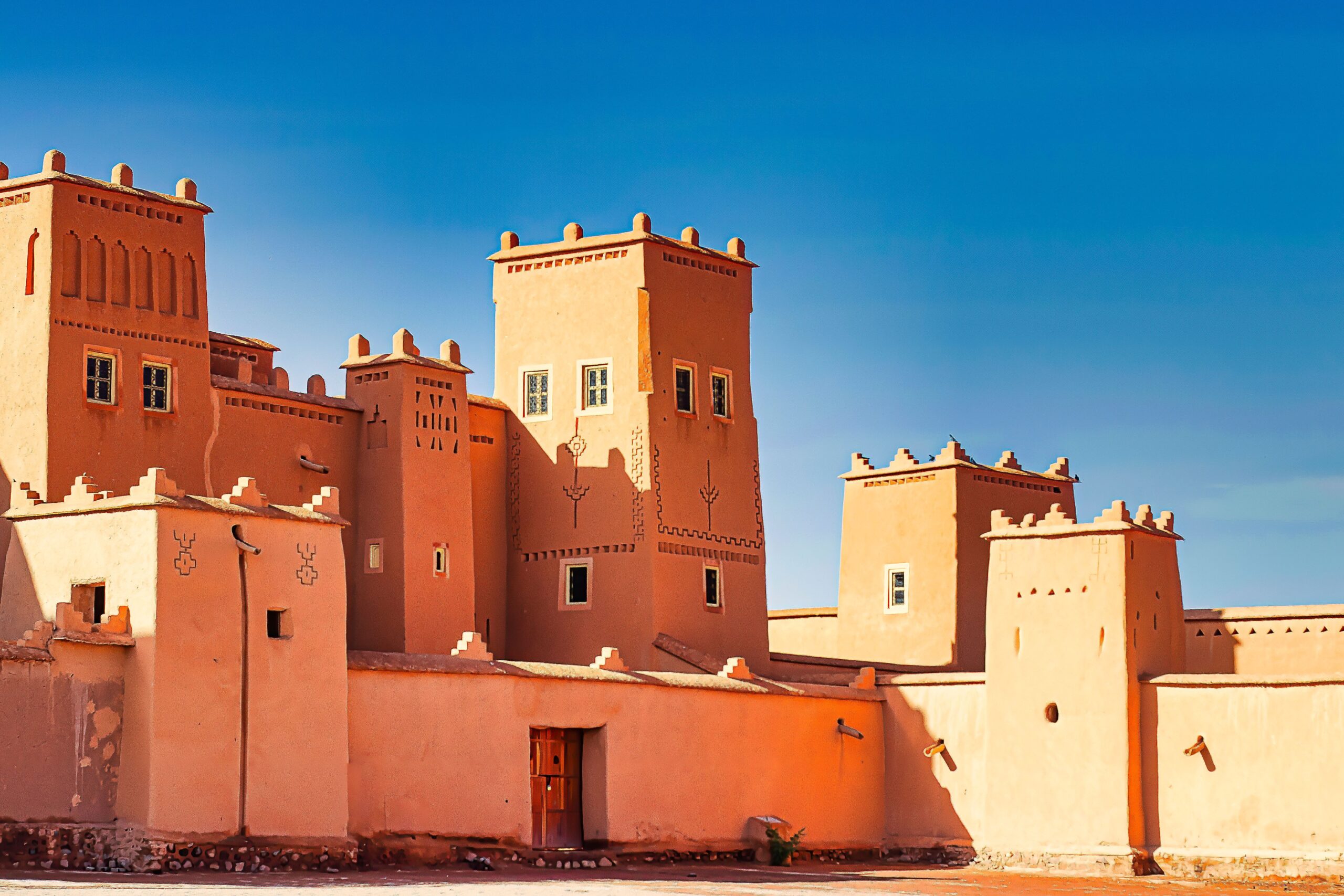
Where Do Expats Live in Morocco?
A practical comparison of Marrakech, Casablanca, Rabat, Tangier, Agadir and Essaouira, including the areas foreigners actually consider and which city fits different lifestyles.
Compare cities & areas →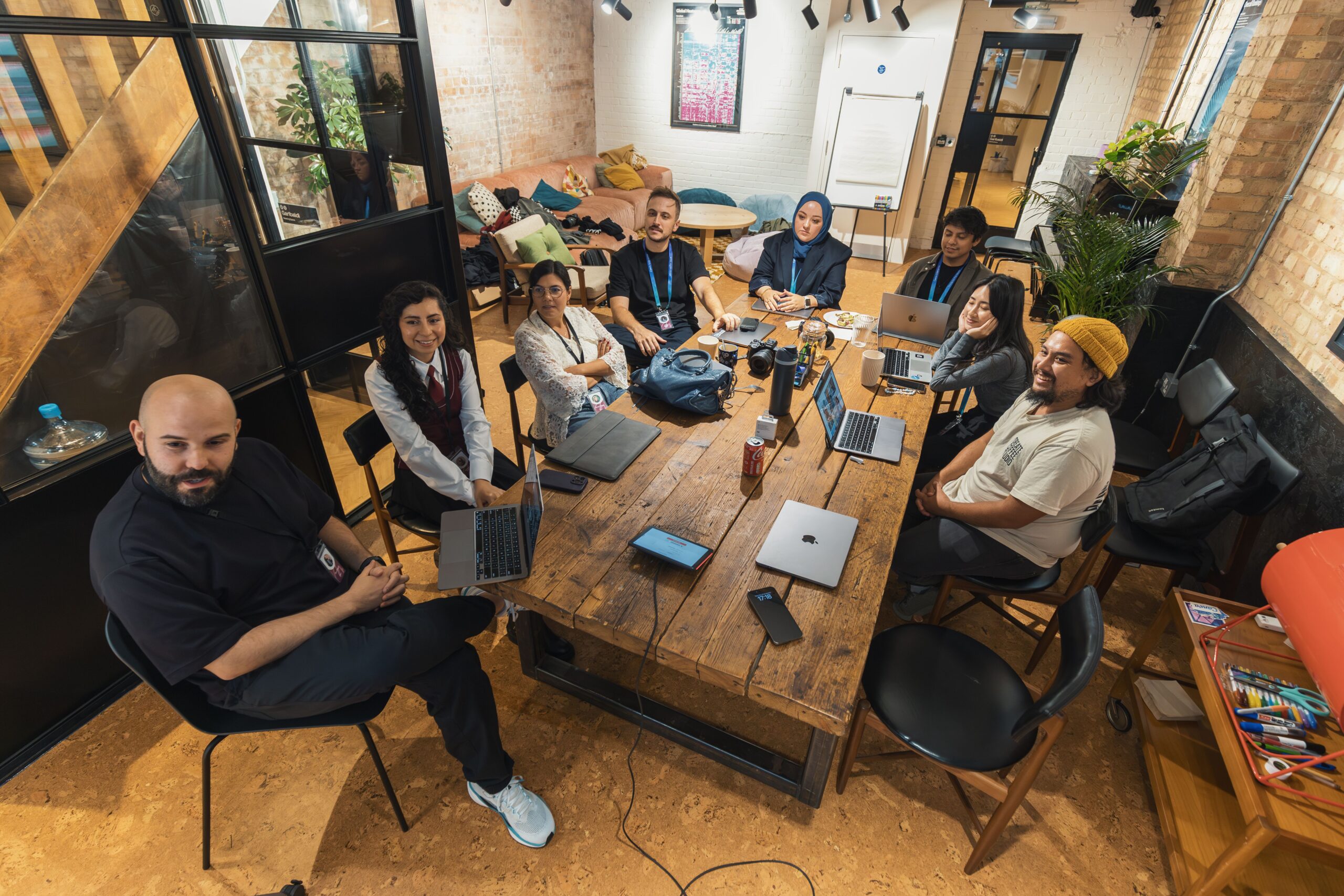
Free Coworking Spaces in Casablanca
A practical guide to free and low-cost places to work in Casablanca, including trial coworking access, libraries, laptop-friendly cafés and affordable backup options with reliable Wi-Fi.
Find a place to work →
Why Is Morocco Called MAR in Football?
Why Morocco appears as MAR in international football and how the abbreviation connects to the country’s French name and international sporting identity.
Read the explanation →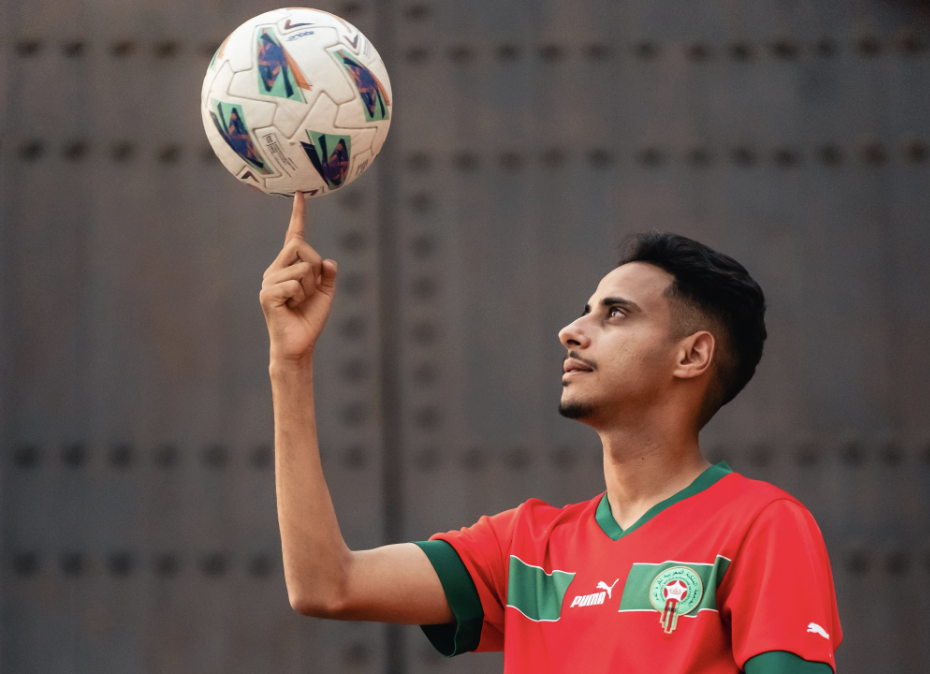
Why Is Morocco So Good at Football?
The infrastructure, diaspora talent, football culture and long-term investment behind Morocco’s growing international success.
Read the story →Understanding Morocco Means Looking Beyond Tourism
Culture remains an important part of this hub because it affects everyday life rather than existing separately from it. Language is a good example. Moroccan Arabic, Amazigh languages, Modern Standard Arabic and French can all appear in different contexts, and the balance changes depending on city, generation, education and professional environment.
The same applies to national identity. Morocco’s football success has become much more than a sporting story, particularly as the country’s national team and players with Moroccan family backgrounds abroad have become increasingly visible internationally. These subjects help explain how Morocco presents itself to the world and how modern Moroccan identity is shaped by history, migration and contemporary life.
As more practical guides are added, these cultural stories will sit alongside articles about housing, neighbourhoods, coworking spaces, remote work and city life. The goal is not to separate “culture” from “living in Morocco”, but to show how the two interact.
What You’ll Find in Our Morocco Guides
The Morocco collection is designed to grow into a broader resource for people interested in travelling, working remotely or living in the country. Current stories now cover expat neighbourhoods, free and low-cost coworking in Casablanca, language, culture and football, while future coverage will continue expanding into cost of living, remote work and more practical city guides.
The hub is organised around both topics and destinations. The current Morocco expat neighbourhood guide compares Casablanca, Rabat, Marrakech, Tangier, Agadir and Essaouira, while future articles can develop those cities individually and compare broader topics such as remote work, housing and everyday costs.
The aim is to build a Morocco country guide that helps readers understand not just what to see, but what it is actually like to spend time there, work there and potentially make one of its cities part of everyday life.