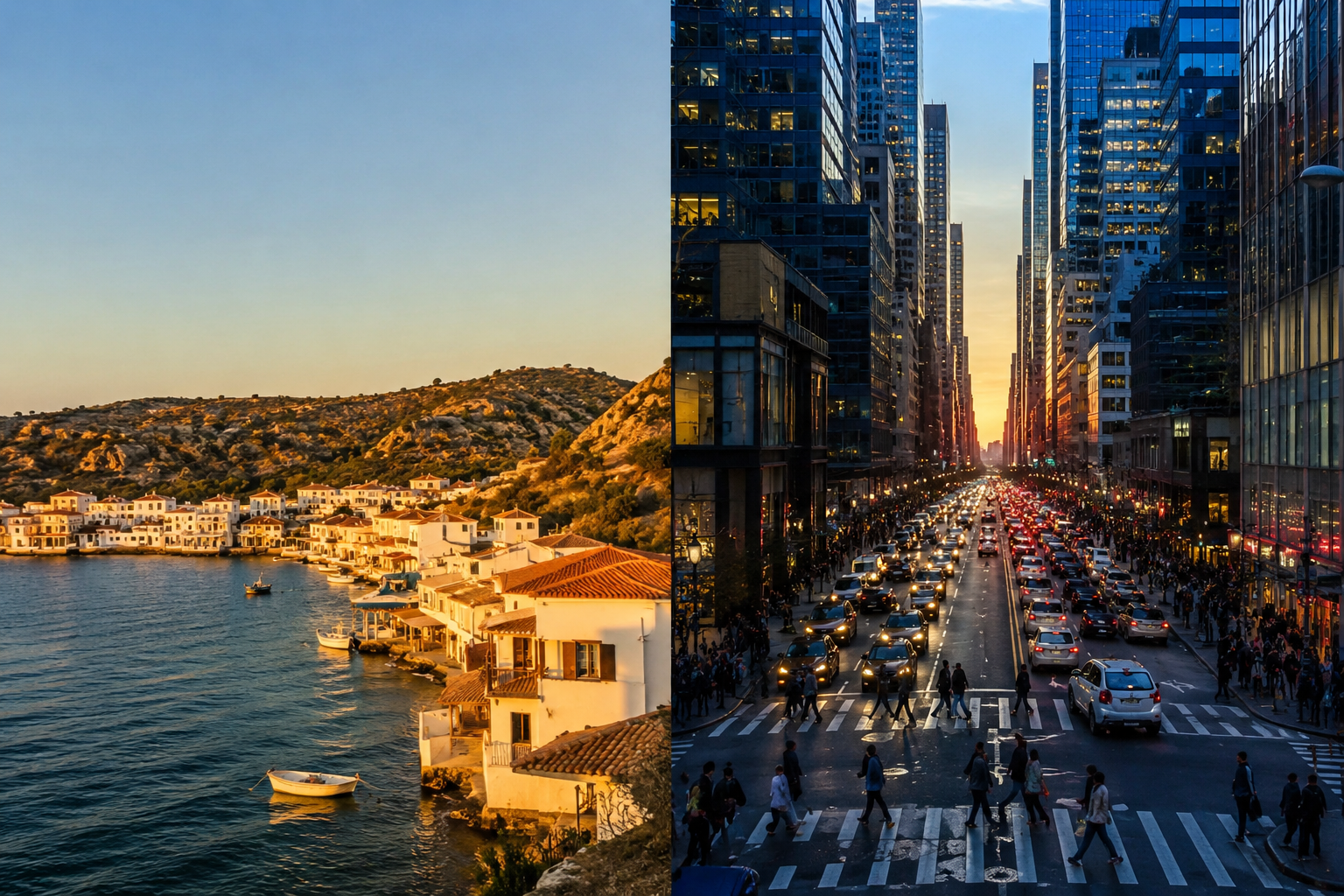
Small Town vs Big City: Which Is Actually Better to Live In?
Living in a small town is usually better if you value lower costs, a slower pace, less noise and more space, while a big city tends to be better for jobs, social life, entertainment, networking and convenience. After living in places as different as Los Angeles, Alanya, Bangkok and Dubai while working remotely, I found that neither option is automatically better. The real difference is how much stimulation, convenience, affordability and social interaction you need in everyday life.
I originally assumed I would always prefer big cities. When I started chasing the digital nomad lifestyle, I imagined remote work inside huge international cities full of opportunities, rooftop bars, coworking spaces and beautiful cafés. Living in Los Angeles initially confirmed that fantasy, but moving later to a much smaller coastal city in Turkey completely changed how I thought about the small town vs big city question.
I had this perfect cinematic image in my head.
I imagined myself sitting in trendy cafés somewhere in Los Angeles drinking matcha latte while working remotely and watching busy city life through huge windows. Or sitting near the ocean with a coconut in one hand and my laptop in the other while answering emails under palm trees. Then the next day moving to a rooftop bar and working from there instead.
What nobody talks about enough, however, is that remote work can also become surprisingly lonely. After the excitement of travelling wears off, you realise that spending entire days alone behind a laptop in a foreign city can affect you emotionally more than expected. I later wrote more deeply about feeling isolated working from home because I realised many remote workers quietly experience the same thing
At that stage, remote work looked less like actual work and more like freedom itself.
Only much later did I realise that working from cafés every single day becomes extremely expensive, and working from beaches is mostly an Instagram fantasy because sunlight makes laptop screens almost impossible to see. But when I first started planning this lifestyle, none of those practical details mattered yet. It was still the beginning of the dream.
And naturally, I decided my journey had to begin in one of the biggest cities in the world. – Los Angeles.
| Factor | Small Town | Big City |
|---|---|---|
| Cost of living | Usually lower | Usually higher |
| Housing | More space for money | Smaller / more expensive |
| Jobs | Fewer local opportunities | More industries and employers |
| Social life | Smaller, closer circles | More people and communities |
| Entertainment | Limited | Much more variety |
| Transport | Car often useful | Better public transport |
| Noise & crowds | Lower | Higher |
| Networking | Limited | Much easier |
| Pace of life | Slower | Faster |
| Remote work | Peaceful but potentially isolating | Convenient but expensive |
Advantages of Living in a Big City
The biggest advantages of living in a big city are access to jobs, social opportunities, entertainment, services, transport and networking. Those were exactly the reasons I initially believed a large city would be the obvious choice for remote work.
At that time, I truly believed becoming a successful digital nomad only made sense in a huge metropolitan city. I thought ambition needed a big city background to survive.
More people.
More opportunities.
More networking.
More inspiration.
More movement.
More energy.
Everything online pushed the same idea. Every digital nomad video showed beautiful people working remotely from expensive cafés, coworkings, rooftop spaces, and beach clubs somewhere in giant global cities.
So I moved to Los Angeles.
I spent three months living near Venice Beach and another three months around Melrose Avenue. In the beginning, the city completely consumed me emotionally. I worked from Starbucks, cafés near the ocean, trendy coffee shops, and aesthetic places that looked exactly like the lifestyle I had imagined online for years. Living there also gave me enough time to discover parts of Los Angeles that are actually enjoyable to explore on foot, from Venice and Santa Monica to Melrose and West Hollywood.
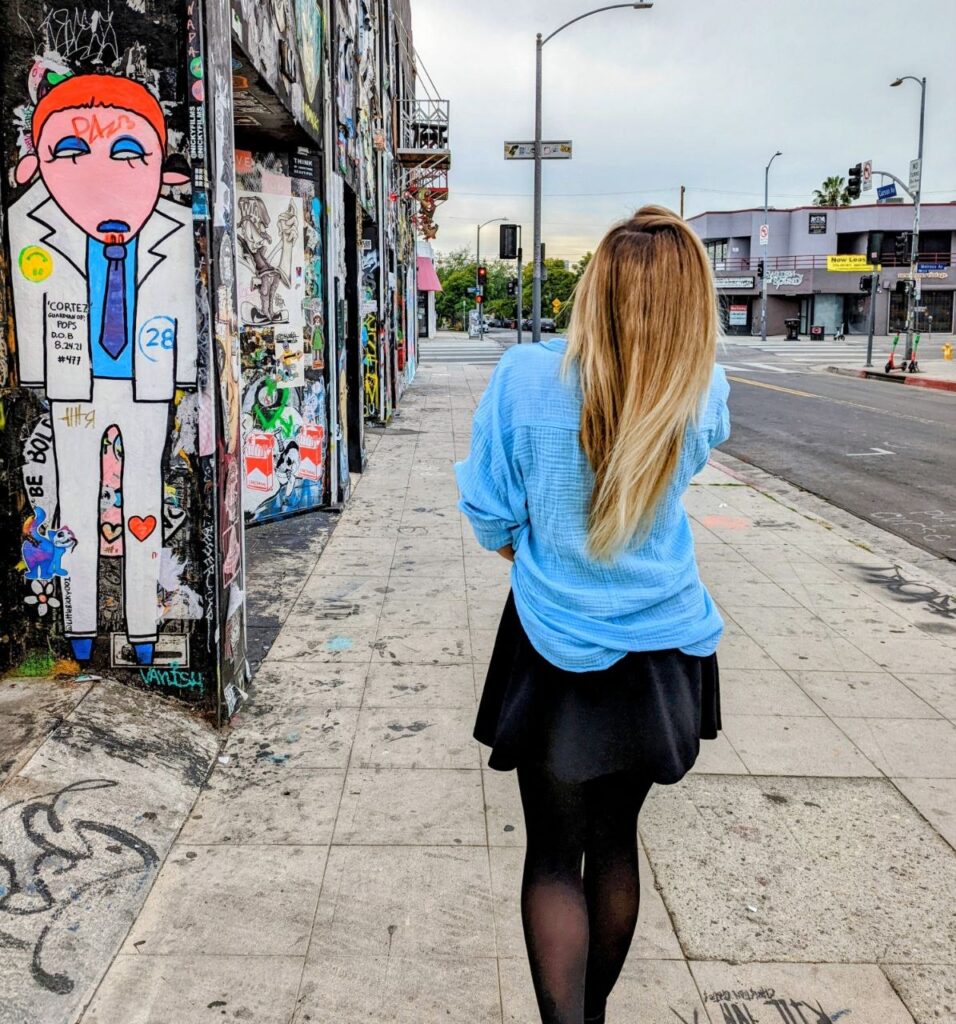
And honestly, at first it really did feel magical.
Los Angeles has this strange energy that makes people feel like their lives could suddenly become bigger there. Palm trees, sunsets, creative people, endless movement, beautiful cafés, rooftop parties — the city constantly feels like something is happening.
But eventually reality catches up.
Disadvantages of Living in a Big City
Los Angeles is incredibly expensive, and very quickly I realised almost my entire salary was disappearing into:
- rent,
- cafés,
- Uber rides,
- food,
- nightlife,
- and trying to maintain the aesthetic version of remote work I had imagined online.
Ironically, after fantasising for years about working remotely from beautiful cafés every day, I slowly stopped doing it because it simply made no financial sense anymore.
Eventually I worked mostly from home anyway.
Except now I was doing it while paying Los Angeles prices.
And that became the first major lesson that completely changed my understanding of Small town vs big city living.
A beautiful city alone does not automatically create a better life.
Advantages of Living in a Small Town
The biggest advantages I noticed after leaving Los Angeles for Alanya were lower everyday costs, less pressure, a slower routine and the ability to enjoy cafés, restaurants and life near the sea without feeling that every ordinary day was draining my budget.
After Los Angeles, I realised I needed somewhere cheaper and emotionally calmer.
So I moved to Turkey, specifically the coastal city of Alanya.
And suddenly everything felt completely different.
Food was affordable.
Coworkings were cheap.
Life near the sea felt slower and more peaceful. The biggest surprise, however, was how much the neighborhood you choose changes your daily experience.
The entire atmosphere felt less aggressive.

Compared to Los Angeles, remote work suddenly became financially sustainable. I no longer felt guilty every time I bought coffee or worked from a café. For the first time, the digital nomad lifestyle actually started feeling realistic instead of performative.
But then another problem appeared.
Disadvantages of Living in a Small Town
Small towns become repetitive very quickly.
At first, resort-town life feels healing. You walk near the sea, eat outside every evening, enjoy sunsets and finally breathe slower again. But eventually you know every street, every café, every restaurant, every beach. And once tourist season ends, many smaller coastal towns become emotionally empty surprisingly fast.
That was probably the moment I fully understood the emotional complexity behind Small town vs big city mentality.
Big cities exhaust you.
Small towns eventually under-stimulate you.
And honestly, neither extreme feels perfect long term.
Small Town Vs Big Town — The Fantasy Versus Reality Of Remote Work
One of the biggest illusions social media created is the idea that remote work automatically equals freedom and happiness.
But remote work changes your relationship with cities in a very strange way.
Before remote work, people tolerated cities because offices justified urban living. But once your entire career exists online, you start questioning everything:
- Why pay huge rent?
- Why tolerate traffic?
- Why stay somewhere emotionally exhausting?
- Why sacrifice peace only to sit on Zoom calls all day anyway?
This is exactly why conversations around Moving away from big city to small city working remote became so common after the pandemic. According to research from the Pew Research Center, remote work completely changed how many people think about where they want to live, work, and build their lifestyle.
People started realising they were building their entire lifestyles around jobs that now existed entirely on laptops.
At the same time, remote work created a completely new anxiety:
what happens if the remote job disappears?
That fear follows many people considering smaller towns. Even people who hate city life emotionally often stay because cities still provide:
- more opportunities,
- more networking,
- more backup plans,
- more industries,
- and more financial security.
In many ways, cities function like professional safety nets.
And honestly, that fear is rational.
Small Town Or Big City For Remote Work
After Turkey, I started looking for something in between.
I wanted:
- warm weather,
- coworkings,
- international people,
- modern infrastructure,
- remote work culture,
- affordable lifestyle,
- and enough social energy to avoid boredom.
At one point I was deciding between Thailand and the UAE. At that point, I also started researching different visa options for remote workers and realised how many countries are now trying to attract digital nomads through special programmes and long-term stays. I even wrote a full guide about countries with digital nomad visas in 2026 for people who are considering the same lifestyle.
I already had experience living in Bangkok before. Thailand obviously had advantages:
- cheap apartments,
- affordable food,
- strong digital nomad culture.
I also knew which parts of the city suited different lifestyles, so settling in was never the difficult part. But emotionally, I never fully connected with the environment there.
Bangkok constantly felt overwhelming to me.
The humidity became exhausting.
The city smell bothered me.
I kept getting food poisoning.
And culturally I never fully felt at home.
That experience taught me something important:
remote work freedom means very little if your environment constantly drains you physically.
And that is when I decided to move to Dubai.
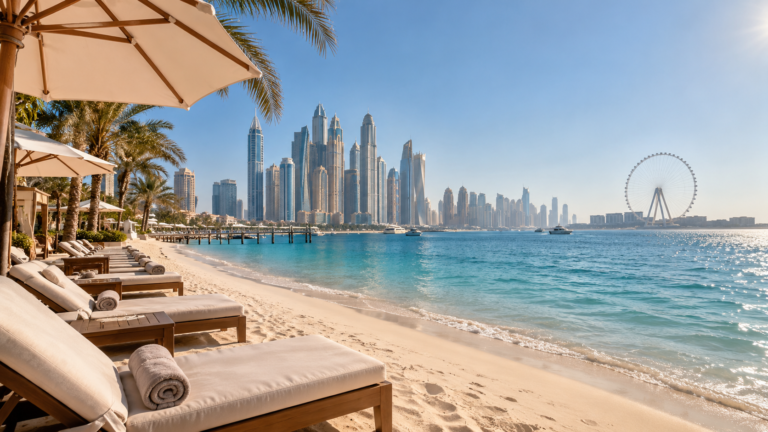
Ironically, Dubai ended up becoming the balance I had been searching for the entire time.
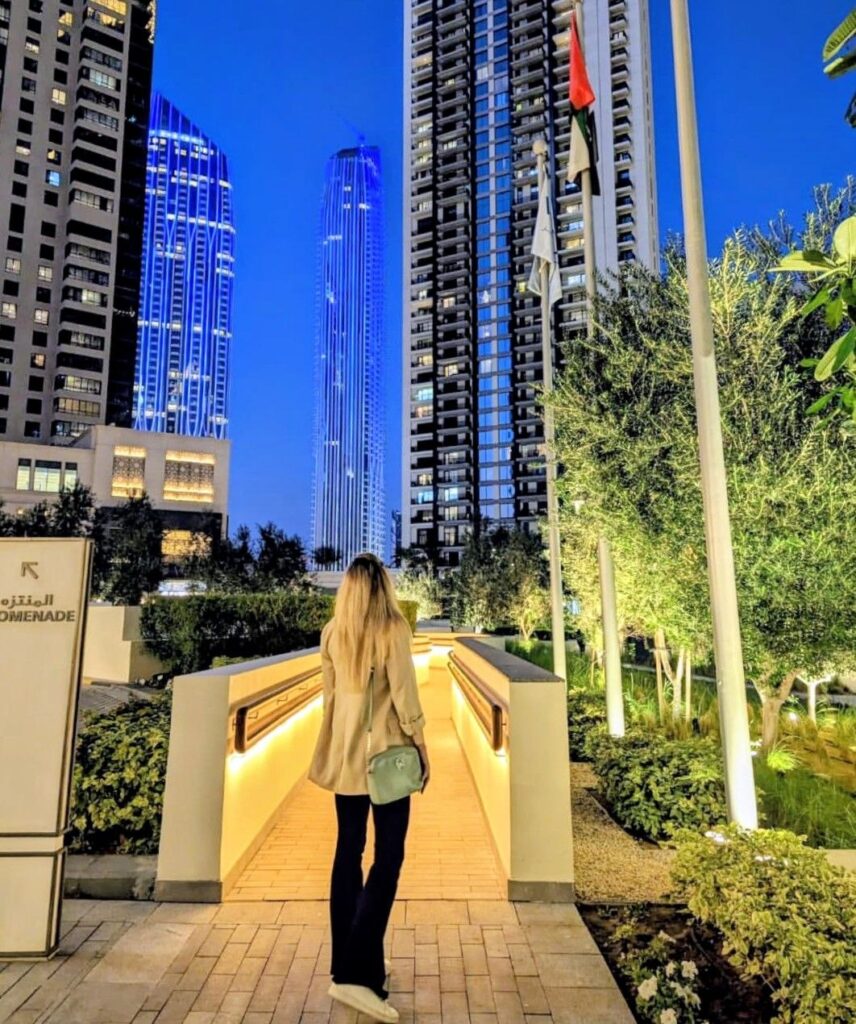
The city combines:
- international expat culture,
- coworkings,
- modern infrastructure,
- social life,
- easy visas,
- warm weather,
- and a relatively comfortable lifestyle.
Unlike Los Angeles, Dubai felt more sustainable financially.
Unlike Alanya, it did not become boring after several months.
Unlike Bangkok, I felt emotionally more compatible with the environment.
And that completely changed how I think about Where to live better: small town or big city.
Small Town Vs Big City Mentality Is Really About Lifestyle
After living between Los Angeles, Alanya, Bangkok, and Dubai, I realised this debate is not really about geography at all.
It is about emotional sustainability.
Some people genuinely thrive in constant movement, nightlife, ambition, networking, unpredictability, and stimulation.
Others slowly burn out from it.
Some people romanticise peaceful small towns until they spend enough time there to realise how isolated and repetitive they can feel. The same can be true in some island destinations, so it’s worth understanding what life as a remote worker in Vanuatu is actually like before making the move.
Others finally breathe properly for the first time after leaving cities behind.
And honestly, most people today seem to be searching for balance rather than extremes.
Not complete isolation.
Not constant chaos.
Just enough movement to feel alive.
And enough peace to stay sane.
That is why so many remote workers now fantasise about:
- medium-sized cities,
- coastal towns near airports,
- suburbs close to major cities,
- or quieter places with access to urban life when needed.
Because modern life exhausted people more than they expected.
And maybe that is the real reason conversations about Small town vs big city became so emotional recently.
People are no longer simply choosing where they want to live.
They are trying to choose what kind of life they can emotionally survive long term.
FAQ
Is it better to live in a small town or a big city?
There is no universal answer because the best choice depends on your personality, career goals, lifestyle preferences, and stage of life. Big cities often offer more opportunities, entertainment, and networking, while small towns typically provide a slower pace, lower stress levels, and a stronger sense of community.
Why do people leave big cities for small towns?
Many people leave large cities because of rising living costs, overcrowding, long commutes, noise, burnout, and a desire for a simpler lifestyle. Remote work has made this transition easier by allowing professionals to earn city salaries while living in smaller, more affordable places.
Are small towns better for remote work?
For some remote workers, yes. Small towns can offer lower living costs, fewer distractions, shorter commutes, and a better work-life balance. However, they may also have fewer networking opportunities, coworking spaces, and social events compared to larger cities.
Why do people romanticize small-town living?
Many people associate small towns with community, nature, slower living, and a lower-stress lifestyle. However, the reality is often more complex. While small towns can feel peaceful and welcoming, they may also offer fewer career opportunities, less diversity, and a smaller social scene.
Can you feel lonely in a small town?
Absolutely. While small towns are often associated with strong communities, newcomers can sometimes struggle to build social connections. In some cases, it can actually be easier to meet new people in large cities because of the number of events, communities, and social opportunities available.
Are big cities better for making friends?
Big cities offer more opportunities to meet people through work, hobbies, networking events, sports clubs, and social communities. However, many city residents also report feeling lonely despite being surrounded by people. Quantity of social opportunities does not always translate into deeper connections.
Why do digital nomads move to small towns?
Many digital nomads are increasingly choosing smaller towns because they offer lower costs, less tourism, better quality of life, and a more authentic local experience. After spending years moving between major cities, some remote workers begin prioritizing community and lifestyle over excitement.
Is small-town living cheaper than city life?
In most cases, yes. Housing, transportation, dining, and everyday expenses are often significantly lower in small towns than in major metropolitan areas. This affordability is one reason many remote workers and expats are relocating away from expensive cities.
What are the disadvantages of living in a small town?
Common challenges include fewer job opportunities, limited public transport, smaller social circles, less nightlife, fewer cultural events, and reduced access to specialized services. The trade-off for a quieter lifestyle is often a lower level of convenience and variety.
Why do people move back to cities after leaving?
Some people miss the energy, diversity, career opportunities, cultural events, restaurants, and social possibilities that larger cities provide. While small-town living can feel relaxing at first, some residents eventually crave the stimulation and opportunities available in urban environments.
Can remote work make small-town living more attractive?
Yes. Remote work has fundamentally changed where people can live. Many professionals no longer need to stay near corporate offices, allowing them to choose locations based on lifestyle, affordability, climate, or personal happiness rather than commuting distance.
What is the biggest difference between small-town and city life?
The biggest difference is often pace. Cities tend to move faster, offer more opportunities, and expose residents to greater diversity. Small towns usually provide more space, slower routines, and stronger local familiarity. Neither is objectively better—they simply appeal to different lifestyles and priorities.
Explore the Expat Life Hub
Discover more practical guides about moving abroad, finding the right neighbourhood, adapting to a new country and building a life as an expat around the world.
Explore the Expat Life Hub →This article combines personal observations, independent editorial research, and discussions from people who have experienced both small-town and big-city living.
Research sources included:
- Personal observations from living in and visiting communities of different sizes.
- Community discussions and first-hand experiences shared on Reddit by residents, expats, and travellers.
- Urban lifestyle insights and city living perspectives published by Discover Los Angeles.
- Social and demographic research published by the Pew Research Center.
The goal is to explore the advantages and challenges of both small-town and big-city life, including community, lifestyle, opportunities, cost of living, and overall quality of life.

Founder & Editor
Founder of The City Theory, writing about digital nomad lifestyle, modern city culture, remote work, travel experiences, psychology and human behaviour around the world.