
Countries With Digital Nomad Visas in 2026: Best Options, Costs and Requirements
Dozens of countries now offer visas or residence permits designed for remote workers, freelancers and people earning income from abroad. In 2026, the strongest options include Spain, Portugal, Croatia, Greece, Italy, Thailand, Indonesia, Brazil, Costa Rica, Colombia, Mauritius and several other destinations, but the requirements vary dramatically. Some programs require relatively modest monthly income, while others target higher-earning professionals and entrepreneurs.
The best digital nomad visa depends on what matters most to you: low taxes, affordable living, long visa duration, a path to residency, easy application rules or simply the ability to live legally in a country while working for foreign clients or employers.
I compared the main programs by visa duration, income requirements, cost, lifestyle, bureaucracy and practical suitability for remote workers. Because visa rules change frequently, official government sources should always be checked before applying.
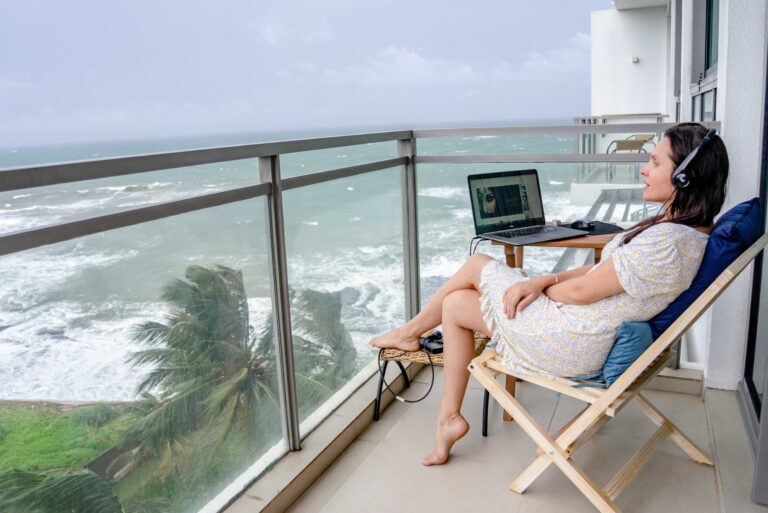
A few years ago, digital nomad visas still sounded experimental. Governments were cautiously testing whether remote workers could become a new economic category between tourist and immigrant. By 2026, the situation has completely changed. Digital nomad visa programs are now one of the fastest-growing migration trends in the world, and countries across Europe, Asia, Latin America, and even parts of Africa are actively redesigning immigration systems around remote work culture, especially as the rise of digital nomad lifestyles continues reshaping global employment patterns.
But after spending weeks analysing digital nomad communities, Reddit discussions, visa databases, relocation forums, government portals, tax policies, and real stories from people already living abroad, one thing became very obvious: the internet still massively romanticises digital nomad life while underestimating how complicated the legal, financial, and psychological reality actually is.
The dream is simple. Work online. Travel freely. Escape office burnout. Build a better lifestyle somewhere cheaper, sunnier, calmer, or emotionally healthier. Or maybe a good alternative to Bali.
The reality is far more layered.
Some countries actively welcome remote workers but quietly create impossible bureaucracy afterwards. Some offer beautiful tax incentives but terrible healthcare systems. Others appear cheap online until housing inflation caused by tourism and expat migration completely changes local prices. And some destinations that once felt like paradise now feel overcrowded, overhyped, and financially unsustainable — which is exactly why many people now research how to become a digital nomad with no experience more carefully before making drastic life decisions.
Still, millions of people continue searching for one thing:
A country where modern life feels more manageable.
| Country | Visa / Program | Typical Duration | Income Requirement | Best For |
|---|---|---|---|---|
| Spain | Digital Nomad Visa | 1–3+ years | Approx. €2,700+/month | Long-term EU stay |
| Portugal | D8 | 1–2 years | Approx. €3,000+/month | Lifestyle + EU base |
| Croatia | Digital Nomad Residence | Up to 18 months | Varies | Lower-cost Europe |
| Thailand | DTV | Multi-entry up to 5 years | Savings / income conditions | Asia + lifestyle |
| Indonesia | Remote Worker Visa | Varies | Higher-income remote workers | Bali |
| Brazil | Digital Nomad Visa | 1 year renewable | Approx. US$1,500/month | Latin America |
| Mauritius | Premium Visa | Up to 1 year | Proof of remote income | Island lifestyle |
Best Digital Nomad Visas in 2026
If I were choosing by overall practicality rather than popularity, I would separate the programs by type:
Best for long-term Europe: Spain
Best for lower-cost Europe: Croatia or Greece
Best for Southeast Asia: Thailand
Best for higher-income remote workers: UAE
Best for Latin America: Brazil or Costa Rica
Best for island lifestyle: Mauritius
There is no single “best” visa because income thresholds, taxes, healthcare, bureaucracy and long-term residency goals matter more than Instagram popularity.
Why Countries With Digital Nomad Visas Became So Popular
The rise of digital nomad visas is directly connected to three global shifts happening simultaneously:
• Remote work became normalised after COVID
• Living costs exploded in major cities
• People became emotionally exhausted by traditional work culture
For many people, becoming location-independent is no longer about luxury or Instagram aesthetics. It is about survival, freedom, mental health, and long-term quality of life.
The modern remote worker is often not someone “escaping work,” but someone trying to redesign life itself.
And governments noticed.
Countries realised that remote workers bring foreign income without competing heavily for local employment. Digital nomads rent apartments, use cafés, spend money locally, travel frequently, and inject international income into economies without requiring traditional corporate sponsorship. This shift became especially visible as the global future of work started moving toward remote and location-independent employment models.
That is why the number of digital nomad visa available countries continues growing every year.
Countries With Digital Nomad Visas 2026
Countries for Digital Nomad Visas Europe
Europe remains the emotional centre of digital nomad culture because it combines infrastructure, healthcare, safety, transport, and lifestyle quality. But Europe is no longer cheap.
Spain
Spain has become one of the strongest digital nomad visa destinations in Europe after launching its remote work residency program.
Visa Length:
Initially 1 year, renewable up to 5 years.
Income Requirement:
Approximately €2,600–€4,000+ monthly depending on dependents.
Main Advantages:
- Fast internet
- Excellent healthcare
- Strong expat communities
- Warm climate
- Lower costs than Northern Europe
Main Problems:
- Bureaucracy
- Taxes
- Rising housing prices
- Tourist inflation in cities like Barcelona and Málaga
Spain works best for remote workers earning stable international income who want long-term European residency rather than ultra-cheap living.
Portugal
Portugal was once considered the ultimate digital nomad paradise. Lisbon became almost symbolic of remote work culture itself.
But by 2026, Portugal is also one of the clearest examples of what happens when digital nomad migration becomes too successful.
Rental prices exploded. Local frustration increased. Some tax benefits disappeared.
Still, Portugal remains attractive because of:
- Safety
- Weather
- Strong infrastructure
- International communities
- English-speaking environment
Visa Length:
Usually 1–2 years renewable.
Income Requirement:
Roughly €3,000+ monthly.
Reality Check:
Portugal is no longer a “cheap Europe hack.” It is now closer to a premium lifestyle destination.
Greece
Greece quietly became one of the most interesting countries for digital nomad visas Europe because it still offers relatively affordable living compared to Western Europe while maintaining Mediterranean lifestyle appeal.
Main Benefits:
- Lower living costs
- Beautiful islands
- Good weather
- Relaxed lifestyle
Challenges:
- Slower bureaucracy
- Lower salaries locally
- Limited infrastructure outside major cities
Athens and Thessaloniki became particularly popular among remote workers wanting Europe without Western European prices.
Italy
Italy attracts digital nomads emotionally more than practically.
The country offers:
- Incredible lifestyle
- Food
- Architecture
- Culture
- Slower pace of life
But almost every experienced remote worker mentions the same issue:
Italian bureaucracy can become exhausting.
Southern Italy remains cheaper and increasingly popular among remote workers trying to escape Northern European costs.
Croatia
Croatia became one of the earliest successful European digital nomad visa experiments.
Main Advantages:
- Adriatic coast
- Lower costs than Western Europe
- Strong seasonal lifestyle
- Good internet
Croatia works especially well for freelancers and remote workers wanting European residency without major Western European expenses. If you’re weighing different options in the region, it’s worth comparing the monthly cost of living across the Balkans before deciding where to base yourself.
Countries for Digital Nomad Visas Asia
Asia still dominates global digital nomad culture because it combines low living costs with strong lifestyle value.

Thailand
Thailand remains the unofficial capital of digital nomad life.
The massive popularity visible across nomad communities is not accidental.
Thailand offers:
- Extremely developed nomad infrastructure
- Cheap food
- Affordable apartments
- Coworking spaces
- Excellent tourism infrastructure
- Strong social scene
Main Visa:
Destination Thailand Visa (DTV)
Length:
Up to 5 years.
Reality:
Thailand is still one of the best value countries in the world for remote workers.
Chiang Mai remains famous for affordability, while Bangkok attracts higher-income professionals and entrepreneurs looking for the neighborhoods that best match their lifestyle and budget.
Indonesia (Bali)
Bali remains emotionally iconic in digital nomad culture, but legally and financially, the situation became much more complicated.
Many people still incorrectly assume tourist visas legally allow remote work. Indonesian immigration increasingly distinguishes between tourism and online employment.
Main Visa:
E33G Digital Nomad Visa.
Advantages:
- Huge nomad community
- Beautiful environment
- Strong café culture
- Networking opportunities
Problems:
- Overcrowding
- Visa confusion
- Infrastructure issues
- Traffic
- Growing prices
Bali today feels less like hidden paradise and more like a fully developed global remote work ecosystem.
Malaysia
Malaysia is becoming one of the smartest alternatives to Thailand and Bali.
Why?
Because it offers:
- Better infrastructure
- Modern cities
- Lower stress
- Good healthcare
- Strong internet
- Relatively affordable prices
Kuala Lumpur increasingly attracts remote workers who want Southeast Asia without constant tourism chaos.
Vietnam
Vietnam remains one of the cheapest strong digital nomad destinations in Asia.
Main Strengths:
- Very low living costs
- Fast-growing infrastructure
- Excellent food
- Large café culture
- Strong expat communities
Ho Chi Minh City became particularly popular among freelancers, affiliate marketers, developers, and startup founders.
Countries for Digital Nomad Visas MENA
The Middle East is becoming one of the most underrated remote work regions globally. While many people still associate the region mostly with tourism or oil economies, several countries are now actively positioning themselves as international hubs for freelancers, entrepreneurs, creators, and online business owners.
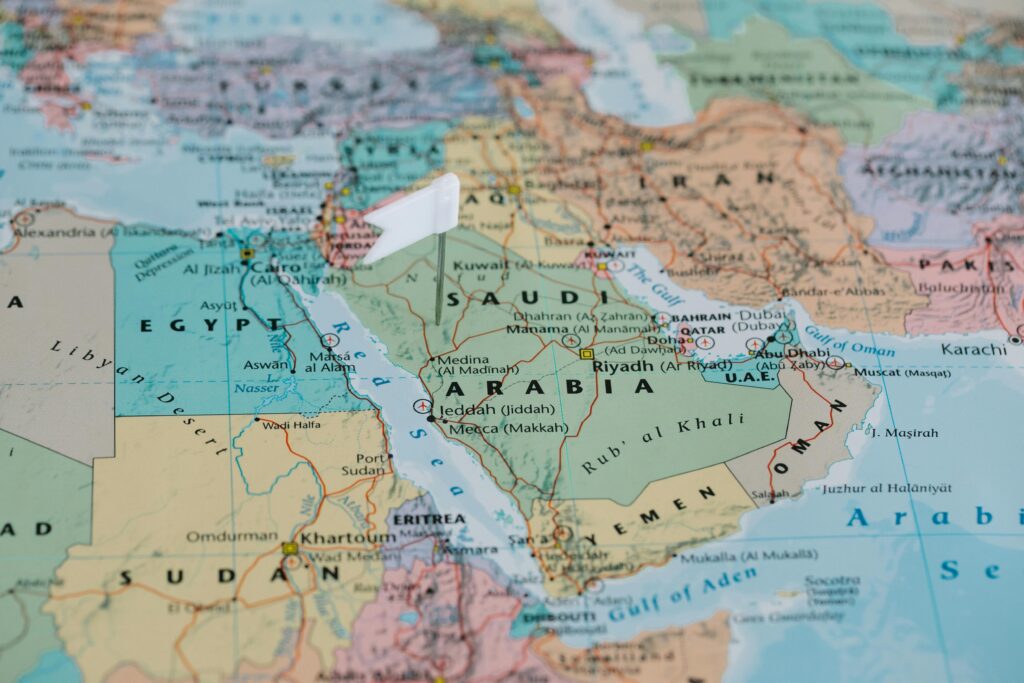
United Arab Emirates (Dubai)
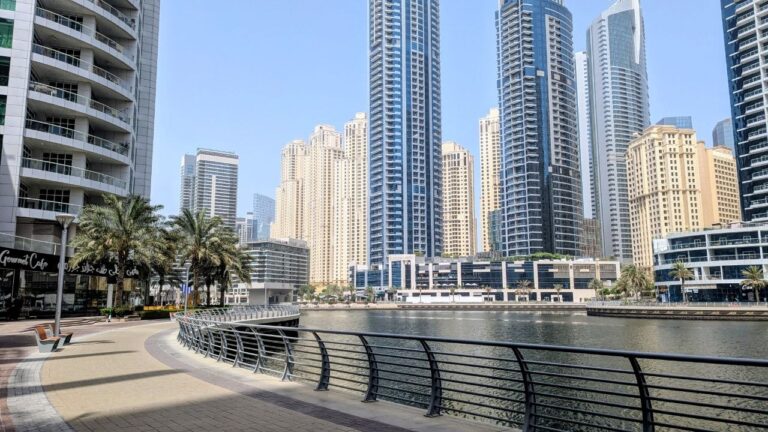
Dubai became one of the most interesting countries that offer digital nomad visas because it combines modern infrastructure, tax advantages, safety, global connectivity, and an extremely international environment.
Unlike many countries trying to attract remote workers only recently, Dubai already had strong foundations for location-independent professionals:
- Excellent internet
- Global banking
- Luxury and budget living options
- Huge expat community
- Coworking spaces
- International airports
- English-speaking business culture
One of the most popular options in Dubai is the freelancer visa.
The freelancer visa is often used by:
- Digital marketers
- Affiliate marketers
- Designers
- Writers
- Developers
- Social media specialists
- Consultants
- Online entrepreneurs
- Content creators
There are several ways to apply, but the most common routes are:
- GoFreelance Dubai
- Free zones like Dubai Media City
- TECOM freelance permits
- Abu Dhabi freelance programs
Approximate costs
The full process usually includes:
- Freelance permit
- Residency visa
- Emirates ID
- Medical test
- Establishment card
Estimated total cost:
Around $2,000–$5,000 depending on the free zone and setup.
Main advantages of Dubai
- No personal income tax
- Strong international networking
- Safety
- Modern infrastructure
- Global business environment
- Easy banking compared to many countries
- Huge international airport connections
Main challenges
- High rent prices
- Hot climate
- Expensive healthcare without insurance
- Fast-paced lifestyle
- Increasing competition
Still, Dubai became one of the strongest global hubs for remote entrepreneurs because it offers something many countries cannot: stability combined with global business access.
And psychologically, Dubai attracts a very specific type of digital nomad. Not people searching for escape from ambition, but people trying to combine freedom with high-level professional growth, despite the reality of how difficult it is to find a job in Dubai and how competitive the city’s professional environment has become in recent years.
Saudi Arabia
Saudi Arabia quietly started opening more flexible pathways for international professionals and remote workers as part of its Vision 2030 transformation strategy.
While the country is still far less developed for nomad culture compared to Dubai or Thailand, Riyadh increasingly attracts tech professionals, startup founders, consultants, and digital entrepreneurs.
The biggest advantage is opportunity. The biggest challenge is adaptation to local regulations and cultural differences.
Latin American Countries for Digital Nomad Visas

Latin America attracts people looking for:
- Lower costs
- Warmer lifestyle
- Slower pace
- Cultural openness
- Better weather
But safety and language barriers remain important considerations, and seasonality can make a huge difference too. If you’re planning to work remotely in the region, it is worth comparing which Latin American destinations make the most sense in September before choosing a base.
Mexico
Mexico became one of the strongest remote work destinations globally.
Why People Choose Mexico:
- Geographic proximity to the US
- Large expat communities
- Lower living costs
- Amazing food
- Flexible lifestyle
Mexico City, Playa del Carmen, Tulum, and Oaxaca all became major nomad hubs.
But rising expat migration also heavily increased local rents.
Colombia
Colombia is one of the most debated digital nomad destinations online.
Some remote workers describe it as underrated and emotionally vibrant. Others remain worried about safety.
Still, Colombia continues growing in popularity because:
- Living costs remain relatively low
- Climate is attractive
- Internet improved dramatically
- Medellín became a huge nomad centre
Brazil
Brazil attracts adventurous remote workers more than beginners.
The country offers:
- Incredible culture
- Huge cities
- Beach lifestyle
- Strong social energy
But bureaucracy, taxes, and safety concerns make Brazil less beginner-friendly than Southeast Asia.
African Countries for Digital Nomad Visas
Africa remains one of the least explored regions in mainstream digital nomad culture, but this is slowly changing.
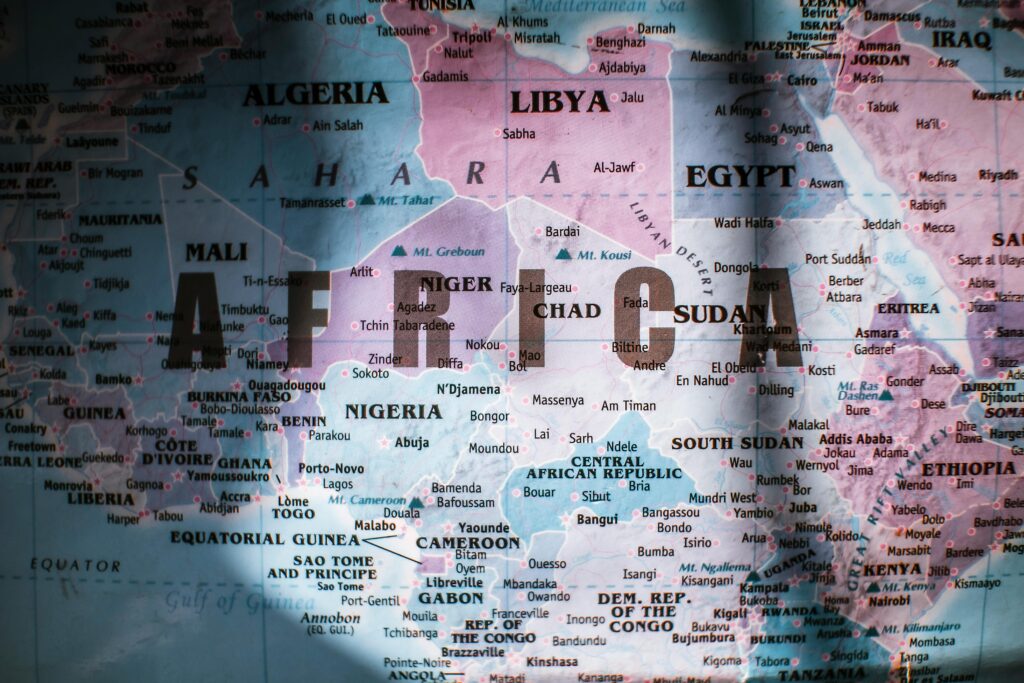
Kenya
Kenya increasingly appears in remote work discussions because Nairobi is developing into a major African tech hub.
Strengths:
- Growing startup ecosystem
- English-speaking environment
- Nature
- Strong internet in cities
Concerns:
- Healthcare preparation
- Insurance
- Infrastructure variability
Still, Kenya represents something important: digital nomad culture is expanding far beyond the traditional Bali–Portugal–Thailand triangle.
Mauritius
Mauritius quietly became one of the most attractive island destinations for higher-income remote workers.
It combines:
- Safety
- Beaches
- Stable infrastructure
- Strong banking system
- International environment
But it is not cheap.
Mauritius works better for established professionals than beginner freelancers.
Digital Nomad Visa Available Countries Are Changing Migration Forever
The most fascinating thing about modern digital nomad visas is not tourism.
It is how they completely redefine migration itself.
For decades, moving abroad usually required:
• Marriage
• Corporate sponsorship
• Student visas
• Investment
• Permanent immigration systems
Now millions of people can legally relocate simply because their laptop income exists online.
That changes everything.
The rise of countries that offer digital nomad visas reflects a deeper transformation happening globally: work is no longer fully connected to geography.
And psychologically, that changes how people imagine life itself.
The Truth About Countries With Digital Nomad Visas 2026
After analysing hundreds of real discussions from remote workers, one pattern becomes impossible to ignore:
Most digital nomads are not actually searching for beaches.
They are searching for emotional freedom.
They want control over their time, environment, cost of living, social life, and mental health. Many are escaping burnout, expensive cities, office politics, or lifestyles that no longer feel emotionally sustainable.
But digital nomad life also comes with instability:
• Constant bureaucracy
• Loneliness
• Visa renewals
• Tax confusion
• Housing uncertainty
• Healthcare questions
• Lack of long-term structure
That is why the most successful digital nomads in 2026 are usually not influencers.
They are people who learned how to build stability inside instability.
And perhaps that is the real story behind countries with digital nomad visas 2026.
The world is no longer simply divided between tourists and immigrants.
A completely new category of people now exists somewhere in between.
FAQ
Which countries have digital nomad visas in 2026?
In 2026, dozens of countries offer digital nomad visas, including Portugal, Spain, Italy, Greece, Croatia, Thailand, Indonesia, Brazil, and Costa Rica. The number of countries competing for remote workers continues to grow each year.
What is the best digital nomad visa in 2026?
The best digital nomad visa depends on your priorities. Some remote workers prioritize low taxes, while others focus on affordability, quality of life, healthcare, climate, or a strong nomad community. Portugal, Spain, Thailand, and Italy are frequently mentioned among the most attractive options in 2026.
Which country is easiest to get a digital nomad visa?
Countries with relatively straightforward application processes often include Costa Rica, Croatia, Brazil, and Thailand. However, requirements can change frequently, so applicants should always verify income thresholds, documentation requirements, and processing times before applying. Anyone exploring long-term retirement residency pathways should expect immigration rules to evolve over time and plan accordingly.
What is the cheapest country with a digital nomad visa?
Several countries with digital nomad visas remain relatively affordable compared to Western Europe and North America. Popular budget-friendly options include Thailand, Indonesia, Colombia, Brazil, and parts of Eastern Europe, where living costs can be significantly lower while maintaining a comfortable lifestyle.
Can I live permanently on a digital nomad visa?
Most digital nomad visas are designed as temporary residence programs rather than pathways to permanent immigration. Some countries allow renewals, while others impose time limits. Long-term residency options vary depending on local immigration laws, so it’s important to research the specific requirements if you’re considering working remotely from Vanuatu.
How much income do you need for a digital nomad visa?
Income requirements vary widely between countries. Some programs require proof of a few thousand dollars per month, while others have significantly higher thresholds. In general, applicants must demonstrate that they earn enough remotely to support themselves without taking local employment.
Which digital nomad visa is best for Europe?
Europe offers some of the most popular digital nomad visa programs. Portugal, Spain, Greece, Italy, and Croatia are often considered among the strongest options because of their infrastructure, quality of life, transportation networks, and growing remote work communities.
Are digital nomad visas worth it?
For many remote workers, digital nomad visas provide legal residency, longer stays, access to local services, and greater stability compared to constantly renewing tourist visas. Whether they are worth it depends on how long you plan to stay and how important legal certainty is for your lifestyle.
What are the best countries for remote workers in 2026?
Beyond visa availability, the best countries for remote workers often combine affordable living, reliable internet, strong healthcare, safety, and an active international community. Countries such as Portugal, Thailand, Spain, Italy, Vietnam, and Indonesia frequently appear on digital nomad rankings, but the best countries for digital nomads in August can look very different once you factor in peak-season crowds, accommodation prices and summer weather.
What is remote work migration?
Remote work migration refers to the growing trend of professionals relocating internationally while keeping jobs, clients, or businesses based elsewhere. Instead of moving for local employment, digital nomads move to countries that offer a better lifestyle, lower costs, favorable visa policies, or stronger communities.
Are digital nomads leaving expensive countries?
Yes. One of the biggest trends in 2026 is remote workers leaving expensive cities and countries in search of better value. Rising housing costs, inflation, and overcrowding have encouraged many digital nomads to explore emerging destinations that offer a higher quality of life at a lower cost.
Which countries are attracting the most digital nomads in 2026?
Countries attracting large numbers of digital nomads include Portugal, Spain, Thailand, Indonesia, Italy, Greece, Brazil, and Mexico. These destinations continue to benefit from a combination of visa programs, climate, affordability, infrastructure, and established remote work communities.
Explore the Digital Nomad Life Hub
Discover more practical guides about digital nomad costs, visas, destinations, coworking spaces and the everyday reality of building a location-independent life.
Explore the Digital Nomad Life Hub →This article combines personal experience with international travel and relocation, independent editorial research, and discussions from digital nomads who have explored visa programs around the world.
Research sources included:
- Personal observations related to travel, relocation, and international lifestyle planning.
- Community discussions and first-hand experiences shared on Reddit by digital nomads and remote workers.
- Economic, labour market, and mobility research published by the Organisation for Economic Co-operation and Development (OECD).
- Information related to remote work, international talent, and future economic development initiatives published by Saudi Vision 2030.
The goal is to provide an overview of digital nomad visa opportunities in 2026 while helping readers better understand how countries are adapting to remote work, global mobility, and location-independent lifestyles.

Founder & Editor
Founder of The City Theory, writing about digital nomad lifestyle, modern city culture, remote work, travel experiences, psychology and human behaviour around the world.