
How to Become a Digital Nomad With No Experience in 2026
You can become a digital nomad with no previous remote-work experience, but the safest way is to build remote income before you start travelling. If I were beginning again from zero, I would first choose one skill that can be sold online, spend several months practising it, get my first freelance client or remote job, build savings for at least a few months of living expenses, and only then choose my first destination.
I did not start with a remote career either. I had spent years working in offices and had no clear idea how people actually earned money while travelling. I eventually taught myself affiliate and performance marketing, started earning online and only then began travelling. The process was much less glamorous than the digital nomad lifestyle I had seen online, but it was also much more realistic.
The important thing is to separate two goals that beginners often combine: becoming employable remotely and becoming a traveller. The remote income should come first. Once you can reliably work online, becoming location-independent becomes much easier.
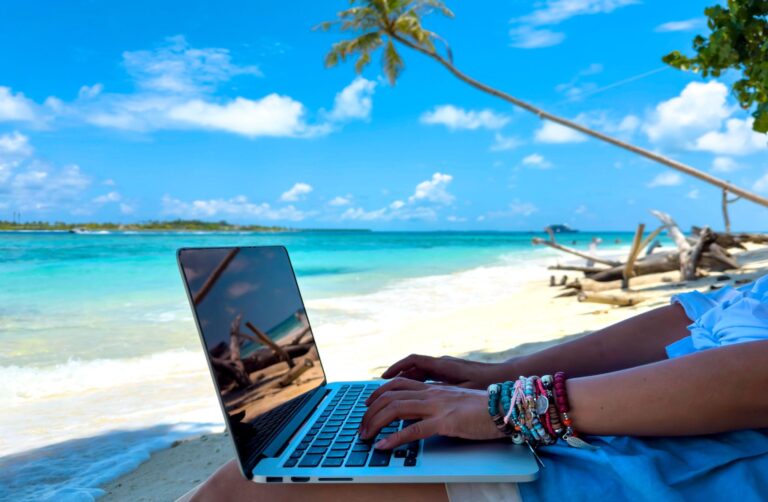
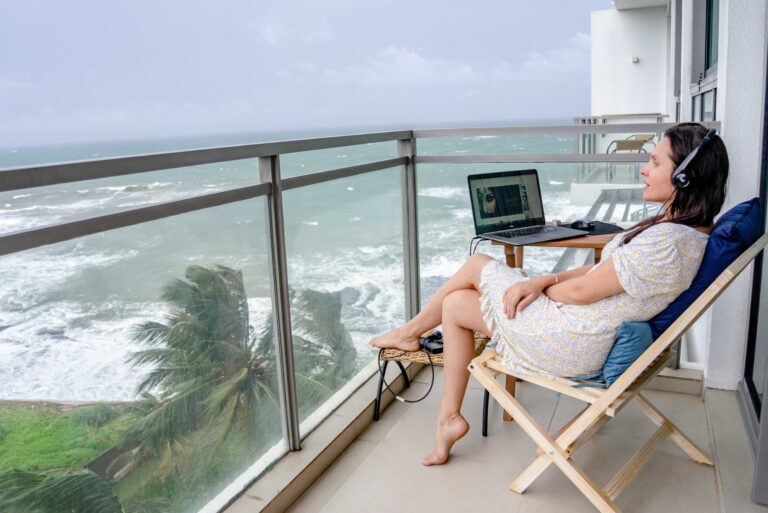
For years, social media presented digital nomad life almost like a fantasy. People saw laptops near beaches, tropical cafés, coworking spaces in Bali, rooftop apartments in Thailand, and influencers claiming they escaped the system forever. But by 2026, the conversation has changed. According to Nomad List digital nomad statistics, the global remote work and nomad movement has become far more competitive, financially demanding, and emotionally complex than it appeared during the pandemic years. The internet has become far more realistic about what this lifestyle actually looks like.
Most beginners immediately think about Bali, Chiang Mai, or Lisbon, but some of the most interesting experiences happen in destinations that rarely appear on social media. For example, my article about what it is like to live in Addis Ababa explores a city that is far more modern and international than many people expect.
And strangely enough, that honesty may be the most useful thing that ever happened to aspiring digital nomads.
Because the truth is this:
Becoming a digital nomad is still absolutely possible in 2026. But the easy era is over. The fantasy of quitting your job tomorrow with no plan and somehow magically making money from a beach no longer works for most people. What works now is something slower, more emotional, and far less glamorous than Instagram promised — often starting with financial stability and first learning how to get job in one month before taking bigger risks.
How to Become a Digital Nomad With No Experience: Step by Step
The Order I Would Follow Today
I would focus on building income and stability first, then make travel the next step rather than the starting point.
Is Becoming a Digital Nomad Still Realistic in 2026?
One of the biggest misconceptions people have is believing they “missed the opportunity.” The pandemic created an explosion of remote work, and for a short period it genuinely looked like anyone could get a remote job and move abroad. But many companies later pulled employees back into offices, remote positions became extremely competitive, and governments started paying more attention to taxes, visas, and international remote workers.
That scared many people into thinking digital nomad life was over.
It is not over. It has simply become more difficult and much more skill-based.
The people successfully living this lifestyle long-term in 2026 are usually not random beginners who bought a one-way ticket after watching TikTok videos. Most have:
• specialised skills
• freelance income
• side businesses
• years of experience
• online clients
• remote-friendly careers they slowly built over time
The internet no longer rewards people simply for “wanting freedom.” It rewards people who can provide value remotely.
That is why the modern digital nomad world increasingly belongs to:
• freelancers
• consultants
• marketers
• copywriters
• developers
• designers
• media buyers
• online educators
• recruiters
• project managers
• SEO specialists
• people building small independent businesses
The romantic version of nomad life may have faded, but the realistic version still exists.
How to Become a Digital Nomad With No Skills
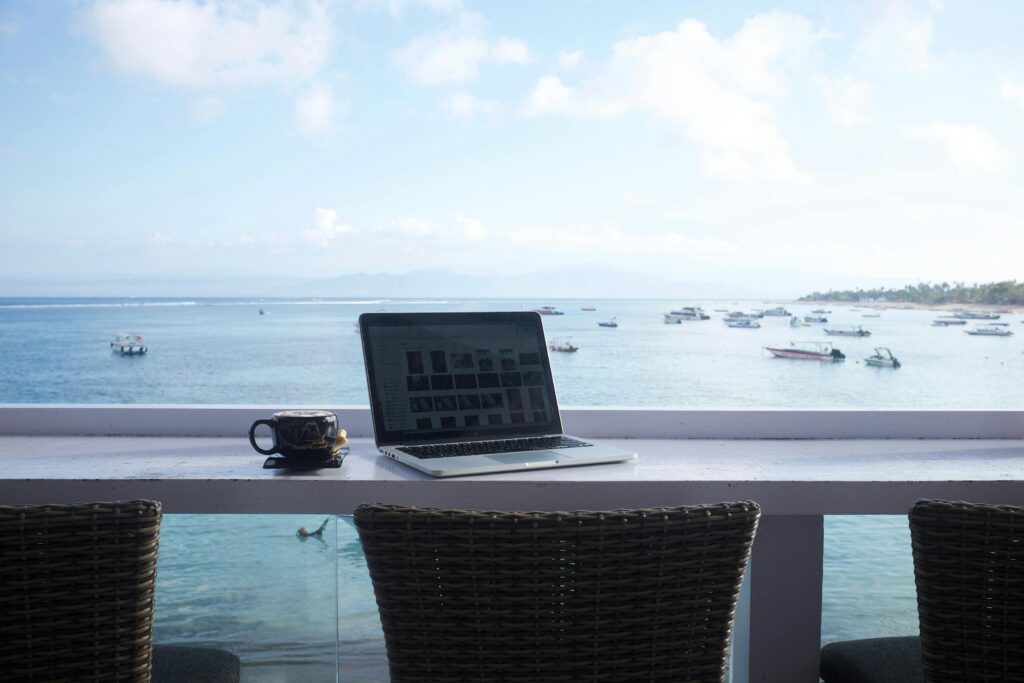
If you currently have no obvious remote-work skills, the first step is not travelling. It is choosing one skill that companies or clients already pay people to perform online. You do not need to become an expert before earning your first money, but you do need to become useful enough that someone can trust you with a basic task.
The phrase how to become a digital nomad with no skills appears constantly online because many people feel trapped before they even start. They assume everyone already has coding experience, marketing expertise, business knowledge, or years of professional success. In reality, many beginners spend months researching where to find remote jobs with no experience before discovering that remote work opportunities exist in far more industries than they initially expected.
But the uncomfortable truth is that almost nobody starts with “valuable” skills in the beginning.
Most people learn them because pain forces them to.
That is one of the most interesting psychological patterns behind digital nomad culture. A huge number of people begin searching for remote income not because they are already successful, but because they are emotionally desperate for change. They feel burned out, trapped, disconnected, financially stuck, or psychologically exhausted by traditional life structures. Research from Harvard Business Review on burnout and emotional exhaustion has repeatedly shown that chronic workplace stress and lack of autonomy can seriously affect both motivation and mental health, which partly explains why so many people started rethinking traditional office life after the pandemic.
And that emotional discomfort becomes motivation.
The first step is usually not travel. It is becoming useful online.
That means learning skills companies or clients can pay for remotely:
• copywriting
• SEO
• sales
• media buying
• customer support
• video editing
• content writing
• social media management
• project coordination
• recruiting
• web development
• graphic design
• AI-related workflows
• email marketing
• online teaching
• consulting
The internet is full of people searching for some magical shortcut, but the reality is much simpler:
remote work is usually built through repetition, consistency, and slowly becoming competent enough that somebody trusts you with responsibility.
My Personal Experience: How Becoming a Digital Nomad Changed My Entire Life
I personally decided to become a digital nomad during the coronavirus lockdowns.
At that time I had already spent around eight years working in offices, constantly telling myself the same thing:
“One day in the future I will work remotely and live in different countries.”
But that “future” never arrived because there was always another excuse:
• work
• routine
• fear
• stability
• comfort zone
• responsibilities
• uncertainty
Then coronavirus happened.
Suddenly I was sitting at home completely locked inside, and for the first time I realised how quickly years had passed while I kept postponing the life I actually wanted. I remember sitting alone during lockdown thinking:
“If I survive this period and still continue living exactly the same way afterwards, then nothing will ever change.”
That moment changed everything psychologically for me.
I decided that no matter what happened, I had to finally build a remote income and leave after the pandemic ended. The problem was that I had no idea how.
At first, I tried searching for remote jobs, but nothing worked. I kept sending applications and getting nowhere. Eventually I realised that waiting for someone to “give” me freedom was probably not going to work for me.
So I started learning affiliate marketing completely from zero.
I taught myself:
• traffic monetisation
• conversions
• advertising
• performance marketing
• funnels
• affiliate systems
• online sales
At the beginning I barely understood what I was doing. But slowly I started seeing my first small results and first earnings online. And the moment I realised it was actually possible to make money remotely, I immediately bought a plane ticket.
I decided to go to Los Angeles because I had friends there and could stay with them temporarily. That decision felt terrifying at the time. Before that, even the idea of travelling alone to another country seemed unrealistic to me.
But in the end, I spent six months in Los Angeles.
I learned how to earn more online, adapted to the culture, met new people, built friendships, and even discovered how difficult it can be to make friends in a new city as an adult when you constantly move between countries and cultures. For the first time, life started feeling emotionally open instead of repetitive.
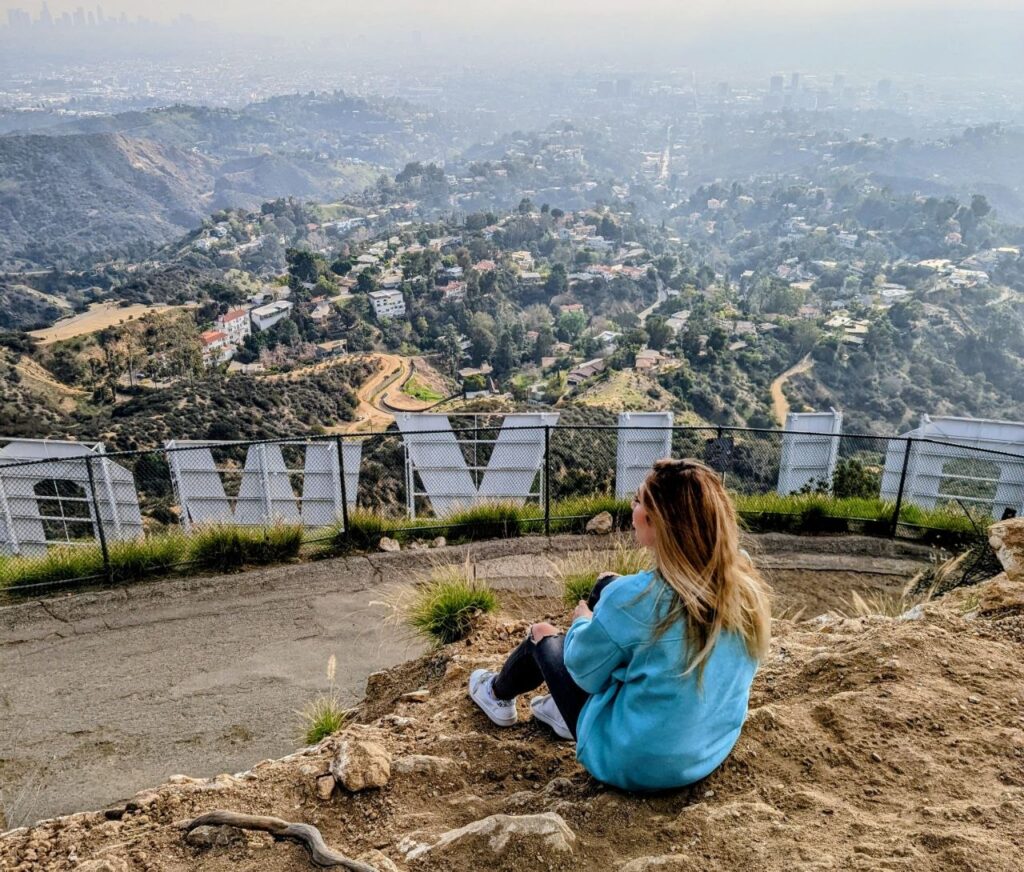
After six months, I decided to continue moving.
I went to the Turkish coast alone, which previously would have felt impossible for me psychologically. But again, I adapted. I made friends, built a social circle, started a relationship, and spent around five months there before eventually breaking up and continuing forward again after settling in one of Alanya’s most popular expat areas.

Then I moved to Dubai because I wanted to experience life in a large international metropolis filled with ambitious people from all over the world.
And strangely enough, every place that originally felt “foreign” slowly became emotionally familiar.
Even today, many of the friendships I built during those years still exist. We still travel together, stay connected, and remain part of each other’s lives.
That is probably the biggest thing nobody explains properly about becoming a digital nomad:
it changes much more than your location.
It changes your personality.
You slowly become less afraid of uncertainty, less dependent on routine, more adaptable, more emotionally open, and more confident in your ability to survive completely new environments. Over time, you also start noticing broader social patterns, including why women travel more than men and why so many solo female travelers are increasingly choosing freedom, flexibility, and independent lifestyles over traditional routines.
The decision to become a digital nomad permanently changed my life.
Best Digital Nomad Jobs With No Experience
The easiest jobs to enter are usually roles where employers value communication, organisation and reliability more than years of specialised experience. Customer support, virtual assistance, content moderation, junior sales, appointment setting, basic social media assistance and online tutoring can all provide a first step into remote work.
I would not choose a job only because it is easy to enter, however. The better strategy is to use an entry-level role to build remote work experience while developing a more valuable skill that can increase your income later.
How to Become a Digital Nomad Without a Degree
One of the biggest shifts happening online right now is that degrees matter far less than they did ten years ago, especially in remote industries.
That does not mean education became useless. But many remote-friendly fields increasingly care more about:
• portfolios
• experience
• client results
• communication
• reliability
• visible proof of skill
This is why so many people search for how to become a digital nomad without a degree. Traditional education has become incredibly expensive in many countries, while online work increasingly rewards practical output instead of academic prestige. Even newer fields are becoming more accessible, with some AI training jobs open to people without previous experience or a technical degree.
Some of the most common remote workers in 2026 are completely self-taught:
• freelance marketers
• content creators
• salespeople
• SEO specialists
• media buyers
• recruiters
• designers
• online consultants
What matters most is whether you can solve problems remotely.
And ironically, the internet itself often becomes the education system.
People learn through:
• YouTube
• online communities
• Discord groups
• experimentation
• AI tools
• freelance projects
The first opportunities are rarely glamorous. Most people start with unstable freelance gigs, inconsistent online income, and small projects nobody sees. That can include relatively accessible options such as online chat jobs for beginners, where some companies accept applicants without previous experience. But over time, those small experiences slowly become leverage.
How Much Money Do You Need Before Becoming a Digital Nomad?
There is no universal amount because the answer depends on where you plan to live, but I would not start with only enough money for the flight and the first month. A safer target is several months of living expenses plus an emergency fund that you do not plan to spend on normal travel.
The more unstable your income is, the larger that buffer should be. Someone with a salaried remote job can take a different level of risk from someone starting with two freelance clients and unpredictable monthly earnings.
How to Motivate Yourself to Become a Digital Nomad
One of the hardest parts of this lifestyle is psychological.

People often ask how to motivate yourself to become a digital nomad, but motivation itself is temporary. What actually changes people is emotional dissatisfaction becoming stronger than fear.
Many workers stay trapped not because they lack intelligence or potential, but because modern life slowly drains emotional energy:
• repetitive office routines
• endless commuting
• burnout
• financial pressure
• emotional exhaustion
• the terrifying feeling that years are passing without anything changing
At some point, people stop fantasising about freedom and start craving emotional control over their own lives.
That is often where digital nomad dreams begin.
Not from luxury.
Not from beaches.
Not from Instagram.
But from the simple desire to wake up feeling alive again.
The Internet Lied About Digital Nomad Life — But The Reality May Be Better
The old version of digital nomad culture promised permanent vacation energy. The newer, more honest version looks very different:
• unstable income
• loneliness
• visa stress
• constant adaptation
• long work hours
• client pressure
• uncertainty
But it also offers something many people quietly feel they are missing:
ownership over time.
And perhaps that is why digital nomadism still continues attracting so many people despite all the difficulties. Because underneath the beaches, coworking spaces, visas, and Instagram aesthetics, most aspiring digital nomads are not actually searching for luxury.
They are searching for a life that feels emotionally sustainable.
And in a world where millions of people feel exhausted by modern work culture, that search is becoming more understandable than ever.
FAQ
How can I become a digital nomad with no experience?
Many digital nomads start without previous remote work experience. The most common approach is to learn a skill that can be performed online, such as writing, digital marketing, customer support, design, programming, virtual assistance, or social media management. Starting with freelance projects or remote entry-level jobs can help build experience while earning income.
Can you become a digital nomad with no money?
While it is possible, it is much more challenging. Most successful digital nomads recommend building an emergency fund before traveling. Having savings can reduce financial stress and provide a safety net while finding clients, remote work, or freelance opportunities.
What is the easiest way to become a digital nomad in 2026?
The easiest path is usually to secure remote income before leaving home. Many beginners start by finding remote jobs, freelancing, teaching online, or working with international clients while still living in their current location before transitioning into full-time travel.
What jobs can digital nomads do with no experience?
Entry-level opportunities include virtual assistant work, customer support, content moderation, data entry, online tutoring, social media assistance, freelance writing, and beginner digital marketing roles. Some people also start by offering services based on skills they already use in everyday life.
How much money do you need to become a digital nomad?
The amount varies depending on your destination and lifestyle. Many beginners aim to save enough to cover at least three to six months of living expenses before making the transition. Having financial stability allows more time to find work and adjust to the lifestyle.
Can beginners become digital nomads?
Yes. Every experienced digital nomad was a beginner at some point. The key difference is that successful nomads focus on building income streams before prioritizing travel. Remote work skills are usually more important than travel experience.
How do I get my first remote job with no experience?
Start by applying for entry-level remote positions, improving your LinkedIn profile, creating a simple portfolio, and highlighting transferable skills from previous jobs. Customer service, communication, organization, and problem-solving skills are often valuable even without remote work experience.
What are the best skills for digital nomads in 2026?
Some of the most in-demand skills include AI-related services, digital marketing, content creation, copywriting, SEO, graphic design, web development, video editing, project management, and virtual assistance. Skills that can be delivered online tend to provide the most flexibility.
What is the best country for beginner digital nomads?
Many beginners choose countries such as Thailand, Vietnam, Indonesia, Portugal, or Albania because they offer established digital nomad communities, affordable living costs, reliable internet, and relatively easy lifestyles for remote workers.
How long does it take to become a digital nomad?
The timeline varies widely. Some people transition within a few months after securing remote income, while others spend a year or more building skills, clients, savings, and confidence before making the move.
Is being a digital nomad realistic in 2026?
Yes, but it is often less glamorous than social media suggests. Successful digital nomads usually spend significant time managing work, visas, finances, accommodation, and daily routines. The lifestyle can be rewarding, but it still requires planning, discipline, and a reliable source of income.
What mistakes do beginner digital nomads make?
Common mistakes include traveling before securing income, underestimating living costs, relying entirely on savings, moving too frequently, neglecting visa requirements, and expecting the lifestyle to feel like a permanent vacation. Many experienced nomads recommend focusing on stability before chasing adventure.
Explore the Digital Nomad Life Hub
Discover more practical guides about digital nomad costs, visas, destinations, coworking spaces and the everyday reality of building a location-independent life.
Explore the Digital Nomad Life Hub →This article combines personal experience with remote work and international travel, independent editorial research, and insights from professionals who have successfully transitioned to a location-independent lifestyle.
Research sources included:
- Personal observations related to remote work, travel, and location-independent living.
- Digital nomad resources, destination insights, and community information published by Nomads.com.
- Research and workplace trends published by Harvard Business Review.
The goal is to provide realistic guidance for beginners who want to become digital nomads, including practical expectations, common challenges, and strategies for building a sustainable remote lifestyle.

Founder & Editor
Founder of The City Theory, writing about digital nomad lifestyle, modern city culture, remote work, travel experiences, psychology and human behaviour around the world.