
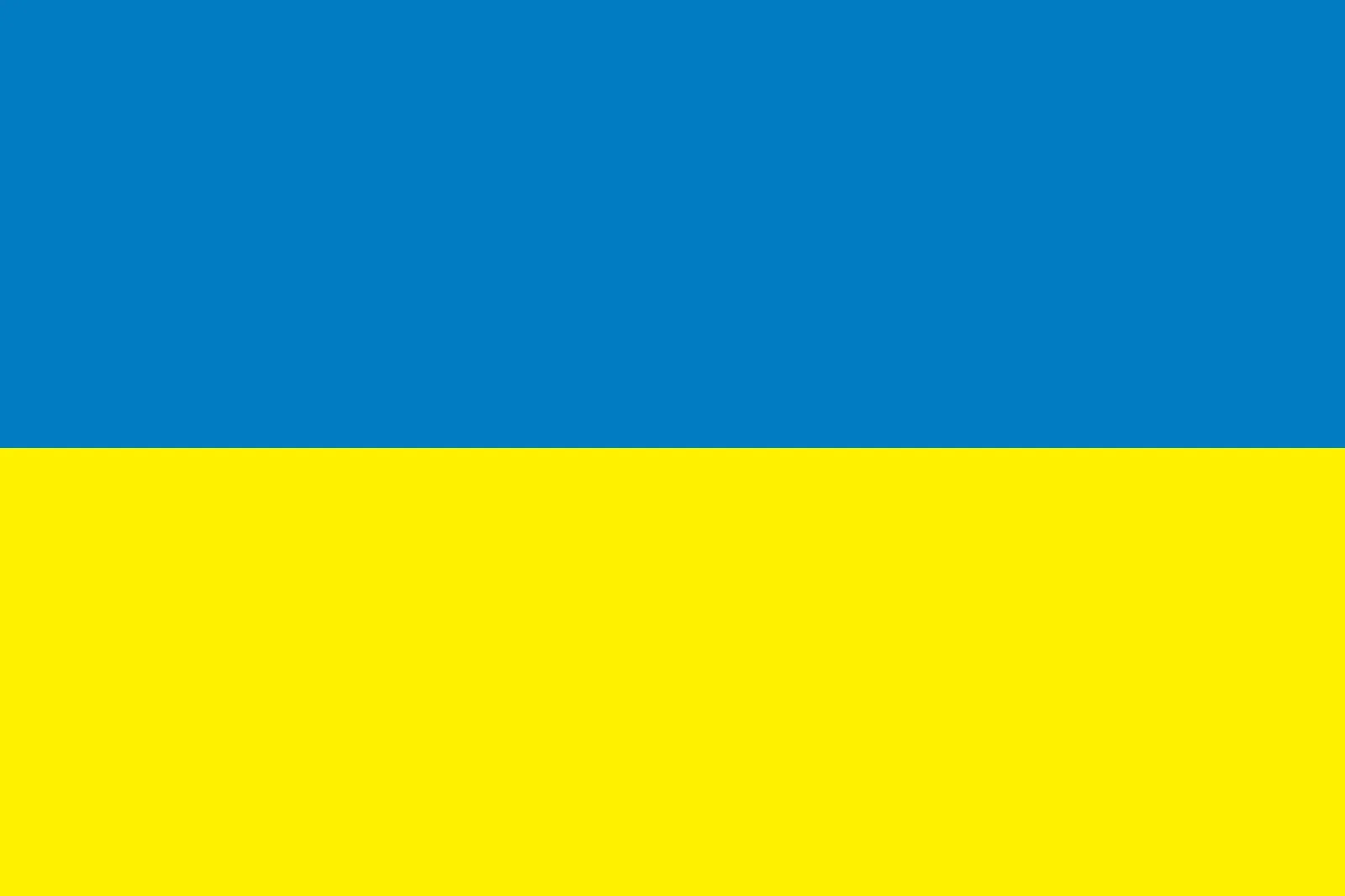
Ukraine
Ukraine is a country with traditions, habits and cultural details that are often difficult to understand from the outside. This collection explores Ukrainian culture from everyday life rather than stereotypes: the customs people grow up with, the food that appears around family tables, the languages people speak, the traditions that still matter and the small social rules Ukrainians rarely think about until someone from another country asks about them.
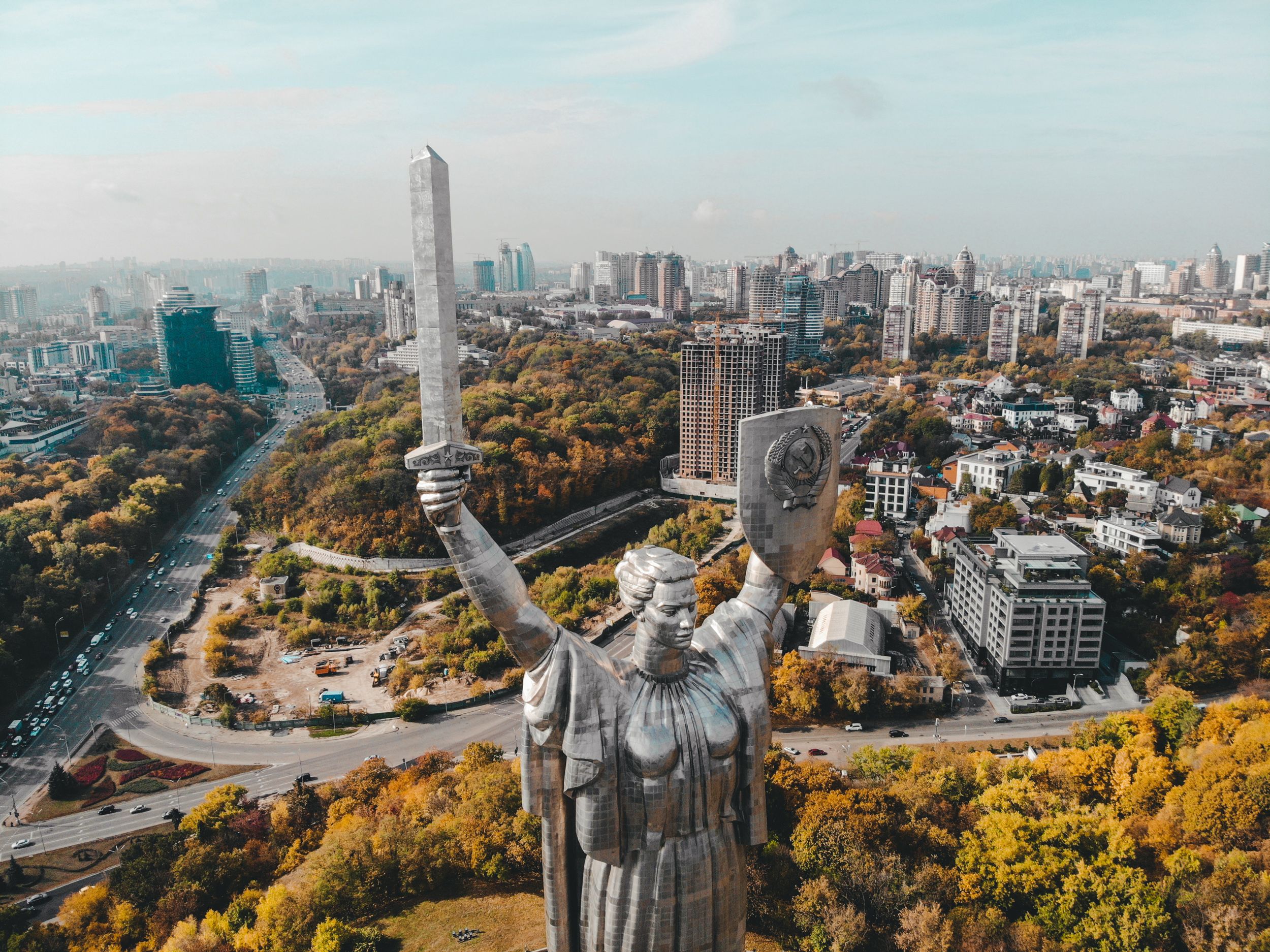
Ukrainian Culture Is Much Bigger Than the Things the World Usually Sees
International conversations about Ukraine often leave very little room for ordinary Ukrainian life. Yet long before most people outside the country started paying close attention to Ukraine, Ukrainians already had a complicated cultural world of family traditions, regional differences, food, language, humour, celebrations, superstitions and unwritten social rules.
Some traditions are immediately visible, such as embroidered vyshyvankas, pysanky at Easter or dishes served during major holidays. Others are so ordinary to Ukrainians that they barely feel like traditions at all: taking your shoes off when entering someone’s home, bringing an odd number of flowers, sitting quietly for a moment before a long journey or knowing that an even number of flowers has a completely different meaning.
The City Theory’s Ukraine collection is designed to explore those details one question at a time. Rather than reducing the country to a list of national symbols, the focus is on why particular customs exist, how people actually experience them and which traditions remain part of everyday Ukrainian life.
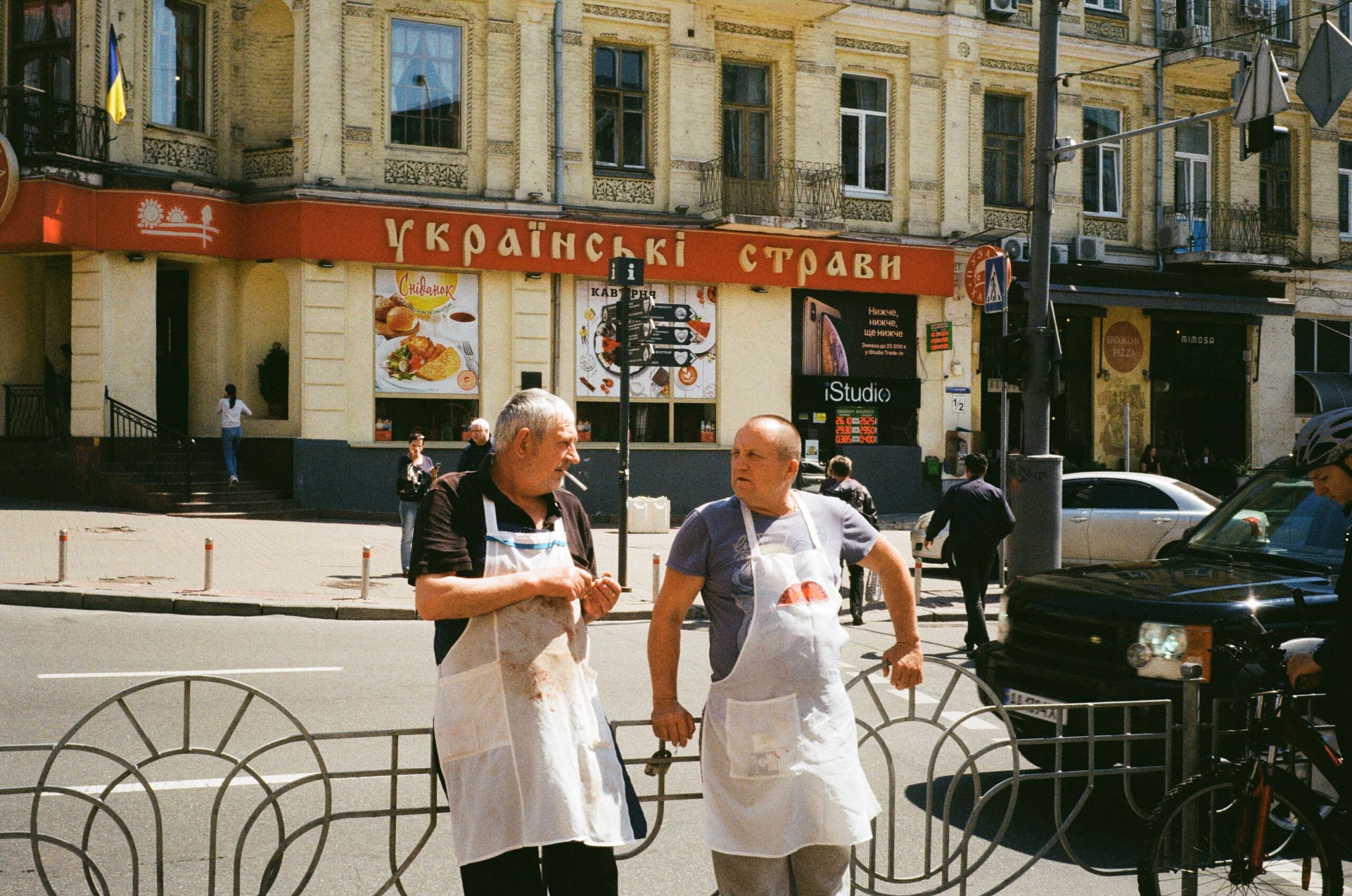
Why Do Ukrainians Speak Russian? I’m Ukrainian — Here Is the Explanation
I grew up in a Russian-speaking family in southern Ukraine while understanding and speaking Ukrainian from childhood. This article explains how that bilingual reality developed, why Russian became common in many Ukrainian cities and why the language someone speaks does not automatically define their nationality or political identity.
Read the story →This collection is personal to The City Theory. I grew up in Ukraine, so many of the customs discussed here are things I knew long before I ever thought of them as “Ukrainian culture.” Living abroad makes some of these differences much easier to notice. The aim of this hub is therefore not to describe Ukraine as an outsider looking in, but to explain the everyday cultural details that can be surprisingly difficult to explain until someone asks why we do them.
Language in Ukraine Is More Complicated Than a Simple Map Suggests
Questions about what language Ukrainians speak often sound simple from outside the country, but everyday reality has always been more complicated. Ukrainian is the state language, while individual families and communities can have very different linguistic histories and habits.
Many Ukrainians understand more than one language, people may have grown up hearing different languages at home and in public, and language use can vary between generations, families and regions. That makes questions about Ukrainian, Russian and linguistic identity difficult to answer properly with a single statistic.
The first language story in this collection looks at why so many Ukrainians grew up speaking Russian, how bilingual families work in everyday life, why Ukrainian and Russian are not interchangeable and why language in Ukraine cannot be reduced to a simple east-versus-west map.
Ukrainian Food Makes More Sense Around a Family Table
Ukrainian cuisine is often introduced internationally through a handful of famous dishes, but food has a much larger place in everyday culture. Recipes move through families, holiday meals follow traditions of their own, and dishes that appear ordinary at home can carry surprisingly strong memories once you live somewhere else.
Borscht, varenyky and salo may be some of the names foreigners recognise first, but Ukrainian home cooking is also about seasonal ingredients, preserved foods, soups, baked dishes, family recipes and the expectation that guests should probably eat more than they originally planned.
This part of the Ukraine collection will explore not only what Ukrainians eat, but why particular dishes matter, when they are traditionally prepared and how food connects with holidays, hospitality and family life.
New Ukraine Stories Are Coming
The Ukraine hub is a growing collection. New articles about Ukrainian traditions, language, food, everyday habits, social culture and books will be added here as they are published.
A Closer Look at the Ukraine Behind the Headlines
Ukraine is often explained internationally through major historical and political events. Those subjects matter, but they are not the entirety of a culture. Countries are also made from ordinary things: what families cook, what people say before a journey, what they bring when visiting someone’s home, which traditions survive across generations and which habits only become noticeable after moving abroad.
The City Theory’s Ukraine collection will grow around those questions. Some articles will explain traditions and social customs, others will explore language, food and family life, while future book collections can provide another way to understand Ukrainian culture through Ukrainian voices.
The goal is simple: to create a collection that helps readers understand Ukraine as a living culture rather than reducing it to a handful of symbols or stereotypes.