
Lebanon
Lebanon is a small country with an unusually layered cultural identity shaped by the Mediterranean, the Arab world, migration, multilingualism and a long history of international connections. Our Lebanon guides explore culture, language, identity and contemporary urban life, while the collection is designed to grow into practical coverage of Beirut, expat life, remote work, coworking and everyday living in different parts of the country.
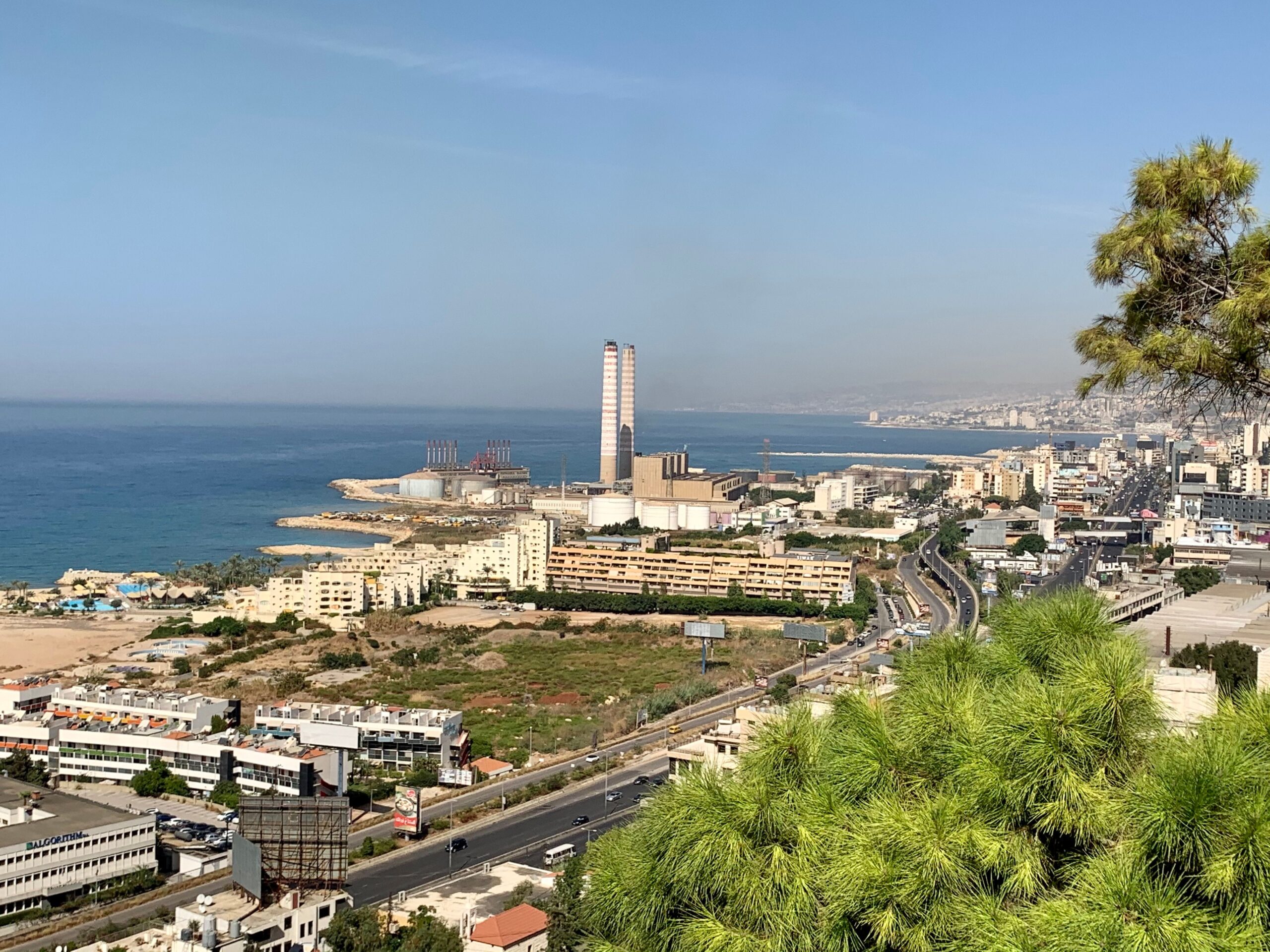
Lebanon Is More Complicated Than a Single Cultural Label
Lebanon is often described as Arab, Mediterranean, Francophone or unusually European-looking depending on who is explaining it, but none of those descriptions works particularly well on its own. The country’s modern identity has developed through layers of history, religion, migration, education and cultural exchange, especially around Beirut and the wider Mediterranean.
That complexity appears in everyday language as well. Arabic remains central, but French and English are highly visible in education, business, media and urban life. It also appears in music, fashion and contemporary youth culture, where Lebanese artists have often combined regional identity with influences that travel far beyond the Middle East.
The City Theory’s Lebanon hub begins with those cultural questions, but it is designed to expand beyond them. Future guides can cover Beirut neighbourhoods, expat life, remote work, coworking, cost of living and the practical realities of spending longer periods in Lebanon.
Why Do Lebanese Speak French?
A closer look at the history, education system and cultural influences that explain why French remains so visible in Lebanon and why multilingualism is such a normal part of everyday life.
Read the guide →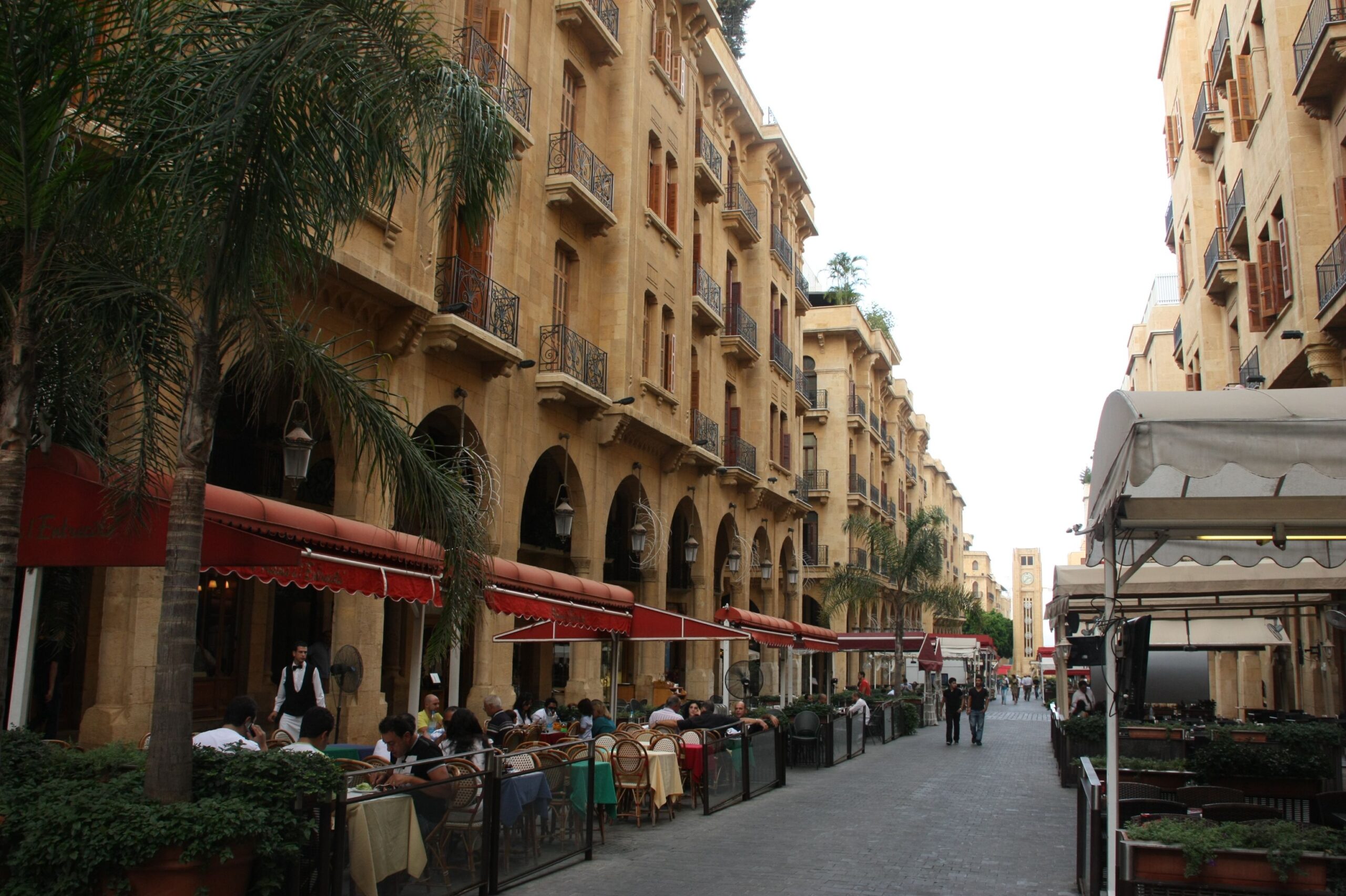 Language · Culture
Beirut Is Important, but It Is Not the Whole Country
Beirut dominates most international conversations about Lebanon because it is the country’s largest urban centre and the place where many of its cultural, professional and nightlife scenes are concentrated. For someone thinking about working, living or spending a longer period in Lebanon, it is likely to be the first place they investigate.
But Lebanon’s scale makes it possible to experience very different environments within relatively short distances. Coastal towns such as Batroun and Byblos have a different rhythm from Beirut, while Tripoli in the north, Sidon in the south and the Bekaa Valley introduce entirely different landscapes and local cultures.
Future Lebanon guides will look at these places individually rather than treating the country as simply Beirut plus day trips. That structure will also make room for practical articles about where expats live, coworking, costs and longer-term stays.
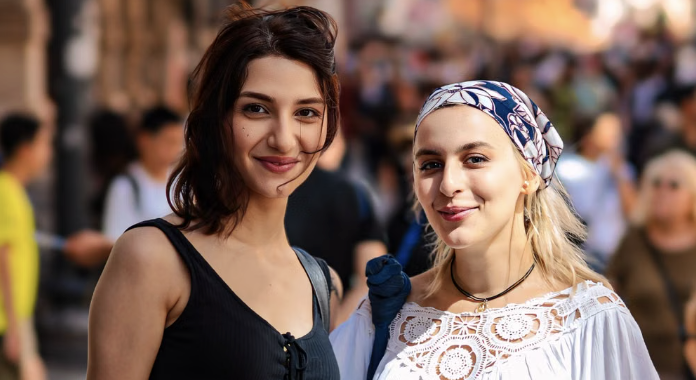
Why Do Lebanese Look European?
A closer look at Lebanon’s geography, population history and Mediterranean connections behind one of the most common questions people ask about Lebanese appearance and identity.
Read the story →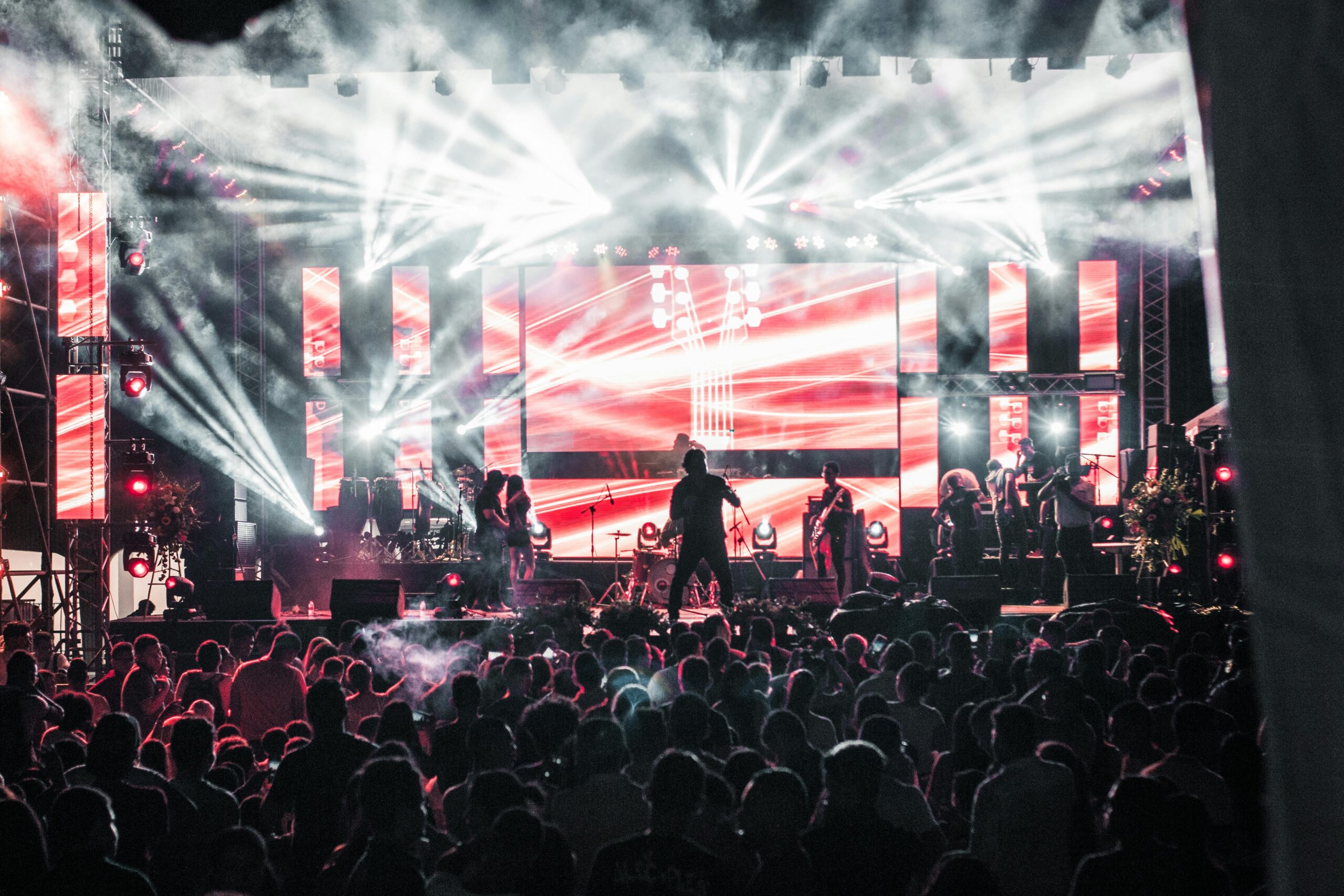
Mashrou’ Leila and Arab Youth Culture
How a Lebanese band became connected to a generation of young Arabs navigating identity, modernity, politics, sexuality and cultural change.
Read the story →Language, Music and Identity Are Part of Everyday Lebanon
Lebanon’s multilingualism is not simply a historical curiosity. Moving between Arabic, French and English can be a normal part of urban communication, education and professional life, particularly in Beirut. The combination tells you a great deal about the country’s historical connections and the way contemporary Lebanese society positions itself both within the Arab world and internationally.
Music provides another window into that complexity. Lebanese artists have often operated across cultural boundaries, combining Arabic language and regional experiences with indie, rock, electronic and alternative influences. Mashrou’ Leila became one of the clearest examples of how contemporary Lebanese culture could speak simultaneously to Beirut, the wider Arab region and audiences far beyond it.
As the Lebanon collection grows, these culture stories will sit alongside practical guides about neighbourhoods, workspaces, expat life and the cost of spending longer periods in the country rather than existing as a separate section.
What You’ll Find in Our Lebanon Guides
The Lebanon collection currently focuses on some of the cultural questions that make the country particularly distinctive, including language, identity and contemporary music. These stories provide context for understanding Lebanon beyond conventional travel imagery.
The hub is also designed to expand into practical coverage. Future guides can include where expats live in Beirut, coworking spaces, remote work, cost of living and destination guides to places such as Batroun, Byblos, Tripoli and other parts of the country.
The aim is to build a Lebanon country guide that combines the practical realities of living and spending time there with the cultural history and modern identities that shape everyday life.