
Thailand
Thailand can feel completely different depending on where you choose to stay. Bangkok offers the scale and convenience of a major Asian capital, Chiang Mai has long attracted remote workers and long-stay foreigners, while Phuket, Pattaya, Hua Hin, Krabi and the islands offer very different versions of coastal life. Our Thailand guides explore where to live, remote work, cities, culture, nightlife, social life, everyday costs and the practical realities of spending more than a short holiday in the country.
Thailand for Expats, Remote Workers and Long-Stay Travellers
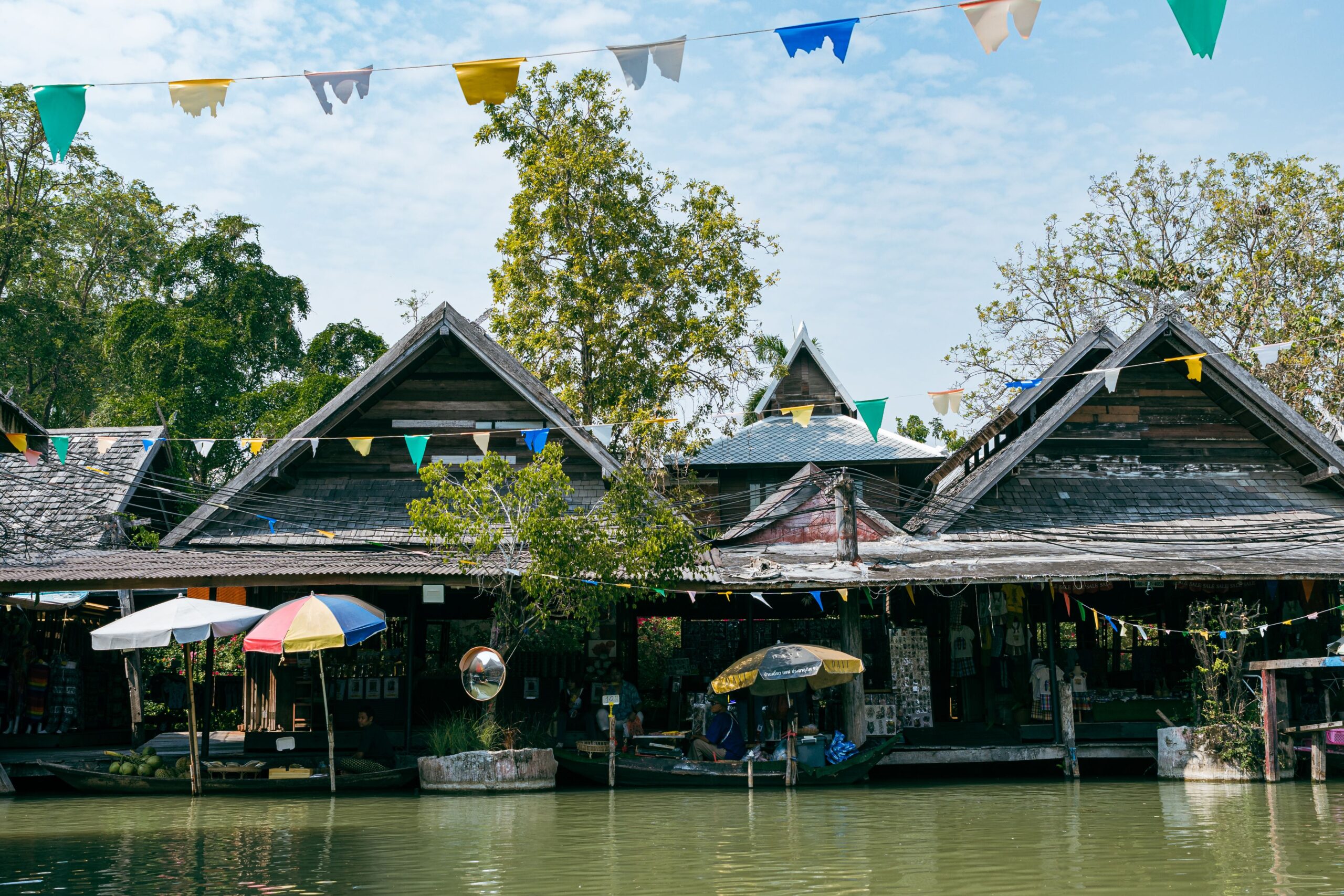
Thailand has been an established destination for foreigners for decades, but living in the country is very different from spending two weeks there on holiday. Bangkok offers the transport, restaurants, international communities, nightlife and professional opportunities of a major Asian capital, while Chiang Mai, Phuket, Pattaya, Hua Hin and smaller destinations offer completely different combinations of cost, climate, social life and everyday convenience.
For people planning a longer stay, practical questions quickly replace the usual tourist checklist. Which city works best without a car? Where do foreign residents tend to live? Which neighbourhoods make sense if you work remotely? Where do foreigners actually socialize after work? How easy is it to find coworking spaces or cafés where working for several hours feels normal? And how dramatically do costs change between Bangkok, northern Thailand and the country’s major beach destinations?
The City Theory’s Thailand hub is designed around those questions. As the collection grows, it will bring together city guides, expat neighbourhoods, nightlife and social-life recommendations, coworking spaces, remote-work information, cost comparisons, cultural explainers and seasonal travel advice rather than treating Thailand as one single destination.
Best Areas for Expats in Bangkok
A practical look at Bangkok neighbourhoods for foreigners, including where different areas make sense for transport, everyday convenience, social life and longer-term living.
Read the guide →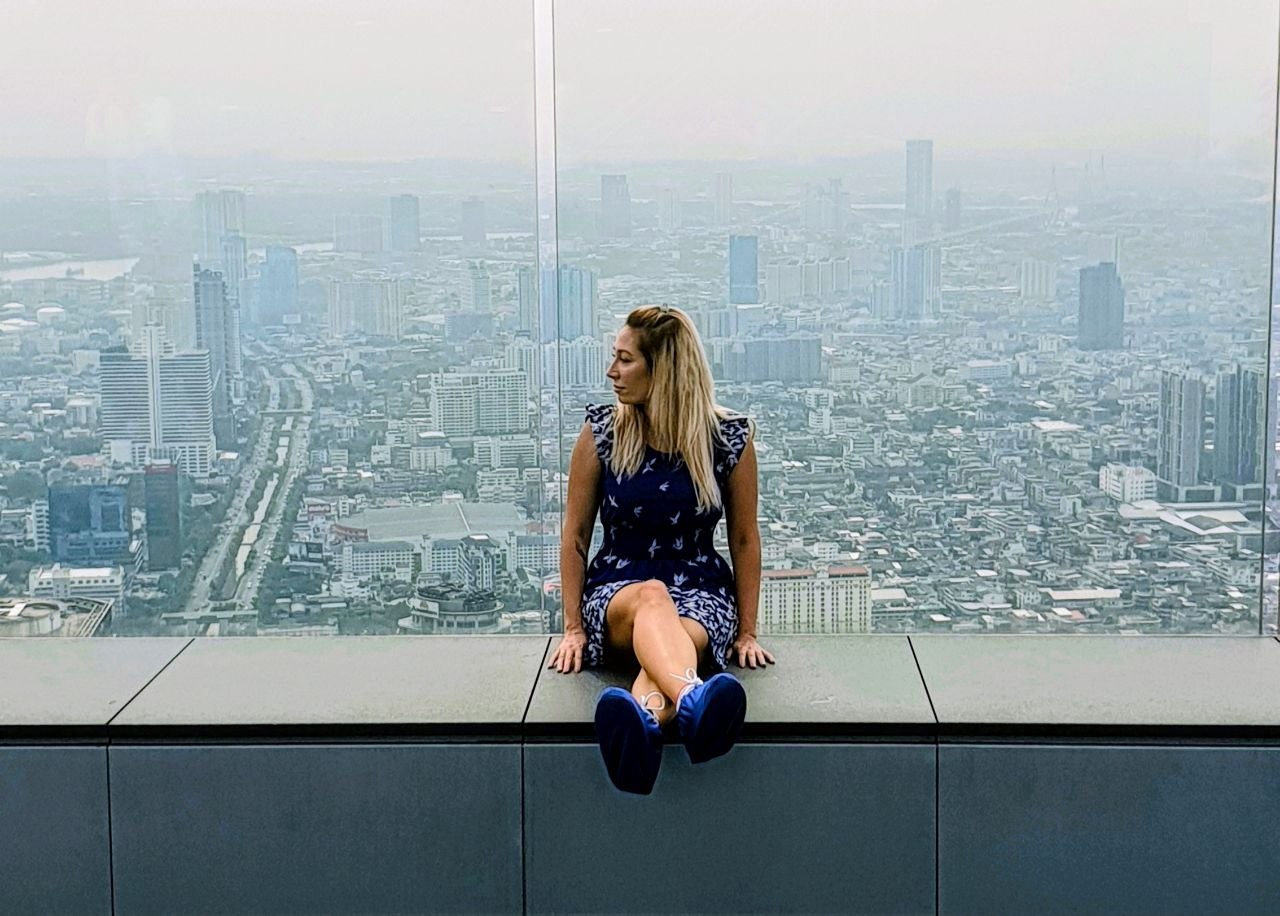 Bangkok · Expat Life
Which Part of Thailand Makes Sense for You?
Bangkok is often the first place foreigners consider because it offers the country’s largest concentration of jobs, international services, restaurants, transport links and established expat communities. Even within Bangkok, however, neighbourhood choice can completely change the experience. Living close to the BTS or MRT can make everyday life dramatically easier, while choosing an area based only on cheap rent can leave you spending far more time moving around the city than expected.
Social life can also make a surprisingly large difference to how a city feels. Bangkok has everything from simple expat pubs to rooftop bars and more polished nightlife venues, and the best option depends on whether you want a quiet drink, somewhere comfortable to visit alone or a place where meeting other people feels natural.
Chiang Mai represents a very different version of Thailand and has long been associated with remote workers and people looking for a slower and often more affordable base in the north. Phuket and Koh Samui attract foreigners who want island life but still need access to developed services, while Hua Hin offers another coastal option that feels very different from Thailand’s larger tourism centres.
Pattaya, Krabi and Chiang Rai create still more choices, which is why future guides will look at these destinations individually rather than placing them into one generic list of “best places in Thailand.” The right city depends on whether your priorities are work, affordability, beaches, social life, international infrastructure, walkability or simply having a quieter everyday routine.
10 Long-Stay Hotels in Bangkok for Remote Workers
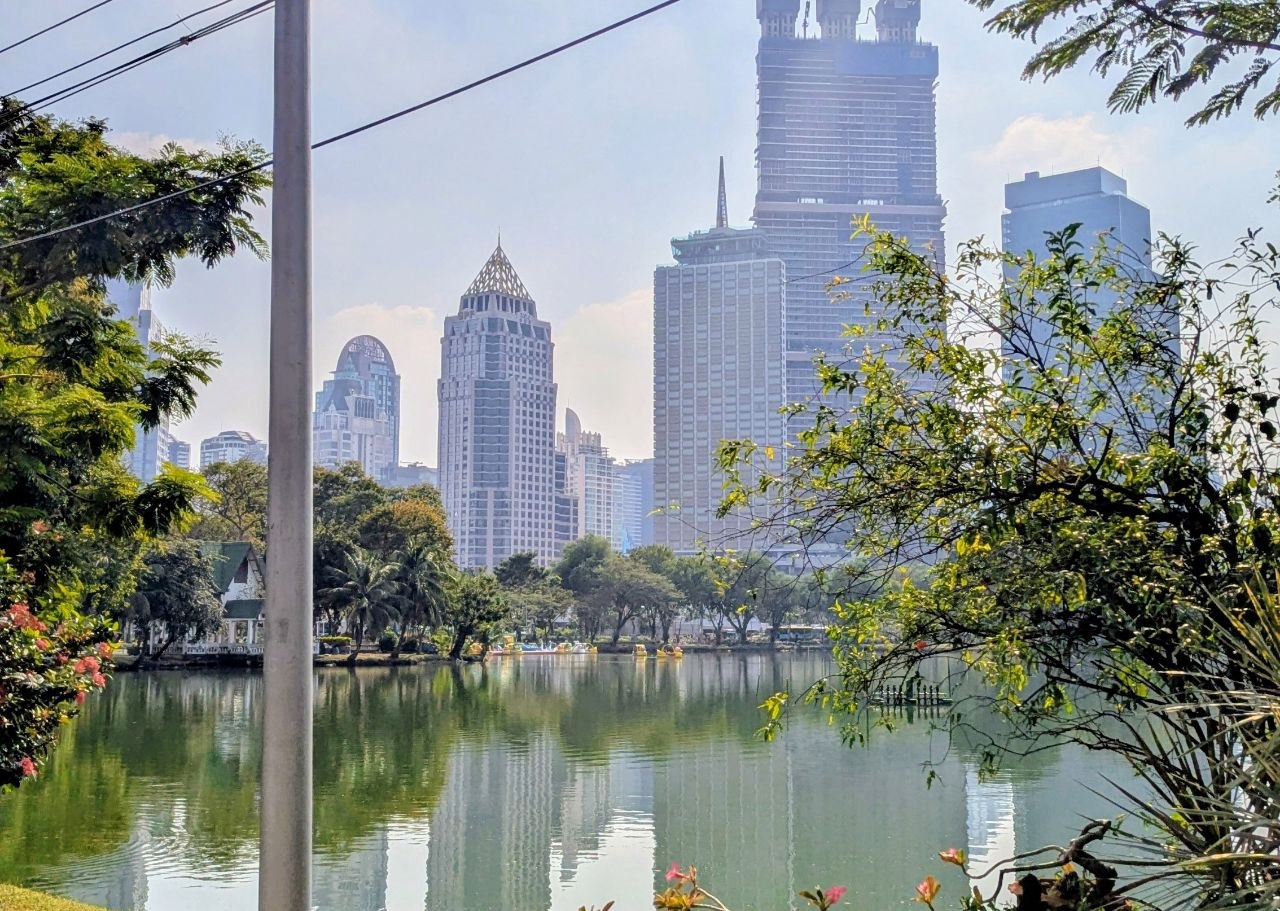
A practical guide to Bangkok hotels and serviced apartments for longer stays, with work desks, reliable WiFi, kitchens or kitchenettes, laundry facilities and convenient access to the BTS.
Find a long-stay hotel →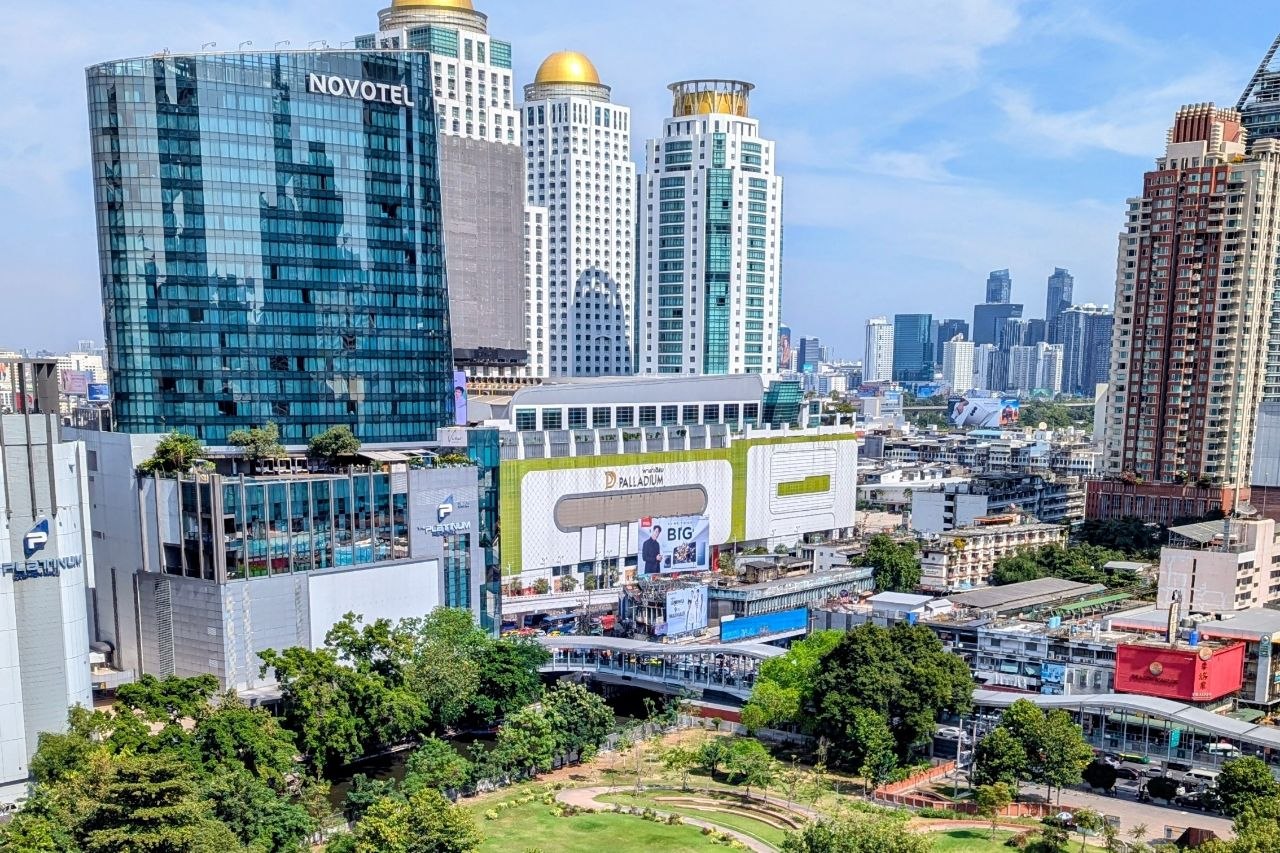
10 Free Coworking Spaces in Bangkok for Remote Work
A practical guide to free workspaces, public areas and laptop-friendly cafés in Bangkok, including places with WiFi, power outlets and options where no purchase is required.
Find a place to work →
Best Bars in Bangkok for Foreigners: 5 Places I Actually Tried
A first-hand look at five Bangkok bars I personally visited, comparing which places feel genuinely social, which work well when going out alone and where foreigners and expats are easiest to meet.
Explore Bangkok nightlife →
What Is Considered Rude in Thailand?
A practical guide to behaviours and social habits that visitors may not realise can be interpreted differently in Thailand, from everyday manners to cultural boundaries worth understanding.
Understand the culture →Living in Thailand Is More Than Choosing a Destination
Choosing the right city is only part of adapting to Thailand. Cultural understanding matters just as much as geography. Thailand is widely associated with hospitality and politeness, but that does not mean social expectations are identical to those in Europe, North America or elsewhere in Asia. Behaviour involving public confrontation, religious or cultural symbols, clothing and everyday manners can carry meanings that visitors do not immediately recognise.
Social life matters too, particularly for foreigners arriving without an established circle of friends. In Bangkok, the neighbourhood you choose can affect not only commuting and everyday convenience but also how easily you can reach restaurants, bars and areas where other international residents tend to spend time.
For remote workers and long-stay residents, everyday routines matter as well. A destination can look inexpensive on paper while becoming less practical once transport, suitable accommodation, reliable internet and workspace costs are included. Bangkok has a mix of dedicated coworking environments, public workspaces and laptop-friendly cafés, including places where it is possible to work without paying for a traditional coworking membership.
Accommodation becomes especially important when Bangkok is a base rather than a short stop. Remote workers staying for several weeks or months often need more than a hotel bed: a proper desk, dependable WiFi, somewhere to prepare food and access to laundry can make a major difference to everyday life.
This is why The City Theory combines practical expat information with city guides, social-life recommendations, remote-work resources and cultural explainers. Knowing where to live is useful, but understanding how a place actually works can make a much bigger difference once Thailand becomes somewhere you are living and working rather than simply visiting.
What You’ll Find in Our Thailand Guides
The Thailand collection is designed to grow by both topic and destination. Current guides cover Bangkok expat neighbourhoods, long-stay hotels, free coworking spaces and remote-work options, Bangkok nightlife for foreigners and Thai culture and etiquette, while future coverage will expand into cost of living, seasonal travel and the practical realities of longer stays.
Bangkok is only the first city represented in depth. As new articles are published, this hub can develop separate collections for Chiang Mai, Phuket, Pattaya, Hua Hin, Krabi, Koh Samui and Chiang Rai, allowing readers to compare different versions of life in Thailand rather than assuming that one destination represents the whole country.
The aim is to create a useful Thailand country guide for people deciding where to live, work remotely or spend an extended period in the country, while also explaining the cultural, practical and social details that shape everyday life.