
Malta
Malta is small enough that places can look close together on a map, yet choosing where to live can completely change the experience. Sliema and Gżira offer dense urban living and easy access to restaurants, offices and the waterfront, while Valletta, Floriana, St Julian’s and quieter parts of the island create very different routines. Our Malta guides focus on expat life, neighbourhoods, everyday culture, remote work and what longer-term living on the island actually feels like.
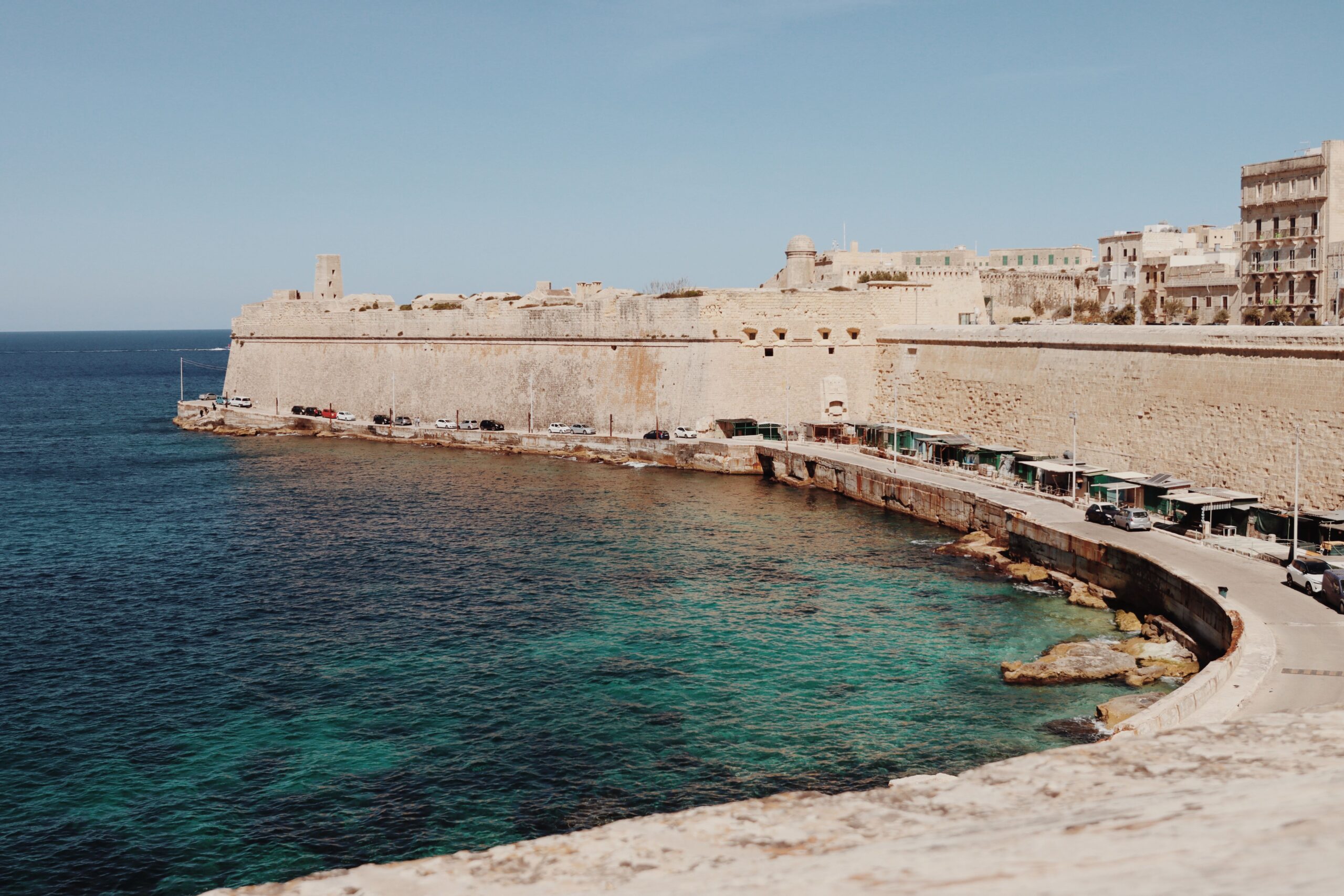
Malta for Expats, Remote Workers and Long-Stay Residents
Malta attracts people for very different reasons: English is widely used, the island has a large international population, many jobs are connected to international industries and the distances between major urban areas initially look manageable. Once you actually live there, however, neighbourhood choice, traffic, noise and the intensity of densely built areas can affect daily life much more than the island’s size suggests.
Sliema and Gżira are often among the first places foreigners consider because they provide easy access to restaurants, offices, gyms, shops and public transport. St Julian’s has another character again, while Valletta and Floriana offer a very different urban environment despite being only a short distance away. Moving between these areas can change how noisy, stressful, walkable or socially active everyday life feels.
The City Theory’s Malta hub is designed to grow beyond general destination advice. Future guides can cover coworking spaces, remote work, housing, cost of living, neighbourhood comparisons and the practical differences between different parts of Malta alongside the expat and cultural stories already published.
Best Places for Expats in Malta
A practical look at the areas foreigners commonly consider in Malta and how neighbourhood choice affects walkability, convenience, social life, noise and the experience of living on the island.
Read the guide →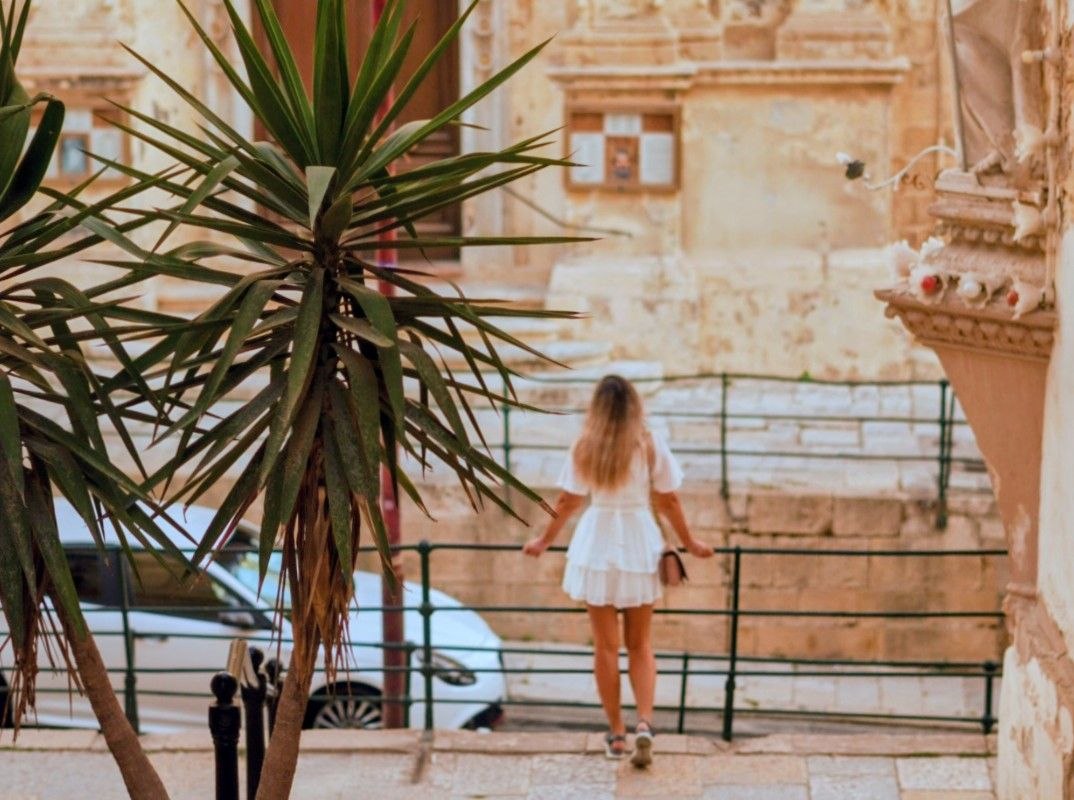 Expat Life · Areas
Where You Live Can Completely Change Your Experience of Malta
Because Malta is physically small, it is easy to assume that neighbourhood choice is not particularly important. In practice, the opposite can be true. Dense construction, traffic, nightlife, road noise and the concentration of businesses in certain areas mean that two places separated by only a few kilometres can feel surprisingly different.
Sliema and Gżira are practical for people who want to live close to shops, cafés and other foreigners, but the same density that makes them convenient can also make them stressful. Valletta and Floriana provide another kind of urban experience, while areas farther from the central harbour region can offer more space or a quieter routine at the cost of longer journeys.
Future Malta guides will look more closely at these trade-offs, including neighbourhood costs, transport, coworking, remote-work routines and which areas make more sense for different kinds of expats rather than assuming there is one universally best place to live.
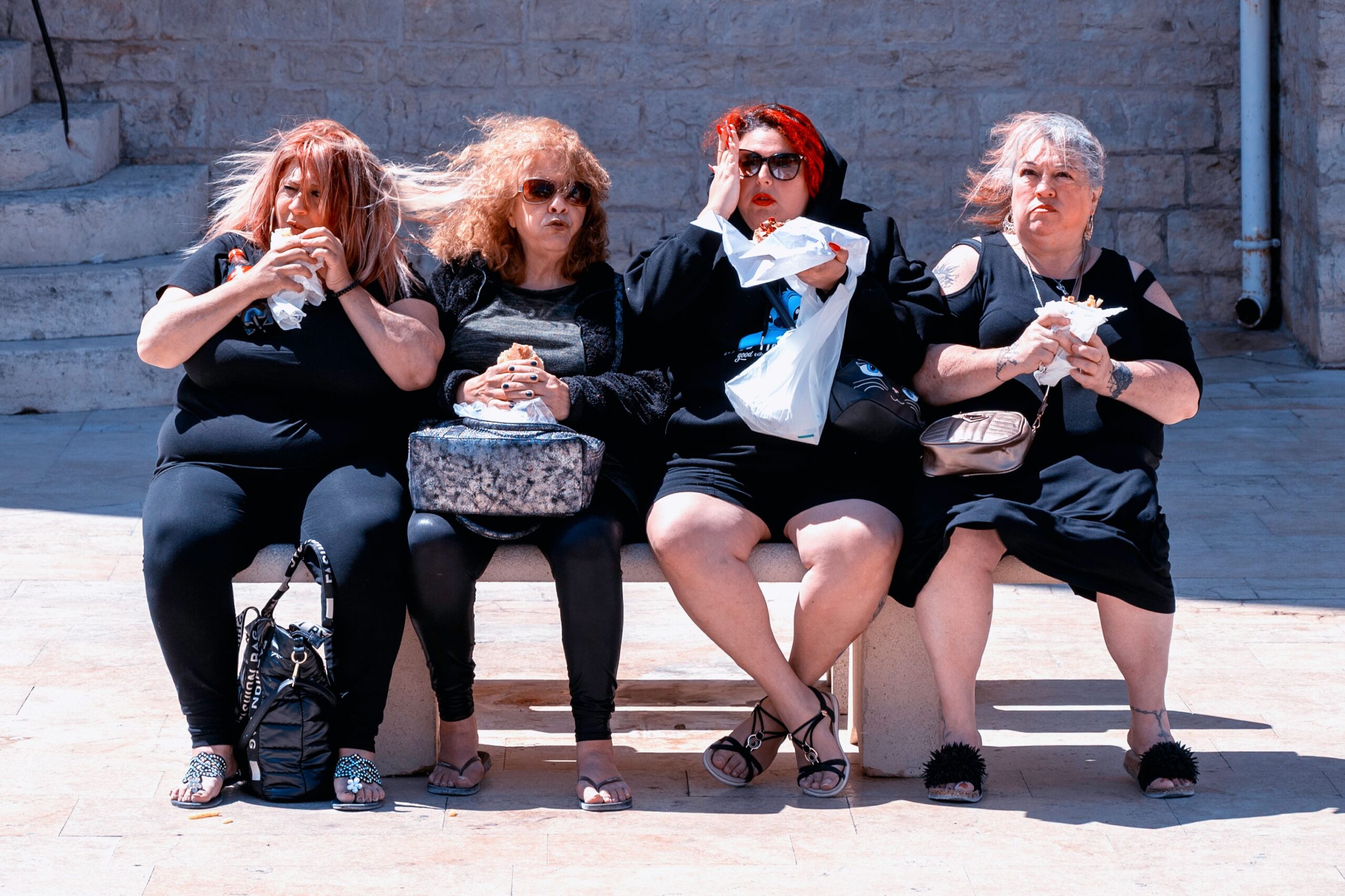
Why Is Everyone So Angry in Malta?
A personal look at culture shock, neighbourhood stress, aggressive driving, communication styles and why everyday life in Malta can feel more confrontational than visitors expect.
Read the story →Living in Malta Is Different From Visiting Malta
Malta can be easy to enjoy as a visitor because the sea, architecture, historic towns and compact distances are immediately visible. Longer-term residents deal with a different set of realities: construction noise, traffic, crowded urban areas, housing quality and the fact that many of the island’s most practical locations are also among its busiest.
For remote workers, everyday convenience can become particularly important. Being able to walk to cafés, groceries, gyms and workspaces may matter more than living close to a beach, while someone commuting to an office can have a very different set of priorities. That is why future Malta coverage will also include coworking and practical remote-work guides rather than focusing only on neighbourhood recommendations.
Social and cultural expectations also shape the experience. Malta has a large international population, but that does not mean newcomers experience the island in exactly the same way. Understanding local routines, traffic behaviour, communication and the character of individual neighbourhoods can make a significant difference to how comfortable daily life feels.
What You’ll Find in Our Malta Guides
The Malta collection is designed to grow around both topics and areas. Current guides cover where expats live and the culture shock that can come with everyday life on the island, while future coverage will expand into remote work, coworking, housing, cost of living and more detailed neighbourhood comparisons.
Sliema and Gżira are already represented in our first-hand coverage, but the hub is structured to grow into separate guides for Valletta, Floriana, St Julian’s, Swieqi, Msida, Mellieħa and other parts of Malta as new stories are published.
The aim is to build a Malta country guide for people trying to understand where to live, how different areas compare and what ordinary life on the island actually feels like beyond the version most visitors see on a short trip.